Used Tires for Agricultural Machinery
CN → US| HS Code | Tariff Rate | Origin | Destination | Doc |
|---|---|---|---|---|
| 4012204500 | 35.0% | CN | US | Official Doc |
| 4012201500 | 35.0% | CN | US | Official Doc |
| 8436990090 | 35.0% | CN | US | Official Doc |
| 8436990070 | 35.0% | CN | US | Official Doc |
| 4012204500 | 35.0% | CN | US | Official Doc |
Product Images
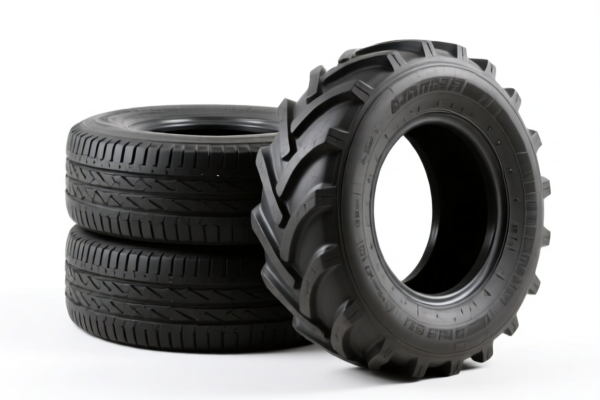
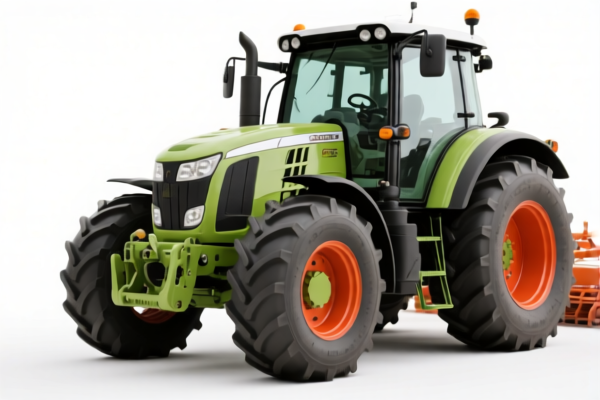
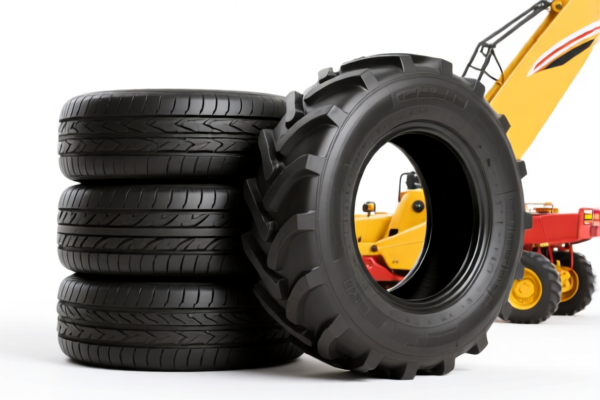
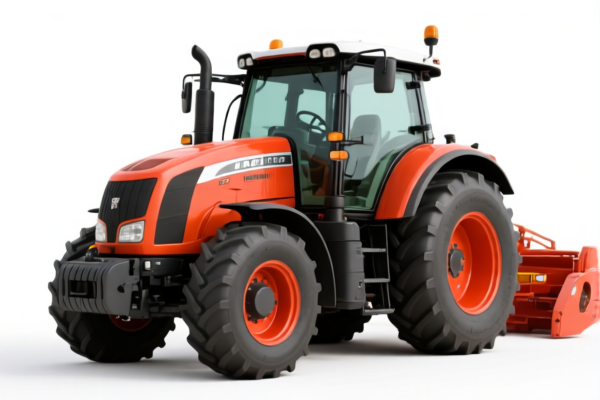
AI Analysis
🚜 Used Tires for Agricultural Machinery
🌐 HS Code Reference & Customs Clearance Guide | 2026 Latest Tariff Analysis | Professional Entry Strategy
📌 I. Product Definition & Classification: What Exactly Are "Used Agricultural Tires"?
Used tires for agricultural machinery refer to pneumatic rubber tires that have previously served agricultural or horticultural equipment. In international trade, they are strictly regulated due to environmental concerns (often classified as waste) and specific trade remedies (Section 301/IEEPA).
They fall into two primary categorization paths depending on how they are declared and their physical state:
1. As "Used Pneumatic Rubber Tires" (Chapter 40): These are treated as specific goods under Heading 40.12. This is the most direct classification for whole tires, regardless of whether they are worn or not, provided they are not merely shredded rubber granules. * Key Characteristic: Intact tire structure (sidewalls, tread, bead). * Purpose: Specifically designed for agricultural/horticultural machinery.
2. As "Rubber Waste & Scrap" or "Machinery Parts" (Chapter 40 or 84): If the tires are damaged, shredded, or declared as raw material for recycling, they may fall under "Rubber waste" (40.04) or be argued as parts of agricultural machinery (84.36), though the latter is riskier for used tires unless specifically certified for re-installation.
⚠️ Critical Distinction Point:
- If the tire is whole and usable/repairable → Classify under 4012.20 (Used Pneumatic Tires).
- If the tire is shredded/crushed → Classify under 4004.00 (Rubber Waste/Scrap).
- Do NOT classify as new tires (4011.10) or car tires (4011.20); agricultural tires have distinct sub-headings.
📦 II. HS Code Classification Details (2026 Latest Tariff Authority Mapping)
Based on the provided data, here are the four possible HS Codes and their logical application:
| HS Code | Product Description | Application Scenario | Key Condition |
|---|---|---|---|
4012.20.45.00 |
Used Pneumatic Rubber Tires - Specifically for Agricultural/Horticultural Machinery | Whole used tires intended for tractors, harvesters, etc. | Must match "Used Pneumatic Rubber Tires" AND "Agricultural/Horticultural Machinery" usage. |
4012.20.15.00 |
Used Pneumatic Rubber Tires - General Agricultural Use | Standard used agricultural tires | Matches "Old Pneumatic Rubber Tires" & "Agricultural or Horticultural Machinery" purpose. |
4004.00.00.00 |
Rubber Waste and Scrap (from tires) | Shredded tires, crumb rubber, or non-repairable tires used for horticultural mulch/ground cover | Matches the definition of "Rubber waste and scrap" from tires. |
8436.99.00.90 |
Parts of Agricultural/Horticultural Machinery | Rarely used for whole used tires; only if declared as "spare parts" for repairable units | Matches "Other agricultural/horticultural machinery and parts". Note: High risk of reclassification to 4012. |
🔍 Key Reminder:
-4012.20.xxxxis the standard code for whole used agricultural tires.
-4004.00applies only if the tire is no longer a tire (i.e., waste/scrap).
-8436.99is not recommended for whole tires; Customs often rejects this as misclassification of the good itself vs. its part status.
- All listed codes attract the same total tariff rate of 35% under current US-China trade rules.
💰 III. 2026 Latest Tariff Rate Breakdown (Including Surcharges & Policy Add-ons)
✅ Applicable Country: United States (US)
✅ Country of Origin: China (CN) (Inferred from tax details: 122 Clause/IEEPA)
✅ Effective Date: 2025 November 10 onwards (Including subsequent imports)
🎯 1. 4012.20.45.00 & 4012.20.15.00 —— Used Pneumatic Tires for Agriculture
| Item | Detail |
|---|---|
| Base Tariff Rate | 0.0% (Ad valorem) |
| Section 301 / Additional Tariff | +25.0% (From USITC Footnote / Section 301) |
| IEEPA / Section 122 Tariff | +10.0% (Targeting Chinese/HK products, effective Nov 10, 2025) |
| Total Tariff Rate | 35.0% |
| Tax Calculation | CIF Value × 35% |
| De Minimis Exemption Eligible? | ❌ NO (deny_de_minimis) |
| Legal Authority Path | Section 301: 4012.20 → IEEPA: 9903.01.25 → USITC: 4012.20.45.00 → FOOTNOTE: 301.4012.20 |
📌 Explanation:
- Base 0%: Used tires have low base tariffs globally.
- 25% Section 301: Standard retaliatory tariff on Chinese rubber products.
- 10% IEEPA 122: Additional national security/emergency tariff on Chinese goods.
- Total 35%: This is a high-cost category. Importers must account for this 35% surcharge on top of any freight/insurance costs.
🎯 2. 4004.00.00.00 —— Rubber Waste/Scrap from Tires
| Item | Detail |
|---|---|
| Base Tariff Rate | 0.0% |
| Section 301 / Additional Tariff | +25.0% |
| IEEPA / Section 122 Tariff | +10.0% |
| Total Tariff Rate | 35.0% |
| Tax Calculation | CIF Value × 35% |
| De Minimis Exemption Eligible? | ❌ NO |
📌 Note:
- Same tax burden as whole tires.
- Why classify as waste? Only if the tires are shredded, damaged beyond repair, or sold solely for recycling/mulch.
- Risk: If Customs inspects and finds whole tires, they will reclassify to4012.20and possibly penalize for misdeclaration.
🎯 3. 8436.99.00.90 —— Parts of Agricultural Machinery
| Item | Detail |
|---|---|
| Base Tariff Rate | 0.0% |
| Section 301 / Additional Tariff | +25.0% |
| IEEPA / Section 122 Tariff | +10.0% |
| Total Tariff Rate | 35.0% |
| Tax Calculation | CIF Value × 35% |
| De Minimis Exemption Eligible? | ❌ NO |
📌 Warning:
- While this code exists in the data, it is highly contentious for whole used tires.
- Customs may argue that a tire is a good itself (Chapter 40), not a part (Chapter 84), especially if it’s a standard replacement tire.
- Recommended only if the tire is custom-fabricated or integrated into a specific machinery assembly.
🛠️ IV. Customs Clearance Practical Advice (Real-World Pitfall Guide)
✅ 1. Required Documentation Checklist (Non-negotiable)
| Document | Required? | Notes |
|---|---|---|
| ✅ Commercial Invoice | ✔️ | Must clearly state "Used Agricultural Tires" or "Rubber Waste". Do NOT say "New Tires". |
| ✅ Packing List | ✔️ | Specify quantity, weight, and condition (e.g., "Used, Good Condition" or "Shredded"). |
| ✅ Condition Declaration | ✔️ | Explicitly state: "Used", "Second-hand", "Not New". |
| ✅ Product Photos | ✔️ | Show sidewalls, tread depth, and any damage. Crucial for proving "Used" status. |
| ✅ Bill of Lading/AWB | ✔️ | Consistent description with invoice. |
| ✅ Certificate of Origin (CO) | ✔️ | If from China, expect 35% tariff. |
| ✅ Environmental Compliance Docs | ✔️ | If declaring as waste (4004.00), may require EPA/Recycling facility contracts. |
✅ 2. Declaration Strategy (Key Mantras)
🔥 “Whole Tire? Go 4012. Shredded? Go 4004. Never 8436 unless Custom-Made. Always Say ‘Used’!”
| Scenario | Correct HS Code | Risk of Wrong Declaration |
|---|---|---|
| Whole used tires for tractors | 4012.20.45.00 or 4012.20.15.00 |
Misclassifying as 8436 → Possible penalty for misdescription. |
| Shredded/crushed tires for mulch | 4004.00.00.00 |
Misclassifying as 4012 → Unnecessary complexity, but same tax. |
| New tires (mistakenly declared used) | None | SEVERE PENALTY. Fraud. 35% tax + fines + seizure. |
| Tires with rims attached | Still 4012 |
Unless rim is valuable/specialized, whole assembly still treated as tire. |
✅ 3. Special Handling Tips
| Situation | Advice |
|---|---|
| OEM vs. Aftermarket | No difference in HS code. Both 4012.20. |
| Used Tires with High Tread | Clearly mark as "Used" in invoice. If new, pay new tariff. |
| Tires for Export to Non-US Markets | Check local duties. US tariff doesn’t apply to EU/China direct imports. |
| De Minimis (Section 321) | ❌ DO NOT USE. Used tires are explicitly excluded from de minimis entry. |
🌍 V. Global Market Comparison (2026 Snapshot)
| Market | Recommended HS Code | Tariff Rate | Key Certification | Notes |
|---|---|---|---|---|
| 🇺🇸 USA | 4012.20.xxxx |
35% (China) | None specific, but condition proof needed | High tariff due to Section 301 + IEEPA. |
| 🇨🇳 China | 4012.20 |
0-5% | CCC (if new), Used goods import permit | Strict on waste import; used tires allowed if usable. |
| 🇪🇺 EU | 4012.20 |
~4.5% | REACH, RoHS (minimal) | Higher environmental standards for "waste" tires. |
| 🇯🇵 Japan | 4012.20 |
~3-5% | JIS standards | Strict inspection on tire condition. |
📌 Conclusion:
- USA is the most expensive market for used Chinese tires due to layered tariffs (25% + 10%).
- Clear labeling as “USED” is critical. Misdeclaration as "New" or "Parts" can lead to severe penalties.
📌 VI. Common Mistakes & Pitfalls (Lessons Learned)
❌ Mistake 1: Declaring whole used tires as 8436.99.00.90 (Parts)
👉 Consequence: Customs may reject, reclassify to 4012.20, and impose penalties for misdescription. Same tax, but delay and hassle.
❌ Mistake 2: Using "De Minimis" entry (under $800)
👉 Consequence: Denied Entry. Used tires are explicitly excluded. Package will be seized or returned.
❌ Mistake 3: Saying "New Tires" to avoid "Used" label
👉 Consequence: If found used, classified as "Used" with 35% tariff + fraud penalties. Never lie about condition.
❌ Mistake 4: Mixing Whole Tires and Shredded Tires in One Declaration
👉 Consequence: Chaos. Declare separately. Whole = 4012, Shredded = 4004.
✅ Best Practice:
"Used Agricultural Tires, Pneumatic Rubber, Second-Hand, Model XYZ, For Tractor Use."
🎯 VII. Conclusion: Professional Declaration Saves Costs!
🎯 Remember the Mantra:
🔹 "Whole Tire? 4012. Shredded? 4004. Always ‘Used’. Never De Minimis. 35% Tax is Real."
🔹 "HS Code determines fate. 35% tariff on China-origin used tires is mandatory. Declare accurately."
📌 Pro Tip:
If you are importing from non-Chinese sources (e.g., Vietnam, Thailand), verify if IEEPA 10% applies. If not, tariff may be lower (only 25%).
Always request Pre-Ruling (Advance Ruling) from US Customs if unsure between 4012 and 8436.
📣 Immediate Action:
📞 Consult a licensed customs broker.
📸 Provide clear photos of tires (sidewall, tread, wear).
📄 Ensure Invoice says "USED" in bold.
🚀 Clear, Compliant, and Cost-Efficient Clearance!
✨ Professional Clearance Starts with Accurate Classification!
💼 Every 1% of tariff matters. 35% is significant. Plan accordingly!
Customer Reviews
About HS Code Classification
The Harmonized System (HS) is an internationally standardized nomenclature developed by the World Customs Organization (WCO) to classify traded products. Over 200 countries use the HS system as the basis for customs tariffs, trade statistics, and import/export regulations.
Each HS code follows a hierarchical structure:
- Chapter (2 digits) — Broad category of goods (e.g., Chapter 84: Machinery and Mechanical Appliances)
- Heading (4 digits) — More specific grouping within the chapter
- Subheading (6 digits) — Internationally standardized breakdown, used by all WCO member countries
- National subdivisions (8-10 digits) — Country-specific extensions for further classification, such as US HTSUS 10-digit codes
Correct HS code classification is essential for smooth customs clearance, accurate duty payment, and compliance with trade regulations. Misclassification can lead to customs delays, overpayment of duties, or penalties.
When importing from CN to US, the applicable tariff rates may include:
- Most-Favored-Nation (MFN) rate — The standard duty rate applied to WTO members
- General rate — Applied to countries without trade agreements
- Trade remedy duties — Additional tariffs such as Section 301 (anti-dumping), Section 232 (national security), or countervailing duties
The information provided on this page is for reference purposes only. For official classification, please consult with your local customs authority or a licensed customs broker.