V belts industrial grade
CN → US| HS Code | Tariff Rate | Origin | Destination | Doc |
|---|---|---|---|---|
| 4010313000 | 38.4% | CN | US | Official Doc |
| 4010323000 | 38.4% | CN | US | Official Doc |
| 5910001010 | 39.0% | CN | US | Official Doc |
| 4010316000 | 37.8% | CN | US | Official Doc |
| 4010313000 | 38.4% | CN | US | Official Doc |
Product Images
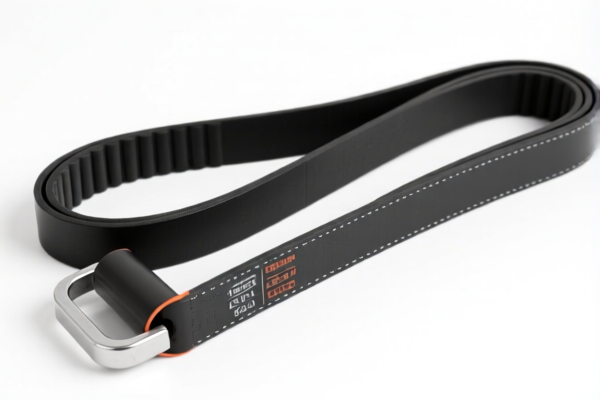
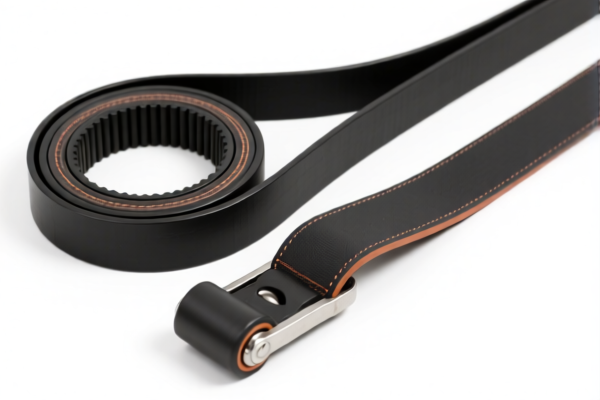
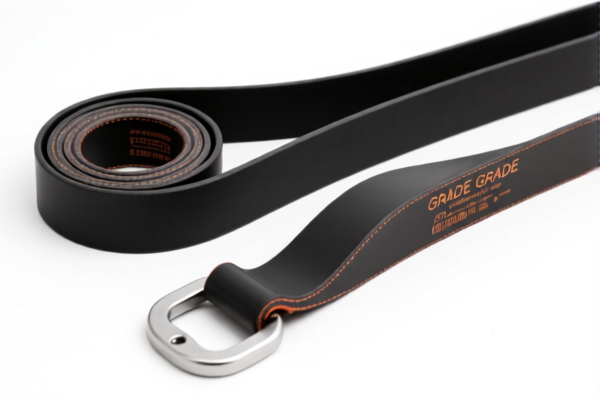
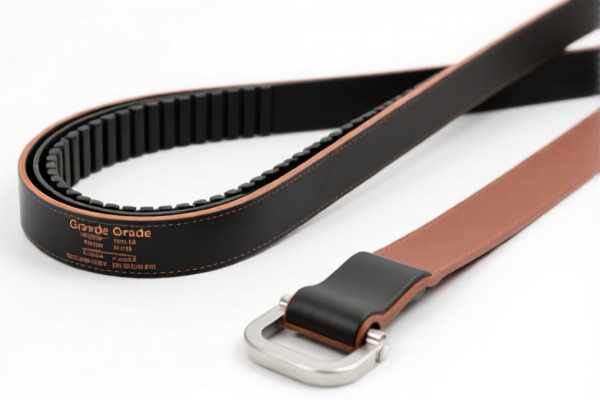
AI Analysis
🔗 Industrial V-Belts (Industrial Grade)
🌐 HS Code Reference & Customs Clearance Guide | 2026 Latest Tariff Analysis | Professional-Level Entry Strategy 📌 I. Product Definition & Classification: Do You Really Know "Industrial V-Belts"?
Industrial V-Belts are critical power transmission components used in heavy machinery, HVAC systems, automotive engines, and industrial manufacturing equipment. In international trade, they are not a single monolithic category. Their classification depends heavily on their material composition and structural design:
Fiber-Reinforced Composite V-Belts: Made with textile fabrics (cord) embedded in rubber, offering high strength and flexibility. These are typically classified under Chapter 40 (Rubber). Pure Rubber/Mechanical V-Belts: Solid rubber construction or specific mechanical profiles. Also classified under Chapter 40. Fabric-Covered/Reinforced Belts: Belts where the primary reinforcement is artificial/synthetic fiber, potentially falling under Chapter 59 (Impregnated Fabrics).
⚠️ Key Distinction Point: - If the belt is primarily rubber with textile reinforcement for power transmission →归入 Chapter 40 (4010). - If the belt is primarily textile/fabric with rubber coating for specific V-shape transmission →归入 Chapter 59 (5910).
📦 II. HS Code Classification Details (2026 Latest Tariff Authority Cross-Reference)
| HS Code | Product Description | Applicable Scenario | Material/Structure |
|---|---|---|---|
4010.31.30.00 |
Industrial Fiber-Composite V-Belt, matching trapezoidal cross-section & textile-reinforced characteristics | Heavy-duty industrial machinery, high-torque applications | ✅ Rubber base + Textile Cord |
4010.32.30.00 |
Industrial Fiber-Composite V-Belt, matching trapezoidal cross-section, endless transmission & textile-reinforced characteristics | Endless (joined) belts for continuous transmission lines | ✅ Rubber base + Textile Cord (Endless) |
5910.00.10.10 |
Industrial Fiber-Composite V-Belt, matching V-shape form & artificial/synthetic fiber material | Belts where fabric/fiber is the primary structural element, rubber-coated | ✅ Synthetic Fiber Base + Rubber Coating |
4010.31.60.00 |
Mechanical V-Belt, matching trapezoidal cross-section, inferred as rubber material | Standard mechanical drive belts, general-purpose industrial use | ✅ Pure Rubber / Simple Composite |
4010.31.30.00 |
Mechanical V-Belt, matching trapezoidal cross-section & transmission purpose, inferred as vulcanized rubber | General vulcanized rubber V-belts | ✅ Vulcanized Rubber |
🔍 Key Reminder: - Chapter 40 (Rubber) is the most common for standard V-belts. Look for "4010" in the HS Code. - Chapter 59 (Textiles) applies if the belt is essentially a fabric strip impregnated with rubber. This is less common for high-performance industrial V-belts but possible for specific lightweight or specialized applications. - Truncated V-Belts (Narrow V-Belts) are generally grouped under
4010.31or4010.32depending on the manufacturing method (joined vs. endless).
💰 III. 2026 Latest Tariff Rate Breakdown (Including Surtaxes, Policy Add-ons)
✅ Applicable Country: United States (US) ✅ Country of Origin: China (CN) ✅ Effective Time: 2025/2026 (Post-Trade War Surtaxes Applied)
🎯 1. 4010.31.30.00 & 4010.32.30.00 & 4010.31.60.00 —— Rubber-Based V-Belts
| Item | Content |
|---|---|
| Base Tariff (MFN) | 3.4% (for 4010.31.30/32) / 2.8% (for 4010.31.60) |
| Section 301 Surtax | +25.0% (Additional tariff under USITC Footnote 9903.88.01 for rubber products) |
| Section 122 Surtax | +10.0% (Specific Chinese-origin surtax) |
| Total Tariff Rate | 38.4% (for 4010.31.30/32) 37.8% (for 4010.31.60) |
| Tax Calculation | CIF Value × Total Rate |
| De Minimis Exemption | ❌ NOT Applicable (Denied under Section 301/122) |
| Legal Basis Path | USITC:4010.31.30.00 → FOOTNOTE:9903.88.01 (301 Tariff) + IEEPA:9903.01.25 (Section 122) |
📌 Explanation: - "Base Tariff 3.4%/2.8%": The standard Most Favored Nation (MFN) rate for rubber transmission belts. - "Section 301 Tariff 25%": A major punitive tariff added in 2018-2019, still in effect for many rubber products. - "Section 122 Tariff 10%": A specific additional duty targeting Chinese imports of certain manufactured goods, including rubber belts. - Total Effective Rate: ~38%. This is a high-cost item for US importers from China.
🎯 2. 5910.00.10.10 —— Fabric-Based V-Belts
| Item | Content |
|---|---|
| Base Tariff (MFN) | 4.0% |
| Section 301 Surtax | +25.0% |
| Section 122 Surtax | +10.0% |
| Total Tariff Rate | 39.0% |
| Tax Calculation | CIF Value × 39.0% |
| De Minimis Exemption | ❌ NOT Applicable |
| Legal Basis Path | USITC:5910.00.10.10 → FOOTNOTE:9903.88.01 + IEEPA:9903.01.25 |
📌 Note: - Even though it’s textile-based, if it’s imported from China, it faces the same heavy surtaxes. - The slight difference in base rate (4.0% vs 3.4%) results in a marginally higher total tax.
🛠️ IV. Customs Clearance Practical Advice (Battle-Tested Pitfall Avoidance Guide)
✅ 1. Document Checklist (Missing Items = Delay)
| Document | Mandatory? | Description |
|---|---|---|
| ✅ Product Specification Sheet | ✔️ | Must detail: Cross-section type (A, B, C, SPZ, SPA, etc.), material composition (Rubber % vs. Cord %), length, width. |
| ✅ Material Composition Statement | ✔️ | Explicitly state: "Vulcanized Rubber with Polyester Cord Reinforcement" or "Polyester Fabric Impregnated with Rubber". Crucial for 4010 vs 5910 distinction. |
| ✅ Product Photos (Labeled) | ✔️ | Clear view of the belt surface, cross-section, and any markings (e.g., "B35", "XPB"). |
| ✅ Commercial Invoice | ✔️ | Must explicitly state "Industrial V-Belt" or "Transmission Belt". Avoid vague terms like "Rubber Part". |
| ✅ Bill of Lading (B/L) | ✔️ | Ensure HS Codes match the invoice exactly. |
| ✅ Certified Free Sale Certificate (Optional) | ✔️ | May help if origin issues arise, but unlikely to override Section 301. |
✅ 2. Declaration Tips (Key Mantras)
🔥 "Material is King, Profile is Queen, Don't Split, Don't Lie!"
| Scenario | Correct Declaration | Wrong Practice |
|---|---|---|
| Standard Rubber V-Belt | 4010.31.30.00 - "Industrial V-Belt, Vulcanized Rubber" |
Declaring as "Rubber Hose" or "Seal" → Risk of penalty |
| Endless V-Belt | 4010.32.30.00 - "Endless Industrial V-Belt" |
Mixing joined and endless types in one line item without distinction |
| Fabric-Rubber Composite | 5910.00.10.10 - "Impregnated Fabric Belt" |
Declaring as pure rubber if fabric is dominant → Misclassification |
| Small Parts (Keys, Brackets) | Separate HS Codes | Packing belt + mounting hardware together without separate valuation |
✅ 3. Special Circumstances Handling
| Situation | Handling Advice |
|---|---|
| OEM Branded Belts | Provide customer authorization letter. Ensure brand name on belt matches invoice. |
| Mixed Container (V-Belts + Other Rubber Goods) | Declare separately. Do not combine under a single vague HS code. |
| Samples vs. Commercial | Both are subject to the same tariffs. "Sample" labels do not exempt Section 301/122 taxes. |
| Return/Replacement | If goods are defective and returned, you may apply for duty drawback. Document the original rejection clearly. |
🌍 V. Global Market Comparison (2026 Latest)
| Country/Region | Recommended HS Code | Estimated Total Duty (CN Origin) | Key Certification | Notes |
|---|---|---|---|---|
| 🇺🇸 USA | 4010.31.30.00 / 5910.00.10.10 |
37.8% - 39.0% | None specific, but DOT compliance may apply | Highest Barrier due to 301/122 tariffs |
| 🇨🇳 China | 4010.31.30.00 |
8% - 10% | CCC (if for auto parts) | Lower duty, but check environmental rules |
| 🇪🇺 EU | 4010.31.00 / 5910.00.00 |
0% - 6.5% | REACH (Chemical safety) | No punitive tariffs. Much cheaper entry than US. |
| 🇲🇽 Mexico | 4010.31.00 |
0% (Under USMCA if originating) | NOM Standards | Zero Duty if manufactured in Mexico/US/Canada. |
| 🇻🇳 Vietnam | 4010.31.00 |
0% - 5% (Check Free Trade Agreements) | TCVN Standards | Beneficial: Many rubber goods from Vietnam face lower tariffs than China. |
📌 Conclusion: - USA is the most expensive market for Chinese-made V-belts due to cumulative surtaxes (~38%). - EU and Mexico are far more competitive. - Supply Chain Shift: Many importers are sourcing from Vietnam, Thailand, or Mexico to avoid US tariffs.
📌 VI. Common Errors & Pitfall Guide (Lessons Learned from Tears)
❌ Error 1: Declaring "V-Belts" as "Rubber Tires" or "Seals" 👉 Consequence: HS Code mismatch → Seizure of goods, fines, and detention fees.
❌ Error 2: Ignoring the "Section 122" 10% surtax 👉 Consequence: Underpayment of duties → Back-taxes + Interest upon audit.
❌ Error 3: Confusing "Endless" (Seamless) vs. "Joined" (Vulcanized Joint)
👉 Consequence: Incorrect sub-heading (4010.32 vs 4010.31). While the tax rate might be similar, it triggers customs scrutiny for misdeclaration.
❌ Error 4: Packing Belts with Unrelated Rubber Parts 👉 Consequence: If the whole pallet is inspected, and one item is misdeclared, the entire shipment may be delayed.
✅ Correct Practice:
"Industrial Vulcanized Rubber V-Belt, Reinforced with Polyester Cord, Cross-Section Type B, Length 1500mm, Model: XYZ-1500B, For Industrial Conveyor Application"
🎯 VII. Conclusion: Precision in Classification Saves Thousands!
🎯 Remember the Mantras:
🔹 "Rubber Base = 4010, Fabric Base = 5910"
🔹 "US Import? Prepare for ~38% Tax. No Escape!"
🔹 "Check Origin: China = High Tax, Vietnam/Mexico = Low Tax"
📌 Pro Tip:
If you are importing into the US, consider shifting sourcing to Vietnam or Mexico (where applicable) to utilize USMCA benefits or avoid Section 301/122 tariffs. This can save you ~30% in landed cost. Always apply for an Advance Ruling from US Customs (CBP) if your product has unique features (e.g., specialized coating, mixed materials) to get a binding classification.
📣 Take Action Now:
📞 Consult a licensed Customs Broker + Provide Detailed Material Specs + Verify Origin Rules 🚀 Optimize Your Supply Chain, Clear Customs Smoothly, Protect Your Margins!
✨ Professional Clearance Starts with Precise Classification! 💼 Every Percentage Point of Duty Impacts Your Bottom Line!
Customer Reviews
About HS Code Classification
The Harmonized System (HS) is an internationally standardized nomenclature developed by the World Customs Organization (WCO) to classify traded products. Over 200 countries use the HS system as the basis for customs tariffs, trade statistics, and import/export regulations.
Each HS code follows a hierarchical structure:
- Chapter (2 digits) — Broad category of goods (e.g., Chapter 84: Machinery and Mechanical Appliances)
- Heading (4 digits) — More specific grouping within the chapter
- Subheading (6 digits) — Internationally standardized breakdown, used by all WCO member countries
- National subdivisions (8-10 digits) — Country-specific extensions for further classification, such as US HTSUS 10-digit codes
Correct HS code classification is essential for smooth customs clearance, accurate duty payment, and compliance with trade regulations. Misclassification can lead to customs delays, overpayment of duties, or penalties.
When importing from CN to US, the applicable tariff rates may include:
- Most-Favored-Nation (MFN) rate — The standard duty rate applied to WTO members
- General rate — Applied to countries without trade agreements
- Trade remedy duties — Additional tariffs such as Section 301 (anti-dumping), Section 232 (national security), or countervailing duties
The information provided on this page is for reference purposes only. For official classification, please consult with your local customs authority or a licensed customs broker.