Vacuum Cleaner Air Freshener Box
CN → US| HS Code | Tariff Rate | Origin | Destination | Doc |
|---|---|---|---|---|
| 3923109000 | 38.0% | CN | US | Official Doc |
| 7323999080 | 88.4% | CN | US | Official Doc |
| 7323999030 | 88.4% | CN | US | Official Doc |
| 3923102000 | 35.0% | CN | US | Official Doc |
Product Images
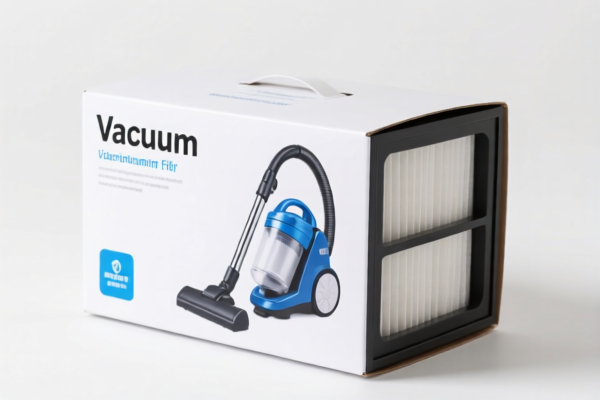
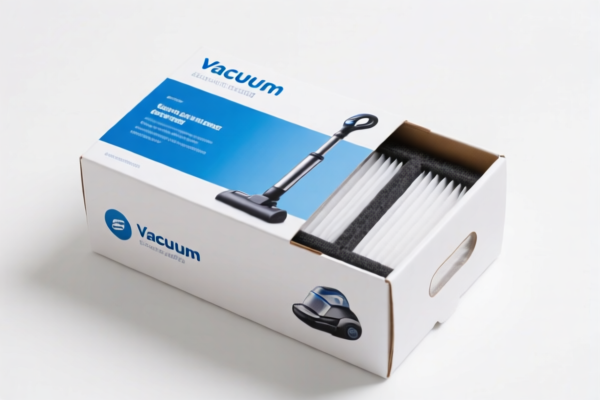
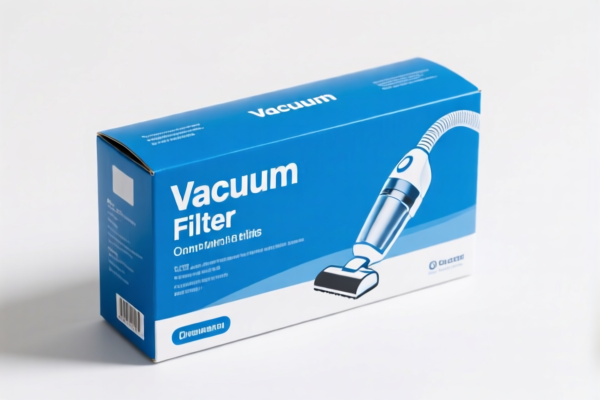
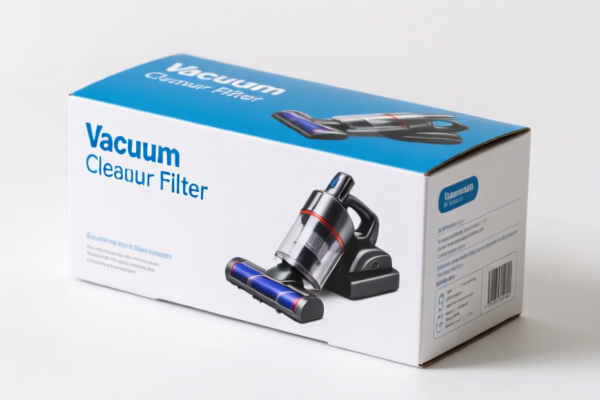
AI Analysis
🧼 Vacuum Cleaner Air Freshener Box
🌐 HS Code Reference & Customs Clearance Guide | 2026 Latest Tariff Analysis | Professional Clearance Strategy
📌 I. Product Definition & Classification: What exactly is an "Air Freshener Box"?
In the context of home cleaning accessories, a "Vacuum Cleaner Air Freshener Box" typically refers to a small container designed to hold scented materials (blocks, gels, or pads) that attach to or sit near a vacuum cleaner to provide a pleasant aroma.
Based on general knowledge and international trade conventions, the classification depends heavily on the material composition and the specific function/nature of the container:
- Plastic Containers: If the box itself is made of plastic and functions as a package or storage vessel for the fragrance, it falls under plastic articles.
- Metal (Steel/Aluminum) Containers: If the box is made of iron or steel, it is classified as metal household articles or other metal articles.
⚠️ Key Distinction Point:
- If the item is primarily a plastic container holding the scent → Go to Chapter 39 (Plastics)
- If the item is primarily a metal container (steel/aluminum) holding the scent → Go to Chapter 73 (Iron/Steel Articles)
📦 II. HS Code Classification Details (2026 Latest Tariff Authority Comparison)
Based on the provided data, here are the four possible HS Code classifications for "Vacuum Cleaner Air Freshener Box":
| HS Code | Product Description (Inferred) | Material/Category | Tax Rate Category |
|---|---|---|---|
3923.10.90.00 |
Plastic Box/Container | Plastic, Box/Crate form | Lower Total Tax (38.0%) |
3923.10.20.00 |
Plastic Packaging Container | Plastic, Packaging articles | Lower Total Tax (35.0%) |
7323.99.90.80 |
Metal Household/Cleaning Article | Steel/Aluminum, Household/Cleaning accessories | High Total Tax (88.4%) |
7323.99.90.30 |
Metal Kitchen/Tableware Accessory | Steel/Aluminum, Unspecified kitchen/tableware auxiliary tools | High Total Tax (88.4%) |
🔍 Important Note:
- Plastic vs. Metal: The choice between Chapter 39 and Chapter 73 determines the base tariff and significantly impacts the final duty. - Packaging vs. Article:3923.10.20.00is often viewed as a "packaging" item, while3923.10.90.00is a general plastic article.7323codes treat the box as a finished household or kitchen item.
💰 III. 2026 Latest Tariff Rate Breakdown (Including Surtaxes & Policy Add-ons)
✅ Applicable Country: United States (US)
✅ Origin: China (CN)
✅ Effective Date: Current regulations apply (Section 301 & IEEPA)
🎯 1. 3923.10.90.00 —— Plastic Box/Crate (General Plastic Article)
| Item | Content |
|---|---|
| Base Duty | 3.0% (ad valorem) |
| Section 301 Surtax | +25.0% |
| Section 122 Duty | +10.0% |
| Total Tax Rate | 38.0% |
| Calculation | CIF Value × 38.0% |
| De Minimis Exemption | ❌ Not Eligible (Deny De Minimis) |
| Legal Basis | Base Tariff + Section 301 + Section 122 |
📌 Explanation:
- This is the most common classification for plastic air freshener boxes. - The total effective tax rate is 38%. - Section 122 (10%) is a specific trade remedy duty often applied to certain imports. - Section 301 (25%) is the standard tariff for many Chinese goods under US-China trade restrictions.
🎯 2. 3923.10.20.00 —— Plastic Packaging Container
| Item | Content |
|---|---|
| Base Duty | 0.0% |
| Section 301 Surtax | +25.0% |
| Section 122 Duty | +10.0% |
| Total Tax Rate | 35.0% |
| Calculation | CIF Value × 35.0% |
| De Minimis Exemption | ❌ Not Eligible |
| Legal Basis | Base Tariff + Section 301 + Section 122 |
📌 Explanation:
- If customs views the item strictly as a packaging container rather than a standalone article, the base duty drops to 0%. - However, the surtaxes remain, resulting in a 35% total rate. - This is the lowest cost option among all four classifications.
🎯 3. 7323.99.90.80 —— Steel/Aluminum Household/Cleaning Article
| Item | Content |
|---|---|
| Base Duty | 3.4% |
| Section 301 Surtax | +25.0% |
| Section 122 Duty | +10.0% |
| Steel/Aluminum Surtax | +50.0% |
| Total Tax Rate | 88.4% |
| Calculation | CIF Value × 88.4% |
| De Minimis Exemption | ❌ Not Eligible |
| Legal Basis | Base + Section 301 + Section 122 + Steel/Aluminum Surtax |
📌 Explanation:
- This classification applies if the box is made of steel or aluminum. - The Steel/Aluminum Surtax (+50%) is a critical factor, making this option extremely expensive. - Total tax rate is 88.4%, which is nearly triple the plastic option.
🎯 4. 7323.99.90.30 —— Steel/Aluminum Kitchen/Tableware Accessory
| Item | Content |
|---|---|
| Base Duty | 3.4% |
| Section 301 Surtax | +25.0% |
| Section 122 Duty | +10.0% |
| Steel/Aluminum Surtax | +50.0% |
| Total Tax Rate | 88.4% |
| Calculation | CIF Value × 88.4% |
| De Minimis Exemption | ❌ Not Eligible |
| Legal Basis | Base + Section 301 + Section 122 + Steel/Aluminum Surtax |
📌 Explanation:
- Similar to7323.99.90.80, this code applies to metal boxes deemed as kitchen or tableware accessories. - The Steel/Aluminum Surtax (+50%) applies, leading to the same high rate of 88.4%. - Customs may differentiate between "household/cleaning" and "kitchen/tableware" based on the product's design and marketing, but the tax burden is identical.
🛠️ IV. Customs Clearance Practical Advice (Avoid Pitfalls)
✅ 1. Documentation Checklist (Mandatory)
| Document | Must Provide | Notes |
|---|---|---|
| ✅ Product Specification | ✔️ | Material (Plastic vs. Steel), Dimensions, Weight |
| ✅ Material Composition Certificate | ✔️ | Critical for distinguishing between Chapter 39 and Chapter 73 |
| ✅ Product Photos (Clear) | ✔️ | Show the box, scent component, and any branding |
| ✅ Commercial Invoice | ✔️ | Describe as "Plastic Air Freshener Holder" or "Metal Scent Box" accurately |
| ✅ Packing List | ✔️ | Item quantity, net/gross weight |
| ✅ Declaration of Non-Steel (if Plastic) | ✔️ | If claiming plastic, explicitly state "No Steel/Aluminum" |
✅ 2. Declaration Tips (Key Strategy)
🔥 “Material Defines Class, Surtax Defines Cost!”
| Scenario | Correct Declaration | Incorrect Declaration | Consequence |
|---|---|---|---|
| Plastic Box | 3923.10.20.00 (Plastic Packaging) |
7323.99.90.80 |
Tax Jumps from 35% to 88.4%! |
| Plastic Box | 3923.10.90.00 (Plastic Article) |
3923.10.20.00 |
Tax Increases from 35% to 38% |
| Metal Box | 7323.99.90.80 |
3923.10.90.00 |
Misclassification, Penalty + Back Duties |
| Mixed Materials | Declare primary material + provide bill of materials | Vague description ("Air Freshener") | Customs Seizure or Re-evaluation |
✅ 3. Special Considerations
| Situation | Recommendation |
|---|---|
| OEM/Custom Products | Provide design files showing material layers to prove it’s plastic or metal. |
| Scent Component | The scent (gel/block) is often classified separately or with the box. Ensure the box’s classification takes precedence if it’s the primary vessel. |
| Steel Surtax | If the box has any steel/ aluminum components >5% by weight, the 50% surtax may apply. Check material specs carefully. |
| De Minimis (Section 321) | ❌ Not Available. Even for low-value shipments, Section 301 and Section 122 duties apply, and de minimis exemptions are denied for Chinese-origin goods under these sections. |
🌍 V. Global Market Comparison (2026 Overview)
| Market | Recommended HS Code | Est. Duty (China Origin) | Key Requirement |
|---|---|---|---|
| 🇺🇸 USA | 3923.10.20.00 (Plastic) |
35.0% | Full disclosure of material; No de minimis |
| 🇪🇺 EU | 3923.10.20.00 (Plastic) |
~5-7% (Base) + VAT | CE Marking if applicable; No Section 301 |
| 🇨🇳 China | 3923.10.20.00 (Plastic) |
0-5% | CCC if electrical, but this is non-electrical |
| 🇨🇦 Canada | 3923.10.20.00 (Plastic) |
5-6% (Base) | MFN Rate; No Section 122 |
📌 Conclusion:
- The USA imposes the highest effective duty (35-38% for plastic, 88.4% for metal). - Plastic is strongly preferred over metal for cost-efficiency due to the absence of the Steel/Aluminum Surtax. - Metal boxes are highly discouraged for US import due to the 50% surtax on steel/aluminum.
📌 VI. Common Mistakes & Pitfalls (Lessons Learned)
❌ Mistake 1: Declaring a Steel Box as Plastic
👉 Consequence: Customs inspection reveals metal → 88.4% duty applied + penalties + delay.
❌ Mistake 2: Using 3923.10.90.00 when 3923.10.20.00 is applicable
👉 Consequence: Paying 3% extra unnecessarily (38% vs 35%).
❌ Mistake 3: Assuming De Minimis (800 USD) exemption applies
👉 Consequence: Fines and seizure because Section 301/122 duties deny de minimis for Chinese goods.
❌ Mistake 4: Ignoring the Section 122 Duty
👉 Consequence: Underpayment by 10% → Back taxes and interest.
✅ Best Practice:
“Vacuum Cleaner Air Freshener Holder, Plastic, Molded, For Fragrance Blocks, Model XYZ, No Electrical Components”
🎯 VII. Conclusion: Professional Classification, Cost Savings
🎯 Key Takeaways:
🔹 “Plastic is King, Metal is Costly” → Always choose plastic if possible. 🔹 “Packaging vs. Article” →
3923.10.20.00(Packaging) is cheaper than3923.10.90.00(Article). 🔹 “No De Minimis” → All shipments from China are subject to full duties, regardless of value.
📌 Action Plan:
1. Confirm Material: Ensure the box is 100% Plastic to avoid the 50% Steel Surtax.
2. Choose Correct Code: Use 3923.10.20.00 if it’s a packaging-type container (35% tax).
3. Prepare Docs: Include a Material Certificate to prove it’s not metal.
4. Calculate Cost: Factor in 35% duty + shipping + insurance.
📣 Immediate Action Required:
📞 Consult with a licensed customs broker to confirm if your specific product qualifies for
3923.10.20.00.
🚀 Accurate HS Code = Lower Duty = Higher Profit.
✨ Professional Clearance, Starting with Precise Classification!
💼 Every Dollar Saved in Duties is a Dollar Added to Your Bottom Line!
Customer Reviews
About HS Code Classification
The Harmonized System (HS) is an internationally standardized nomenclature developed by the World Customs Organization (WCO) to classify traded products. Over 200 countries use the HS system as the basis for customs tariffs, trade statistics, and import/export regulations.
Each HS code follows a hierarchical structure:
- Chapter (2 digits) — Broad category of goods (e.g., Chapter 84: Machinery and Mechanical Appliances)
- Heading (4 digits) — More specific grouping within the chapter
- Subheading (6 digits) — Internationally standardized breakdown, used by all WCO member countries
- National subdivisions (8-10 digits) — Country-specific extensions for further classification, such as US HTSUS 10-digit codes
Correct HS code classification is essential for smooth customs clearance, accurate duty payment, and compliance with trade regulations. Misclassification can lead to customs delays, overpayment of duties, or penalties.
When importing from CN to US, the applicable tariff rates may include:
- Most-Favored-Nation (MFN) rate — The standard duty rate applied to WTO members
- General rate — Applied to countries without trade agreements
- Trade remedy duties — Additional tariffs such as Section 301 (anti-dumping), Section 232 (national security), or countervailing duties
The information provided on this page is for reference purposes only. For official classification, please consult with your local customs authority or a licensed customs broker.