Vacuum Cleaner Bag
CN → US| HS Code | Tariff Rate | Origin | Destination | Doc |
|---|---|---|---|---|
| 6307101090 | 21.6% | CN | US | Official Doc |
| 3926904590 | 38.5% | CN | US | Official Doc |
| 6307102030 | 22.8% | CN | US | Official Doc |
| 8421990180 | 35.0% | CN | US | Official Doc |
| 8421390115 | 35.0% | CN | US | Official Doc |
Product Images
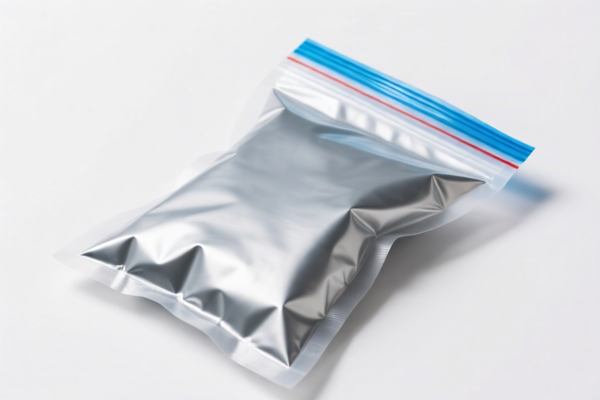
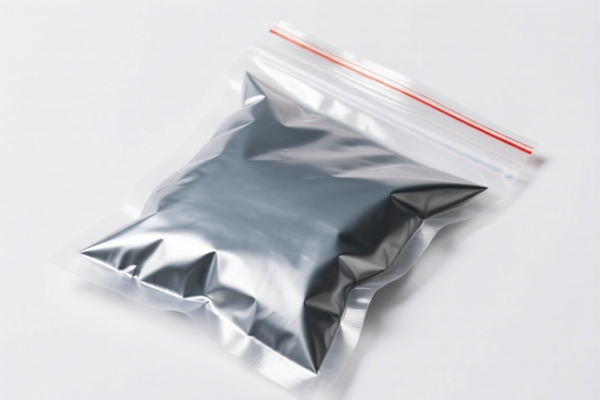
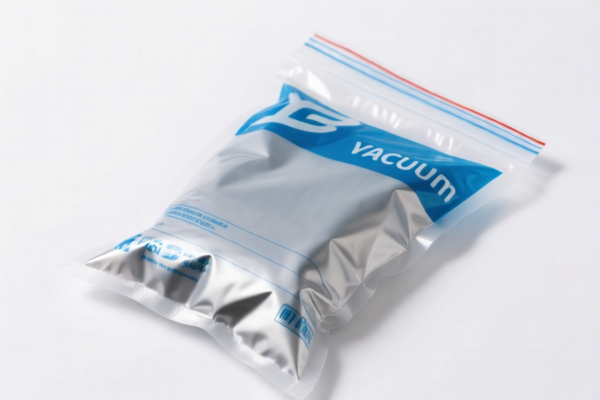
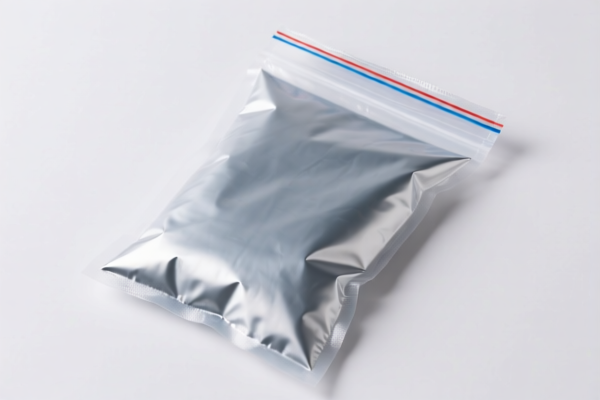
AI Analysis
🧹 Vacuum Cleaner Bag (Dust Bag)
🌐 HS Code Reference & Customs Clearance Guide | 2026 Latest Tariff Analysis | Professional通关 Strategy
📌 I. Product Definition & Classification: What Exactly is a "Vacuum Cleaner Bag"?
A vacuum cleaner bag (often referred to as a dust bag) is a consumable accessory designed to collect dust, debris, and allergens from air extracted by vacuum cleaners or cleaning machines. In international trade, its classification depends heavily on its material composition and functional role.
It is generally categorized into two main logical groups based on customs interpretation: 1. Textile/Fabric Category: Bags made of non-woven fabric, paper, or textile materials, often treated as "dusting cloths" or "similar cleaning articles." 2. Plastic/Filtration Category: Bags made of plastic films or synthetic fibers, classified as "other plastic articles" or as "parts/accessories for filtration machines."
⚠️ Key Classification Point:
- If made of non-woven textile/fabric → Often grouped with 6307 (Made-up textile articles/cleaning cloths).
- If made of plastic film/synthetic → Often grouped with 3926 (Other plastic articles) or 8421 (Filtration equipment parts).
📦 II. HS Code Classification Details (2026 Latest Tariff Authority Comparison)
Based on the provided data, there are 5 potential HS Codes for Vacuum Cleaner Bags, reflecting different interpretations of material and function.
| HS Code | Product Description | Logical Basis | Total Tax Rate (US/CN) |
|---|---|---|---|
6307.10.10.90 |
Dust bags as "Dusting cloths & similar cleaning cloths" | Categorized by use/material as a textile cleaning article. | 21.6% |
3926.90.45.90 |
Dust bags as "Other plastic articles & pads" | Categorized by material (plastic film/synthetic fiber). | 38.5% |
6307.10.20.30 |
Dust bags as "Other made-up textile articles for cleaning" | Categorized as a finished textile product for dust collection. | 22.8% |
8421.99.01.80 |
Dust bags as "Parts of centrifuges & filtration equipment" | Categorized as a consumable part of the filtration system. | 35.0% |
8421.39.01.15 |
Dust bags as "Parts of other air cleaning machines" | Categorized as a component of air purification/dust removal equipment. | 35.0% |
🔍 Critical Insight:
- The tax rate varies significantly from 21.6% to 38.5%.
- The choice depends on whether Customs views the bag as a "textile cleaning item" (lower tax) or a "plastic part/filter component" (higher tax).
- Section 301 & Section 122 tariffs are applied in all scenarios.
💰 III. 2026 Latest Tariff Rate Breakdown (Detailed Tax Clauses)
✅ Applicable Country: United States (US)
✅ Origin: China (CN)
✅ Effective Date: 2025/2026 (Current Trade War Tariffs)
🎯 1. 6307.10.10.90 —— Textile-Based Dust Bags (Lowest Tax Option)
| Item | Detail |
|---|---|
| Base Duty | 4.1% |
| Section 301 Surcharge | +7.5% |
| Section 122 Surcharge | +10% |
| Total Tax Rate | 21.6% |
| Tax Calculation | CIF Value × 21.6% |
| De Minimis Exemption? | ❌ No (Denied due to Section 301/122) |
| Legal Basis Path | USITC:6307.10.10.90 → Section301:7.5% → Section122:10% |
📌 Explanation:
- This is the most favorable classification if the bag is made of non-woven fabric.
- It is treated as a general textile cleaning item, attracting lower base duties and moderate surcharges.
🎯 2. 6307.10.20.30 —— Other Textile Cleaning Bags
| Item | Detail |
|---|---|
| Base Duty | 5.3% |
| Section 301 Surcharge | +7.5% |
| Section 122 Surcharge | +10% |
| Total Tax Rate | 22.8% |
| Tax Calculation | CIF Value × 22.8% |
| De Minimis Exemption? | ❌ No |
| Legal Basis Path | USITC:6307.10.20.30 → Section301:7.5% → Section122:10% |
📌 Explanation:
- Slightly higher base duty than6307.10.10.90, but still under 23%.
- Suitable for bags classified as "other" textile cleaning articles.
🎯 3. 8421.99.01.80 & 8421.39.01.15 —— Filtration Equipment Parts
| Item | Detail |
|---|---|
| Base Duty | 0.0% |
| Section 301 Surcharge | +25.0% |
| Section 122 Surcharge | +10% |
| Total Tax Rate | 35.0% |
| Tax Calculation | CIF Value × 35.0% |
| De Minimis Exemption? | ❌ No |
| Legal Basis Path | USITC:8421.xx → Section301:25% → Section122:10% |
📌 Explanation:
- While the base duty is 0%, the Section 301 surcharge jumps to 25% for machinery parts.
- Total tax is 35%, which is significantly higher than the textile options.
🎯 4. 3926.90.45.90 —— Plastic-Based Dust Bags (Highest Tax Option)
| Item | Detail |
|---|---|
| Base Duty | 3.5% |
| Section 301 Surcharge | +25.0% |
| Section 122 Surcharge | +10% |
| Total Tax Rate | 38.5% |
| Tax Calculation | CIF Value × 38.5% |
| De Minimis Exemption? | ❌ No |
| Legal Basis Path | USITC:3926.90.45.90 → Section301:25% → Section122:10% |
📌 Explanation:
- If Customs determines the bag is made primarily of plastic film or synthetic material not classified as textile, it falls here.
- This is the most expensive classification at 38.5%.
🛠️ IV. Customs Clearance Practical Advice (Battle-Tested Guide)
✅ 1. Preparation Checklist (Non-Negotiable)
| Document | Required? | Notes |
|---|---|---|
| ✅ Product Specification Sheet | ✔️ | Must detail material (e.g., "Non-woven Polypropylene" vs. "Plastic Film"). |
| ✅ Material Composition Certificate | ✔️ | Crucial for distinguishing between HS 6307 (Textile) and 3926 (Plastic). |
| ✅ Product Photos (Clear Labels) | ✔️ | Show bag shape, seal type, and any brand/model numbers. |
| ✅ Commercial Invoice | ✔️ | Description should match the HS Code logic (e.g., "Textile Dust Bag" for 6307). |
| ✅ Packing List | ✔️ | Ensure no mixed shipments of plastic and textile bags if claiming the lower tax rate. |
✅ 2. Classification Strategy (Critical Mnemonic)
🔥 "Fabric for 21%, Plastic for 38%, Machine Part for 35%! Choose Wisely!"
| Scenario | Recommended HS Code | Tax Rate | Why? |
|---|---|---|---|
| Non-woven Fabric Bag | 6307.10.10.90 |
21.6% | Lowest tax. Best for standard household vacuum bags. |
| Paper/Textile Bag | 6307.10.20.30 |
22.8% | Slightly higher base, but still low total. |
| Plastic Film Bag | 3926.90.45.90 |
38.5% | Highest tax. Avoid if fabric alternative exists. |
| High-End Filter/Medical Grade | 8421.99.01.80 |
35.0% | Justified if it's a specialized industrial filter, not a simple bag. |
⚠️ Warning:
- Do NOT misdeclare plastic bags as textile bags. Customs may request material tests.
- If the bag is part of a vacuum cleaner sale, it may still be classified separately as a consumable.
✅ 3. Special Handling Tips
| Situation | Advice |
|---|---|
| OEM/Private Label | Provide supplier declaration confirming material composition. |
| Mixed Materials | If the bag has plastic seals or zippers, it may still be classified as textile (6307) if textile is the principal material. |
| Section 122 Impact | Note that Section 122 (10%) is relatively new and applies to many consumer goods from China. It significantly increases the cost of all categories. |
| De Minimis | Remember: No de minimis exemption for these HS Codes under current US-China trade policies. Every shipment is taxed. |
🌍 V. Global Market Comparison (2026 Context)
| Region | Preferred HS Code | Est. Total Duty | Notes |
|---|---|---|---|
| 🇺🇸 USA | 6307.10.10.90 |
21.6% | Best option for textile bags. |
| 🇺🇸 USA | 3926.90.45.90 |
38.5% | Avoid if possible. |
| 🇨🇳 China (Export) | Various | Low/Zero | Export duties usually 0%. Focus is on destination tax. |
| 🇪🇺 EU | Check Local Code | Varies | EU may classify differently; consult local EU tariff. |
📌 Conclusion:
- The US market is the most challenging due to Section 301 and Section 122 tariffs.
- Tax saving potential: Choosing6307over3926saves ~17% in duty.
- Action: Optimize product design and declaration to align with HS 6307 if material allows.
📌 VI. Common Mistakes & Pitfalls (Learn from Errors)
❌ Mistake 1: Declaring plastic bags as "Textile Bags" to save tax.
👉 Consequence: Customs audit → Material test fails → Back taxes + Fines.
❌ Mistake 2: Ignoring Section 122 (10%) in cost calculations.
👉 Consequence: Profit margin eroded by unexpected 10% surcharge.
❌ Mistake 3: Using vague descriptions like "Cleaning Accessory."
👉 Consequence: Customs delays for classification → Demurrage fees.
✅ Correct Practice:
"Non-Woven Dust Bag for Vacuum Cleaner, 100% Polypropylene, Model ABC, Certified Compliant with US Safety Standards"
🎯 VII. Conclusion: Smart Classification, Lower Costs!
🎯 Remember the Golden Rule:
🔹 "Textile is King (21%), Plastic is Pain (38%), Part is Middle (35%)."
🔹 "Section 122 adds 10% to all. Plan accordingly."
🔹 "Documentation is key. Prove the material to prove the tax."
📌 Pro Tip:
If you have the flexibility, design your vacuum bags using non-woven fabric to qualify for HS 6307.10.10.90. This can save you over 15% in duties compared to plastic alternatives.
📣 Immediate Action:
📞 Consult a Customs Broker to confirm the principal material of your current bags.
📄 Update Your Invoice Description to reflect the correct material and HS Code.
🚀 Re-calculate Your Landed Cost including the 21.6% vs. 38.5% difference.
✨ Professional Clearance Starts with Accurate Classification!
💼 Your Bottom Line Depends on the Right HS Code!
Customer Reviews
About HS Code Classification
The Harmonized System (HS) is an internationally standardized nomenclature developed by the World Customs Organization (WCO) to classify traded products. Over 200 countries use the HS system as the basis for customs tariffs, trade statistics, and import/export regulations.
Each HS code follows a hierarchical structure:
- Chapter (2 digits) — Broad category of goods (e.g., Chapter 84: Machinery and Mechanical Appliances)
- Heading (4 digits) — More specific grouping within the chapter
- Subheading (6 digits) — Internationally standardized breakdown, used by all WCO member countries
- National subdivisions (8-10 digits) — Country-specific extensions for further classification, such as US HTSUS 10-digit codes
Correct HS code classification is essential for smooth customs clearance, accurate duty payment, and compliance with trade regulations. Misclassification can lead to customs delays, overpayment of duties, or penalties.
When importing from CN to US, the applicable tariff rates may include:
- Most-Favored-Nation (MFN) rate — The standard duty rate applied to WTO members
- General rate — Applied to countries without trade agreements
- Trade remedy duties — Additional tariffs such as Section 301 (anti-dumping), Section 232 (national security), or countervailing duties
The information provided on this page is for reference purposes only. For official classification, please consult with your local customs authority or a licensed customs broker.