Vacuum Copolymer Adhesive Resin
CN → US| HS Code | Tariff Rate | Origin | Destination | Doc |
|---|---|---|---|---|
| 3907610010 | 41.5% | CN | US | Official Doc |
| 3901306000 | 40.3% | CN | US | Official Doc |
| 3901909000 | 41.5% | CN | US | Official Doc |
Product Images
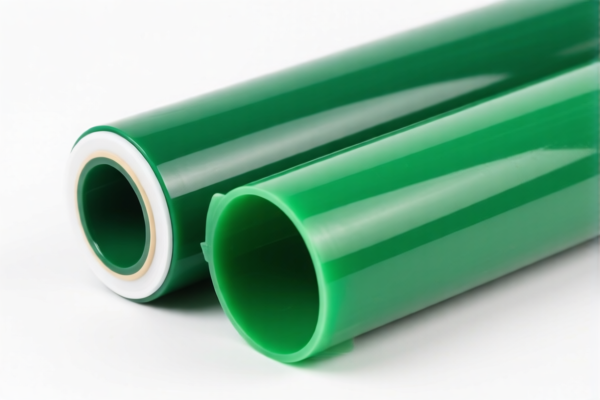
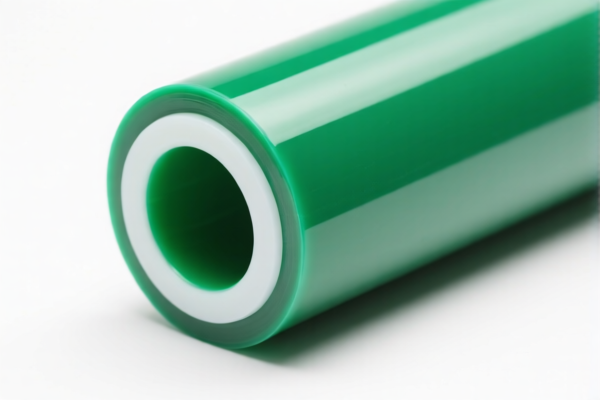


AI Analysis
🧪 Vacuum Copolymer Adhesive Resin
🌐 HS Code Reference & Clearance Guide | 2026 Tariff Analysis | Professional Compliance Strategy
📌 I. Product Definition & Classification: What is "Vacuum Copolymer Adhesive Resin"?
Vacuum Copolymer Adhesive Resin refers to primary shape polymer materials produced under vacuum conditions, typically used as high-performance adhesive binders. In international trade, these materials are primarily classified under Chapter 39 (Plastics and Articles Thereof), specifically focusing on copolymer resins and primary form polymers.
⚠️ Key Classification Distinction:
- If the resin is primarily acrylic-based, it falls under Acrylic Polymers (3907).
- If the resin is primarily ethylene-vinyl acetate (EVA) or ethylene-based, it falls under Ethylene Polymers (3901).
- Crucial Point: The specific chemical composition (Acrylic vs. Ethylene/EVA) dictates the HS Code, not just the "vacuum" or "adhesive" description. Misclassification here leads to massive tariff discrepancies.
📦 II. HS Code Classification Details (2026 Latest Tariff Authority)
Based on the provided data, there are three potential classifications depending on the exact chemical nature of the "Vacuum Copolymer Adhesive Resin."
| HS Code | Product Description | Material Attribute | Application Context |
|---|---|---|---|
3907.61.00.10 |
Acrylic Copolymer Resins (Primary Form) | Vacuum copolymer binder resin classified as Acrylic Polymers. | General industrial adhesives, high-bond acrylic applications. |
3901.30.60.00 |
Ethylene-Vinyl Acetate (EVA) Copolymers | EVA Copolymers, high material attribute consistency for medical vacuum resins. | Medical-grade adhesives, flexible packaging, specialized bonding. |
3901.90.90.00 |
Other Ethylene Polymers | Ethylene Polymers, considered a primary form polymer raw material. | General ethylene-based copolymers not elsewhere specified. |
🔍 Critical Clarification:
-3907.61.00.10: Applies if the resin is Acrylic-based. The summary explicitly states it is "classified as acrylic polymer."
-3901.30.60.00: Applies if the resin is EVA (Ethylene-Vinyl Acetate). The summary highlights "medical vacuum copolymer resin" with high consistency to EVA.
-3901.90.90.00: A broader category for Ethylene Polymers if the specific EVA subheading does not apply, categorized as a primary form polymer.
💰 III. 2026 Latest Tariff Rate Breakdown (Including Surcharges & Policy Add-ons)
✅ Applicable Country: United States (US)
✅ Country of Origin: China (CN)
✅ Effective Time: Current applicable rates include Section 301 and IEEPA surcharges.
🎯 1. 3907.61.00.10 —— Acrylic Copolymer Resins (Primary Form)
| Item | Content |
|---|---|
| Base Duty Rate | 6.5% (Ad Valorem) |
| Section 301 Surcharge | +25.0% (Additional Tariff) |
| Section 122 Surcharge | +10.0% (Specific Trade Restriction) |
| Total Tax Rate | 41.5% |
| Tax Calculation | CIF Value × 41.5% |
| De Minimis Exemption | ❌ Not Eligible (High tariff threshold prevents $800 exemption) |
| Legal Basis Path | HTS:3907.61.00.10 → USITC:301_Section → IEEPA:122_Section |
📌 Explanation:
- Base 6.5%: Standard MFN duty for acrylic polymers.
- 25% Surcharge: Standard US-China Section 301 tariff on chemical intermediates/polymers.
- 10% Surcharge: Additional Section 122 tariff (often related to national security or specific trade remedies).
- Total 41.5%: This is a high-cost classification. Importers must factor this into pricing.
🎯 2. 3901.30.60.00 —— Ethylene-Vinyl Acetate (EVA) Copolymers
| Item | Content |
|---|---|
| Base Duty Rate | 5.3% (Ad Valorem) |
| Section 301 Surcharge | +25.0% (Additional Tariff) |
| Section 122 Surcharge | +10.0% (Specific Trade Restriction) |
| Total Tax Rate | 40.3% |
| Tax Calculation | CIF Value × 40.3% |
| De Minimis Exemption | ❌ Not Eligible |
| Legal Basis Path | HTS:3901.30.60.00 → USITC:301_Section → IEEPA:122_Section |
📌 Explanation:
- Base 5.3%: Slightly lower base rate for EVA copolymers compared to acrylics.
- 25% Surcharge: Same Section 301 burden.
- 10% Surcharge: Same Section 122 burden.
- Total 40.3%: Slightly cheaper than Acrylics (by 1.2%), but still very high.
- Medical Note: The summary mentions "Medical Vacuum Copolymer," but note that medical use does NOT automatically exempt the base polymer from these tariffs unless it is a finished medical device with specific HTS exclusion (which raw resins usually lack).
🎯 3. 3901.90.90.00 —— Other Ethylene Polymers
| Item | Content |
|---|---|
| Base Duty Rate | 6.5% (Ad Valorem) |
| Section 301 Surcharge | +25.0% (Additional Tariff) |
| Section 122 Surcharge | +10.0% (Specific Trade Restriction) |
| Total Tax Rate | 41.5% |
| Tax Calculation | CIF Value × 41.5% |
| De Minimis Exemption | ❌ Not Eligible |
| Legal Basis Path | HTS:3901.90.90.00 → USITC:301_Section → IEEPA:122_Section |
📌 Explanation:
- Base 6.5%: Standard rate for other ethylene polymers.
- Total 41.5%: Identical total rate to Acrylics.
- Use Case: Use this only if the resin is ethylene-based but not EVA (which would be 3901.30).
🛠️ IV. Clearance Practical Advice (Avoid Pitfalls)
✅ 1. Documentation Checklist (Essential for Customs)
| Document | Required | Purpose |
|---|---|---|
| ✅ Certificate of Analysis (COA) | ✔️ Must | Must specify chemical composition (Acrylic vs. EVA vs. Other Ethylene). This is the #1 determinant for HS Code. |
| ✅ MSDS/SDS | ✔️ Must | Safety Data Sheet to confirm hazard class and chemical nature. |
| ✅ Commercial Invoice | ✔️ | Clearly state "Vacuum Copolymer Adhesive Resin" AND specify "Acrylic" or "EVA". |
| ✅ Packing List | ✔️ | Net/Gross weight, packaging type (drums, bags). |
| ✅ Bill of Lading | ✔️ | Standard shipping document. |
| ✅ Third-Party Lab Report | Optional | If customs challenges the chemical composition, a lab report from SGS, BV, or Intertek is critical. |
✅ 2. Declaration Strategy (Key Tips)
🔥 "Specify Chemistry, Not Just Function!"
| Scenario | Correct Declaration | Incorrect Declaration |
|---|---|---|
| Acrylic Resin | "Acrylic Vacuum Copolymer Resin, Primary Form, For Adhesive Use" | "Adhesive Glue" (Vague → Risk of misclassification) |
| EVA Resin | "Ethylene-Vinyl Acetate (EVA) Vacuum Copolymer Resin, Medical Grade" | "Medical Polymer" (Too vague → May fall under generic 3901.90) |
| Other Ethylene | "Other Ethylene Copolymer Resin, Primary Form" | "Plastic Resin" (Too broad → May be flagged for audit) |
📌 Warning:
- Do NOT simply declare "Adhesive Resin." Customs looks for the HTS Chapter 39 description.
- The term "Vacuum" describes the manufacturing process, not the material. It does not change the HS Code, but it must be accurate for quality control.
✅ 3. Special Case Handling
| Case | Advice |
|---|---|
| Is it for Medical Use? | ❌ No Exemption! Raw resins for medical devices are still subject to the same tariffs as industrial resins. Only finished medical devices might have different treatment. |
| OEM Custom Resin | Provide the Formulation Sheet to prove if it is EVA or Acrylic. |
| Mixtures | If it's a blend, the principal material determines the HS Code. Ensure the blend ratio is disclosed. |
🌍 V. Global Market Comparison (2026)
| Country/Region | Recommended HS Code | Base Tariff | US Surcharges (301+122) | Total Effective Rate (CN Origin) | Notes |
|---|---|---|---|---|---|
| 🇺🇸 USA | 3907.61.00.10 / 3901.30.60.00 |
5.3% - 6.5% | +35.0% (25% + 10%) | 40.3% - 41.5% | High Cost! |
| 🇨🇳 China | 3907.61.00 / 3901.30 |
~0-5% | N/A | ~0-5% | Exports to China are cheap, but this guide is for imports to US. |
| 🇪🇺 EU | 3907 / 3901 |
5.3% - 6.5% | N/A | ~5.3% - 6.5% | No Section 301/122 equivalents. Much cheaper than US. |
| 🇲🇽 Mexico | 3907 / 3901 |
0-5% | N/A (Under USMCA if qualified) | ~0-5% | Best Alternative! Consider sourcing from Mexico or Canada for USMCA benefits. |
📌 Strategic Insight:
- The US tariffs (40%+) are significantly higher than EU or Mexico.
- If you are importing into the US, consider if the resin can be shipped from a third country (if it undergoes substantial transformation) or if USMCA-eligible supply chains are available.
📌 VI. Common Errors & Pitfalls (Lessons Learned)
❌ Error 1: Declaring as "Adhesive" without specifying Polymer Type
👉 Consequence: Customs may assign a generic "Other Plastics" code with higher duties or request expensive lab testing.
❌ Error 2: Assuming "Medical" Status Exempts Tariffs
👉 Consequence: Raw materials are not exempt. You still pay 40%+. Only finished devices might have different HTS.
❌ Error 3: Ignoring Section 122 Tariff
👉 Consequence: Many importers only budget for Section 301 (25%). Missing the 10% Section 122 leads to budget shortfalls.
✅ Correct Approach:
"Vacuum-Cast EVA Copolymer Resin, Primary Form, Chemical Formula: C2H4/C4H8O, For Adhesive Manufacturing, HTS: 3901.30.60.00"
🎯 VII. Conclusion: Professional Declaration Saves Money!
🎯 Key Takeaway:
🔹 "Chemistry is King!" – Always identify if it's Acrylic (3907) or EVA/Ethylene (3901).
🔹 "Budget for 40%+" – US tariffs on these resins are brutal. Include 35% surcharge in your cost model.
🔹 "No Medical Exemption for Resins" – Raw material status means no duty relief.
📌 Pro Tip:
If your supply chain allows, consider substantial transformation in a USMCA country (Canada/Mexico) to potentially benefit from zero or low tariffs when entering the US. For China-origin goods, pre-classification rulings (Pre- rulings) are highly recommended to avoid surprise assessments.
📣 Immediate Action:
📞 Contact your Customs Broker with the Certificate of Analysis (COA).
📝 Verify the exact polymer type (Acrylic vs. EVA).
💰 Calculate landed cost using 41.5% (Acrylic) or 40.3% (EVA) tariffs.
✨ Smart Classification, Smarter Profits!
💼 Every percentage point of duty matters in the polymer trade.
Customer Reviews
About HS Code Classification
The Harmonized System (HS) is an internationally standardized nomenclature developed by the World Customs Organization (WCO) to classify traded products. Over 200 countries use the HS system as the basis for customs tariffs, trade statistics, and import/export regulations.
Each HS code follows a hierarchical structure:
- Chapter (2 digits) — Broad category of goods (e.g., Chapter 84: Machinery and Mechanical Appliances)
- Heading (4 digits) — More specific grouping within the chapter
- Subheading (6 digits) — Internationally standardized breakdown, used by all WCO member countries
- National subdivisions (8-10 digits) — Country-specific extensions for further classification, such as US HTSUS 10-digit codes
Correct HS code classification is essential for smooth customs clearance, accurate duty payment, and compliance with trade regulations. Misclassification can lead to customs delays, overpayment of duties, or penalties.
When importing from CN to US, the applicable tariff rates may include:
- Most-Favored-Nation (MFN) rate — The standard duty rate applied to WTO members
- General rate — Applied to countries without trade agreements
- Trade remedy duties — Additional tariffs such as Section 301 (anti-dumping), Section 232 (national security), or countervailing duties
The information provided on this page is for reference purposes only. For official classification, please consult with your local customs authority or a licensed customs broker.