Vacuum Machine
CN → US| HS Code | Tariff Rate | Origin | Destination | Doc |
|---|---|---|---|---|
| 8414100000 | 37.5% | CN | US | Official Doc |
| 8509801000 | 10.0% | CN | US | Official Doc |
| 8509805095 | 14.2% | CN | US | Official Doc |
| 8421290065 | 35.0% | CN | US | Official Doc |
Product Images
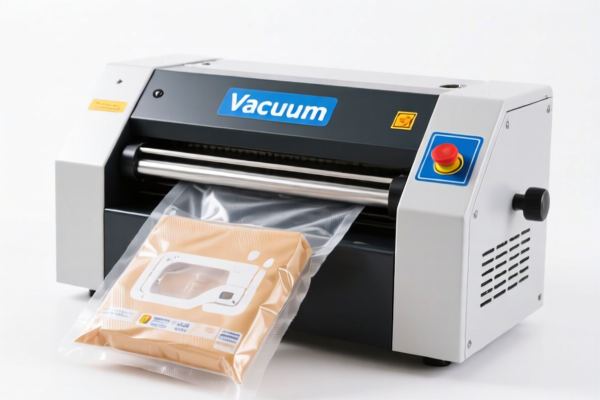
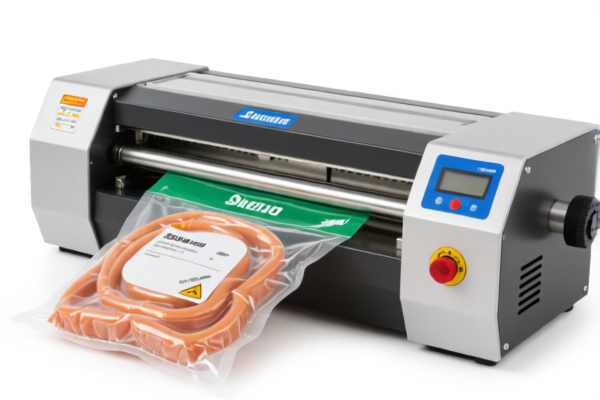
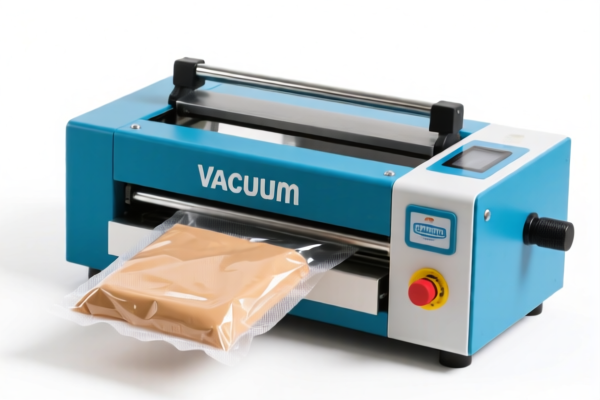
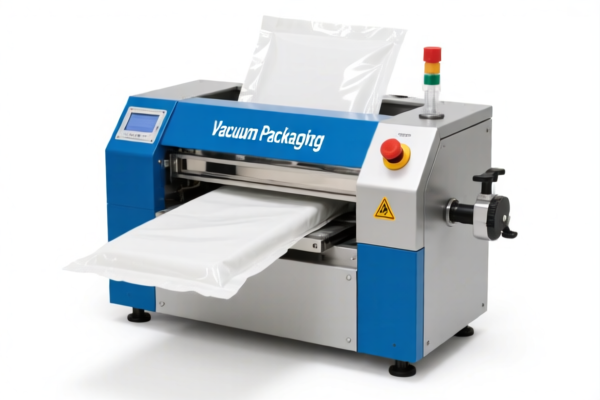
AI Analysis
🌀 Vacuum Machine (Industrial & Home Use)
🌐 HS Code Reference & Customs Clearance Guide | 2026 Latest Tariff Analysis | Professional通关 Strategy
📌 I. Product Definition & Classification: What Exactly Is a "Vacuum Machine"?
In international trade, "Vacuum Machine" is a broad term that covers everything from industrial vacuum pumps to home vacuum sealers and vacuum packaging bags. The key to correct classification lies in its primary function, structure, and intended use.
⚠️ Critical Distinction:
- If it is a pump that creates a vacuum by moving gas (e.g., roots pump, rotary vane pump) → Chapter 84.
- If it is a home appliance that seals bags using a motor-driven chamber (e.g., FoodSaver style) → Chapter 85.
- If it is a packaging material (the bag itself) → Chapter 39.
📦 II. HS Code Classification Details (2026 Latest Tariff Authority Comparison)
| HS Code | Product Description | Application Scenario | Function/Structure |
|---|---|---|---|
8414.10.00.00 |
Vacuum Pumps (General Industrial) | Industrial machinery, manufacturing lines | Mechanical pumping device, moves gas/vacuum |
8509.80.10.00 |
Electrically Driven Mechanical Appliances (Industrial/Heavy Home) | Large-scale vacuum formers, industrial vacuum tables | Motor-driven, but not strictly "household" |
8509.80.50.95 |
Other Appliances with Self-Contained Electric Motor (Household) | Home vacuum sealers, food savers | Household appliance, motor integrated, seals bags |
8421.29.00.65 |
Machinery for Filtering or Purifying Gases/Liquids | Vacuum drying, vacuum filtration systems | Fluid/gas processing equipment |
3923.21.00.11 |
Vacuum Packaging Bags (Polyethylene) | Packaging material, NOT the machine | Plastic bags for vacuum sealing |
🔍 Key Reminder:
- Do NOT confuse the "Machine" with the "Bag"!
- If you import only the bags, use 3923.21.00.11.
- If you import the sealing machine, determine if it’s Industrial (8414/8421/8509.10) or Household (8509.80.50.95).
💰 III. 2026 Latest Tariff Rate Breakdown (Including Surcharges & Policy Add-ons)
✅ Applicable Country: United States (US)
✅ Origin: China (CN)
✅ Effective Date: From November 10, 2025 (including subsequent imports)
🎯 1. 8414.10.00.00 —— Vacuum Pumps (Industrial Grade)
| Item | Content |
|---|---|
| Base Tariff | 2.5% |
| Section 301 Surcharge | +25.0% |
| Section 122 Surcharge | +10.0% |
| Total Tariff Rate | 37.5% |
| Calculation | CIF Value × 37.5% |
| De Minimis Exemption | ❌ Not Eligible |
| Legal Basis | USITC:8414.10.00.00 + Section 301 + Section 122 |
📌 Explanation:
- Base 2.5%: Standard duty for vacuum pumps.
- Section 301 (25%): Additional tariff on Chinese-made industrial machinery under trade remedies.
- Section 122 (10%): Additional tariff on imports that threaten U.S. national security.
- Total: 37.5% is a high barrier. Ensure the product is genuinely an "industrial vacuum pump" and not a household appliance misclassified.
🎯 2. 8509.80.10.00 —— Electrically Driven Mechanical Appliances (Non-Household/Industrial Use)
| Item | Content |
|---|---|
| Base Tariff | 0.0% |
| Section 301 Surcharge | 0.0% |
| Section 122 Surcharge | +10.0% |
| Total Tariff Rate | 10.0% |
| Calculation | CIF Value × 10.0% |
| De Minimis Exemption | ❌ Not Eligible |
| Legal Basis | USITC:8509.80.10.00 + Section 122 |
📌 Note:
- This code applies to motor-driven mechanical appliances that are not primarily for household use (e.g., large vacuum tables, industrial sealing units).
- Lowest Tariff Option among machines! Ideal for large-scale industrial vacuum equipment that doesn't fit "pump" or "household appliance" definitions.
🎯 3. 8509.80.50.95 —— Other Household Appliances with Self-Contained Electric Motor
| Item | Content |
|---|---|
| Base Tariff | 4.2% |
| Section 301 Surcharge | 0.0% |
| Section 122 Surcharge | +10.0% |
| Total Tariff Rate | 14.2% |
| Calculation | CIF Value × 14.2% |
| De Minimis Exemption | ❌ Not Eligible |
| Legal Basis | USITC:8509.80.50.95 + Section 122 |
📌 Note:
- This is the standard code for Home Vacuum Sealers (e.g., FoodSaver, T-fal).
- 14.2% is moderate. No Section 301 (25%) applies, which saves significant cost compared to industrial pumps.
- Crucial: Must be proven as a household appliance. If used in a restaurant kitchen, it may still qualify, but industrial factories cannot use this.
🎯 4. 8421.29.00.65 —— Machinery for Filtering or Purifying Gases or Liquids
| Item | Content |
|---|---|
| Base Tariff | 0.0% |
| Section 301 Surcharge | +25.0% |
| Section 122 Surcharge | +10.0% |
| Total Tariff Rate | 35.0% |
| Calculation | CIF Value × 35.0% |
| De Minimis Exemption | ❌ Not Eligible |
| Legal Basis | USITC:8421.29.00.65 + Section 301 + Section 122 |
📌 Note:
- This code is for vacuum filtration/drying equipment (e.g., vacuum ovens, vacuum filters).
- High Tariff (35%): Similar to industrial pumps. Only use if the primary function is filtration/purification, not just creating a vacuum.
🎯 5. 3923.21.00.11 —— Vacuum Packaging Bags (Polyethylene)
| Item | Content |
|---|---|
| Base Tariff | 3.0% |
| Section 301 Surcharge | +25.0% |
| Section 122 Surcharge | +10.0% |
| Total Tariff Rate | 38.0% |
| Calculation | CIF Value × 38.0% |
| De Minimis Exemption | ❌ Not Eligible |
| Legal Basis | USITC:3923.21.00.11 + Section 301 + Section 122 |
📌 Note:
- This is for the bags ONLY, not the machine.
- Highest Tariff (38%): Plastic packaging from China faces heavy surcharges.
- Strategy: If importing bags, consider sourcing from Vietnam or Thailand for tariff exemption.
🛠️ IV. Customs Clearance Practical Advice (Battle-Tested Pitfall Guide)
✅ 1. Required Documents Checklist (Non-Negotiable)
| Document | Mandatory | Description |
|---|---|---|
| ✅ Product Specification Sheet | ✔️ | Must clearly state: Intended Use (Household vs. Industrial), Voltage, Motor Power, Function (Sealing vs. Pumping) |
| ✅ Circuit Diagram/Structure Photo | ✔️ | To prove if it contains a motor and heating element (for sealers) |
| ✅ Product Photos (Clear Labels) | ✔️ | Show model number, brand, input/output specs |
| ✅ Commercial Invoice | ✔️ | Must use precise HS Code description, NOT generic "Vacuum Machine" |
| ✅ Packing List | ✔️ | Separate Machine and Bags if shipped together. Do not combine! |
| ✅ Certificate of Origin (CO) | ✔️ | If non-China origin, claim preferential rates |
✅ 2. Declaration Strategy (Key Mantra)
🔥 "Household Sealers are 8509, Industrial Pumps are 8414, Bags are 3923. Don't Mix!"
| Scenario | Correct Declaration | Wrong Practice |
|---|---|---|
| Home Vacuum Sealer (e.g., FoodSaver) | 8509.80.50.95 (14.2%) |
Misdeclare as "Pump" → 37.5% |
| Industrial Vacuum Pump (Roots/Rotary Vane) | 8414.10.00.00 (37.5%) |
Misdeclare as "Appliance" → Risk of penalty |
| Vacuum Drying Oven/Filtration Unit | 8421.29.00.65 (35.0%) |
Misdeclare as "Sealer" → 14.2% (underpayment risk) |
| Vacuum Bags Only | 3923.21.00.11 (38.0%) |
Include in machine HS → Customs will split and penalize |
| Large Industrial Vacuum Table | 8509.80.10.00 (10.0%) |
Misdeclare as "Household" → Customs will reclassify to 8414/8421 |
✅ 3. Special Cases & Handling
| Case | Handling Advice |
|---|---|
| Restaurant Vacuum Sealer | Use 8509.80.50.95 (14.2%). Courts have ruled that commercial kitchen appliances are still "household-type" if not specialized industrial machinery. |
| Vacuum Machine + Bags Combo | Separate Line Items! Declare machine under 8509/8414, bags under 3923. Never combine into one HS code. |
| OEM Custom Machine | Provide design drawings. If it has a heating bar for sealing, it’s 8509. If it only pumps air, it’s 8414. |
| Vacuum Forming Machine | Often classified under 8477 (Machinery for working plastics). If not in data, use 8509.80.10.00 (10.0%) as a fallback for motor-driven mechanical appliances. |
🌍 V. Global Market Comparison (2026 Latest)
| Country/Region | Recommended HS Code | Tariff Rate | Certification | Notes |
|---|---|---|---|---|
| 🇺🇸 USA | 8509.80.50.95 |
14.2% | FCC, UL, FDA (if food contact) | Best for Home Sealers. Avoid 8414 (37.5%) if possible. |
| 🇨🇳 China | 8509.80.50.95 |
~10-15% | CCC, RoHS | No Section 301/122. Lower base duty. |
| 🇪🇺 EU | 8509.80.50.95 |
0-12% | CE, RoHS, WEEE | No Section 122/301. VAT applies. |
| 🇦🇺 Australia | 8509.80.50.95 |
5% | RCM | Low tariff. Easy clearance. |
| 🇯🇵 Japan | 8509.80.50.95 |
0-5% | PSE | Low tariff. High safety standards. |
📌 Conclusion:
- USA is the most expensive market for vacuum machines due to Section 301 & 122.
- Home Sealers (8509.80.50.95) are the most tax-efficient machine category (14.2%).
- Industrial Pumps (8414.10.00.00) are high cost (37.5%).
- Bags (3923.21.00.11) are very expensive (38.0%). Consider sourcing bags from Southeast Asia.
📌 VI. Common Mistakes & Pitfalls (Blood-Sweet Lessons)
❌ Mistake 1: Declaring a Vacuum Sealer as 8414.10.00.00 (Vacuum Pump)
👉 Consequence: 37.5% Tariff instead of 14.2%. Overpayment of 23.3%!
👉 Why? Sealers have heating elements and are for sealing, not just pumping.
❌ Mistake 2: Declaring Industrial Pumps as 8509.80.50.95 (Household Appliance)
👉 Consequence: Customs Rejection & Penalty. Industrial pumps are NOT household appliances.
👉 Risk: 37.5% retroactive duty + fines.
❌ Mistake 3: Combining Machine + Bags into one HS Code
👉 Consequence: Complex Customs Inspection. Likely to be split, leading to delays.
👉 Rule: Separate line items in invoice and packing list.
✅ Correct Practice:
"Electric Vacuum Sealer, Model XYZ, 110V, with Heating Element, for Home Food Preservation, FCC Certified" →
8509.80.50.95
"Industrial Rotary Vane Vacuum Pump, 220V, for Manufacturing, No Heating Element" →8414.10.00.00
🎯 VII. Conclusion: Precise Classification Saves Money!
🎯 Remember the Mantra:
🔹 "Sealer = 8509 (14.2%), Pump = 8414 (37.5%), Bags = 3923 (38.0%)"
🔹 "Heating Bar = Household, No Heating = Industrial"
🔹 "Don't Mix Bags with Machines!"
📌 Pro Tip:
If your vacuum machine is exported from Vietnam/Mexico, you may qualify for IEEPA Exemption (0-5% tariff).
Consider Advance Ruling from US CBP for large shipments to avoid clearance delays.
📣 Immediate Action:
📞 Consult a Professional Customs Broker
📸 Provide Clear Product Photos & Specs
🚀 Accurate Classification = Lower Tariff = Higher Profit!
✨ Professional Clearance Starts with Accurate Classification!
💼 Your Every Dollar Should Be Precisely Calculated!
Customer Reviews
About HS Code Classification
The Harmonized System (HS) is an internationally standardized nomenclature developed by the World Customs Organization (WCO) to classify traded products. Over 200 countries use the HS system as the basis for customs tariffs, trade statistics, and import/export regulations.
Each HS code follows a hierarchical structure:
- Chapter (2 digits) — Broad category of goods (e.g., Chapter 84: Machinery and Mechanical Appliances)
- Heading (4 digits) — More specific grouping within the chapter
- Subheading (6 digits) — Internationally standardized breakdown, used by all WCO member countries
- National subdivisions (8-10 digits) — Country-specific extensions for further classification, such as US HTSUS 10-digit codes
Correct HS code classification is essential for smooth customs clearance, accurate duty payment, and compliance with trade regulations. Misclassification can lead to customs delays, overpayment of duties, or penalties.
When importing from CN to US, the applicable tariff rates may include:
- Most-Favored-Nation (MFN) rate — The standard duty rate applied to WTO members
- General rate — Applied to countries without trade agreements
- Trade remedy duties — Additional tariffs such as Section 301 (anti-dumping), Section 232 (national security), or countervailing duties
The information provided on this page is for reference purposes only. For official classification, please consult with your local customs authority or a licensed customs broker.