Valve
CN → US| HS Code | Tariff Rate | Origin | Destination | Doc |
|---|---|---|---|---|
| 7326908688 | 87.9% | CN | US | Official Doc |
| 7326190080 | 87.9% | CN | US | Official Doc |
| 8487900080 | 88.9% | CN | US | Official Doc |
| 8487900040 | 38.9% | CN | US | Official Doc |
| 8481909060 | 85.0% | CN | US | Official Doc |
| 8481909085 | 85.0% | CN | US | Official Doc |
Product Images
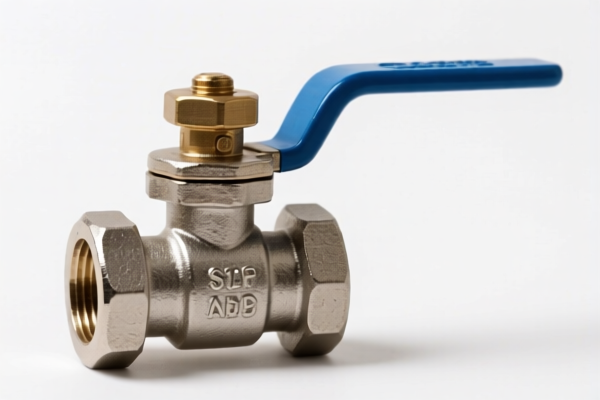
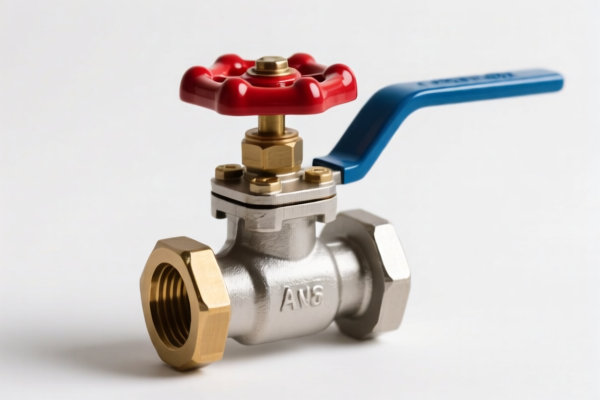
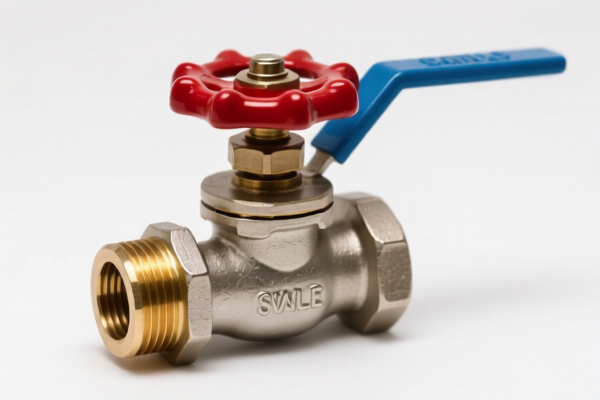
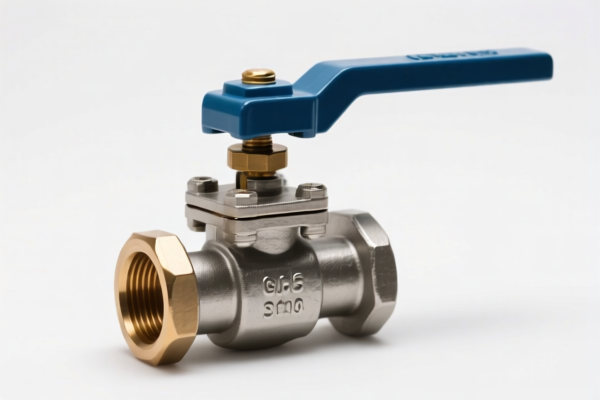
AI Analysis
🚰 Valve Accessories (Valve Parts)
🌐 HS Code Reference & Customs Clearance Guide | 2026 Latest Tariff Analysis | Professional Customs Strategy
📌 I. Product Definition & Classification: Are You Clear on "Valve Accessories"?
Valve accessories, often referred to as "valve parts," are critical components used in industrial, commercial, and residential fluid control systems. In international trade, these are generally categorized based on their material composition (iron/steel vs. mechanical/other) and their functional role as spare parts or attachments.
Because "Valve Accessories" is a broad term, the HS Code classification depends heavily on material (e.g., iron/steel vs. other materials) and specific function. Below are the most likely classifications based on common scenarios.
⚠️ Key Distinction:
- If the part is made of Iron/Steel (e.g., flanges, bolts, housings) → Often falls under Chapter 73 or specific valve subheadings.
- If the part is a Mechanical Component/General Spare Part (non-electrical) → Often falls under Chapter 84.
- If it is a Specific Valve Part (intended for use with valves) → Often falls under HS 8481.90.
📦 II. HS Code Classification Details (2026 Latest Tariff Authority Comparison)
| HS Code | Product Description | Material/Type | Logic/Summary |
|---|---|---|---|
7326.90.86.88 |
Other articles of iron or steel | Iron/Steel | "Catch-all" for other iron/steel articles. Valve accessories fit as spare parts made of metal. |
7326.19.00.80 |
Other articles of iron or steel | Iron/Steel | "Spare parts category" logic. Typically metallic materials for valve components. |
8487.90.00.80 |
Parts of machinery not specified elsewhere | Mechanical/Non-electric | Fits "general mechanical parts" usage. Inferred as metallic or non-electric material. |
8487.90.00.40 |
Parts of machinery not specified elsewhere | Mechanical/Non-electric | Consistent with "general mechanical parts." No obvious material conflict. |
8481.90.90.60 |
Parts suitable for use solely or principally with taps, cocks, valves | Valve Parts | "Valve parts" category. No conflict with valve body usage. |
8481.90.90.85 |
Other parts of taps, cocks, and valves | Valve Parts | "Other valve parts." No obvious material or morphological conflicts. |
🔍 Critical Reminder:
- Iron/Steel Parts (e.g., body, bonnet, flanges) are often classified under 7326 if they don't fit other specific mechanical headings.
- Specific Valve Parts (e.g., stems, seals, actuators) are best classified under 8481.90.
- General Mechanical Parts (e.g., gears, shafts used in valves) may fall under 8487.90.
💰 III. 2026 Latest Tariff Rate Breakdown (Including Additional Taxes, Policy Surcharges)
✅ Applicable Country: United States (US)
✅ Country of Origin: China (CN)
✅ Effective Date: From November 10, 2025 (including subsequent imports)
🎯 1. Iron/Steel Based Accessories (7326 Series)
A. 7326.90.86.88 – Other Articles of Iron or Steel
| Item | Content |
|---|---|
| Base Duty Rate | 2.9% |
| Section 301 Additional Duty | +25.0% |
| 122 Clause Tariff (Steel/Aluminum/Copper) | +50.0% |
| Total Tax Rate | 87.9% |
| Tax Calculation | CIF Value × 87.9% |
| De Minimis Exemption | ❌ Not Eligible (deny_de_minimis) |
| Legal Basis Path | Base: 7326.90.86.88 → 301: 25% → 122 Clause: 50% (Steel) |
📌 Explanation:
- Base Duty (2.9%): Standard USITC rate for other iron/steel articles.
- Section 301 (25%): Standard additional tariff for Chinese goods.
- 122 Clause (50%): This is the critical factor. If the valve accessory is classified as "steel, aluminum, or copper products" under Section 122, an additional 50% is applied.
- Total: 87.9%. This is an extremely high tariff for steel-based valve parts.
B. 7326.19.00.80 – Other Articles of Iron or Steel
| Item | Content |
|---|---|
| Base Duty Rate | 2.9% |
| Section 301 Additional Duty | +25.0% |
| 122 Clause Tariff (Steel/Aluminum/Copper) | +50.0% |
| Total Tax Rate | 87.9% |
| Tax Calculation | CIF Value × 87.9% |
| De Minimis Exemption | ❌ Not Eligible |
| Legal Basis Path | Base: 7326.19.00.80 → 301: 25% → 122 Clause: 50% |
📌 Note:
- Same as above. Steel-based valve parts incur the 50% 122 Clause surcharge, leading to a total of 87.9%.
🎯 2. Mechanical Parts (8487 Series)
A. 8487.90.00.80 – Parts of Machinery Not Specified Elsewhere
| Item | Content |
|---|---|
| Base Duty Rate | 3.9% |
| Section 301 Additional Duty | +25.0% |
| 122 Clause Tariff (Steel/Aluminum/Copper) | +50.0% |
| Total Tax Rate | 88.9% |
| Tax Calculation | CIF Value × 88.9% |
| De Minimis Exemption | ❌ Not Eligible |
| Legal Basis Path | Base: 8487.90.00.80 → 301: 25% → 122 Clause: 50% |
📌 Explanation:
- If classified as a general mechanical part made of steel, it falls under the 122 Clause surcharge.
- Total: 88.9%. This is the highest possible tariff in this dataset.
B. 8487.90.00.40 – Parts of Machinery Not Specified Elsewhere
| Item | Content |
|---|---|
| Base Duty Rate | 3.9% |
| Section 301 Additional Duty | +25.0% |
| 122 Clause Tariff (Steel/Aluminum/Copper) | ❌ Not Applicable |
| Total Tax Rate | 38.9% |
| Tax Calculation | CIF Value × 38.9% |
| De Minimis Exemption | ❌ Not Eligible |
| Legal Basis Path | Base: 8487.90.00.40 → 301: 25% |
📌 Note:
- This classification avoids the 50% 122 Clause surcharge.
- Total: 38.9%. This is a significant cost saving compared to the 88.9% rate.
- Strategy: Try to justify classification under this subheading if the part is not strictly "steel/copper/aluminum" or if it qualifies as a general mechanical part without triggering the 122 Clause.
🎯 3. Specific Valve Parts (8481 Series)
A. 8481.90.90.60 – Parts of Taps, Cocks, Valves
| Item | Content |
|---|---|
| Base Duty Rate | 0.0% |
| Section 301 Additional Duty | +25.0% |
| 122 Clause Tariff (Steel/Aluminum/Copper) | +50.0% |
| Total Tax Rate | 85.0% |
| Tax Calculation | CIF Value × 85.0% |
| De Minimis Exemption | ❌ Not Eligible |
| Legal Basis Path | Base: 8481.90.90.60 → 301: 25% → 122 Clause: 50% |
📌 Explanation:
- Base Duty is 0%, which is excellent.
- However, if the part is made of steel, the 122 Clause 50% applies.
- Total: 85.0%. High due to steel material surcharge.
B. 8481.90.90.85 – Other Parts of Taps, Cocks, Valves
| Item | Content |
|---|---|
| Base Duty Rate | 0.0% |
| Section 301 Additional Duty | +25.0% |
| 122 Clause Tariff (Steel/Aluminum/Copper) | +50.0% |
| Total Tax Rate | 85.0% |
| Tax Calculation | CIF Value × 85.0% |
| De Minimis Exemption | ❌ Not Eligible |
| Legal Basis Path | Base: 8481.90.90.85 → 301: 25% → 122 Clause: 50% |
📌 Note:
- Same as above. Steel-based valve parts incur the 50% surcharge.
- Total: 85.0%.
🛠️ IV. Customs Clearance Practical Advice (Real-World Pitfall Avoidance)
✅ 1. Preparation Checklist (All Must-Provide)
| Document | Required | Description |
|---|---|---|
| ✅ Product Specifications | ✔️ | Material (Steel/Stainless/Brass), Dimensions, Pressure Rating, Temperature Range |
| ✅ Material Certificate | ✔️ | Critical for proving if "122 Clause" applies (e.g., Stainless Steel vs. Carbon Steel) |
| ✅ Product Photos (with Nameplate) | ✔️ | Show part number, material grade, and function |
| ✅ Commercial Invoice | ✔️ | Clearly state "Valve Accessory" or "Part for Valve" |
| ✅ Packing List | ✔️ | Detail weight, dimensions, and contents |
| ✅ Third-Party Test Report | ✔️ | If applicable (e.g., material composition analysis) |
✅ 2. Declaration Tips (Key Mantra)
🔥 "Material Matters, 122 Clause is Key!"
| Scenario | Correct Declaration | Wrong Practice |
|---|---|---|
| Steel Valve Part | Declare under 8481.90 or 7326 with full material info |
Misdeclare as "Plastic" to avoid 122 Clause → Fraud/Fine |
| Stainless Steel Part | Still subject to 122 Clause if classified as steel product | Assume "Stainless" means exemption → Still 50% surcharge |
| Non-Steel Part (e.g., Plastic/Ceramic) | Declare under 8487.90.00.40 or relevant non-metal heading |
Overpay with 87.9% tax |
| General Mechanical Part | Use 8487.90.00.40 to avoid 122 Clause |
Use 7326 → 38.9% vs 88.9% |
✅ 3. Special Cases Handling
| Scenario | Handling Advice |
|---|---|
| OEM Valve Parts | Provide OEM contract and design drawings. Avoid "generic" descriptions. |
| Mixed Materials (e.g., Steel Body + Rubber Seal) | Declare main material (Steel) → Likely subject to 122 Clause. |
| High-Alloy/Tool Steel | May fall under specific steel headings. Check if 122 Clause still applies. |
| Non-Chinese Origin | If parts are made in Vietnam/Mexico, may qualify for IEEPA Exemption or lower tariffs. |
🌍 V. Global Market Clearance Comparison (2026 Latest)
| Country/Region | Recommended HS Code | Tariff (China Origin) | Certification | Notes |
|---|---|---|---|---|
| 🇺🇸 USA | 8481.90.90.60 / 7326.90 |
38.9% - 88.9% | No specific | 122 Clause is critical. Steel parts face ~85-88%. |
| 🇨🇳 China | 8481.90.90 |
~0-5% | CE (for export back) | Low import duty for domestic use. |
| 🇪🇺 EU | 8481.90.90 |
~3-4% | CE + REACH | No Section 301 or 122 Clause. |
| 🇬🇧 UK | 8481.90.90 |
~3-4% | UKCA | Similar to EU post-Brexit. |
| 🇯🇵 Japan | 8481.90.90 |
~0-2% | PSE (if electrical) | Low tariffs. |
📌 Conclusion:
- USA is the most expensive market for steel valve accessories due to Section 301 (25%) + 122 Clause (50%).
- EU/UK/Japan offer much lower tariff rates (~0-5%).
- Strategy: If exporting to the US, consider non-steel materials (plastic, ceramic, bronze) to avoid the 122 Clause, or verify if your specific steel product qualifies for exemption.
📌 VI. Common Errors & Pitfalls (Blood & Tears Lessons)
❌ Error 1: Declaring "Steel Valve Part" as "Plastic Valve Part"
👉 Consequence: Customs seizure, heavy fines, and blacklisting.
❌ Error 2: Ignoring the 122 Clause
👉 Consequence: Under-declaring tax by 50%. Result: Back taxes + Interest + Penalties.
❌ Error 3: Using vague terms like "Valve Part" without material specification
👉 Consequence: Customs may assume the highest duty rate or request additional documentation, causing delays.
❌ Error 4: Not separating "Steel" from "Non-Steel" parts in mixed shipments
👉 Consequence: High-duty parts contaminate low-duty parts. Total shipment may be taxed at the highest rate.
✅ Correct Approach:
"Valve Stem, Material: 316 Stainless Steel, Dimension: 10mm, For Industrial Valve, Model XYZ"
🎯 VII. Conclusion: Precise Classification Saves Millions!
🎯 Remember the Mantra:
🔹 "Steel is King, 122 is the Tax. 50% Off? Only if Non-Steel!"
🔹 "8481.90.40 is the Sweet Spot: 38.9% vs 88.9%."
📌 Pro Tip:
- If your valve accessories are not made of steel (e.g., plastic, ceramic, bronze, titanium), you may avoid the 50% 122 Clause.
- Consider Alternative Sourcing: Parts manufactured in Vietnam, Mexico, or Thailand may avoid US trade barriers.
- Apply for Advance Ruling from US Customs if your product is unique.
📣 Take Action Now:
📞 Contact a licensed customs broker + Provide material certificates + Apply for HS Code pre-ruling
🚀 Clear customs smoothly, save costs, and boost your profits!
✨ Professional clearance starts with precise classification!
💼 Every cent of your cost deserves precise calculation!
Customer Reviews
About HS Code Classification
The Harmonized System (HS) is an internationally standardized nomenclature developed by the World Customs Organization (WCO) to classify traded products. Over 200 countries use the HS system as the basis for customs tariffs, trade statistics, and import/export regulations.
Each HS code follows a hierarchical structure:
- Chapter (2 digits) — Broad category of goods (e.g., Chapter 84: Machinery and Mechanical Appliances)
- Heading (4 digits) — More specific grouping within the chapter
- Subheading (6 digits) — Internationally standardized breakdown, used by all WCO member countries
- National subdivisions (8-10 digits) — Country-specific extensions for further classification, such as US HTSUS 10-digit codes
Correct HS code classification is essential for smooth customs clearance, accurate duty payment, and compliance with trade regulations. Misclassification can lead to customs delays, overpayment of duties, or penalties.
When importing from CN to US, the applicable tariff rates may include:
- Most-Favored-Nation (MFN) rate — The standard duty rate applied to WTO members
- General rate — Applied to countries without trade agreements
- Trade remedy duties — Additional tariffs such as Section 301 (anti-dumping), Section 232 (national security), or countervailing duties
The information provided on this page is for reference purposes only. For official classification, please consult with your local customs authority or a licensed customs broker.