Valve Cover Gasket
CN → US| HS Code | Tariff Rate | Origin | Destination | Doc |
|---|---|---|---|---|
| 8409915085 | 37.5% | CN | US | Official Doc |
| 8409919990 | 37.5% | CN | US | Official Doc |
| 8708295160 | 0.0% | CN | US | Official Doc |
| 8708295110 | 0.0% | CN | US | Official Doc |
| 8708295110 | 0.0% | CN | US | Official Doc |
Product Images
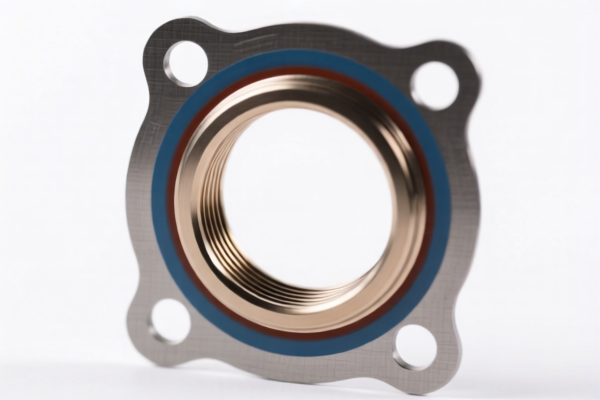
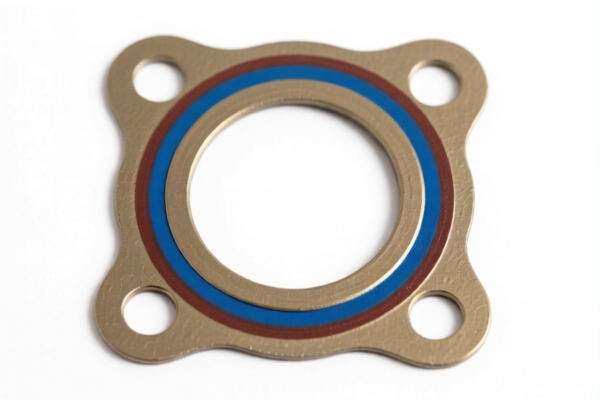
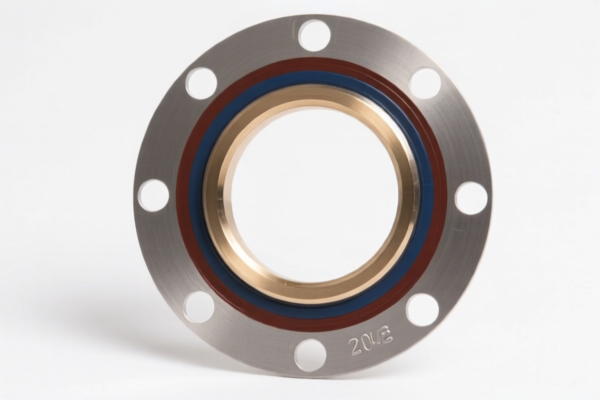
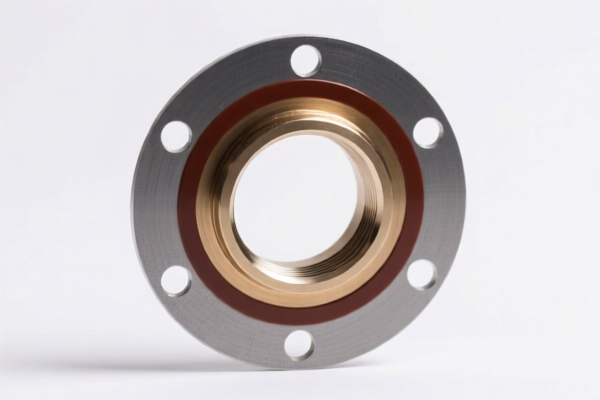
AI Analysis
🛠️ Valve Cover Gasket (Engine Components)
🌐 HS Code Reference & Customs Clearance Guide | 2026 Latest Tariff Analysis | Professional Clearance Strategy
📌 I. Product Definition & Classification: What Exactly is a "Valve Cover Gasket"?
The Valve Cover Gasket is a critical sealing component in internal combustion engines, designed to prevent oil leaks between the valve cover and the cylinder head. In international trade, it is classified under Engine Parts.
Depending on the specific material composition, manufacturing process, and the end-use engine type (Spark Ignition vs. General Vehicle), it may fall into different HS Code categories with vastly different tax implications.
⚠️ Key Distinction:
- If classified as a generic engine part for spark-ignition engines (often interpreted broadly or if material isn't explicitly segregated) → 8409.91
- If classified strictly as a vehicle-specific part (87xx series) with Steel/Aluminum/Copper content → 8708.29 (Subject to higher metal tariffs)
- If classified as a vehicle-specific part but non-metallic/composite or specific casting type → 8708.29 (Lower metal tariff)
📦 II. HS Code Classification Details (2026 Latest Tariff Authority Comparison)
| HS Code | Product Description | Application Scenario | Tax Rate Profile |
|---|---|---|---|
8409.91.50.85 |
Valve Cover Gasket (Engine Part) | Metal or composite material; general engine part classification | 37.5% |
8409.91.99.90 |
Other Parts for Spark-Ignition Engines | No obvious material conflict; generic "other parts" category | 37.5% |
8708.29.51.60 |
Other Parts of Bodies (Steel/Aluminum/Copper) | Vehicle engine parts; metal materials (Steel, Aluminum, Copper) | 87.5% (High Metal Tariff) |
8708.29.51.10 |
Other Parts of Bodies (Composite/Other) | Vehicle engine parts; stamped/cast metal/composite; non-high-metal tariff | 37.5% |
8708.29.51.10 |
Other Parts of Bodies (Mechanical Structure) | Mechanical structure; inferred metallic material; stamped parts attribute | 37.5% |
🔍 Critical Reminder:
- 8409.91 codes generally apply to engine parts for spark-ignition internal combustion engines. - 8708.29 codes apply to parts of motor vehicles. The key differentiator is often the material (Steel/Aluminum/Copper vs. Others) and the specific classification logic (Engine Part vs. Body Part). - Tariff Shock:8708.29.51.60carries a 50% additional tariff for Steel/Aluminum/Copper products, bringing the total to 87.5%. This is significantly higher than the 37.5% rate applied to other classifications.
💰 III. 2026 Latest Tariff Rate Breakdown (Including Surcharges & Policy Add-ons)
✅ Applicable Country: United States (US)
✅ Origin: China (CN)
✅ Effective Time: From November 10, 2025 (and subsequent imports)
🎯 1. 8409.91.50.85 & 8409.91.99.90 —— Engine Parts (Spark-Ignition)
| Item | Content |
|---|---|
| Base Duty Rate | 2.5% (ad valorem) |
| Section 301 Surcharge | +25.0% |
| Section 122 Tariff | +10.0% |
| Total Rate | 37.5% |
| Tax Calculation | CIF Value × 37.5% |
| De Minimis Eligibility | ❌ Not Eligible (Denied) |
| Legal Basis Path | Base 2.5% → 301 25% → 122 10% |
📌 Explanation:
- Base Duty (2.5%): Standard tariff for engine parts under Chapter 84. - Section 301 (25%): Additional tariff on Chinese goods under US Trade Law Section 301. - Section 122 (10%): Specific additional tariff applicable to certain Chinese imports. - Total: 37.5%. This is a high but manageable rate for engine components.
🎯 2. 8708.29.51.60 —— Vehicle Parts (Steel/Aluminum/Copper Content)
| Item | Content |
|---|---|
| Base Duty Rate | 2.5% |
| Section 301 Surcharge | +25.0% |
| Section 122 Tariff | +10.0% |
| Metal Surcharge | +50.0% (Specific to Steel, Aluminum, Copper products) |
| Total Rate | 87.5% |
| Tax Calculation | CIF Value × 87.5% |
| De Minimis Eligibility | ❌ Not Eligible |
| Legal Basis Path | Base 2.5% → 301 25% → 122 10% → Metal 50% |
📌 Warning:
- This HS Code applies if the gasket is classified as a vehicle part AND contains Steel, Aluminum, or Copper. - The 50% metal surcharge is devastating. Total tax hits 87.5%. - Do not misclassify a metallic valve cover gasket here if a 37.5% option exists through proper engineering documentation or alternative classification (e.g., 8409.91).
🎯 3. 8708.29.51.10 —— Vehicle Parts (Composite/Other Materials)
| Item | Content |
|---|---|
| Base Duty Rate | 2.5% |
| Section 301 Surcharge | +25.0% |
| Section 122 Tariff | +10.0% |
| Metal Surcharge | None (or lower/not applicable as per this specific subheading interpretation) |
| Total Rate | 37.5% |
| Tax Calculation | CIF Value × 37.5% |
| De Minimis Eligibility | ❌ Not Eligible |
| Legal Basis Path | Base 2.5% → 301 25% → 122 10% |
📌 Note:
- This code is used for vehicle engine parts that do not trigger the 50% metal surcharge (e.g., composite materials, or specific stamped/cast items not classified under the high-metal subheading). - It can also apply to mechanical structure components inferred as metallic but classified under this specific non-surcharge path. - Same rate as 8409.91 (37.5%), but different legal basis.
🛠️ IV. Customs Clearance Practical Advice (Avoiding Pitfalls)
✅ 1. Documentation Checklist (Non-Negotiable)
| Document | Required | Explanation |
|---|---|---|
| ✅ Product Specification Sheet | ✔️ | Must detail: Material (Composite, Steel, Aluminum, Rubber, etc.), Dimensions, Engine Type (Spark-Ignition). |
| ✅ Material Composition Report | ✔️ | Critical for distinguishing between 8708.29.51.60 (Metal + 50%) and 8708.29.51.10 (No Metal Surcharge). |
| ✅ Product Photos (With Labels) | ✔️ | Clear view of the gasket, part number, and any material markings. |
| ✅ Third-Party Test Report | ✔️ | If claiming composite material, provide material analysis to avoid "Steel/Aluminum" presumption. |
| ✅ Commercial Invoice | ✔️ | Must explicitly state: "Valve Cover Gasket for Engine" or "Part for Spark-Ignition Engine". |
| ✅ Packing List | ✔️ | Ensure no confusion with other vehicle parts that might attract different tariffs. |
✅ 2. Declaration Strategy (Key Mantra)
🔥 "Material Matters! Metal Means Surcharge!"
| Scenario | Correct Declaration | Wrong Practice |
|---|---|---|
| Composite/Non-Metal Gasket | HS 8708.29.51.10 or 8409.91 → 37.5% |
Misdeclare as Steel → 87.5% |
| Metal Gasket (Steel/Aluminum) | HS 8708.29.51.60 → 87.5% |
Try to hide material → Risk of audit & penalty |
| Generic Engine Part | HS 8409.91 → 37.5% |
Classify as Vehicle Part (87xx) without justification → Potential dispute |
| OEM Custom Gasket | Provide OEM drawings + Material cert. | Generic description "Gasket" → Delayed clearance |
✅ 3. Special Handling Cases
| Case | Recommendation |
|---|---|
| Mixed Material Gasket | If the gasket has a metal core and rubber seal, provide detailed material breakdown. Customs may still apply metal surcharge if the primary structural component is metal. |
| Spark-Ignition vs. Diesel | Ensure the engine type is specified. 8409.91 is specific to spark-ignition engines. If for diesel, a different HS code may apply (not in this dataset). |
| Pre-Cut vs. Custom | Pre-cut gaskets are more likely to be classified as standard parts. Custom-machined parts may be scrutinized more heavily. |
🌍 V. Global Market Comparison (2026 Update)
| Country/Region | Recommended HS Code | Tariff Rate | Certification Required | Notes |
|---|---|---|---|---|
| 🇺🇸 USA | 8409.91 or 8708.29.51.10 |
37.5% (if non-metal/high-metal misclassified) | N/A | AVOID 8708.29.51.60 if possible due to 87.5% rate. |
| 🇨🇳 China | 8409.91 or 8708.29 |
5% - 10% | CCC (if applicable) | Lower base rates; no US-style surcharges. |
| 🇪🇺 EU | 8409.91 |
~4% - 7% | CE/REACH | No additional 301/122 tariffs. |
| 🇨🇦 Canada | 8409.91 |
0% - 5% | N/A | FTA benefits may apply. |
| 🇲🇽 Mexico | 8409.91 |
0% - 5% | N/A | USMCA may apply for qualifying goods. |
📌 Conclusion:
- The US is the highest-cost market due to Section 301 and 122 tariffs. - Material Declaration is Critical: A $10 gasket can incur $3.75 or $8.75 in duties. Accurate material classification saves 50% in tax. - Strategy: If the gasket is composite, ensure documentation proves it to avoid the Steel/Aluminum/Copper surcharge.
📌 VI. Common Errors & Pitfalls (Lessons Learned)
❌ Error 1: Declaring a Steel/Aluminum Valve Cover Gasket under 8409.91 to avoid the 50% metal surcharge.
👉 Consequence: Customs audit → Reclassification to 8708.29.51.60 → Back taxes + Penalties.
❌ Error 2: Using generic term "Gasket" without material specification.
👉 Consequence: Customs may default to the highest applicable tariff (Steel/Aluminum) → 87.5%.
❌ Error 3: Confusing "Engine Part" (84xx) with "Vehicle Part" (87xx).
👉 Consequence: While both may be 37.5% in this dataset, the legal basis differs. Incorrect basis can lead to denial of preferential treatments or audits.
❌ Error 4: Assuming "Composite" means no metal.
👉 Consequence: If the composite contains metal reinforcements or is primarily metal-based, it may still be subject to metal surcharges.
✅ Correct Practice:
"Valve Cover Gasket, Material: Composite/Rubber, For Spark-Ignition Engine, Model XYZ, No Steel/Aluminum/Copper Structure"
🎯 VII. Conclusion: Precision Saves Money!
🎯 Remember the Mantra:
🔹 "Material Defines the Tariff!"
🔹 "37.5% vs 87.5%: The 50% Gap is Made of Metal!"
🔹 "Declare Correctly, Pay Less, Clear Faster!"
📌 Pro Tip:
If your valve cover gaskets are composite or non-metallic, insist on 8409.91.50.85 or 8708.29.51.10 (37.5%).
If they are metal, be prepared for 8708.29.51.60 (87.5%) or explore engineering solutions to use composite materials if possible.
Always request an Advance Ruling from US Customs if the classification is ambiguous.
📣 Immediate Action:
📞 Consult with your customs broker + Provide material certs + Apply for HS Code Pre-Ruling
🚀 Optimize your supply chain, minimize duty costs, and ensure smooth customs clearance!
✨ Professional Clearance Starts with Accurate Classification!
💼 Every penny counts in international trade!
Customer Reviews
About HS Code Classification
The Harmonized System (HS) is an internationally standardized nomenclature developed by the World Customs Organization (WCO) to classify traded products. Over 200 countries use the HS system as the basis for customs tariffs, trade statistics, and import/export regulations.
Each HS code follows a hierarchical structure:
- Chapter (2 digits) — Broad category of goods (e.g., Chapter 84: Machinery and Mechanical Appliances)
- Heading (4 digits) — More specific grouping within the chapter
- Subheading (6 digits) — Internationally standardized breakdown, used by all WCO member countries
- National subdivisions (8-10 digits) — Country-specific extensions for further classification, such as US HTSUS 10-digit codes
Correct HS code classification is essential for smooth customs clearance, accurate duty payment, and compliance with trade regulations. Misclassification can lead to customs delays, overpayment of duties, or penalties.
When importing from CN to US, the applicable tariff rates may include:
- Most-Favored-Nation (MFN) rate — The standard duty rate applied to WTO members
- General rate — Applied to countries without trade agreements
- Trade remedy duties — Additional tariffs such as Section 301 (anti-dumping), Section 232 (national security), or countervailing duties
The information provided on this page is for reference purposes only. For official classification, please consult with your local customs authority or a licensed customs broker.