Valve Locks
CN → US| HS Code | Tariff Rate | Origin | Destination | Doc |
|---|---|---|---|---|
| 7326908688 | 87.9% | CN | US | Official Doc |
| 8301300090 | 23.2% | CN | US | Official Doc |
| 8301406030 | 23.2% | CN | US | Official Doc |
| 8302416045 | 88.9% | CN | US | Official Doc |
| 8302419045 | 38.5% | CN | US | Official Doc |
Product Images
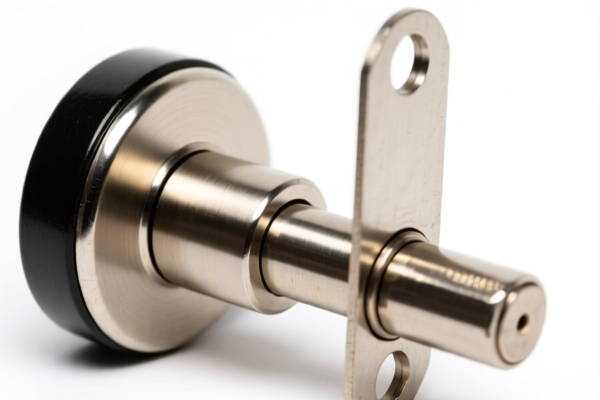
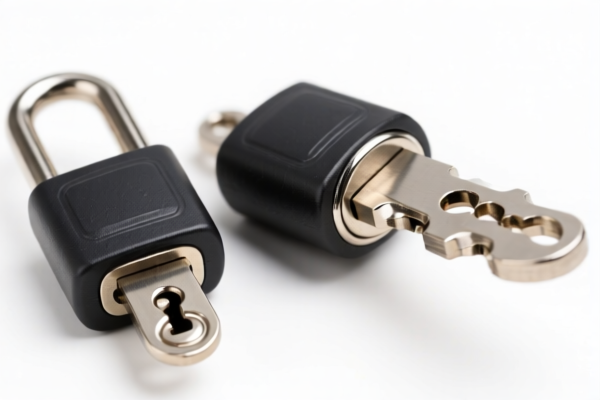
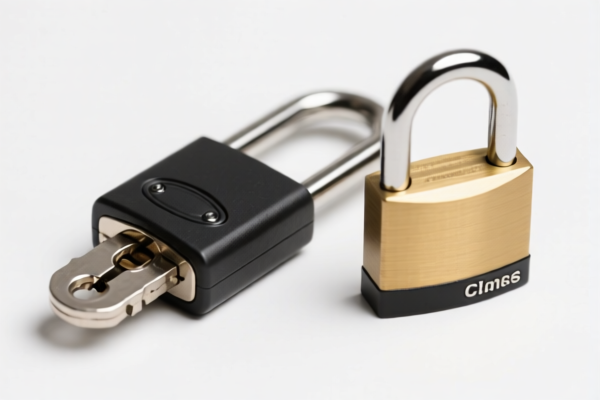
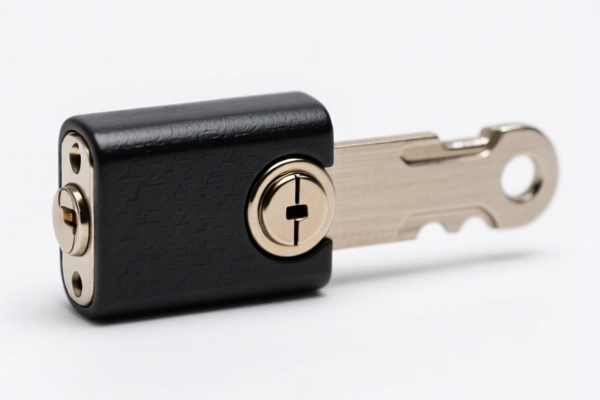
AI Analysis
🔐 Valve Locks (Industrial Security Locks)
🌐 HS Code Reference & Customs Clearance Guide | 2026 Latest Tariff Analysis | Professional Clearance Strategy
📌 I. Product Definition & Classification: Do You Truly Understand "Valve Locks"?
Valve locks are critical safety devices used in industrial, oil & gas, and municipal settings to prevent unauthorized operation of isolation valves. In international trade, they are categorized based on their material composition and specific function (general metal product vs. specialized locking device vs. building fitting).
Metal Valves/Fittings (Steel/Iron): Locks made primarily of iron or steel, lacking specific locking mechanisms defined elsewhere, often classified under general metal articles. Locks (Metallic): Locks designed for furniture, buildings, or vehicles, made of base metals. Building Fittings: Locks used as accessories for doors, windows, or valves in construction contexts.
⚠️ Key Classification Points:
- If the lock is essentially a steel/iron metal article without complex internal locking mechanisms specific to "locks" in Chapter 83 → Likely Chapter 73.
- If classified as a lock under Chapter 83 (Keyed/Combination), but lacking specific subheading for "valve," it may fall under general metal locks.
- If viewed as a fitting for buildings/valves, it may fall under Chapter 83 fittings.
📦 II. HS Code Classification Details (2026 Latest Tariff Authority Comparison)
| HS Code | Product Description | Applicability Scenario | Material |
|---|---|---|---|
7326.90.86.88 |
Other articles of iron or steel (not elsewhere specified) | General industrial valve locks made of steel/iron; treated as "other metal articles" | ✅ Iron/Steel |
8301.30.00.90 |
Locks of a kind used for furniture or buildings | Locks used on valve housings, control cabinets, or building infrastructure; metallic construction | ✅ Base Metal |
8301.40.60.30 |
Locks for vehicles (includes valve lock mechanisms) | Locks used on industrial vehicles, tankers, or specialized transport valves | ✅ Base Metal |
8302.41.60.45 |
Other base metal mountings, fittings, and similar articles | Valves seen as "fittings" for industrial buildings; metallic attachments | ✅ Base Metal (Steel/Aluminum/Iron) |
8302.41.90.45 |
Other base metal mountings, fittings, and similar articles (not for doors/windows) | General industrial valve accessories/fittings made of base metal | ✅ Base Metal |
7326.90.86.76 |
Other articles of iron or steel (not elsewhere specified) | Similar to 7326.90.86.88; generic steel valve locks | ✅ Iron/Steel |
🔍 Key Reminder:
- Chapter 73 items are treated as generic steel products due to lack of specific lock mechanism classification.
- Chapter 83 items are treated as specialized locks or fittings.
- US Tariffs vary significantly between these chapters due to Section 232 (Steel/Aluminum) and Section 301/IEEPA duties.
💰 III. 2026 Latest Tariff Rate Breakdown (Including Additional Taxes & Policy Surcharges)
✅ Applicable Country: United States (US)
✅ Country of Origin: China (CN)
✅ Effective Time: Current (Post-2025 Policies)
🎯 1. 7326.90.86.88 & 7326.90.86.76 —— Other Articles of Iron or Steel
| Item | Content |
|---|---|
| Basic Tariff | 2.9% (ad valorem) |
| Section 301 Surcharge | +25.0% |
| Section 232 Surcharge (Steel) | +50.0% (Applies to steel articles under Section 232) |
| Total Tariff | 87.9% |
| Tax Calculation | CIF Value × 87.9% |
| De Minimis Eligibility | ❌ Not Eligible (High duty rate excludes small shipments) |
| Legal Basis Path | USITC:7326.90.86.88 → SECTION:232(Steel) → SECTION:301 |
📌 Explanation:
- These HS codes are classified under Chapter 73 (Articles of Iron or Steel).
- They are subject to the Section 232 Steel Tariff (+50%) because they are metal articles.
- Plus Section 301 Tariff (+25%).
- Total: 87.9%. This is a very high tariff, making these codes costly for clearance.
🎯 2. 8301.30.00.90 & 8301.40.60.30 —— Locks (Furniture/Building/Vehicle)
| Item | Content |
|---|---|
| Basic Tariff | 5.7% (ad valorem) |
| Section 301 Surcharge | +7.5% |
| Section 232 Surcharge | N/A (Not classified as raw steel/aluminum under 232) |
| Total Tariff | 23.2% |
| Tax Calculation | CIF Value × 23.2% |
| De Minimis Eligibility | ❌ Not Eligible (Due to Section 301 applicability) |
| Legal Basis Path | USITC:8301.30.00.90 → SECTION:301 |
📌 Note:
- These codes fall under Chapter 83 (Base Metal Articles) as Locks.
- They are not subject to Section 232 (Steel/Aluminum) tariffs.
- They are subject to Section 301, but at a lower rate (+7.5%) compared to steel products.
- Total: 23.2%. This is a significantly better tariff rate.
🎯 3. 8302.41.60.45 & 8302.41.90.45 —— Base Metal Fittings/Mountings
| Item | Content |
|---|---|
| Basic Tariff | 3.9% (8302.41.60.45) / 3.5% (8302.41.90.45) |
| Section 301 Surcharge | +25.0% (For 8302.41.60.45) / +25.0% (For 8302.41.90.45) |
| Section 232 Surcharge | +50.0% (Only for 8302.41.60.45 if deemed Steel/Aluminum under 232) |
| Total Tariff | 88.9% (8302.41.60.45) / 38.5% (8302.41.90.45) |
| Tax Calculation | CIF Value × Rate |
| De Minimis Eligibility | ❌ Not Eligible |
| Legal Basis Path | USITC:8302.41.xxxx → SECTION:301 → SECTION:232 (if applicable) |
📌 Note:
-8302.41.60.45: Often subject to Section 232 if considered steel/aluminum fitting → 88.9% Total.
-8302.41.90.45: May avoid Section 232 if not strictly "steel/aluminum" under 232 scope → 38.5% Total.
- Recommendation: Avoid8302.41.60.45due to high duty.8302.41.90.45is moderate.
🛠️ IV. Customs Clearance Practical Advice (Battle-Tested Pitfall Guide)
✅ 1. Required Documentation Checklist (All Items Mandatory)
| Document | Must Provide | Description |
|---|---|---|
| ✅ Product Specification Sheet | ✔️ | Include material (steel, brass, zinc), locking mechanism type, valve size compatibility |
| ✅ Material Composition Report | ✔️ | Crucial for Section 232 determination (Steel vs. Other Base Metal) |
| ✅ Product Photos (Including Label) | ✔️ | Clear view of branding, model, material mark |
| ✅ Commercial Invoice | ✔️ | Must specify "Valve Lock" or "Locking Device" |
| ✅ Packing List | ✔️ | Detail packaging to avoid split shipment issues |
| ✅ Certificate of Origin (CO) | ✔️ | If not Chinese origin, may qualify for lower/zero tariffs |
✅ 2. Declaration Tips (Key Mantras)
🔥 "Material Defines Duty, Function Defines Code!"
| Scenario | Correct Declaration | Wrong Practice |
|---|---|---|
| Steel Valve Lock | 7326.90.86.88 or 8302.41.60.45 |
Declare as "Plastic Lock" → Fraud! |
| Non-Steel Lock (e.g., Brass) | 8301.30.00.90 |
Declare as "Steel" → Section 232 applies falsely |
| Lock with Key Mechanism | 8301.30.00.90 |
Declare as "Metal Fitting" → 88.9% vs 23.2% |
| Generic Metal Lock | 8301.30.00.90 |
Declare as "Other Steel Article" → 87.9% |
📌 Strategic Advice:
- Prioritize8301.30.00.90(23.2% duty) if the product is a lock with a key/combination mechanism.
- Avoid7326and8302.41.60.45(87.9%/88.9% duty) unless the product is clearly a non-locking metal bracket.
- Justify Material: If made of brass, zinc, or alloy, ensure it is not classified as steel to avoid Section 232.
✅ 3. Special Handling Scenarios
| Scenario | Handling Advice |
|---|---|
| OEM Valve Locks | Provide customer PO + design specs to prove it is a lock, not a generic fitting. |
| Mixed Materials | If lock has steel body + plastic key, declare based on essential character (usually metal lock). |
| Industrial vs. Building Use | Specify "Industrial Valve Lock" to avoid confusion with building door locks (same code, different intent). |
| Section 232 Exemption | If material is not steel/aluminum (e.g., stainless steel 304 may still be subject; check specific exclusions), document material certs. |
🌍 V. Global Market Comparison (2026 Latest)
| Country/Region | Recommended HS Code | Duty Rate | Certification Requirements | Notes |
|---|---|---|---|---|
| 🇺🇸 USA | 8301.30.00.90 |
23.2% | None Specific | Avoid 7326 (87.9%) due to Steel Tariff |
| 🇨🇳 China | 8301.30.00.90 |
~5% | CCC (if applicable) | Lower duty, easier clearance |
| 🇪🇺 EU | 8301.30.00.90 |
~0-5% | CE (if electronic) | No Section 232 equivalent |
| 🇬🇧 UK | 8301.30.00.90 |
~0-5% | UKCA | Post-Brexit rules apply |
| 🇦🇺 Australia | 8301.30.00.90 |
~5% | RCM | No major surcharges |
📌 Conclusion:
- USA is the most challenging market due to Section 232 (Steel) and Section 301 duties.
- Correct HS Code selection is critical:8301.30.00.90(23.2%) vs.7326.90.86.88(87.9%) is a 64.7% difference.
- Always declare as "Lock" if applicable, not "Other Steel Article."
📌 VI. Common Mistakes & Pitfall Guide (Lessons from Real Cases)
❌ Mistake 1: Classifying a steel valve lock as 7326.90.86.88
👉 Consequence: 87.9% duty → Massive cost increase!
👉 Fix: Use 8301.30.00.90 if it has a locking mechanism.
❌ Mistake 2: Not providing material composition for Section 232 review
👉 Consequence: Customs assumes steel → 50% Section 232 duty applied.
👉 Fix: Provide mill certificates proving material type (e.g., brass, zinc, stainless).
❌ Mistake 3: Using "Fitting" instead of "Lock" in description
👉 Consequence: May be classified under 8302.41.60.45 (88.9%) if deemed steel fitting.
👉 Fix: Explicitly state "Valve Lock" or "Locking Device."
❌ Mistake 4: Assuming all metal locks are exempt from Section 232
👉 Consequence: Many metal locks are subject to Section 232 if made of steel/aluminum.
👉 Fix: Verify material against Section 232 list.
✅ Correct Declaration Example:
"Metal Valve Lock, Model XYZ, Made of Brass/Steel, with Key Mechanism, For Industrial Use, HS Code 8301.30.00.90"
🎯 VII. Conclusion: Professional Declaration, Save Time, Reduce Cost!
🎯 Remember Mantra:
🔹 "If it locks, use 8301 (23.2%). If it's just steel, use 7326 (87.9%). Choose wisely!"
🔹 "Section 232 kills steel profits. Material matters!"
🔹 "HS Code determines duty. Declare correctly to save 60%+!"
📌 Pro Tip:
- If your valve locks are made of non-ferrous metals (brass, zinc, aluminum not subject to 232), ensure documentation proves this.
- Consider Advance Ruling from US CBP if unsure about classification.
- For high-volume shipments, negotiate duty drawback or explore FTA benefits if originating from eligible countries.
📣 Take Action Now:
📞 Contact a professional customs broker + Provide material certs + Apply for HS Code Advance Ruling
🚀 Let your valve locks clear smoothly, efficiently, and profitably!
✨ Professional Clearance Starts with Accurate Classification!
💼 Every dollar saved counts!
Customer Reviews
About HS Code Classification
The Harmonized System (HS) is an internationally standardized nomenclature developed by the World Customs Organization (WCO) to classify traded products. Over 200 countries use the HS system as the basis for customs tariffs, trade statistics, and import/export regulations.
Each HS code follows a hierarchical structure:
- Chapter (2 digits) — Broad category of goods (e.g., Chapter 84: Machinery and Mechanical Appliances)
- Heading (4 digits) — More specific grouping within the chapter
- Subheading (6 digits) — Internationally standardized breakdown, used by all WCO member countries
- National subdivisions (8-10 digits) — Country-specific extensions for further classification, such as US HTSUS 10-digit codes
Correct HS code classification is essential for smooth customs clearance, accurate duty payment, and compliance with trade regulations. Misclassification can lead to customs delays, overpayment of duties, or penalties.
When importing from CN to US, the applicable tariff rates may include:
- Most-Favored-Nation (MFN) rate — The standard duty rate applied to WTO members
- General rate — Applied to countries without trade agreements
- Trade remedy duties — Additional tariffs such as Section 301 (anti-dumping), Section 232 (national security), or countervailing duties
The information provided on this page is for reference purposes only. For official classification, please consult with your local customs authority or a licensed customs broker.