Vanilla Extract
CN → US| HS Code | Tariff Rate | Origin | Destination | Doc |
|---|---|---|---|---|
| 3302102000 | 17.5% | CN | US | Official Doc |
| 3302104000 | 0.0% | CN | US | Official Doc |
Product Images
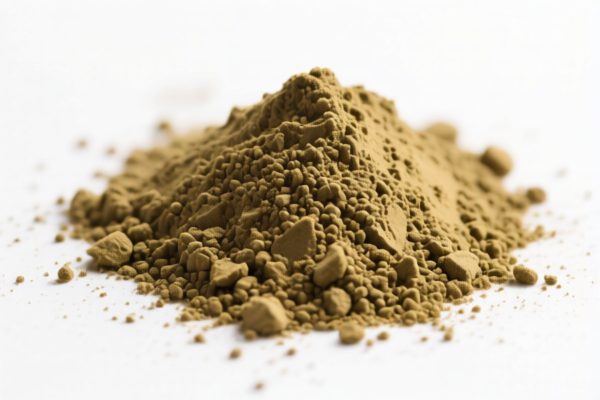
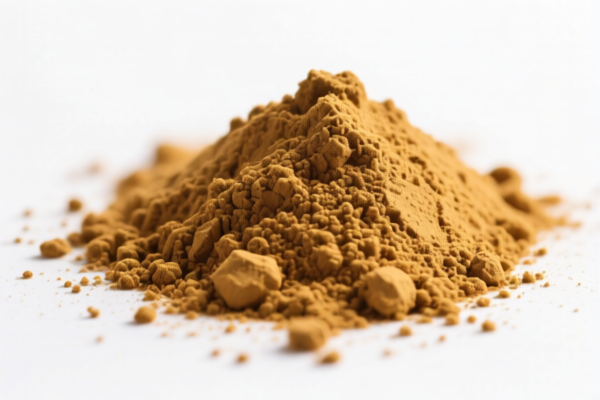
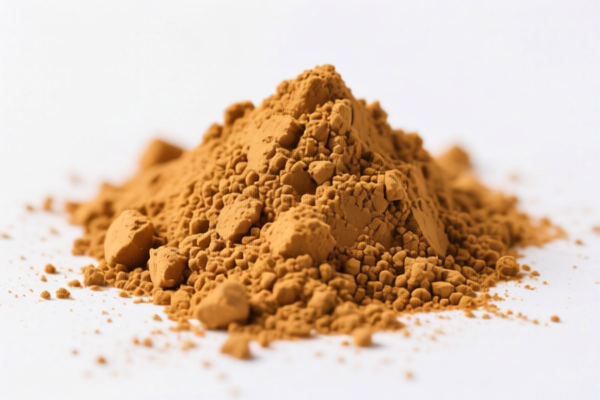
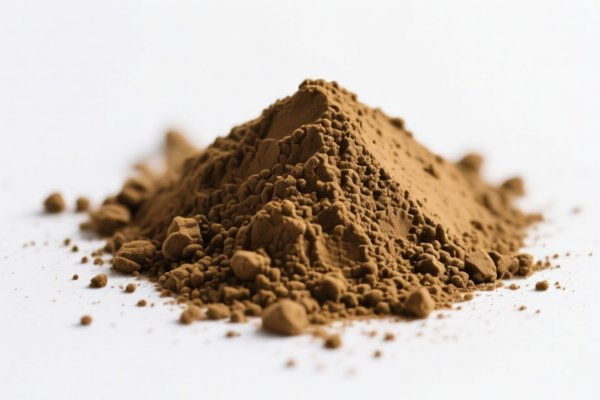
AI Analysis
🍦 Vanilla Extract (Odoriferous Preparations for Food/Drink Industries)
🌐 HS Code Reference & Customs Clearance Guide | 2024 Latest Tariff Full Analysis | Professional Clearance Strategy
📌 I. Product Definition & Classification: Do You Really Understand "Vanilla Extract"?
Vanilla Extract is a liquid preparation obtained by extracting vanilla bean solids with ethanol. In international trade, it is strictly classified under Chapter 33 (Essential Oils and Resinoids; Perfumery, Cosmetic or Toilet Preparations), specifically as odoriferous preparations used in the food or drink industries.
The critical distinction for classification lies in the Alcohol Content by Weight:
Low-Extract Vanilla (≤ 20% Alcohol):
Used primarily as a flavoring agent where the alcohol serves as a solvent/carrier but is not the primary functional ingredient in high volumes. Often used in baked goods or low-alcohol confections.
High-Extract Vanilla (> 20% Alcohol):
Used in preparations that may require dilution with water or ethyl alcohol to become beverage-ready, or used in mixtures with higher alcohol bases. This includes "preparations requiring only the addition of ethyl alcohol or water to produce a beverage suitable for human consumption."
⚠️ Key Distinction Point:
- If the product is a standard vanilla extract intended for direct food use (like baking) and contains ≤ 20% alcohol →归类 3302.10.20.00
- If the product is a concentrated flavoring mix or beverage base containing > 20% alcohol →归类 3302.10.40.00
📦 II. HS Code Classification Details (2024/2025 Latest Tariff Authoritative Comparison)
| HS Code | Product Description | Applicable Scenario | Alcohol Content (By Weight) |
|---|---|---|---|
3302.10.20.00 |
Odoriferous mixtures for food/drink industries; Containing alcohol; Not over 20% | Standard culinary vanilla extract, baking flavorings, non-alcoholic dessert preparations | ✅ ≤ 20% |
3302.10.40.00 |
Odoriferous mixtures for food/drink industries; Containing alcohol; Over 20% but ≤ 50%; Preparations requiring addition of ethyl alcohol/water to produce beverage | Vanilla syrup concentrates, cocktail flavor bases, beverage-ready mixes | ✅ > 20% |
🔍 Important Reminder:
- Do not misclassify as "Essential Oils" (3301): Vanilla extract is a preparation for the food industry, not a pure essential oil obtained by steam distillation.
- Do not misclassify as "Beverages" (Chapter 22): Even if it is a "beverage base," if it is a preparation (requiring further mixing) used for manufacture, it falls under Chapter 33.
- Alcohol Threshold is Critical: The 20% mark is the boundary. Exactly 20% falls into 3302.10.20.00. 20.01% falls into 3302.10.40.00.
💰 III. 2024/2025 Latest Tariff Rate Detailed Explanation (Including Additional Taxes)
✅ Applicable Country: China (CN) Import/Export Context (Based on Data Provided)
✅ Origin: Varies (Depends on source)
✅ Validity: Current Tariff Schedule
🎯 1. 3302.10.20.00 —— Vanilla Extract (≤ 20% Alcohol)
| Item | Content |
|---|---|
| Base Tariff Rate | 0.0% |
| Additional/Surtax Tariff | 7.5% |
| Total Tax Rate | 7.5% |
| Tax Calculation | CIF Value × 7.5% |
| Legal Basis | Chapter 33, Heading 3302, Subheading 10, further subdivision for alcohol ≤ 20% |
📌 Explanation:
- This code applies to standard vanilla extracts used in the food industry (e.g., ice cream, cakes, chocolates) where the alcohol content is relatively low.
- The 7.5% surtax is applied in addition to the base rate. While the base is 0%, the final effective duty is 7.5%.
- Compliance Tip: Ensure your Certificate of Analysis (COA) clearly states the alcohol percentage is 20% or less. If it is 20.1%, this code is invalid.
🎯 2. 3302.10.40.00 —— Vanilla Flavoring Mixtures (> 20% Alcohol)
| Item | Content |
|---|---|
| Base Tariff Rate | 0.0% |
| Additional/Surtax Tariff | 0.0% |
| Total Tax Rate | 0.0% |
| Tax Calculation | $0 (Duty-Free) |
| Legal Basis | Chapter 33, Heading 3302, Subheading 10, further subdivision for alcohol > 20% and ≤ 50% |
📌 Explanation:
- This code applies to concentrated vanilla preparations or beverage bases with higher alcohol content (> 20% but ≤ 50%).
- These items are often used as raw materials in industry for manufacturing beverages (e.g., mixing with water/alcohol later).
- Key Advantage: Duty-Free (0%). This is a significant cost-saving opportunity if your product fits this description.
🛠️ IV. Customs Clearance Practical Advice (Real-World Pitfall Guide)
✅ 1. Required Documentation Checklist (Non-Negotiable)
| Document | Mandatory? | Description |
|---|---|---|
| ✅ Certificate of Analysis (COA) | ✔️ | Critical. Must explicitly state Ethanol % by Weight. Without this, customs cannot determine if it's ≤ 20% or > 20%. |
| ✅ Ingredient List | ✔️ | Must list "Vanilla Extract," "Ethanol," "Water." No hidden additives. |
| ✅ Product Label | ✔️ | Clear indication of "For Industrial Food Use" or "Flavoring Preparation." |
| ✅ Commercial Invoice | ✔️ | Must specify "Vanilla Extract for Food Industry," not just "Liquids" or "Extracts." |
| ✅ MSDS (Material Safety Data Sheet) | ✔️ | Required for any alcohol-containing chemical product. |
| ✅ Certificate of Origin | ✔️ | To verify country of origin for potential FTAs (if applicable). |
✅ 2. Declaration Strategy (Key Mnemonic)
🔥 “Alcohol % Decides, Food Industry Clarifies, Base Rate is Zero, Surtax Adds Seven!”
| Scenario | Correct Declaration | Incorrect Practice |
|---|---|---|
| Standard Vanilla Extract (15-20% Alcohol) | HS 3302.10.20.00 Rate: 7.5% |
Declare as 3302.10.40.00 → Penalty for Misclassification |
| High-Alcohol Vanilla Base (25-40% Alcohol) | HS 3302.10.40.00 Rate: 0.0% |
Declare as 3302.10.20.00 → Underpayment of Tax |
| Pure Vanilla Oleoresin (No Alcohol) | Check 3302.10.90 or 3301 | Do not force into alcohol subheadings |
| Ready-to-Drink Vanilla Beverage | Chapter 22 (Beverages) | Do not declare as flavoring preparation |
✅ 3. Special Situations Handling
| Situation | Handling Advice |
|---|---|
| Borderline Alcohol Content (19.9% vs 20.1%) | Ensure laboratory testing is precise. 0.1% difference changes tax from 7.5% to 0%. |
| "Natural" vs "Artificial" Flavor | Classification is based on use (food industry) and alcohol content, not origin (natural/synthetic). Both fall under 3302 if for food industry. |
| Packaging | If packed in retail containers for direct consumer sale, ensure it still meets "industrial raw material" definition. If it's a "beverage," it might be Chapter 22. |
| Alcohol > 50% | Not covered in the provided data. Likely falls under 3302.10.90 or 2207 (Alcohol). Consult advanced rulings. |
🌍 V. Global Market Clearance Comparison (2024 Latest)
| Country/Region | Recommended HS Code | Tariff (China Origin) | Certification | Remarks |
|---|---|---|---|---|
| 🇨🇳 China | 3302.10.20.00 |
7.5% (Total) | CIQ (Inspection & Quarantine) | High tax for ≤20% alcohol |
| 🇨🇳 China | 3302.10.40.00 |
0.0% | CIQ | Duty-free for >20% alcohol |
| 🇺🇸 USA | 3302.10.00 |
Varies (Check HTS) | FDA Registration | Vanilla extract often faces FDA scrutiny |
| 🇪🇺 EU | 3302 10 31 |
0% - 4.5% | EFSA Compliance | Strict on vanillin vs. natural extract |
| 🇬🇧 UK | 3302 10 31 |
0% - 5% | FSA Guidelines | Post-Brexit rules apply |
📌 Conclusion:
- China Importers: Pay attention to the alcohol threshold. If you can formulate your vanilla mixture to be > 20% alcohol (while remaining a food preparation), you save 7.5% in duties.
- Global: Always comply with FDA (US) or EFSA (EU) standards for flavorings, regardless of HS code.
📌 VI. Common Errors & Pitfall Guide (Lessons Learned)
❌ Error 1: Declaring all vanilla extracts as 3302.10.20.00 without checking alcohol content.
👉 Consequence: If alcohol is > 20%, you underpay tax → Fines + Back Taxes.
❌ Error 2: Declaring as 3302.10.40.00 for standard 10% alcohol extract.
👉 Consequence: Customs audit reveals actual alcohol content → Penalty for Misclassification.
❌ Error 3: Using "Vanilla Extract" as the generic name without specifying "For Food Industry."
👉 Consequence: Customs may classify as Perfumery (3303) or Essential Oil (3301), leading to different regulations and delays.
✅ Correct Approach:
“Vanilla Extract, Alcohol 18% by Weight, For Use in Food Manufacturing, Bulk Container, FDA Compliant”
🎯 VII. Conclusion: Professional Declaration, Cost Optimization
🎯 Remember the Mantra:
🔹 “Alcohol Level is Key: ≤20% Tax 7.5, >20% Tax 0! “
🔹 “Food Industry Use Must Be Stated, Or Customs Will Dispute Your Rate! “
📌 Pro Tip:
If you are formulating a new vanilla product, consult with a laboratory to determine the exact ethanol percentage. A slight adjustment in formulation to cross the 20% threshold can result in significant duty savings (from 7.5% to 0%) for high-volume industrial buyers.
📣 Immediate Action:
📞 Provide your COA to your customs broker before shipment.
🚀 Ensure your invoice explicitly states "Alcohol Content: X% by Weight" and "For Food Industry Use".
✨ Professional Customs Clearance Starts with Precise Classification!
💼 Every Percent in Tariff Matters!
Customer Reviews
About HS Code Classification
The Harmonized System (HS) is an internationally standardized nomenclature developed by the World Customs Organization (WCO) to classify traded products. Over 200 countries use the HS system as the basis for customs tariffs, trade statistics, and import/export regulations.
Each HS code follows a hierarchical structure:
- Chapter (2 digits) — Broad category of goods (e.g., Chapter 84: Machinery and Mechanical Appliances)
- Heading (4 digits) — More specific grouping within the chapter
- Subheading (6 digits) — Internationally standardized breakdown, used by all WCO member countries
- National subdivisions (8-10 digits) — Country-specific extensions for further classification, such as US HTSUS 10-digit codes
Correct HS code classification is essential for smooth customs clearance, accurate duty payment, and compliance with trade regulations. Misclassification can lead to customs delays, overpayment of duties, or penalties.
When importing from CN to US, the applicable tariff rates may include:
- Most-Favored-Nation (MFN) rate — The standard duty rate applied to WTO members
- General rate — Applied to countries without trade agreements
- Trade remedy duties — Additional tariffs such as Section 301 (anti-dumping), Section 232 (national security), or countervailing duties
The information provided on this page is for reference purposes only. For official classification, please consult with your local customs authority or a licensed customs broker.