Vegetable Cutting Hand Guard
CN → US| HS Code | Tariff Rate | Origin | Destination | Doc |
|---|---|---|---|---|
| 3924905650 | 20.9% | CN | US | Official Doc |
| 7323999030 | 88.4% | CN | US | Official Doc |
| 3924104000 | 13.4% | CN | US | Official Doc |
Product Images
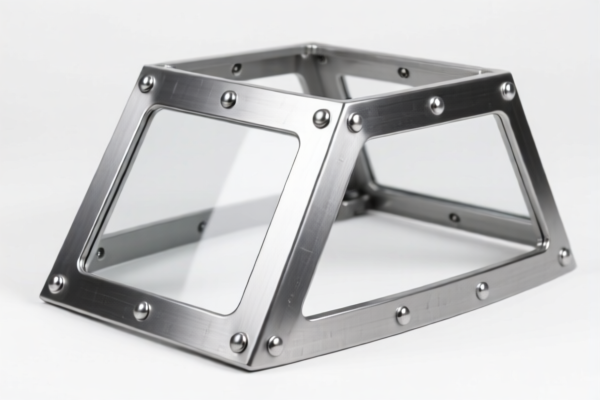
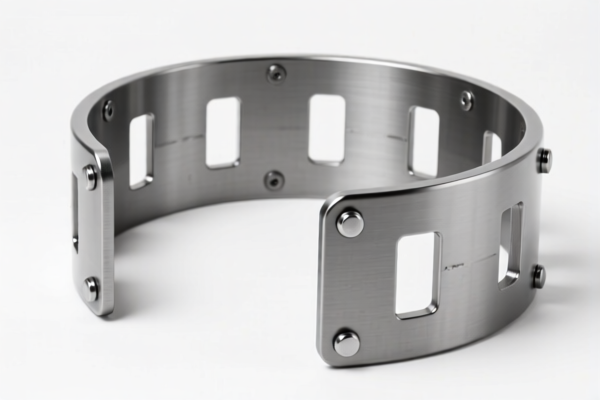
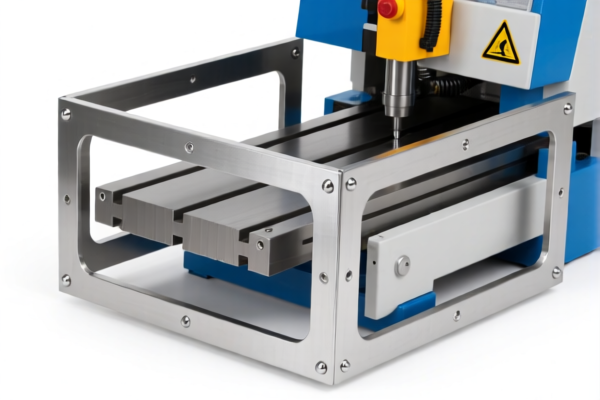
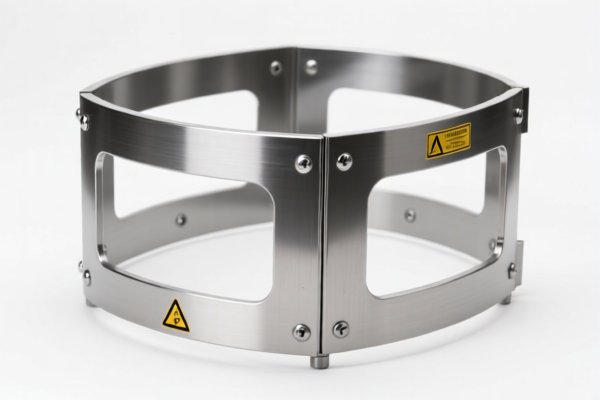
AI Analysis
🥕 Vegetable Cutting Hand Guard (Kitchen Utensil)
🌐 HS Code Reference & Customs Clearance Guide | 2026 Latest Tariff Analysis | Professional Clearance Strategy
📌 I. Product Definition & Classification: What Exactly Is a "Hand Guard"?
A Vegetable Cutting Hand Guard is a safety accessory used in food preparation to protect fingers while slicing, dicing, or peeling vegetables. In international trade, its classification depends heavily on the material and specific design, primarily falling under two categories: 1. Plastic Hand Guards: Usually made of PP, ABS, or silicone, often with a non-slip grip. 2. Metal/Stainless Steel Hand Guards: Rigid metal cages or wire guards, sometimes with plastic handles.
⚠️ Key Distinction Point:
- If the item is primarily plastic and intended for tableware/kitchen use → It falls under Plastic Kitchenware codes.
- If the item is primarily metal/stainless steel and used as a kitchen utensil → It falls under Metal Kitchenware codes.
- Note: Simple plastic cutlery (spoons/forks) has different rates, but "guards" are often classified under broader "plastic tableware/kitchenware" depending on local customs interpretation. Based on the provided data, we distinguish between Plastic Kitchenware and Metal Kitchenware.
📦 II. HS Code Classification Details (Based on Provided Data)
| HS Code | Product Description | Material | Applicable Scenario |
|---|---|---|---|
3924.90.56.50 |
Plastic Kitchenware | Plastic (PP, ABS, etc.) | General plastic hand guards, non-slip grips, silicone/plastic hybrid guards |
7323.99.90.30 |
Metal/Stainless Steel Kitchenware | Steel, Aluminum, Copper | Rigid metal cages, wire-frame guards, stainless steel safety shields |
3924.10.40.00 |
Plastic Tableware & Cookware | Plastic | Note: This code is for general plastic tableware (plates, bowls). Some customs authorities may classify simple plastic guards here if deemed "tableware" rather than "kitchen utensil," but 3924.90.56.50 is more specific for "other kitchenware." |
🔍 Critical Clarification:
- Plastic Guards are primarily classified under3924.90.56.50(Plastic Kitchenware).
- Metal Guards are strictly classified under7323.99.90.30(Metal Kitchenware).
-3924.10.40.00applies to Plastic Tableware. If your hand guard is a simple plastic insert used with tableware, some importers might try this code to lower taxes, but3924.90.56.50is the safer, more accurate classification for utensils/guards.
- Do NOT misclassify metal guards as plastic – the tax difference is massive!
💰 III. 2026 Latest Tariff Rate Breakdown (Including Surcharges & Policy Add-ons)
✅ Applicable Country: USA (US)
✅ Origin: China (CN)
✅ Effective Date: 2025/2026 (Current Policy)
🎯 1. 3924.90.56.50 —— Plastic Kitchenware (Hand Guard)
| Item | Content |
|---|---|
| Base Tariff | 3.4% |
| Trade War Surcharge (Section 301) | +7.5% |
| Section 122 Tariff | +10.0% |
| Total Tax Rate | 20.9% |
| Tax Calculation | CIF Value × 20.9% |
| De Minimis Exemption | ❌ Not Eligible (Deny De Minimis) |
| Legal Basis Path | USITC:3924.90.56.50 → Section 301: 7.5% → Section 122: 10% |
📌 Explanation:
- 20.9% is the total burden. While lower than metal, it is still significant.
- Section 122 (10%) applies to specific categories of imported goods.
- Section 301 (7.5%) is the standard trade war tariff for Chinese plastic goods.
🎯 2. 7323.99.90.30 —— Metal/Stainless Steel Kitchenware (Hand Guard)
| Item | Content |
|---|---|
| Base Tariff | 3.4% |
| Trade War Surcharge (Section 301) | +25.0% |
| Section 122 Tariff | +10.0% |
| Steel/Aluminum/Copper Surcharge | +50.0% |
| Total Tax Rate | 88.4% |
| Tax Calculation | CIF Value × 88.4% |
| De Minimis Exemption | ❌ Not Eligible (Deny De Minimis) |
| Legal Basis Path | USITC:7323.99.90.30 → Section 301: 25% → Section 122: 10% → Steel/Al/Cu Surcharge: 50% |
📌 Critical Warning:
- 88.4% is an extremely high tariff.
- The 50% surcharge on steel, aluminum, and copper products is the main driver.
- Do NOT import metal hand guards from China under this code unless you have a duty mitigation strategy (e.g., tariff engineering, third-country processing).
🎯 3. 3924.10.40.00 —— Plastic Tableware & Cookware (Alternative for Plastic Guards)
| Item | Content |
|---|---|
| Base Tariff | 3.4% |
| Trade War Surcharge (Section 301) | +0.0% |
| Section 122 Tariff | +10.0% |
| Total Tax Rate | 13.4% |
| Tax Calculation | CIF Value × 13.4% |
| De Minimis Exemption | ❌ Not Eligible (Deny De Minimis) |
| Legal Basis Path | USITC:3924.10.40.00 → Section 122: 10% |
📌 Opportunity Alert:
- 13.4% is significantly lower than 20.9%.
- Can you use this code? Only if your hand guard is classified as "tableware" (e.g., a plastic holder for plates) rather than a "kitchen utensil" (like a slicer guard).
- Risk: If customs determines it is a "kitchen utensil" (cutting aid), they may reclassify it to3924.90.56.50(20.9%) and demand back taxes.
- Strategy: Use this code only if the product design is ambiguous and leans towards "tableware accessories." Otherwise, stick to3924.90.56.50.
🛠️ IV. Customs Clearance Practical Advice (Battle-Tested Pitfall Avoidance)
✅ 1. Required Documentation Checklist (Non-Negotiable)
| Document | Mandatory? | Explanation |
|---|---|---|
| ✅ Product Spec Sheet | ✔️ | Material composition (100% Plastic? Steel + Silicone?), dimensions, weight. |
| ✅ Product Photos | ✔️ | Clear images showing the guard, its use, and any branding. |
| ✅ Commercial Invoice | ✔️ | Must accurately describe the item. Avoid vague terms like "Tool." Use "Plastic Kitchen Hand Guard." |
| ✅ Packing List | ✔️ | Item count, gross/net weight, package dimensions. |
| ✅ Material Declaration | ✔️ | Explicitly state "Plastic" or "Stainless Steel" to avoid misclassification penalties. |
✅ 2. Declaration Tips (Key Mantras)
🔥 “Material Determines Code, Code Determines Cost!”
| Scenario | Correct Declaration | Wrong Approach |
|---|---|---|
| Plastic Guard | Declare as "Plastic Kitchen Hand Guard" | ❌ Declare as "Plastic Tableware" if it’s clearly a cutting aid → Risk of reclassification to 20.9% |
| Metal Guard | Declare as "Stainless Steel Kitchen Guard" | ❌ Declare as "Plastic Guard" → Severe penalty for misclassification |
| Mixed Material | Declare main material (e.g., "Plastic with Silicone Grip") | ❌ Ignore the metal part → If >5% metal, may trigger higher duties |
✅ 3. Special Case Handling
| Scenario | Handling Advice |
|---|---|
| Plastic Guard | Use 3924.90.56.50 (20.9%) as the safe, accurate code. Avoid 3924.10.40.00 (13.4%) unless you have a strong legal argument that it is "tableware," not "utensil." |
| Metal Guard | High Risk! At 88.4%, consider: 1. Tariff Engineering: Add non-metal components (e.g., large plastic handles) to change classification. 2. Third-Country Sourcing: Import from Vietnam, Thailand, or Mexico to avoid US-China surcharges. 3. Abandon Import: If possible, discontinue metal guards from China. |
| Mixed Material (Plastic + Metal) | Classify based on essential character. If plastic dominates, use plastic code. If metal frame is essential, use metal code. Be prepared for customs scrutiny. |
🌍 V. Global Market Comparison (2026 Update)
| Country/Region | Recommended HS Code | Tariff (China Origin) | Notes |
|---|---|---|---|
| 🇺🇸 USA | 3924.90.56.50 (Plastic) |
20.9% | High due to Section 301 + 122 |
| 🇺🇸 USA | 7323.99.90.30 (Metal) |
88.4% | Prohibitive! Avoid if possible |
| 🇪🇺 EU | 3924.90 (Plastic) | ~0-3% | No Section 301 or 122. Much more favorable |
| 🇨🇳 China | 3924.90 (Plastic) | ~5-7% | Domestic consumption or export to non-US markets |
📌 Conclusion:
- USA is the toughest market for Chinese kitchenware due to layered tariffs.
- Plastic guards are manageable at 20.9%.
- Metal guards are financially unviable at 88.4% unless you have a duty loophole.
📌 VI. Common Mistakes & Pitfalls (Lessons Learned)
❌ Mistake 1: Calling a metal guard a "plastic tool"
👉 Result: Customs detects discrepancy → Seizure, fines, and delayed release.
❌ Mistake 2: Using 3924.10.40.00 (13.4%) for a cutting guard without justification
👉 Result: Customs reclassifies to 3924.90.56.50 (20.9%) → Back taxes + interest.
❌ Mistake 3: Ignoring the "Section 122" 10% surcharge in cost calculations
👉 Result: Underpricing products → Lost profit margins.
❌ Mistake 4: Importing metal guards from China to the USA
👉 Result: 88.4% duty makes the product uncompetitive.
✅ Best Practice:
Stick to Plastic Guards for the US market, or source Metal Guards from Vietnam/Mexico.
Always declare exact material composition.
🎯 VII. Conclusion: Smart Classification, Higher Profits!
🎯 Key Takeaways:
🔹 Plastic Hand Guard: HS Code
3924.90.56.50→ 20.9% Total Tax.
🔹 Metal Hand Guard: HS Code7323.99.90.30→ 88.4% Total Tax (Avoid!).
🔹 Plastic Tableware Alternative:3924.10.40.00→ 13.4% (Use with caution).
📌 Pro Tip:
For metal guards, consider tariff engineering: Design the guard with a large, non-metallic handle or base to shift the "essential character" to plastic, potentially allowing classification under plastic codes. Consult a customs broker for Advance Ruling.
📣 Action Required:
📞 Contact a Customs Broker to confirm classification for your specific product design.
🚀 Optimize Supply Chain: Shift metal guard production to non-China origins if targeting the US market.
✨ Professional Clearance Starts with Accurate Classification!
💼 Every Percent of Tariff Saved Is Pure Profit!
Customer Reviews
About HS Code Classification
The Harmonized System (HS) is an internationally standardized nomenclature developed by the World Customs Organization (WCO) to classify traded products. Over 200 countries use the HS system as the basis for customs tariffs, trade statistics, and import/export regulations.
Each HS code follows a hierarchical structure:
- Chapter (2 digits) — Broad category of goods (e.g., Chapter 84: Machinery and Mechanical Appliances)
- Heading (4 digits) — More specific grouping within the chapter
- Subheading (6 digits) — Internationally standardized breakdown, used by all WCO member countries
- National subdivisions (8-10 digits) — Country-specific extensions for further classification, such as US HTSUS 10-digit codes
Correct HS code classification is essential for smooth customs clearance, accurate duty payment, and compliance with trade regulations. Misclassification can lead to customs delays, overpayment of duties, or penalties.
When importing from CN to US, the applicable tariff rates may include:
- Most-Favored-Nation (MFN) rate — The standard duty rate applied to WTO members
- General rate — Applied to countries without trade agreements
- Trade remedy duties — Additional tariffs such as Section 301 (anti-dumping), Section 232 (national security), or countervailing duties
The information provided on this page is for reference purposes only. For official classification, please consult with your local customs authority or a licensed customs broker.