Vegetable Fiber Composite Sheets
CN → US| HS Code | Tariff Rate | Origin | Destination | Doc |
|---|---|---|---|---|
| 4823902000 | 35.0% | CN | US | Official Doc |
| 4823908000 | 35.0% | CN | US | Official Doc |
| 4411940040 | 35.0% | CN | US | Official Doc |
| 4411940010 | 35.0% | CN | US | Official Doc |
| 3926305000 | 22.8% | CN | US | Official Doc |
Product Images
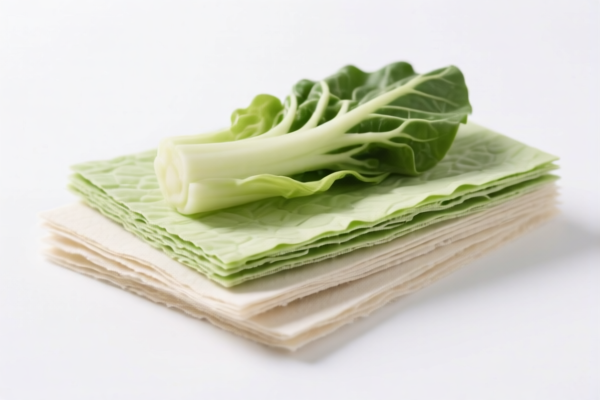


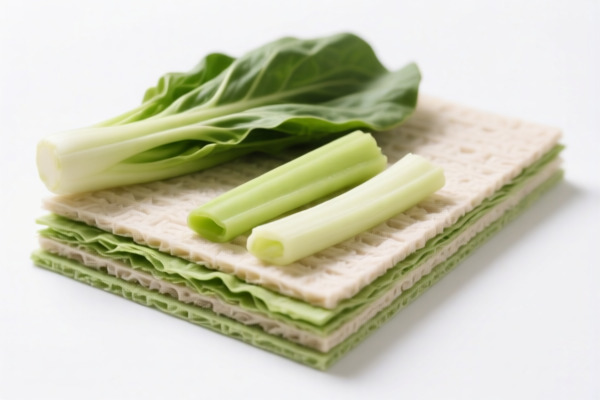
AI Analysis
🌿 Vegetable Fiber Composite Sheets
🌐 HS Code Reference & Customs Clearance Guide | 2026 Latest Tariff Analysis | Professional Entry Strategy
📌 I. Product Definition & Classification: Do You Really Understand "Vegetable Fiber Boards"?
Vegetable Fiber Composite Sheets (often referred to as Plant Fiber Reinforced Boards) are versatile materials derived from cellulose, plant fibers, or wood fibers. In international trade, their classification depends heavily on the raw material source (wood vs. non-wood plant fiber) and the processing method (pure cellulose vs. plastic composite).
Two Main Categories:
- Non-Wood Cellulose/Plant Fiber Boards: Made from cellulose, plant fibers, or pulp. These are treated as paper/cellulose products if they do not resemble wood-based fiberboards.
- Wood-Based Fiberboards: Made from wood or other woody materials, processed into fiberboard forms.
- Plastic-Composite Boards: If the board contains PVC or other plastics as a matrix, it falls under Chapter 39.
⚠️ Key Distinction Points:
- If the material is cellulose/plant fiber and retains paper-like properties →归入 Chapter 48
- If the material is wood/woody fiber pressed into board form →归入 Chapter 44
- If the material includes PVC/Plastic as a significant component →归入 Chapter 39
📦 II. HS Code Classification Details (2026 Latest Tariff Authority Comparison)
| HS Code | Product Description | Applicable Scenario | Material Attribute |
|---|---|---|---|
4823.90.20.00 |
Vegetative fiber reinforced board, material is cellulose/plant fiber type, shape is board,符合纸浆/纤维素类制品属性 | Non-wood plant fiber boards, cellulose-based composites | ✅ Cellulose/Plant Fiber (Non-Wood) |
4823.90.80.00 |
Vegetative fiber reinforced board, fiber consistent with paper/cellulose cotton or cellulose fiber net, board is paper/cellulose category | General cellulose/plant fiber composite boards | ✅ Cellulose/Plant Fiber (Non-Wood) |
4411.94.00.40 |
Vegetative fiber reinforced board, contains fiber attributes, conforms to characteristics of wooden or other wooden material fiberboards | Wood-based or woody fiber fiberboards | ✅ Wood/Woody Fiber |
4411.94.00.10 |
Vegetative fiber reinforced board, plant fiber corresponds to wood/wood fiber material, reinforced board conforms to fiberboard form | Standard wood fiberboards (MDF/HDF type) | ✅ Wood/Woody Fiber |
3926.30.50.00 |
PVC Vegetable Fiber Reinforced Composite Board, PVC is plastic category, board shape conforms to Chapter 39 materials | Plastic-polymer composite boards with plant fillers | ✅ Plastic (PVC) + Plant Fiber |
🔍 Critical Reminder:
- "Vegetable Fiber" is ambiguous: It can mean non-wood plant fiber (like hemp, bagasse, straw) → HS 48; or wood fiber (from trees) → HS 44. You must determine the source of the fiber. - PVC Composite: If the board has a plastic (PVC) matrix, it must be classified under HS 39, not paper or wood chapters. - Misclassification Risk: Declaring a wood-fiber board as "paper" (HS 48) or vice versa (HS 44) may lead to customs audits and penalties.
💰 III. 2026 Latest Tariff Rate Breakdown (Including Surtaxes, Policy Add-ons)
✅ Applicable Country: United States (US)
✅ Origin: China (CN)
✅ Effective Date: From November 10, 2025 (and subsequent imports)
🎯 1. 4823.90.20.00 & 4823.90.80.00 —— Non-Wood Cellulose/Plant Fiber Boards
| Item | Content |
|---|---|
| Base Tariff | 0.0% (ad valorem) |
| Section 301 Surtax | +25.0% (Additional Duties under Section 301) |
| Section 122 Tariff | +10.0% (Specific China-specific provision) |
| Total Tariff Rate | 35.0% |
| Tax Calculation | CIF Value × 35% |
| De Minimis Exemption | ❌ Not Eligible (High tariff goods excluded) |
| Legal Basis Path | USITC:4823.90.20.00 → Section 301: Footnote 9903.88.01 → Section 122: 10% surcharge |
📌 Explanation:
- "Base Tariff 0%": Paper and paperboard products often have low base duties. - "Section 301 25%": Standard additional duty for Chinese goods in this category. - "Section 122 10%": Additional specific tariff for Chinese imports in this HS code range. - Total 35%: A significant cost burden. Must be factored into pricing.
🎯 2. 4411.94.00.40 & 4411.94.00.10 —— Wood-Based Fiberboards
| Item | Content |
|---|---|
| Base Tariff | 0.0% (ad valorem) |
| Section 301 Surtax | +25.0% (Additional Duties under Section 301) |
| Section 122 Tariff | +10.0% (Specific China-specific provision) |
| Total Tariff Rate | 35.0% |
| Tax Calculation | CIF Value × 35% |
| De Minimis Exemption | ❌ Not Eligible |
| Legal Basis Path | USITC:4411.94.00.10/40 → Section 301: Footnote 9903.88.01 → Section 122: 10% surcharge |
📌 Note:
- Wood fiberboards (MDF, HDF, etc.) are heavily impacted by Section 301 tariffs. - Even though the base tariff is 0%, the 35% total makes US imports expensive. - Differentiation: Ensure your "vegetable fiber" is indeed wood (trees) and not agricultural waste (bagasse, straw), which might fall under HS 48.
🎯 3. 3926.30.50.00 —— PVC Vegetable Fiber Reinforced Composite Board
| Item | Content |
|---|---|
| Base Tariff | 5.3% (ad valorem) |
| Section 301 Surtax | +7.5% (Section 301 Additional Duty for specific plastic goods) |
| Section 122 Tariff | +10.0% (Specific China-specific provision) |
| Total Tariff Rate | 22.8% |
| Tax Calculation | CIF Value × 22.8% |
| De Minimis Exemption | ❌ Not Eligible |
| Legal Basis Path | USITC:3926.30.50.00 → Section 301: Footnote 9903.88.01 → Section 122: 10% surcharge |
📌 Advantage:
- Lower Total Tariff (22.8%): Compared to 35% for pure fiber/paper boards, PVC-composite boards have a 12.2% lower effective tariff rate. - Why?: Plastics (Chapter 39) often have higher base tariffs but lower Section 301 surcharges for certain sub-categories. - Strategy: If your product can be legally classified as a "plastic composite" due to PVC content, this is a cost-saving opportunity.
🛠️ IV. Customs Clearance Practical Advice (Battle-Tested Pitfall Avoidance Guide)
✅ 1. Required Documentation Checklist (Missing Items Will Cause Delays)
| Document | Must Provide | Explanation |
|---|---|---|
| ✅ Product Specification Sheet | ✔️ | Must clearly state: Raw Material Source (Wood vs. Non-Wood Plant), Composition %, Processing Method (Pressed, Glued, etc.) |
| ✅ Composition Analysis Report | ✔️ | Third-party lab report confirming if the fiber is Wood or Non-Wood Cellulose. Crucial for distinguishing HS 44 vs. HS 48. |
| ✅ Product Photos | ✔️ | Clear images of the board, edges, and any labeling. Show texture to help distinguish from paper or wood. |
| ✅ Commercial Invoice | ✔️ | Must describe the product accurately: e.g., "Wood Fiber Board, MDF" vs. "Non-Wood Plant Fiber Composite Board" vs. "PVC Reinforced Board". |
| ✅ Bill of Lading/Packing List | ✔️ | Consistent weight, dimensions, and quantity with invoice. |
| ✅ Certificate of Origin (CO) | ✔️ | To verify Chinese origin (triggers surtaxes). |
✅ 2. Declaration Tips (Key Mnemonics)
🔥 "Source Determines Chapter, PVC Lowers Tax, Wood & Pulp Both 35%!"
| Scenario | Correct Declaration | Wrong Approach |
|---|---|---|
| Board made from wood (trees) | 4411.94.00.10 or 4411.94.00.40 |
Declaring as "Paper Board" → Audit Risk |
| Board made from straw, bagasse, hemp | 4823.90.20.00 or 4823.90.80.00 |
Declaring as "Wood Board" → Misclassification |
| Board with PVC/Plastic Matrix | 3926.30.50.00 |
Declaring as "Fiber Board" → Higher Tax (35% vs 22.8%) |
| Mixed Material (Unclear) | Provide Composition Report | Vague description like "Composite Board" → Customs Ruling Delay |
✅ 3. Special Case Handling
| Situation | Handling Advice |
|---|---|
| Ambiguous "Vegetable Fiber" | Provide Lab Test Results to prove if it's wood (HS 44) or non-wood plant fiber (HS 48). |
| PVC-Containing Boards | Ensure the plastic content is significant enough to justify Chapter 39. If plastic is only a coating, it may still be HS 44/48. |
| Sample vs. Bulk | Sample shipments also incur tariffs. Do not declare as "Gift" or "Free Sample" to evade taxes. |
| Transshipment via Third Country | Does not exempt from Section 301/122 if the country of origin remains China. Provide original CO. |
🌍 V. Global Market Comparison (2026 Latest)
| Country/Region | Recommended HS Code | Tariff Rate | Certification Required | Notes |
|---|---|---|---|---|
| 🇺🇸 USA | 4823.90.20.00 / 4411.94.00.10 |
35% (CN Origin) | FSC (if wood) | High tariff due to Section 301 & 122 |
| 🇺🇸 USA | 3926.30.50.00 |
22.8% (CN Origin) | FSC (if wood) | Best Option if PVC composite |
| 🇨🇳 China | 4823 / 4411 |
5% - 10% | CCC (if applicable) | No surtaxes for domestic trade |
| 🇪🇺 EU | 4823 / 4411 |
0% - 5% | CE (if plastic) | No Section 301 equivalent, but EUDR applies to wood |
| 🇲🇽 Mexico | 4823 / 4411 |
0% (USMCA) | N/A | If manufactured in Mexico, USMCA benefits apply |
📌 Conclusion:
- USA is the most expensive market due to Section 301 and 122 surtaxes. - PVC-composite boards (HS 3926) offer a 12.2% tariff saving compared to pure fiber/paper boards. - EU requires EUDR compliance for wood-based products. Ensure no deforestation origin.
📌 VI. Common Mistakes & Pitfalls (Blood and Tears Lessons)
❌ Mistake 1: Calling "Wood Fiberboard" "Paper Board" to avoid wood tariffs
👉 Consequence: Customs audit, back taxes + penalties. HS 44 and HS 48 have different legal bases.
❌ Mistake 2: Ignoring the PVC content
👉 Consequence: Missing out on the 22.8% tariff vs 35%. If your board has PVC, declare it as HS 3926!
❌ Mistake 3: Vague description "Vegetable Fiber Composite"
👉 Consequence: Customs will choose the highest tariff or demand additional documentation, causing delays.
❌ Mistake 4: Assuming "Plant Fiber" always means HS 48
👉 Consequence: If the plant fiber is wood, it must be HS 44. Tree = Wood = HS 44.
✅ Correct Practice:
"PVC-Encapsulated Bamboo Fiber Composite Board, 12mm, Waterproof, Model XYZ, FSC Certified"
OR
"Non-Wood Cellulose Fiber Reinforced Board, Bagasse-Based, Recycled Content 80%, Model ABC"
🎯 VII. Conclusion: Precise Classification, Cost Optimization!
🎯 Remember the Mnemonics:
🔹 "Wood = HS 44, Plant Non-Wood = HS 48, PVC = HS 39"
🔹 "35% for Wood & Pulp, 22.8% for PVC Composite"
🔹 "Define the source clearly to save thousands!"
📌 Pro Tip:
If your product can be legally formulated or processed to include PVC/Plastic as a matrix, consider declaring under HS 3926.30.50.00 to save 12.2% in tariffs.
For wood-based boards, ensure FSC Certification if exporting to the EU (EUDR compliance).
Always request a Pre-Ruling from US Customs (CBP) for complex composites to mitigate risk.
📣 Immediate Action:
📞 Contact your customs broker with material composition reports.
📄 Apply for HS Code Pre-Ruling if the fiber source is ambiguous.
🚀 Optimize your supply chain tax cost by 12.2% with smart classification!
✨ Professional Clearance Starts with Precise Classification!
💼 Every Percent of Tariff Saved is Pure Profit!
Customer Reviews
About HS Code Classification
The Harmonized System (HS) is an internationally standardized nomenclature developed by the World Customs Organization (WCO) to classify traded products. Over 200 countries use the HS system as the basis for customs tariffs, trade statistics, and import/export regulations.
Each HS code follows a hierarchical structure:
- Chapter (2 digits) — Broad category of goods (e.g., Chapter 84: Machinery and Mechanical Appliances)
- Heading (4 digits) — More specific grouping within the chapter
- Subheading (6 digits) — Internationally standardized breakdown, used by all WCO member countries
- National subdivisions (8-10 digits) — Country-specific extensions for further classification, such as US HTSUS 10-digit codes
Correct HS code classification is essential for smooth customs clearance, accurate duty payment, and compliance with trade regulations. Misclassification can lead to customs delays, overpayment of duties, or penalties.
When importing from CN to US, the applicable tariff rates may include:
- Most-Favored-Nation (MFN) rate — The standard duty rate applied to WTO members
- General rate — Applied to countries without trade agreements
- Trade remedy duties — Additional tariffs such as Section 301 (anti-dumping), Section 232 (national security), or countervailing duties
The information provided on this page is for reference purposes only. For official classification, please consult with your local customs authority or a licensed customs broker.