Vegetable Fiber Woven Rugs (Balcony)
CN → US| HS Code | Tariff Rate | Origin | Destination | Doc |
|---|---|---|---|---|
| 4601298000 | 35.0% | CN | US | Official Doc |
| 4601228000 | 35.0% | CN | US | Official Doc |
| 5702202000 | 35.0% | CN | US | Official Doc |
| 5702201000 | 35.0% | CN | US | Official Doc |
| 6304993500 | 28.8% | CN | US | Official Doc |
Product Images
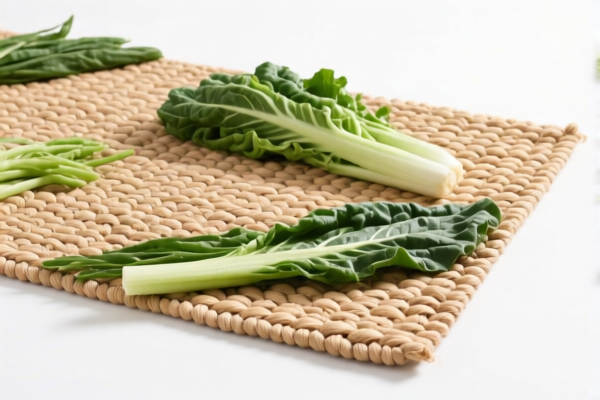
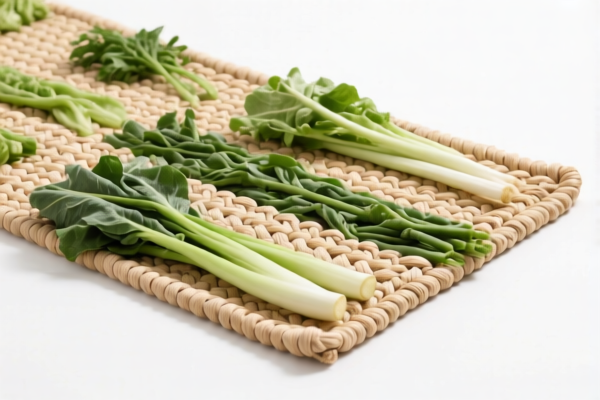
AI Analysis
🌿 Vegetable Fiber Woven Rugs for Balcony
🌐 HS Code Reference & Customs Clearance Guide | 2026 Latest Tariff Analysis | Professional Level Customs Strategy
📌 I. Product Definition and Classification: Do You Really Understand "Vegetable Fiber Rugs"?
Vegetable fiber woven rugs (specifically designed for balconies) are floor coverings made from natural plant-based materials (such as sisal, jute, seagrass, coir, or rattan) that are mechanically woven. In international trade, their classification hinges on three key attributes: 1. Material: Natural vegetable fibers (not synthetic/man-made). 2. Method: Woven structure (not knitted, crocheted, or tufted). 3. Application: Floor covering for balconies/terraces (outdoor or semi-outdoor use).
⚠️ Key Distinction:
- If the rug is made from plant fibers and woven, it typically falls under Chapter 46 (Plaited goods) or Chapter 57 (Carpeting).
- If it were knitted or crocheted, it would fall under Chapter 63 (other made-up articles).
- Crucial Note: Balcony rugs are often exposed to moisture, so material specificity (e.g., waterproof treatment) does not change the HS code unless it transforms the fundamental nature of the good.
📦 II. HS Code Classification Details (2026 Latest Tariff Authority Comparison)
| HS Code | Product Description | Applicable Scenario | Key Classification Logic |
|---|---|---|---|
4601.29.80.00 |
Plaited matting of vegetable materials (Other) | Vegetable fiber rugs, balcony use, plaited/woven structure | ✅ Plaited/Plaited Goods: Focuses on the plaiting method of vegetable fibers. |
4601.22.80.00 |
Plaited matting of vegetable materials (Other) | Vegetable fiber rugs, balcony use, general plaited classification | ✅ Plaited/Plaited Goods: Similar to above, covers broader "vegetable material" category in Chapter 46. |
5702.20.20.00 |
Carpets and other floor coverings, woven, of vegetable fibres (Not pile) | Vegetable fiber woven rugs, balcony use, woven floor covering | ✅ Woven Carpet: Specifically classifies woven goods made of vegetable fibers as carpets. |
5702.20.10.00 |
Carpets and other floor coverings, woven, of vegetable fibres (Not pile) | Vegetable fiber woven rugs, balcony use, general woven vegetable fiber | ✅ Woven Carpet: "Vegetable fibers" is a broader concept; fits woven floor covering logic. |
6304.99.35.00 |
Made-up furnishing articles (Other) | Vegetable fiber rugs, balcony use, non-woven/non-plaited or misclassified as textile article | ❌ Non-Knitted/Crocheted Article: Applies if not clearly classified as carpet/plaiting under Ch 46/57. Less common for pure woven vegetable rugs. |
🔍 Critical Reminder:
- Chapters 46 vs. 57:
- Chapter 46 (4601): Covers plaited goods and articles of plaiting materials (including mats and matting).
- Chapter 57 (5702): Covers carpets and other floor coverings of all textiles, including vegetable fibers.
- Customs Preference: For woven vegetable fiber rugs, 5702 is often more precise for "floor coverings." However, 4601 is accepted for "matting."
- Chapter 63 (6304): Only applies if the good is a "made-up article" not meeting the specific definitions of carpets (Ch 57) or plaited goods (Ch 46). For typical balcony rugs, 4601 and 5702 are the primary candidates.
💰 III. 2026 Latest Tariff Rate Breakdown (Including Surtaxes, Policy Add-ons)
✅ Applicable Country: United States (US)
✅ Country of Origin: China (CN)
✅ Effective Date: From November 10, 2025 (and subsequent imports)
🎯 1. HS Codes: 4601.29.80.00, 4601.22.80.00, 5702.20.20.00, 5702.20.10.00
(Plant Fiber Woven Rugs for Balcony)
| Item | Content |
|---|---|
| Base Tariff | 0% (ad valorem) |
| USITC Additional Tariff | +25% (Under Section 301) |
| Section 122 Tariff | +10% (Specific provision for certain Chinese goods) |
| Total Tariff Rate | 35.0% |
| Tax Calculation | CIF Value × 35% |
| De Minimis Exemption Available? | ❌ No (deny_de_minimis) |
| Legal Basis Path | Section 301: 9903.88.01 → Section 122: 9903.01.25 → USITC: 4601.29.80.00 / 5702.20.x0.00 → FOOTNOTE: 9903.88.01 |
📌 Explanation:
- "USITC Additional Tariff 25%": From Section 301 of the Trade Act of 1974, targeting Chinese imports.
- "Section 122 Tariff 10%": A specific additional duty under Section 122 of the Trade Expansion Act of 1962 (often applied to steel/aluminum, but specific directives apply here as noted in the data).
- Total 35%: High tariff burden. Must be factored into pricing strategy.
- De Minimis: Cannot use $800 de minimis exemption for these HS codes if they fall under the targeted sections.
🎯 2. HS Code: 6304.99.35.00
(Vegetable Fiber Woven Rugs - Misclassified or Specific Subcategory)
| Item | Content |
|---|---|
| Base Tariff | 11.3% |
| USITC Additional Tariff | +7.5% (Reduced rate for this specific subcategory) |
| Section 122 Tariff | +10% |
| Total Tariff Rate | 28.8% |
| Tax Calculation | CIF Value × 28.8% |
| De Minimis Exemption Available? | ❌ No (deny_de_minimis) |
| Legal Basis Path | Section 301: 9903.88.01 → Section 122: 9903.01.25 → USITC: 6304.99.35.00 → FOOTNOTE: 9903.88.01 |
📌 Note:
- Lower Total Rate (28.8%): This code has a lower base tariff (11.3%) and lower USITC surcharge (7.5%) compared to the 35% rate for Ch 46/57 codes.
- Risk: Misclassification risk. If Customs determines the rug is truly a "woven vegetable fiber carpet" (Ch 57), they may reclassify to5702.20.x0.00(35% rate) and levy penalties.
- Only use6304.99.35.00if: The rug does not meet the definition of "carpet" (e.g., lightweight, non-floor specific, or decorative textile) AND is not "plaited" in the Chapter 46 sense. For standard balcony rugs, Ch 46/57 is more accurate.
🛠️ IV. Customs Clearance Practical Advice (Real-World Pitfall Avoidance)
✅ 1. Preparation Checklist (All Required)
| Document | Must Provide | Description |
|---|---|---|
| ✅ Product Spec Sheet | ✔️ | Material composition (e.g., 100% Sisal), dimensions, weight, intended use (balcony/outdoor) |
| ✅ Product Photos | ✔️ | Clear images of front, back, edges, and texture. Show "woven" or "plaited" structure. |
| ✅ Commercial Invoice | ✔️ | Clearly state "Vegetable Fiber Woven Rug for Balcony" + HS Code |
| ✅ Packing List | ✔️ | Detail each package's contents to avoid "mixed shipment" issues |
| ✅ Origin Certificate | ✔️ | Prove Chinese origin for tariff calculation |
| ✅ Material Test Report | ✔️ | Confirm natural vegetable fibers (not synthetic blends) |
| ✅ Usage Description | ✔️ | Explicitly state "For Balcony Use" to justify "floor covering" classification |
✅ 2. Declaration Tips (Key Mantra)
🔥 "Material First, Structure Clear, Use Specific, Tariff Accurate!"
| Scenario | Correct Declaration | Wrong Approach |
|---|---|---|
| Standard Woven Vegetable Rug | 5702.20.20.00 or 4601.29.80.00 |
Mislabel as "Textile Rug" → 6304.99.35.00 (if inaccurate) |
| Rug with Synthetic Blend | Declare exact % blend; may shift to Ch 57/58 | Claim 100% Natural → Customs Inspection & Penalty |
| Lightweight Decorative Mat | 6304.99.35.00 (if not a floor covering) |
Call it "Rug" for flooring → Wrong HS Code |
| Outdoor Plastic Mat | Not Vegetable Fiber → Different HS Code | Claim Vegetable Fiber → Customs Rejection |
Key Mantra:
- "Woven Vegetable Fiber" → Check5702first.
- "Plaited Vegetable Mat" → Check4601.
- "Not a Floor Covering" → Consider6304.
- Always match the physical structure (woven/plaited) to the HS code description.**
✅ 3. Special Cases Handling
| Situation | Handling Advice |
|---|---|
| Balcony Rug with Rubber Backing | Still classified as vegetable fiber rug if primary material is vegetable. Declare both materials. |
| Custom Logo/Embroidery | Does not change HS code. Declare as "Decorated Vegetable Fiber Rug." |
| Mixed Shipment (Rugs + Cushions) | Separate HS codes. Rugs: 4601/5702. Cushions: 6304.92. Do not merge. |
| OEM Order | Provide client order and design specs to prove intended use (balcony/outdoor). |
| High Moisture Exposure | Mention "Water-Resistant Treatment" in specs. Does not change HS code but may affect duty if treated as "technical textile" (rare for natural fibers). |
🌍 V. Global Market Customs Comparison (2026 Latest)
| Country/Region | Recommended HS Code | Tariff (China Origin) | Certification Requirements | Notes |
|---|---|---|---|---|
| 🇺🇸 United States | 5702.20.20.00 or 4601.29.80.00 |
35% | No specific import certs, but accurate declaration is critical | High tariffs due to Section 301 + 122. De minimis not available. |
| 🇨🇳 China | 5702.20.20.00 |
5% (approx.) | CCC (if applicable) | Lower tariffs, standard import procedures. |
| 🇪🇺 European Union | 4601.21.00 or 5702.31.00 |
0-5% (MFN) | REACH (chemical compliance), EPR (waste) | No Section 301 surcharges. Natural fibers often favored. |
| 🇦🇺 Australia | 5702.31.00 |
5% | No specific certs | Similar to EU, no high surcharges. |
| 🇯🇵 Japan | 5702.31.00 |
0-5% | FSC (if wooden components) | Low tariffs, high quality inspection standards. |
📌 Conclusion:
- USA is the most expensive market due to 35% total tariff (25% + 10%).
- EU/Asia markets have significantly lower tariffs (0-5%) but require stricter environmental/chemical compliance (REACH, etc.).
- Strategic Advice: If exporting to the US, consider supply chain diversification (e.g., sourcing fibers from non-China countries) to avoid Section 301 tariffs, if feasible.
📌 VI. Common Errors & Pitfall Guide (Lessons Learned)
❌ Error 1: Calling a "Woven Rug" a "Matting" to avoid higher tariffs
👉 Consequence: Customs may still classify under 5702 based on use, leading to 35% duty + penalties.
❌ Error 2: Declaring "100% Cotton" for a "Sisal Rug"
👉 Consequence: Misclassification → Customs Inspection, seizure, or retroactive duties.
❌ Error 3: Using De Minimis ($800) for these HS Codes
👉 Consequence: Denied entry or penalties because 4601/5702/6304.99.35.00 are excluded from de minimis for China-origin goods under current rules.
❌ Error 4: Ignoring "Section 122" Tariff
👉 Consequence: Underpaying by 10% → Underpayment penalties + interest.
✅ Correct Practice:
"100% Natural Sisal Woven Balcony Rug, 4x6 ft, Machine-Woven, Outdoor Use, Model XYZ, Origin: China"
🎯 VII. Conclusion: Professional Declaration, Save Time, Reduce Costs!
🎯 Remember the Mantra:
🔹 "Woven Veg Fiber →
5702(35%); Plaited Mat →4601(35%); Misc Article →6304(28.8%).
🔹 US Tariff = 35% (High!); De Minimis = NO.
🔹 Declare accurately, avoid 301/122 penalties."**📌 Pro Tip:
If your vegetable fiber rugs are sourced from Vietnam, India, or Thailand, you may avoid Section 301 tariffs (0-5% duty).
Recommendation: Apply for a Pre-Ruling (Advance Ruling) from US Customs (CBP) to confirm the correct HS Code and tariff liability before shipping.
📣 Take Action Now:
📞 Consult a professional customs broker + Provide product photos + Apply for HS Code Pre-Ruling
🚀 Ensure smooth clearance, efficient export, and maximized profit!
✨ Professional clearance starts with accurate classification!
💼 Every cent of your cost deserves precise calculation!
Customer Reviews
About HS Code Classification
The Harmonized System (HS) is an internationally standardized nomenclature developed by the World Customs Organization (WCO) to classify traded products. Over 200 countries use the HS system as the basis for customs tariffs, trade statistics, and import/export regulations.
Each HS code follows a hierarchical structure:
- Chapter (2 digits) — Broad category of goods (e.g., Chapter 84: Machinery and Mechanical Appliances)
- Heading (4 digits) — More specific grouping within the chapter
- Subheading (6 digits) — Internationally standardized breakdown, used by all WCO member countries
- National subdivisions (8-10 digits) — Country-specific extensions for further classification, such as US HTSUS 10-digit codes
Correct HS code classification is essential for smooth customs clearance, accurate duty payment, and compliance with trade regulations. Misclassification can lead to customs delays, overpayment of duties, or penalties.
When importing from CN to US, the applicable tariff rates may include:
- Most-Favored-Nation (MFN) rate — The standard duty rate applied to WTO members
- General rate — Applied to countries without trade agreements
- Trade remedy duties — Additional tariffs such as Section 301 (anti-dumping), Section 232 (national security), or countervailing duties
The information provided on this page is for reference purposes only. For official classification, please consult with your local customs authority or a licensed customs broker.