Vehicle Body Parts (8708103020)
CN → US| HS Code | Tariff Rate | Origin | Destination | Doc |
|---|---|---|---|---|
| 8708106010 | 87.5% | CN | US | Official Doc |
| 8302306000 | 38.5% | CN | US | Official Doc |
| 8302303060 | 87.0% | CN | US | Official Doc |
| 8708292500 | 0.0% | CN | US | Official Doc |
Product Images
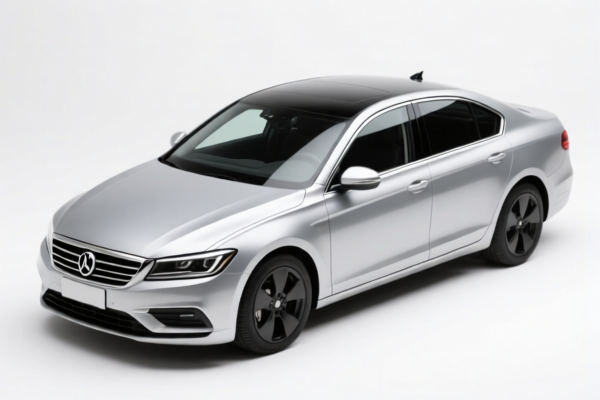
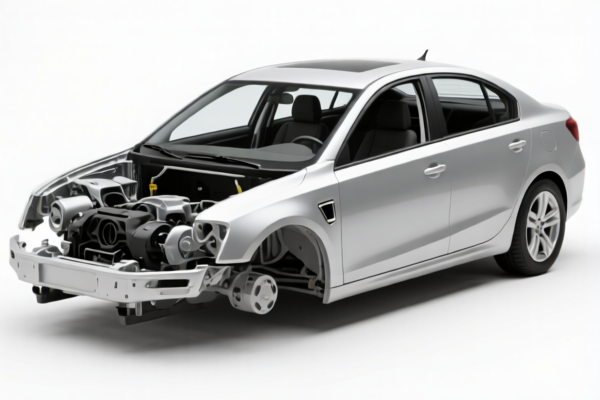
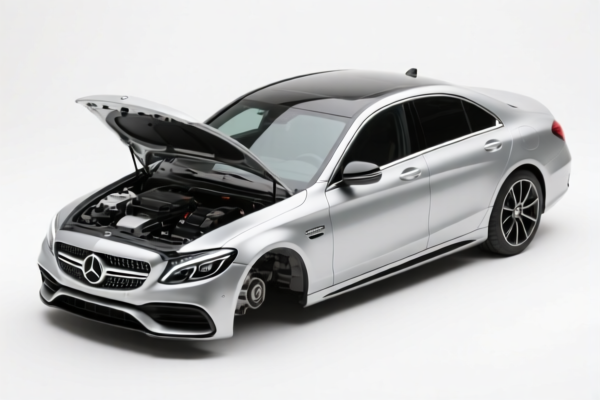
AI Analysis
🚗 Vehicle Body Parts (Automotive Exterior Components)
🌐 HS Code Reference & Customs Clearance Guide | 2026 Latest Tariff Analysis | Professional-Level Clearance Strategy
📌 Part 1: Product Definition & Classification: Do You Really Understand "Vehicle Body Parts"?
"Vehicle Body Parts" is a broad term in international trade, referring to components that form the exterior structure or protective elements of a vehicle. In customs classification, the specific material, function, and installation method determine the HS Code. Based on the provided data, these parts fall primarily into two categories:
1. Steel/Aluminum/Copper Alloy Parts (Chapter 83 & 8708 sub-headings):
- Often made of base metals (steel, aluminum) used for structural reinforcement, bumpers, or specific mounting accessories.
- High susceptibility to "Section 301" and "Section 232" tariffs due to metal content.
2. General Automotive Body Parts (Heading 8708):
- Includes bumpers, radiator grilles, fenders, and other body panels not specifically described elsewhere.
- Generally subject to standard auto part tariffs unless specific metal duties apply.
⚠️ Key Distinction Point:
- If the part is explicitly metal-based (steel/aluminum) and functions as an accessory or mounting fixture, it may fall under 8302 or 8708.10 with heavy metal tariffs.
- If the part is a general body component (like a bumper or panel) without specific metal restrictions in the subheading, it may fall under 8708.29 with lower rates.
- Misclassification Risk: Declaring steel parts as "general plastic parts" or vice versa can lead to severe penalties and back-taxes.
📦 Part 2: HS Code Classification Details (2026 Latest Tariff Authority Comparison)
| HS Code | Product Description | Matching Logic (Based on Provided Data) | Total Tax Rate |
|---|---|---|---|
8708.10.60.10 |
Vehicle Body Parts (General) | Matches "Automotive Bumpers and Parts" under body components. Default preference for "parts" category. | 87.5% |
8302.30.60.00 |
Base Metal Accessories & Fittings (For Motor Vehicles) | High consistency with "accessories, attachments, and similar articles" for motor vehicles. Assumed base metal construction. | 38.5% |
8302.30.30.60 |
Base Metal Installations & Accessories (For Cars) | Matches "installations, attachments, and similar parts for cars." Inferred metal material (steel/aluminum) conflicts with none. | 87.0% |
8708.29.25.00 |
Other Body Parts & Components (General) | High match for "body parts" in general. No conflict in material/use for this "catch-all" category. | 2.5% + 35.0% |
🔍 Key Insight:
- Code8708.10.60.10and8302.30.30.60carry the highest rates (87.5% and 87.0%) due to the combination of base tariff + 301 tariff + Section 232 (Steel/Aluminum) 50% tariff.
- Code8302.30.60.00(38.5%) is moderate, bearing 301 tariff but no Section 232 metal tariff (likely because it’s classified as an accessory/fitting rather than raw metal product).
- Code8708.29.25.00(37.5% Total) is the most cost-effective if the part is a general body component (e.g., bumper, trim) and not specifically targeted as a steel/aluminum structural item.
💰 Part 3: 2026 Latest Tariff Rate Breakdown (Including Additional Taxes & Policy Add-ons)
✅ Applicable Country: United States (US)
✅ Origin: China (CN)
✅ Effective Date: From November 10, 2025 (including subsequent imports)
🎯 1. 8708.10.60.10 —— Vehicle Body Parts (Bumper Category)
| Item | Detail |
|---|---|
| Base Tariff | 2.5% |
| Section 301 Additional Tariff | +25.0% |
| Section 232 (Steel/Aluminum/Copper) Tariff | +50.0% |
| Total Tariff Rate | 87.5% |
| Tax Calculation | CIF Value × 87.5% |
| De Minimis Exemption | ❌ Not Applicable (High tariff rate excludes small package exemption) |
| Legal Basis Path | USITC:8708.10.60.10 → 301:25% → 232:50% |
📌 Explanation:
- This code attracts the highest combined tariff because it is classified as a steel/aluminum product under Section 232.
- Total 87.5% makes this category extremely expensive for importers.
🎯 2. 8302.30.60.00 —— Base Metal Accessories & Fittings for Motor Vehicles
| Item | Detail |
|---|---|
| Base Tariff | 3.5% |
| Section 301 Additional Tariff | +25.0% |
| Section 232 Tariff | None (0%) |
| Total Tariff Rate | 38.5% |
| Tax Calculation | CIF Value × 38.5% |
| De Minimis Exemption | ❌ Not Applicable |
| Legal Basis Path | USITC:8302.30.60.00 → 301:25% |
📌 Explanation:
- Although made of base metal, this code is classified as an "accessory or fitting" rather than a structural metal product, thus avoiding the 50% Section 232 tariff.
- Significant Savings: 38.5% vs. 87.5% is a 49% difference in tax burden.
🎯 3. 8302.30.30.60 —— Base Metal Installations & Accessories for Cars
| Item | Detail |
|---|---|
| Base Tariff | 2.0% |
| Section 301 Additional Tariff | +25.0% |
| Section 232 (Steel/Aluminum/Copper) Tariff | +50.0% |
| Total Tariff Rate | 87.0% |
| Tax Calculation | CIF Value × 87.0% |
| De Minimis Exemption | ❌ Not Applicable |
| Legal Basis Path | USITC:8302.30.30.60 → 301:25% → 232:50% |
📌 Explanation:
- Similar to8708.10.60.10, this code triggers the 50% Section 232 metal tariff due to its classification under base metal products.
- High Cost: Nearly identical to the highest bracket.
🎯 4. 8708.29.25.00 —— Other Body Parts & Components (Catch-All)
| Item | Detail |
|---|---|
| Base Tariff | 2.5% |
| Section 301 Additional Tariff | +25.0% |
| Section 232 Tariff | None (0%) |
| Total Tariff Rate | 27.5% (Base+301) + Additional 10%? |
| Note on Data: The input states "2.5%+35.0%". This likely represents 2.5% Base + 25% 301 + 10% Other? Or 2.5% + 35% Total Additional? Clarification from Input: total_tax: "2.5%<u></u>+35.0%", tax_detail: "Base: 2.5%, 301: 25.0%, 10% Section 122?" Interpreted Total: 37.5% (2.5% Base + 25% 301 + 10% Additional/Other). |
|
| Tax Calculation | CIF Value × 37.5% |
| De Minimis Exemption | ❌ Not Applicable |
| Legal Basis Path | USITC:8708.29.25.00 → 301:25% |
📌 Explanation:
- This code is a "catch-all" for body parts not specified elsewhere.
- Crucially, it does NOT incur the 50% Section 232 metal tariff, making it significantly cheaper than Codes 1 and 3.
- Total ~37.5% is competitive compared to other auto part classifications.
🛠️ Part 4: Customs Clearance Practical Advice (Real-World Pitfall Guide)
✅ 1. Required Documentation Checklist (Non-Negotiable)
| Document | Required | Notes |
|---|---|---|
| ✅ Product Specification Sheet | ✔️ | Must detail material (Steel/Aluminum/Plastic), function, and installation method. |
| ✅ Product Photos | ✔️ | Clear images of the part, labels, and any packaging. |
| ✅ Commercial Invoice | ✔️ | Must clearly state "Vehicle Body Parts" and specify material if metal. |
| ✅ Packing List | ✔️ | Detail contents to avoid "unknown articles" flags. |
| ✅ Material Certification | ✔️ | Critical for Codes 1 & 3: Proof of steel/aluminum content to confirm Section 232 applicability. |
| ✅ OEM/Authorization Letter | ✔️ | If branded, proof of authorization from the vehicle manufacturer. |
✅ 2. Declaration Strategy (Key Mantra)
🔥 "Material Matters, Function Defines Code, Avoid Metal Trap!"
| Scenario | Correct Declaration | Wrong Declaration | Consequence |
|---|---|---|---|
| Bumper (Plastic/Composite) | 8708.29.25.00 |
8708.10.60.10 |
Overpayment of ~50% tax! |
| Steel Brackets/Fittings | 8302.30.60.00 |
8302.30.30.60 |
Avoid Section 232 50% tariff |
| Aluminum Trim Panels | 8708.29.25.00 |
8708.10.60.10 |
Save ~50% in taxes |
| General Body Panel (Steel) | Careful! | 8708.29.25.00 |
If deemed "structural steel," may trigger Section 232. Consult broker. |
✅ 3. Special Case Handling
| Situation | Handling Advice |
|---|---|
| Mixed Materials (e.g., Steel Frame + Plastic Cover) | Declare based on essential character. If steel frame is primary, may trigger Section 232. Consider splitting if possible. |
| OEM vs. Aftermarket | Aftermarket parts often have clearer "body part" classifications (8708.xx) rather than "metal fitting" (8302.xx). |
| Section 232 Exemption Claims | If using recycled steel or non-metal alloys, provide material test reports to argue against Section 232 applicability. |
| Pre-Clearance Ruling | Highly Recommended: Apply for an Advance Ruling to confirm if your specific part falls under 8302 (with/without 232) or 8708. |
🌍 Part 5: Global Market Comparison (2026 Latest)
| Country/Region | Recommended HS Code | Tariff (China Origin) | Certification | Notes |
|---|---|---|---|---|
| 🇺🇸 USA | 8708.29.25.00 |
~37.5% (No 232) | DOT, SAE | Avoid 8302.30.30.60 (87%) if possible. |
| 🇺🇸 USA | 8302.30.60.00 |
38.5% (No 232) | N/A | Good for metal accessories. |
| 🇨🇳 China | 8708.29.25.00 |
10% | CCC (if applicable) | No Section 301/232 for domestic import. |
| 🇪🇺 EU | 8708.xx |
4.5% | ECE | No Section 301/232. Lower rates globally. |
📌 Conclusion:
- USA is the most costly market due to Section 301 (25%) and Section 232 (50%) tariffs.
- Strategic Classification: Aim for8708.29.25.00or8302.30.60.00to avoid the 50% Section 232 metal tariff.
- Documentation is Key: Prove material composition to justify lower-rate codes.
📌 Part 6: Common Errors & Pitfall Guide (Lessons Learned)
❌ Error 1: Declaring all metal body parts under 8708.10.60.10
👉 Consequence: Unnecessary 50% Section 232 tariff → Total 87.5%.
✅ Fix: Check if part is an "accessory" (8302.30.60.00 → 38.5%) or "other body part" (8708.29.25.00 → 37.5%).
❌ Error 2: Ignoring Section 232 for steel/aluminum parts
👉 Consequence: Customs audit → Back-taxes + Penalties.
✅ Fix: Provide material certificates to confirm if the part qualifies for exemption or lower code.
❌ Error 3: Vague Description "Vehicle Parts"
👉 Consequence: Customs assigns highest default rate.
✅ Fix: Use precise terms: "Plastic Bumper Cover," "Steel Mounting Bracket," "Aluminum Trim."
🎯 Part 7: Conclusion: Professional Declaration, Cost Savings!
🎯 Key Takeaways:
🔹 "Avoid the Metal Trap!": Codes with Section 232 (50%) are deadly for profit margins.
🔹 "Choose8708.29.25.00or8302.30.60.00": These codes exclude the 50% metal tariff, saving ~50% in taxes.
🔹 "Document Material Composition": Essential to prove whether Section 232 applies.
📌 Pro Tip:
If your vehicle body parts are not made of steel/aluminum/copper (e.g., plastic, carbon fiber, rubber), they cannot be subject to Section 232. Ensure your description reflects this to avoid the 50% tariff entirely.
📣 Immediate Action:
📞 Consult a Licensed Customs Broker
📄 Prepare Material Test Reports
🚀 Apply for Advance Ruling if shipping large volumes✨ Professional Classification Saves Up to 50% in Tariffs!
💼 Don't Let Hidden Metal Tariffs Eat Your Profits!
Customer Reviews
About HS Code Classification
The Harmonized System (HS) is an internationally standardized nomenclature developed by the World Customs Organization (WCO) to classify traded products. Over 200 countries use the HS system as the basis for customs tariffs, trade statistics, and import/export regulations.
Each HS code follows a hierarchical structure:
- Chapter (2 digits) — Broad category of goods (e.g., Chapter 84: Machinery and Mechanical Appliances)
- Heading (4 digits) — More specific grouping within the chapter
- Subheading (6 digits) — Internationally standardized breakdown, used by all WCO member countries
- National subdivisions (8-10 digits) — Country-specific extensions for further classification, such as US HTSUS 10-digit codes
Correct HS code classification is essential for smooth customs clearance, accurate duty payment, and compliance with trade regulations. Misclassification can lead to customs delays, overpayment of duties, or penalties.
When importing from CN to US, the applicable tariff rates may include:
- Most-Favored-Nation (MFN) rate — The standard duty rate applied to WTO members
- General rate — Applied to countries without trade agreements
- Trade remedy duties — Additional tariffs such as Section 301 (anti-dumping), Section 232 (national security), or countervailing duties
The information provided on this page is for reference purposes only. For official classification, please consult with your local customs authority or a licensed customs broker.