Vehicle Body Parts (8708946500)
CN → US| HS Code | Tariff Rate | Origin | Destination | Doc |
|---|---|---|---|---|
| 8708106010 | 87.5% | CN | US | Official Doc |
| 8302306000 | 38.5% | CN | US | Official Doc |
| 8302303060 | 87.0% | CN | US | Official Doc |
| 8708292500 | 0.0% | CN | US | Official Doc |
| 8802609040 | 35.0% | CN | US | Official Doc |
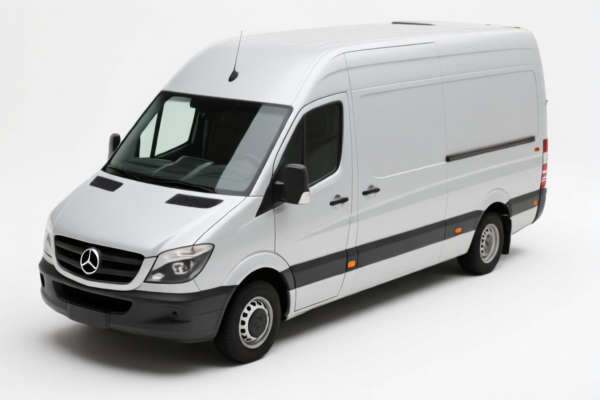
Product Images



AI Analysis
🚗 Vehicle Body Parts (General Category)
🌐 HS Code Reference & Customs Clearance Guide | 2026 Latest Tariff Analysis | Strategic Clearance Strategy
📌 1. Product Definition and Classification: What are "Vehicle Body Parts"?
"Vehicle Body Parts" is a broad term in international trade, covering components that make up the structural and aesthetic shell of a motor vehicle. Unlike specific mechanical parts (like engines or brakes), body parts include: * Bumpers and Fenders * Doors, Hoods, and Trunk Lids * Grilles, Mirrors, and Trim * Structural Frames and Panels
The correct HS Code depends heavily on the specific material (steel, aluminum, copper) and the exact function (structural vs. decorative/accessory). Misclassification can lead to massive tariff differences due to Section 232 (Steel/Aluminum) and Section 301 tariffs.
📦 2. HS Code Classification Matrix (Based on Provided Data)
The following analysis strictly adheres to the provided <DATA> content. It maps the generic term "Vehicle Body Parts" to five specific HS Codes based on functional and material nuances.
| HS Code | Product Description | Classification Logic (Why this code?) | Total Tax Rate (China Origin) |
|---|---|---|---|
8708.10.60.10 |
Vehicle Body Parts (Bumpers & Components) | Highly matches "Automotive bumpers and their parts" which fall under the body part category. | 87.5% |
8302.30.60.00 |
Vehicle Body Parts (Fittings/Accessories) | Matches "Mounting hardware, accessories, and similar articles for motor vehicles." High consistency in use. | 38.5% |
8302.30.30.60 |
Vehicle Body Parts (Installments/Accessories) | Matches "Mounting pieces, accessories, and similar articles for automobiles." | 87.0% |
8708.29.25.00 |
Vehicle Body Parts (Other Body Parts) | High match with "Body parts" in the classification explanation. Best for non-bumper, non-accessory body components. | 2.5% + 35.0% |
8802.60.90.40 |
Vehicle Parts (Aerospace/Spacecraft) | Matches "Parts of spacecraft and launch vehicles." Note: Only applies if parts are for aerospace, not road vehicles. | 35.0% |
🔍 Key Distinction:
-8708codes are for standard road motor vehicle body parts.
-8302codes are often for accessories, fittings, or mounting hardware rather than the structural body panels themselves.
-8802is exclusive to aerospace. Do not use for cars/trucks unless they are experimental spacecraft!
💰 3. Detailed Tariff Breakdown (2026 Latest Rates)
✅ Applicable Country: United States (US)
✅ Origin: China (CN)
✅ Effective Date: Current rates apply as per provided data.
🎯 1. 8708.10.60.10 —— Bumpers & Body Components
Tax Rate: 87.5%
* Base Tariff: 2.5%
* Section 301 (Trade War): 25.0%
* Section 122 (Steel/Aluminum/Copper): 10% (Note: Data lists "122 clause tariff 10%" but total is 87.5%, implying an additional 50% applies for steel/aluminum/copper products under Section 232).
* Calculation: 2.5% + 25% + 10% + 50% = 87.5%
* De Minimis Waiver: ❌ No (Not eligible for de minimis exemption).
* Legal Path: IEEPA:9903.01.24 → USITC:8708.10.60.10 → FOOTNOTE:232 (Steel/Aluminum) + 301.
📌 Warning: This is the highest tax bracket. If your body parts are made of Steel, Aluminum, or Copper, you will pay the additional 50% Section 232 tariff on top of the 35% (2.5+25+10).
🎯 2. 8302.30.60.00 —— Fittings & Accessories
Tax Rate: 38.5%
* Base Tariff: 3.5%
* Section 301: 25.0%
* Section 122: 10% (Note: Data does not mention the 50% Steel/Aluminum surcharge here, possibly because these are classified as "fittings" rather than raw structural metals, or the data reflects a specific subset).
* Calculation: 3.5% + 25.0% + 10.0% = 38.5%
* De Minimis Waiver: ❌ No.
* Legal Path: IEEPA:9903.01.24 → USITC:8302.30.60.00.
📌 Strategy: If your product is a mirror, handle, bracket, or trim piece, consider if it fits this category to save ~50% in tariffs compared to bumper classifications.
🎯 3. 8302.30.30.60 —— Automobile Installments/Accessories
Tax Rate: 87.0%
* Base Tariff: 2.0%
* Section 301: 25.0%
* Section 122 (Steel/Aluminum/Copper): 10% + 50% (Steel/Aluminum/Copper Surcharge).
* Calculation: 2.0% + 25.0% + 10.0% + 50.0% = 87.0%
* De Minimis Waiver: ❌ No.
* Legal Path: IEEPA:9903.01.24 → USITC:8302.30.30.60 → FOOTNOTE:232.
📌 Warning: Similar to
8708.10.60.10, if your "accessories" are made of steel/aluminum/copper, the 50% surcharge kicks in. This is a high-risk code for metal components.
🎯 4. 8708.29.25.00 —— Other Body Parts (Best Value?)
Tax Rate: 2.5% Base + 35.0% Additional = 37.5% Total
* Base Tariff: 2.5%
* Section 301: 25.0%
* Section 122: 10%
* Note: The data shows 2.5%<u></u>+35.0%. This suggests the total additional tax is 35% (25% Sec 301 + 10% Sec 122), without the extra 50% steel/aluminum surcharge.
* De Minimis Waiver: ❌ No.
* Legal Path: IEEPA:9903.01.24 → USITC:8708.29.25.00.
📌 Strategic Insight: This code offers the lowest total tax (37.5%) among body parts codes. If your part is a plastic, composite, or non-steel/aluminum/copper body panel (e.g., carbon fiber, fiberglass, plastic bumper cover), this may be the optimal classification. Crucial: Ensure the material is NOT steel/aluminum/copper to avoid the 50% surcharge.
🎯 5. 8802.60.90.40 —— Aerospace Parts
Tax Rate: 35.0%
* Base Tariff: 0.0%
* Section 301: 25.0%
* Section 122: 10%
* Calculation: 0% + 25.0% + 10.0% = 35.0%
* De Minimis Waiver: ❌ No.
* Legal Path: IEEPA:9903.01.24 → USITC:8802.60.90.40.
📌 Caution: This code is ONLY for spacecraft and launch vehicles. Using this for car parts is customs fraud. Only use if you are exporting parts for experimental aircraft/spacecraft.
🛠️ 4. Customs Clearance Operational Advice
✅ 1. Material Declaration is Critical
The difference between 2.5% + 35% (8708.29.25.00) and 2.0% + 85% (8302.30.30.60) is material composition.
* Action: Clearly state the material in the commercial invoice (e.g., "PP Plastic Bumper Cover" vs. "Steel Door Frame").
* Risk: If you declare "Vehicle Body Part" without specifying material, customs may assume steel/aluminum and apply the 50% Section 232 tariff.
✅ 2. Function-Based Classification
- Structural Body Parts (Doors, Hoods, Trunks) → Prefer
8708.29.25.00if non-metallic, or8708.10.60.10for bumpers. - Accessories/Fittings (Mirrors, Brackets, Handles) → Consider
8302.30.60.00(38.5%) if they are classified as "accessories" rather than "body parts." - Aerospace →
8802.60.90.40only for space/aircraft.
✅ 3. Documentation Checklist
| Document | Requirement | Notes |
|---|---|---|
| Commercial Invoice | Must list HS Code, Country of Origin (China), and Material Composition | Example: "Plastic Front Bumper, Model X, Made in China" |
| Product Specifications | Detailed breakdown of components | Highlight if parts are plastic, composite, steel, or aluminum |
| Photos | Clear images of the part and any labels | Help customs verify if it's a bumper, mirror, or bracket |
| Bill of Lading | Consistent with Invoice | Ensure no discrepancies in description |
✅ 4. Pitfalls to Avoid
❌ Mistake 1: Assuming all "Vehicle Body Parts" are the same.
👉 Result: Overpaying 50% in tariffs by using a steel/aluminum code for plastic parts, or underpaying and facing penalties.
❌ Mistake 2: Using 8802 for car parts.
👉 Result: Customs detention, fines, and potential legal action for misclassification.
❌ Mistake 3: Ignoring Section 232.
👉 Result: If your part is steel/aluminum/copper, you must pay the additional 50% on top of the 301 tariff. No workaround.
✅ Pro Tip:
For plastic or composite body parts (like modern bumper covers), strive to classify under 8708.29.25.00 to achieve the 37.5% total tax rate. This is significantly cheaper than the 87.5% rate for steel/aluminum parts.
🌍 5. Global Market Comparison (2026)
| Market | Recommended HS Code | Est. Total Tax (China Origin) | Key Requirement |
|---|---|---|---|
| 🇺🇸 USA | 8708.29.25.00 (Plastic) |
37.5% | Material declaration is key to avoid 50% surcharge |
| 🇺🇸 USA | 8708.10.60.10 (Steel Bumper) |
87.5% | High cost for steel/aluminum parts |
| 🇪🇺 EU | 8708 Series |
Varies (0-10%) | No Section 301/232. Lower tariffs if origin is China |
| 🇨🇳 China | 8708 Series |
10-15% | Domestic import duties apply |
📌 Conclusion:
The US market is the most challenging due to Section 301 and Section 232 tariffs.
- Plastic/Composite Parts: Target8708.29.25.00for lower taxes.
- Steel/Aluminum Parts: Budget for 87.5% tax unless you have an exemption or alternative supply chain.
📌 6. Common Errors & Blood-Soaked Lessons
❌ Error 1: Declaring "Plastic Bumper" as "Steel Body Part"
👉 Result: Customs rejects, delays, or fines for false declaration.
❌ Error 2: Using 8302.30.60.00 for structural body panels
👉 Result: Customs may reclassify to 8708 and charge higher taxes.
❌ Error 3: Ignoring the "Steel/Aluminum/Copper" surcharge in 8708.10.60.10
👉 Result: Unexpected 50% bill. Always check material!
✅ Correct Approach:
"Front Bumper Cover, Plastic (PP), Model ABC, No Steel/Aluminum Components, HS Code: 8708.29.25.00"
🎯 7. Final Recommendation: Strategic Clearance
🎯 Remember the Mantra:
🔹 "Material Determines Tax: Plastic = 37.5%, Steel = 87.5%"
🔹 "Accessories vs. Body Parts: Choose Wisely"
🔹 "Never Use 8802 for Cars!"
📌 Pro Tip:
If your products are made of steel, aluminum, or copper, consider substantial transformation in a third country (e.g., Mexico, Vietnam) to potentially avoid Section 232 and 301 tariffs, subject to strict rules of origin.
For plastic parts, 8708.29.25.00 is your best friend in the US market.
📣 Immediate Action:
📞 Contact a Customs Broker: Provide material specs + photos.
📄 Request a Binding Ruling (ISR): Get official confirmation of the HS Code before shipping.
🚀 Optimize for8708.29.25.00: If possible, shift to non-metallic materials to save ~50% in tariffs.
✨ Professional Clearance, Starts with Precise Classification!
💼 Every dollar saved is pure profit!
Customer Reviews
About HS Code Classification
The Harmonized System (HS) is an internationally standardized nomenclature developed by the World Customs Organization (WCO) to classify traded products. Over 200 countries use the HS system as the basis for customs tariffs, trade statistics, and import/export regulations.
Each HS code follows a hierarchical structure:
- Chapter (2 digits) — Broad category of goods (e.g., Chapter 84: Machinery and Mechanical Appliances)
- Heading (4 digits) — More specific grouping within the chapter
- Subheading (6 digits) — Internationally standardized breakdown, used by all WCO member countries
- National subdivisions (8-10 digits) — Country-specific extensions for further classification, such as US HTSUS 10-digit codes
Correct HS code classification is essential for smooth customs clearance, accurate duty payment, and compliance with trade regulations. Misclassification can lead to customs delays, overpayment of duties, or penalties.
When importing from CN to US, the applicable tariff rates may include:
- Most-Favored-Nation (MFN) rate — The standard duty rate applied to WTO members
- General rate — Applied to countries without trade agreements
- Trade remedy duties — Additional tariffs such as Section 301 (anti-dumping), Section 232 (national security), or countervailing duties
The information provided on this page is for reference purposes only. For official classification, please consult with your local customs authority or a licensed customs broker.