Vehicle Body with Cabin
CN → US| HS Code | Tariff Rate | Origin | Destination | Doc |
|---|---|---|---|---|
| 8714100050 | 17.5% | CN | US | Official Doc |
| 8707100020 | 37.5% | CN | US | Official Doc |
| 8708295160 | 0.0% | CN | US | Official Doc |
| 8714998000 | 27.5% | CN | US | Official Doc |
| 8714998000 | 27.5% | CN | US | Official Doc |
Product Images
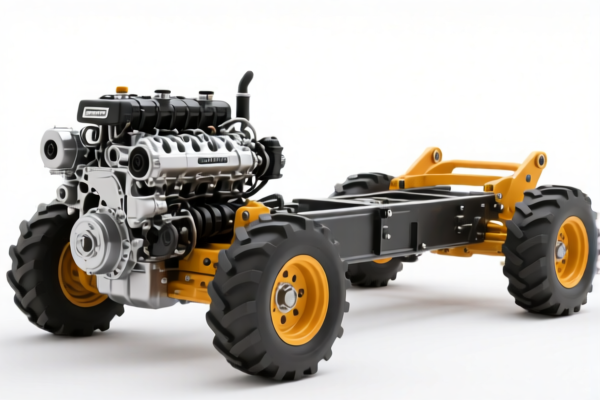
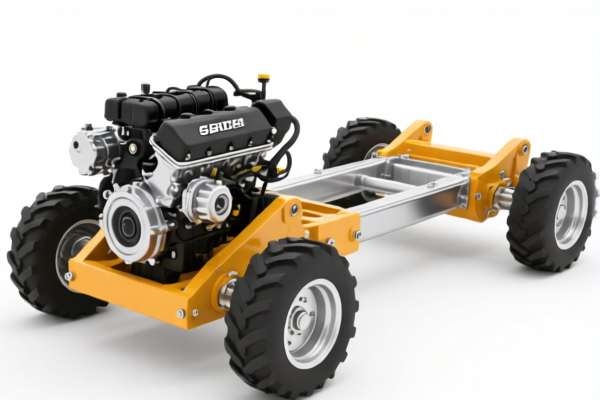
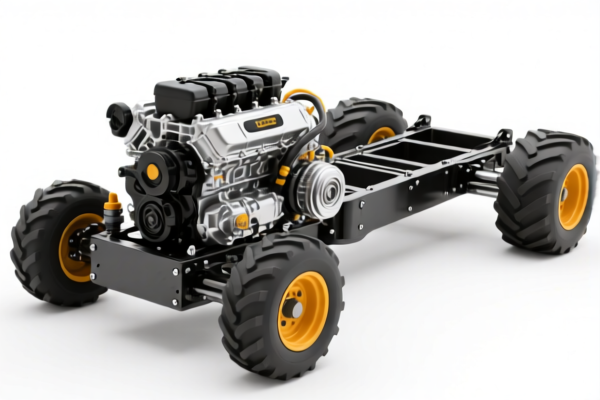
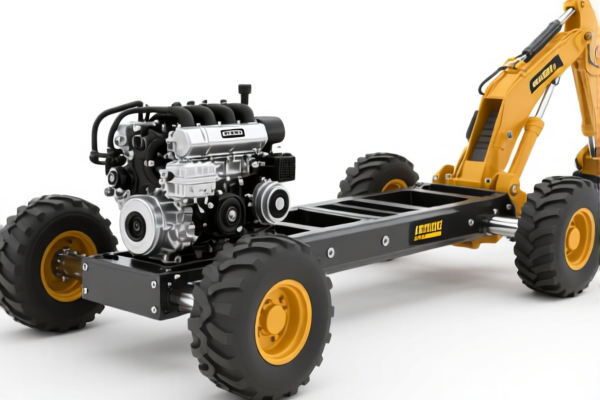
AI Analysis
🚗 Vehicle Body with Cabin (Automotive Bodies including Cabins)
🌐 HS Code Reference & Customs Clearance Guide | 2026 Latest Tariff Analysis | Professional Clearance Strategy
📌 I. Product Definition & Classification: What is a "Vehicle Body with Cabin"?
In the context of international trade, a "Vehicle Body with Cabin" refers to the main structural shell of a vehicle, specifically designed for passenger cars (passenger vehicles). This includes the chassis frame that supports the body and the enclosed space (cabin) for passengers or the driver's compartment (cab).
⚠️ Key Distinction:
- Passenger Car Body (Heading 8707): The main structure for cars, SUVs, vans. Includes the cabin/frame. → HS 8707.10.00.20
- Motorcycle Parts (Heading 8714): Structural components for motorcycles, frames, fairings. → HS 8714.10.00.50 / 8714.99.80.00
- General Car Body Parts (Heading 8708): Doors, hoods, bumpers, or non-structural panels. → HS 8708.29.51.60
📦 II. HS Code Classification Details (2026 Latest Tariff Authority对照)
Based on the provided data, here are the specific HS Codes and their corresponding tariff structures for products related to "Vehicle Bodies" and their components.
| HS Code | Product Description | Applicable Scenario | Material/Feature |
|---|---|---|---|
8707.10.00.20 |
Vehicle Bodies, including cabins | Main body shells for passenger cars, SUVs, minivans. Includes the driver's cabin structure. | Complete structural shell |
8714.10.00.50 |
Motorcycle Body Structure Parts | Frames, fairings, and structural components for motorcycles. | Motorcycle-specific structure |
8708.29.51.60 |
Car Body Parts (Other) | Doors, fenders, hoods, or other non-structural body panels/accessories for cars. | Steel, Aluminum, Copper products |
8714.99.80.00 |
Vehicle Structure Parts (Other) | Structural components for vehicles (non-motorcycle/car specific body), falling under general vehicle parts. | Metal or Composite Materials |
8714.99.80.00 |
Vehicle Structure Parts (Metal/Composite) | Similar to above, specifically highlighting material composition. | Metal or Composite Materials |
🔍 Critical Note:
- "Vehicle Body with Cabin" specifically maps to8707.10.00.20if it is for a passenger vehicle.
- If the product is a motorcycle frame or bodywork, it falls under8714.10.00.50.
- If it is a door, hood, or panel (not the entire body shell), it may fall under8708.29.51.60.
- Do not mix these categories. Misclassification leads to significant tariff discrepancies (e.g., 37.5% vs. 2.5% + 50%).
💰 III. 2026 Latest Tariff Rate Breakdown (Including Surtaxes & Policy Add-ons)
✅ Applicable Country: United States (US)
✅ Origin: China (CN)
✅ Effective Time: Current rates as per provided data (includes Section 301, Section 232, and IEEPA implications)
🎯 1. 8707.10.00.20 – Vehicle Bodies, including cabins (Passenger Cars)
This is the most critical code for "Vehicle Body with Cabin." It carries the highest surcharge due to its classification as a primary vehicle body.
| Item | Content |
|---|---|
| Base Tariff | 2.5% (Standard MFN Rate) |
| Section 301 Surcharge | +25.0% (Trade Act of 1974, Section 301) |
| Section 232 Surcharge | +10% (Steel & Aluminum Products / "122 Clause" implication for auto bodies) |
| Total Tariff Rate | 37.5% |
| Tax Calculation | CIF Value × 37.5% |
| De Minimis Exemption | ❌ Not Applicable |
| Legal Basis Path | 8707.10.00.20 → 301: List 3 (25%) + 232/122 Clause (10%) |
📌 Explanation:
- The 2.5% is the standard base duty for vehicle bodies.
- The 25% is the Section 301 tariff applied to most Chinese automotive parts and bodies.
- The 10% is the additional "122 Clause" or Section 232-related surcharge for steel/aluminum-intensive products or auto bodies.
- Total: 37.5%. This is a high-cost item. Importers must budget accordingly.
🎯 2. 8708.29.51.60 – Car Body Parts (Steel, Aluminum, Copper)
This code is used for specific body parts (e.g., doors, hoods) made of metal. It has a complex tax structure due to material-specific surcharges.
| Item | Content |
|---|---|
| Base Tariff | 2.5% |
| Section 301 Surcharge | +25.0% |
| Section 232 Surcharge (Material-Specific) | +50.0% (Steel, Aluminum, Copper products) |
| 122 Clause Surcharge | +10% |
| Total Tariff Rate | 2.5% + 85.0% (Note: The 85% is the sum of 25+50+10, plus the base) |
| Detailed Breakdown | Base: 2.5%, 301: 25%, 232/Material: 50%, 122: 10% |
| Total Effective Rate | 87.5% (if fully stacked) or 2.5% + 85.0% as labeled |
📌 Explanation:
- This code attracts the highest penalty.
- The 50% surcharge is specifically for Steel, Aluminum, and Copper products under Section 232.
- If your car body part is made of carbon fiber or plastic, this 50% may not apply, but you must provide material certificates.
- Warning: Misdeclaring a steel door as a "plastic part" is customs fraud.
🎯 3. 8714.10.00.50 – Motorcycle Body Structure Parts
If your "Vehicle Body with Cabin" is actually a motorcycle frame or bodywork, the tariff is lower.
| Item | Content |
|---|---|
| Base Tariff | 0.0% |
| Section 301 Surcharge | +7.5% |
| Section 232 Surcharge (122 Clause) | +10.0% |
| Total Tariff Rate | 17.5% |
| Tax Calculation | CIF Value × 17.5% |
📌 Explanation:
- Lower base rate (0%) and lower surcharge (7.5%) compared to car bodies.
- Ensure the product is strictly for motorcycles (bicycles, mopeds, motorcycles) to avoid misclassification.
🎯 4. 8714.99.80.00 – Vehicle Structure Parts (Other)
For general vehicle structural components that don't fit the specific body codes.
| Item | Content |
|---|---|
| Base Tariff | 10.0% |
| Section 301 Surcharge | +7.5% |
| Section 232 Surcharge (122 Clause) | +10.0% |
| Total Tariff Rate | 27.5% |
| Tax Calculation | CIF Value × 27.5% |
📌 Explanation:
- Higher base rate (10%) but lower surcharge than car bodies.
- Material is typically metal or composite.
- Use this only if the part does not fit8707or8714.10.
🛠️ IV. Customs Clearance Practical Advice (Risk Avoidance Guide)
✅ 1. Documentation Checklist (Mandatory)
| Document | Required | Notes |
|---|---|---|
| ✅ Product Specifications | ✔️ | Clearly state: "Vehicle Body," "Cabin Included," "Material: Steel/Aluminum," "For Passenger Car." |
| ✅ Material Certificate | ✔️ | Critical for 8708.29.51.60. Must specify if it is Steel, Aluminum, or Plastic. |
| ✅ Technical Drawing | ✔️ | Show dimensions, attachment points, and confirm if it includes the cabin/enclosure. |
| ✅ Commercial Invoice | ✔️ | Describe as "Vehicle Body for Passenger Car, HS 8707.10.00.20." Do not use generic terms like "Car Parts." |
| ✅ Packing List | ✔️ | Confirm no other accessories (like mirrors, lights) are included that might change the classification. |
| ✅ Origin Certificate | ✔️ | If non-Chinese, claim preferential rates. If Chinese, be prepared for surcharges. |
✅ 2. Declaration Tips (Key Mantras)
🔥 "Body vs. Part: Cabin is Key. Steel is Expensive. Be Precise."
| Scenario | Correct Declaration | Wrong Action |
|---|---|---|
| Full Car Body with Cabin | HS 8707.10.00.20 |
Misdeclare as "Car Parts" (8708) → Risk of 87.5% tariff if steel. |
| Motorcycle Frame | HS 8714.10.00.50 |
Misdeclare as "Car Part" → Higher tariff or rejection. |
| Steel Car Door | HS 8708.29.51.60 |
Misdeclare as "Plastic Part" → Customs fraud, penalties. |
| Composite Car Part | HS 8708.29.51.60 (if non-metal) |
Misdeclare as "Steel" → Overpay 50% surcharge. |
✅ 3. Special Handling
| Situation | Advice |
|---|---|
| Mixed Materials | If a body part is 90% steel and 10% plastic, it is usually classified under the primary material (Steel), triggering the 50% surcharge. |
| Pre-Assembled vs. Knocked Down | Even if knocked down (CKD), if it constitutes the entire body shell, it may still be classified as 8707. |
| Customs Pre-Ruling | For high-value shipments, apply for an Advance Ruling from CBP. It costs money but saves thousands in disputes. |
| Section 232 Exemptions | If your aluminum/steel parts are not used in automotive applications, explore exemptions, but "Vehicle Body" is rarely exempt. |
🌍 V. Global Market Comparison (2026 Latest)
| Country/Region | Recommended HS Code | Tariff (China Origin) | Certification | Notes |
|---|---|---|---|---|
| 🇺🇸 USA | 8707.10.00.20 |
37.5% | None specific | High tariffs due to 301/232. |
| 🇨🇳 China | 8707.10.00.20 |
5% | CCC | No surcharges. |
| 🇪🇺 EU | 8707.10.00.20 |
10% | CE/Euro 7 | No Section 301/232 equivalents. |
| 🇲🇽 Mexico | 8707.10.00.20 |
0% (under USMCA) | None | If originating in USMCA region. |
| 🇻🇳 Vietnam | 8707.10.00.20 |
0% (if assembled there) | None | Potential for duty-free export to US if sufficient transformation. |
📌 Conclusion:
- USA: Highest cost (37.5%+). Consider supply chain diversification (Mexico/Vietnam) if volume is high.
- EU/China: Moderate cost. Focus on quality and compliance.
- Mexico/Vietnam: Potential for 0% tariffs under trade agreements, but must meet Rules of Origin.
📌 VI. Common Mistakes & Pitfalls (Lessons Learned)
❌ Mistake 1: Declaring a "Steel Car Body" as "Motorcycle Part"
👉 Consequence: Customs seizure for misclassification. Penalties up to 300% of duty owed.
❌ Mistake 2: Ignoring the "122 Clause" / Section 232 for Steel/Aluminum
👉 Consequence: Unexpected 50% surcharge on 8708 parts. Total tariff can exceed 80%.
❌ Mistake 3: Using "Car Part" as a generic description
👉 Consequence: CBP may classify it as 8708.29.51.60 (high tax) or 8707.10.00.20 (high tax) based on best judgment, leading to delays.
✅ Correct Practice:
"Vehicle Body Shell for Passenger Car, Including Cabin, Steel Construction, HS 8707.10.00.20, Made in China"
🎯 VII. Conclusion: Professional Classification, Cost Control, Compliance
🎯 Remember the Mantra:
🔹 "Cabin = 8707 (37.5%). Door = 8708 (87.5% if steel). Motorcycle = 8714 (17.5%)."
🔹 "Material Matters: Steel/Aluminum triggers 50% surcharge on parts."
🔹 "Be Specific: Generic terms invite audits and high tariffs."
📌 Pro Tip:
If you are importing Vehicle Bodies with Cabin into the US:
1. Verify Material: Is it Steel/Aluminum? Expect higher taxes.
2. Pre-Ruling: Get an Advance Ruling from CBP for 8707.10.00.20.
3. Supply Chain: Consider nearshoring to Mexico or Vietnam for duty-free entry if possible.
📣 Immediate Action:
📞 Contact a licensed customs broker + Provide detailed material specs + Apply for HS Code pre-ruling.
🚀 Ensure your "Vehicle Body with Cabin" clears customs smoothly without unexpected 37.5%+ surprises!
✨ Professional Clearance Starts with Precise Classification!
💼 Every cent of tariff is calculated with precision!
Customer Reviews
About HS Code Classification
The Harmonized System (HS) is an internationally standardized nomenclature developed by the World Customs Organization (WCO) to classify traded products. Over 200 countries use the HS system as the basis for customs tariffs, trade statistics, and import/export regulations.
Each HS code follows a hierarchical structure:
- Chapter (2 digits) — Broad category of goods (e.g., Chapter 84: Machinery and Mechanical Appliances)
- Heading (4 digits) — More specific grouping within the chapter
- Subheading (6 digits) — Internationally standardized breakdown, used by all WCO member countries
- National subdivisions (8-10 digits) — Country-specific extensions for further classification, such as US HTSUS 10-digit codes
Correct HS code classification is essential for smooth customs clearance, accurate duty payment, and compliance with trade regulations. Misclassification can lead to customs delays, overpayment of duties, or penalties.
When importing from CN to US, the applicable tariff rates may include:
- Most-Favored-Nation (MFN) rate — The standard duty rate applied to WTO members
- General rate — Applied to countries without trade agreements
- Trade remedy duties — Additional tariffs such as Section 301 (anti-dumping), Section 232 (national security), or countervailing duties
The information provided on this page is for reference purposes only. For official classification, please consult with your local customs authority or a licensed customs broker.