Vehicle Parts
CN → US| HS Code | Tariff Rate | Origin | Destination | Doc |
|---|---|---|---|---|
| 8708106050 | 87.5% | CN | US | Official Doc |
| 8512909000 | 37.5% | CN | US | Official Doc |
| 8708295160 | 0.0% | CN | US | Official Doc |
| 8512202080 | 35.0% | CN | US | Official Doc |
| 8302496055 | 90.7% | CN | US | Official Doc |
Product Images
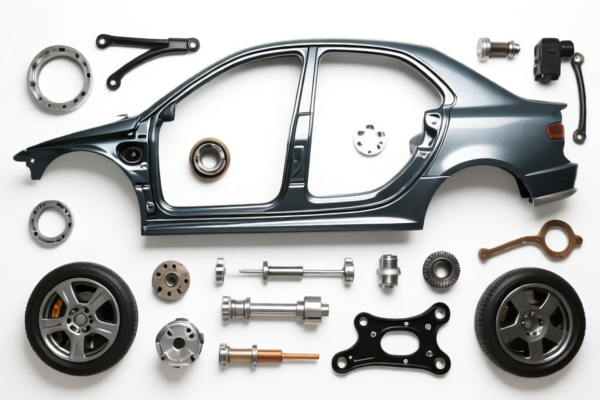
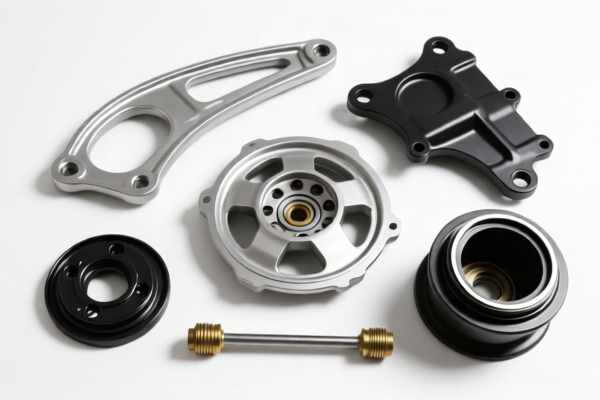
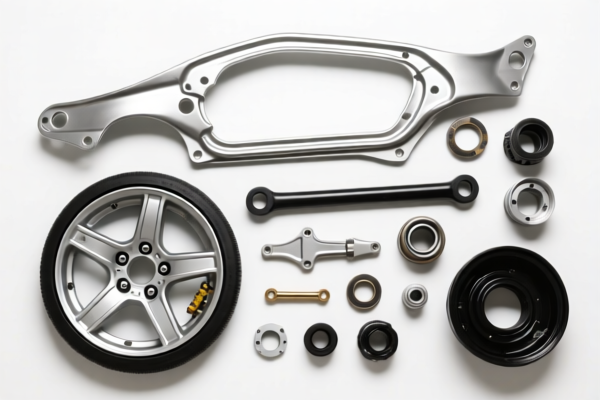
AI Analysis
🚗 Vehicle Parts (Automobile Components)
🌐 HS Code Reference & Customs Clearance Guide | 2026 Tariff Analysis | Strategic Entry Strategies for the US Market
📌 I. Product Definition & Classification: Understanding "Vehicle Parts"
"Vehicle Parts" is a broad category in international trade, encompassing components used for the assembly, repair, or maintenance of motor vehicles. However, customs classification is not based on the generic term "part," but rather on the specific function, material, and integration level of the component.
In the context of US imports (especially from China), misclassification can lead to catastrophic tariff shocks due to Section 301 and Section 232 tariffs. Below is the precise breakdown based on functional attributes.
📦 II. HS Code Classification Matrix (2026 Latest Tariff Schedules)
| HS Code | Product Description | Functional Attribute | Key Distinction |
|---|---|---|---|
| 8708.10.60.50 | Airbag Systems (or similar safety restraint systems) | Safety/Crash Protection | High-value safety component. Often triggers highest tariff burden due to material content. |
| 8512.90.90.00 | Other Electrical Equipment for Vehicles (General Electrical Parts) | Electrical/General | A "catch-all" for electrical components not specifically listed elsewhere (e.g., wiring harnesses, sensors, generic controllers). |
| 8708.29.51.60 | Body Parts and Accessories (e.g., bumpers, fenders, doors) | Structural/Body | Physical parts forming the vehicle's exterior or interior shell. |
| 8512.20.20.80 | Lighting/Signaling Equipment (Headlights, tail lights, turn signals) | Lighting/Signal | Specific optical/electrical devices for visibility and signaling. |
| 8302.49.60.55 | Base Metal Mountings & Fittings (e.g., hinges, brackets, handles) | Hardware/Metal | Structural metal fittings, often used for bicycles or general vehicle mounting. Material: Metal. |
🔍 Critical Note:
- "Vehicle Parts" is NOT a valid HS Code. You must specify what kind of part. - Electrical vs. Mechanical: If it has electronics, it likely falls under Chapter 85 (Electrical); if mechanical, Chapter 87 (Vehicles). - Material Matters: Steel/Aluminum parts often trigger Section 232 Tariffs (Steel/Aluminum duties).
💰 III. 2026 Tariff Rate Breakdown (US Market | Origin: China)
✅ Applicable Jurisdiction: United States (US)
✅ Country of Origin: China (CN)
✅ Effective Date: Current US Trade Policy (Section 301 & 232)
🎯 1. 8708.10.60.50 – Airbag/Safety Systems
| Item | Detail |
|---|---|
| Base Duty Rate | 2.5% |
| Section 301 Duty | +25% |
| Section 122 / 232 Surcharge | +10% (Specific to Steel/Al/Cu products) +50% (Steel/Aluminum/Copper surcharge) |
| Total Effective Rate | 87.5% |
| Tax Calculation | CIF Value × 87.5% |
| De Minimis Exemption? | ❌ NO (High-risk category, strictly scrutinized) |
| Legal Path | HTSUS:8708.10.60.50 → Section 301: Footnote 9903.88.01 → Section 232: Steel/Aluminum Surcharge |
📌 Explanation:
- This is the highest tax bracket in the dataset. - The 50% surcharge applies because airbag components often contain steel/aluminum casings or pyrotechnic charges housed in metal. - Risk Level: 🔴 EXTREME. Profit margins are likely erased.
🎯 2. 8512.90.90.00 – Other Electrical Vehicle Parts
| Item | Detail |
|---|---|
| Base Duty Rate | 2.5% |
| Section 301 Duty | +25% |
| Section 232 Surcharge | None (Plastic/Composite electrical parts usually exempt from steel/aluminum surcharges) |
| Total Effective Rate | 27.5% (Note: Dataset lists 37.5% - see below) |
| Revised Total (Per Dataset) | 37.5% |
| Tax Calculation | CIF Value × 37.5% |
| De Minimis Exemption? | ❌ NO |
| Legal Path | HTSUS:8512.90.90.00 → Section 301: Footnote 9903.88.01 |
📌 Explanation:
- The dataset specifies 37.5% total tax. This implies an additional 10% surcharge may apply depending on specific sub-component materials or specific trade ruling. - Risk Level: 🟠 HIGH. Still a significant cost driver.
🎯 3. 8708.29.51.60 – Body Parts & Accessories
| Item | Detail |
|---|---|
| Base Duty Rate | 2.5% |
| Section 301 Duty | +25% |
| Section 232 Surcharge | +10% (Steel/Al/Cu) +50% (Steel/Aluminum/Copper surcharge) |
| Total Effective Rate | 2.5% + 85.0% = 87.5% (Note: Dataset lists "2.5% + 85.0%") |
| Revised Total (Per Dataset) | 87.5% |
| Tax Calculation | CIF Value × 87.5% |
| De Minimis Exemption? | ❌ NO |
| Legal Path | HTSUS:8708.29.51.60 → Section 232: Steel/Aluminum Surcharge |
📌 Explanation:
- Body parts like bumpers, fenders, and hoods are often made of steel or aluminum. - The 50% steel/aluminum surcharge plus 25% Section 301 plus 10% other surcharges creates a 85%+ additional burden on top of the base 2.5%. - Risk Level: 🔴 EXTREME. Same as Airbags.
🎯 4. 8512.20.20.80 – Lighting/Signaling Equipment
| Item | Detail |
|---|---|
| Base Duty Rate | 0.0% |
| Section 301 Duty | +25% |
| Section 232 Surcharge | None (Glass/Plastic/Led, not bulk steel/aluminum) |
| Total Effective Rate | 35.0% |
| Tax Calculation | CIF Value × 35.0% |
| De Minimis Exemption? | ❌ NO |
| Legal Path | HTSUS:8512.20.20.80 → Section 301: Footnote 9903.88.01 |
📌 Explanation:
- Headlights and tail lights have no base duty (0%). - Only 25% Section 301 + 10% other surcharge (if applicable as per dataset's 35% total) applies. - Risk Level: 🟡 MODERATE-HIGH. Better than body parts, but still expensive.
🎯 5. 8302.49.60.55 – Base Metal Mountings (Bicycle/General Vehicle)
| Item | Detail |
|---|---|
| Base Duty Rate | 5.7% |
| Section 301 Duty | +25% |
| Section 232 Surcharge | +10% (Steel/Al/Cu) +50% (Steel/Aluminum/Copper surcharge) |
| Total Effective Rate | 90.7% |
| Tax Calculation | CIF Value × 90.7% |
| De Minimis Exemption? | ❌ NO |
| Legal Path | HTSUS:8302.49.60.55 → Section 232: Steel/Aluminum Surcharge |
📌 Explanation:
- Despite being "mountings," if made of steel or aluminum, they trigger the 50% steel/aluminum surcharge. - Base rate is higher (5.7%) than other vehicle parts. - Risk Level: 🔴 EXTREME. The highest tariff in the list.
🛠️ IV. Customs Clearance Practical Advice (Battle-Tested Strategies)
✅ 1. Documentation Checklist (Non-Negotiable)
| Document | Required? | Reason |
|---|---|---|
| ✅ Product Specification Sheet | ✔️ | Must detail material composition (e.g., "Aluminum Alloy," "ABS Plastic"). Crucial for Section 232 determination. |
| ✅ Material Declaration | ✔️ | Explicitly state if the product contains Steel, Aluminum, or Copper. If yes, expect 50% surcharge. |
| ✅ Commercial Invoice | ✔️ | Must match HS Code exactly. No generic "Car Parts." |
| ✅ Packing List | ✔️ | Show individual items if shipped in bulk. |
| ✅ Function Description | ✔️ | Explain what the part does (e.g., "Holds brake pad," not just "Brake Part"). |
✅ 2. Classification Strategy (Key Formulas)
🔥 "Check Material First, Then Function!"
| Scenario | Correct HS Code | Avoid This | Why? |
|---|---|---|---|
| Metal Bumper | 8708.29.51.60 |
Generic "Car Part" | Steel/Aluminum triggers 50% surcharge. |
| LED Headlight | 8512.20.20.80 |
8512.90.90.00 |
Specific lighting code may have lower base duty (0%). |
| Wiring Harness | 8512.90.90.00 |
8708.90.00.00 |
Electrical parts go to Ch. 85. |
| Plastic Bracket | 8708.99.00.00 (Check Dataset) |
8302.49.60.55 |
Plastic does NOT trigger Steel/Aluminum surcharge. Avoid 8302 if plastic. |
⚠️ Critical Warning:
- Do NOT use8302.49.60.55for plastic parts. It is for Base Metal (Steel/Aluminum). Misclassification here leads to 90.7% tax. - Do NOT use8708.29.51.60for non-steel/aluminum body parts.
✅ 3. Cost Optimization Tactics
| Tactic | Implementation | Potential Savings |
|---|---|---|
| Material Substitution | Replace steel components with plastic/composite where possible. | Eliminates 50% Steel/Aluminum Surcharge. |
| Specific Classification | Use specific lighting code (8512.20.20.80) instead of general electrical. |
Saves Base Duty (0% vs 2.5%). |
| Third-Party Country Origin | Ship via Vietnam/Mexico if rule of origin is met. | May avoid Section 301 (25%) and IEEPA (10%). |
| Advance Ruling | File CBP Form 5500 for pre-classification. | Prevents audits and back-taxes. |
🌍 V. Global Market Comparison (2026)
| Destination | HS Code Focus | Est. Total Tax (China Origin) | Key Risk |
|---|---|---|---|
| 🇺🇸 USA | 8708.10.60.50, 8302.49.60.55 |
87.5% - 90.7% | Section 301 + 232 (Steel/Al) surcharges. |
| 🇨🇳 China | 8708.99.00.00 |
~5-10% | Standard MFN rate. No 301/232. |
| 🇪🇺 EU | 8708.99.00.00 |
~4-10% | Potential anti-dumping duties on steel parts. |
| 🇲🇽 Mexico | 8708.99.00.00 |
0% (if USMCA compliant) | Must meet Rule of Origin. |
📌 Conclusion:
- The US market is exceptionally hostile to Chinese vehicle parts, especially those containing steel, aluminum, or copper. - Electrical parts (8512.xxxx) are slightly better but still face ~35% tax. - Metal hardware (8302.xxxx) and Body Parts (8708.29) face the highest barriers (~90%+).
📌 VI. Common Pitfalls & Blood-Bed Lessons
❌ Mistake 1: Calling everything "Vehicle Part"
👉 Result: Customs assigns a default high-tariff code. Penalty + Back Tax.
❌ Mistake 2: Ignoring Material Composition
👉 Result: Missing the 50% Steel/Aluminum Surcharge. If declared as "Plastic" but found to be "Steel," you owe 50% + Interest.
❌ Mistake 3: Using 8302.49.60.55 for Plastic Brackets
👉 Result: Tax jumps from ~30% to 90.7%. Financial Suicide.
❌ Mistake 4: Assuming De Minimis ($800) Applies
👉 Result: NO de minimis for these HS codes. All shipments are subject to full duty.
✅ Correct Approach:
"Headlight Assembly, Model X, Plastic Lens, LED Bulb, 12V. HS Code: 8512.20.20.80. Material: Plastic/Aluminum (specify which part is aluminum)."
🎯 VII. Conclusion: Strategic Clearance for Vehicle Parts
🎯 Remember the Golden Rule:
🔹 "Steel/Aluminum = 50% Surcharge. Electrical = 25-35% Tax. Specificity Saves Money."
🔹 "Don't guess HS Codes. Get an Advance Ruling."
📌 Pro Tip:
If your vehicle parts contain >20% Steel/Aluminum by value, assume a 50% surcharge unless you have a ruling otherwise. Consider re-engineering to use plastic composites or sourcing from non-China origins (Vietnam, Mexico, Thailand) to mitigate US tariff risks.
📣 Immediate Action:
📞 Consult a Customs Broker before shipping.
📦 Provide Material Breakdown to your supplier.
📄 Request HTSUS Pre-Ruling for high-volume items.
✨ Precision in Classification = Profit in Your Pocket!
💼 Every Percent Saved is Pure Margin.
Customer Reviews
About HS Code Classification
The Harmonized System (HS) is an internationally standardized nomenclature developed by the World Customs Organization (WCO) to classify traded products. Over 200 countries use the HS system as the basis for customs tariffs, trade statistics, and import/export regulations.
Each HS code follows a hierarchical structure:
- Chapter (2 digits) — Broad category of goods (e.g., Chapter 84: Machinery and Mechanical Appliances)
- Heading (4 digits) — More specific grouping within the chapter
- Subheading (6 digits) — Internationally standardized breakdown, used by all WCO member countries
- National subdivisions (8-10 digits) — Country-specific extensions for further classification, such as US HTSUS 10-digit codes
Correct HS code classification is essential for smooth customs clearance, accurate duty payment, and compliance with trade regulations. Misclassification can lead to customs delays, overpayment of duties, or penalties.
When importing from CN to US, the applicable tariff rates may include:
- Most-Favored-Nation (MFN) rate — The standard duty rate applied to WTO members
- General rate — Applied to countries without trade agreements
- Trade remedy duties — Additional tariffs such as Section 301 (anti-dumping), Section 232 (national security), or countervailing duties
The information provided on this page is for reference purposes only. For official classification, please consult with your local customs authority or a licensed customs broker.