Vehicle Reflective Plastic Sheet
CN → US| HS Code | Tariff Rate | Origin | Destination | Doc |
|---|---|---|---|---|
| 8708295160 | 0.0% | CN | US | Official Doc |
| 8708295110 | 0.0% | CN | US | Official Doc |
| 3920991000 | 41.0% | CN | US | Official Doc |
| 3926909989 | 22.8% | CN | US | Official Doc |
| 8708295110 | 0.0% | CN | US | Official Doc |
Product Images
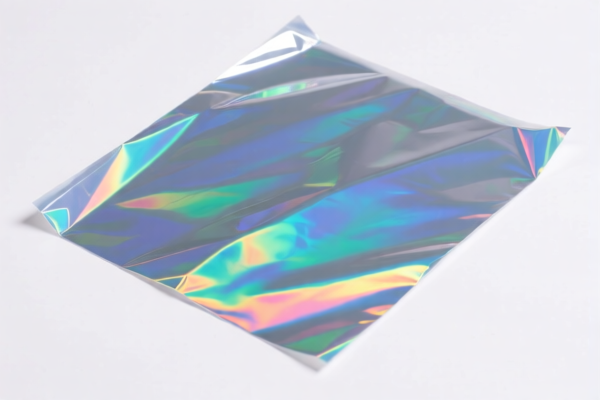
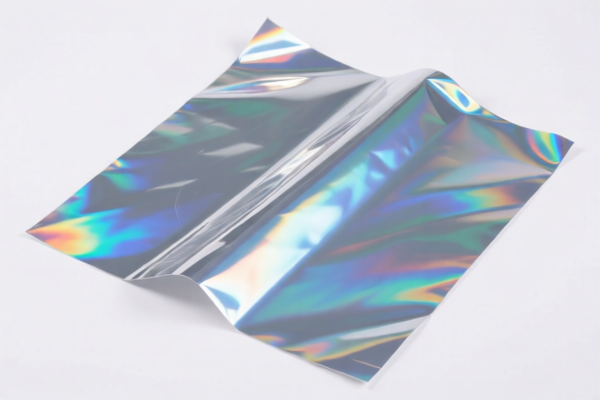

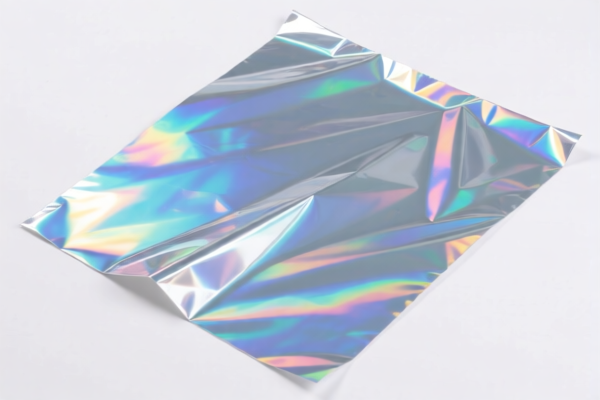
AI Analysis
🚗 Vehicle Reflective Plastic Sheet (车身反光塑料件)
🌐 HS Code Reference & Customs Clearance Guide | 2026 Latest Tariff Analysis | Professional-Level Strategy
📌 I. Product Definition & Classification: Do You Really Understand "Reflective Plastic Sheets"?
Vehicle Reflective Plastic Sheets are critical components in automotive aesthetics and safety, used for exterior trim, logos, or light-reflecting surfaces. In international trade, their classification is highly sensitive to their physical form (sheet vs. plate vs. part) and material composition. Misclassification can lead to massive tariff discrepancies due to US Trade War measures (Section 301/IEEPA).
⚠️ Key Distinction Points:
- If the product is a loose sheet/panel made of layered plastic → It may fall under Chapter 39 (Plastics).
- If the product is a finished body part (e.g., a specific bumper insert or trim piece shaped for a car) → It likely falls under Chapter 87 (Vehicle Parts).
- Crucial Note: The US imposes significantly different "Section 301" additional tariffs on plastics vs. vehicle parts, and specific "122 Clause" tariffs on certain composite materials.
📦 II. HS Code Classification Matrix (2026 Latest Tariff Authority)
| HS Code | Product Description | Material/Form | Classification Logic |
|---|---|---|---|
8708.29.51.60 |
Reflective Plastic Body Sheet (Part) | Plastic / Sheet-like | Classified as Body Part. Specifically targets plastic body components with reflective properties. |
8708.29.51.10 |
Reflective Plastic Body Sheet (Part) | Plastic / Sheet | Classified as Other Body Part. Generic plastic body accessory/attachment. |
3920.99.10.00 |
Plastic Reflective Body Panel (Raw Material) | Plastic / Plate/Laminated | Classified as Laminated/Composite Plastic. Not a finished car part, but a structural plastic material. |
3926.90.99.89 |
Plastic Reflective Body Panel (Other) | Plastic / Body Panel | Classified as Other Plastic Article. Generic plastic plate not specified elsewhere. |
🔍 Critical Warning:
- HS Code8708.xxxximplies the item is a part of a motor vehicle. It assumes the item is recognizable as a component (e.g., cut to size, pre-drilled, or specifically shaped for a vehicle model).
- HS Code3920.xxxx/3926.xxxximplies the item is a plastic product (raw sheet or generic plate), even if intended for automotive use.
- Tariff Trap: The difference between 8708 (Part) and 3920/3926 (Plastic Material) drastically changes the Additional Duty and 122 Clause applicability.
💰 III. 2026 Latest Tariff Rate Breakdown (Including Surtaxes & Policy Add-ons)
✅ Applicable Country: United States (US)
✅ Origin: China (CN)
✅ Effective Time: 2025/2026 (Current Trade War Status)
🎯 1. 8708.29.51.60 – Reflective Plastic Body Part (Specific Plastic Body Piece)
| Item | Content |
|---|---|
| Base Tariff | 2.5% (Ad Valorem) |
| Section 301 Surcharge | +25.0% (Standard China Add-on) |
| 122 Clause Surcharge | +10% (Specific to Steel/Aluminum/Copper products? Note: Data indicates 122 Clause applies here, likely due to composite structure or specific material listing) |
| Steel/Aluminum/Copper Surtax | +50.0% (Specific high-risk category add-on) |
| Total Tariff Rate | 97.5% |
| Tax Calculation | CIF Value × 97.5% |
| De Minimis Exemption? | ❌ NO (Denied under current enforcement) |
| Legal Basis Path | Section 301 → 122 Clause → Steel/Aluminum Surtax → HS 8708.29.51.60 |
📌 Explanation:
- This classification treats the item as a vehicle part but attracts the highest penalty tier due to the combination of Section 301, 122 Clause, and the specific 50% surcharge on metal/complex composites.
- Cost Impact: Extremely high. Nearly doubles the landed cost.
🎯 2. 8708.29.51.10 – Reflective Plastic Body Part (General Plastic Body Part)
| Item | Content |
|---|---|
| Base Tariff | 2.5% |
| Section 301 Surcharge | +25.0% |
| 122 Clause Surcharge | +10.0% |
| Total Tariff Rate | 37.5% |
| Tax Calculation | CIF Value × 37.5% |
| De Minimis Exemption? | ❌ NO |
| Legal Basis Path | Section 301 → 122 Clause → HS 8708.29.51.10 |
📌 Note:
- Lower than8708.29.51.60because it does NOT trigger the 50% Steel/Aluminum surcharge.
- Suitable for pure plastic reflective trims without heavy metallic composite layers.
🎯 3. 3920.99.10.00 – Plastic Reflective Body Panel (Laminated/Composite)
| Item | Content |
|---|---|
| Base Tariff | 6.0% |
| Section 301 Surcharge | +25.0% |
| 122 Clause Surcharge | +10.0% |
| Total Tariff Rate | 41.0% |
| Tax Calculation | CIF Value × 41.0% |
| De Minimis Exemption? | ❌ NO |
| Legal Basis Path | Section 301 → 122 Clause → HS 3920.99.10.00 |
📌 Explanation:
- Classified as Laminated Plastic. Higher base rate (6%) than parts (2.5%), but avoids the 50% surcharge.
- Risk: If Customs determines it’s a finished part, they may reclassify to8708and add the 50% surcharge.
🎯 4. 3926.90.99.89 – Plastic Reflective Body Panel (Other Plastic Article)
| Item | Content |
|---|---|
| Base Tariff | 5.3% |
| Section 301 Surcharge | +7.5% (Reduced Section 301 rate for some plastic articles?) |
| 122 Clause Surcharge | +10.0% |
| Total Tariff Rate | 22.8% |
| Tax Calculation | CIF Value × 22.8% |
| De Minimis Exemption? | ❌ NO |
| Legal Basis Path | Section 301 (Lower Tier) → 122 Clause → HS 3926.90.99.89 |
📌 Note:
- Lowest Total Tariff among the options.
- Requires the product to be declared as a generic plastic plate/panel, not a recognizable vehicle part.
- Strategy: If the sheet is flat, uncut, and generic, this is the most tax-efficient route.
🎯 5. 8708.29.51.10 – Duplicate Entry (Plastic Reflective Body Part)
| Item | Content |
|---|---|
| Base Tariff | 2.5% |
| Section 301 Surcharge | +25.0% |
| 122 Clause Surcharge | +10.0% |
| Total Tariff Rate | 37.5% |
| Tax Calculation | CIF Value × 37.5% |
| De Minimis Exemption? | ❌ NO |
| Legal Basis Path | Same as #2 above. |
📌 Note: This is a repeat of Entry #2, confirming the standard rate for generic plastic body parts.
🛠️ IV. Customs Clearance Practical Advice (Real-World Pitfall Guide)
✅ 1. Essential Documentation Checklist
| Document | Required? | Explanation |
|---|---|---|
| ✅ Product Specification Sheet | ✔️ | Must detail material (e.g., "ABS Plastic," "PC Sheet"), layers, and reflectivity type. |
| ✅ Technical Drawings/CAD | ✔️ | Crucial: If the item is flat and uncut, show it as a raw sheet. If it’s cut/shaped, show the vehicle contour. |
| ✅ Product Photos | ✔️ | Clear images showing the item’s form. Flat vs. 3D shaped is the key differentiator. |
| ✅ Bill of Lading / Invoice | ✔️ | Description must match the HS Code logic (e.g., "Plastic Sheet" vs. "Car Body Trim"). |
| ✅ Composition Declaration | ✔️ | Explicitly state if the product contains steel/aluminum laminates (triggers 50% surcharge). |
✅ 2. Declaration Strategy (Key Mnemonic)
🔥 "Shape Determines HS, Material Determines Surcharge!"
| Scenario | Correct Declaration | Wrong Declaration | Consequence |
|---|---|---|---|
| Flat, uncut, generic plastic sheet | 3926.90.99.89 (22.8%) |
8708.29.51.10 |
Overpaying ~15% tariff. |
| Cut-to-size, pre-drilled, vehicle-specific trim | 8708.29.51.10 (37.5%) |
3926.90.99.89 |
Risk of reclassification + penalties. |
| Reflective sheet with metal foil/layer | 8708.29.51.60 (97.5%) |
8708.29.51.10 |
Massive underpayment (50% surcharge evasion). |
| Laminated composite plastic panel | 3920.99.10.00 (41.0%) |
3926.90.99.89 |
Base rate differs (6% vs 5.3%), minor risk. |
✅ 3. Special Case Handling
| Situation | Recommendation |
|---|---|
| OEM Parts (Pre-cut for Toyota/Ford) | Must declare as Vehicle Part (8708). Do not try to hide as raw plastic; customs will check compatibility. |
| Raw Rolls/Sheets for Fabrication | Declare as Plastic Article (3926/3920). Include "For Custom Fabrication" in description. |
| Composite with Metal Core | Expect 50% Surcharge. Consider restructuring supply chain or negotiating cost absorption. |
| 122 Clause Applicability | Verify if the specific plastic formulation triggers the 122 Clause. Most do, so budget for +10%. |
🌍 V. Global Market Clearance Comparison (2026 Latest)
| Country/Region | Recommended HS Code | Tariff Rate (China Origin) | Certification | Notes |
|---|---|---|---|---|
| 🇺🇸 USA | 3926.90.99.89 |
22.8% (Lowest) | None | Avoids high Section 301 surcharge if classified as plastic. |
| 🇺🇸 USA | 8708.29.51.60 |
97.5% (Highest) | None | High risk if metal layers are present. |
| 🇨🇳 China | 3926.90.99.89 |
5.3% | CCC (if applicable) | Low base tariff, no trade war penalties. |
| 🇪🇺 EU | 3926.90.99.89 |
4.5% | CE (if electronic components attached) | No Section 301. Standard plastic duty. |
| 🇲🇽 Mexico | 3926.90.99.89 |
15% | None | USMCA may apply if originating, but Chinese inputs penalized. |
📌 Conclusion:
- USA is the most punitive market due to Section 301 and 122 Clauses.
- Classification Strategy: If the product is not a finished vehicle part, fight for classification under Chapter 39 (Plastics) to minimize tariffs.
- Avoid Chapter 87 if the product is raw material, as it often attracts higher surcharges when combined with composite materials.
📌 VI. Common Errors & Pitfalls (Lessons Learned)
❌ Mistake 1: Declaring vehicle-specific trim as "Plastic Sheet" to avoid 8708 tariffs.
👉 Result: Customs reclassifies, adds 25-50% surcharge + penalties.
Fix: Provide CAD drawings showing it’s generic. If it’s car-specific, accept the 37.5% rate.
❌ Mistake 2: Ignoring Metal Layers in reflective sheets.
👉 Result: If the sheet has a metal foil layer, it may trigger the 50% Steel/Aluminum Surcharge under 8708.29.51.60.
Fix: Confirm material composition. If pure plastic, use 3926 or 8708.29.51.10.
❌ Mistake 3: Assuming De Minimis applies.
👉 Result: Section 301 goods from China are excluded from de minimis (under $800) for many categories.
Fix: Prepare for full tariff payment.
✅ Correct Practice:
"Reflective Plastic Sheet, ABS Material, 2mm Thick, Flat Roll, For Automotive Trim Fabrication, Model XYZ"
Use this description for3926.90.99.89.
🎯 VII. Conclusion: Precise Classification Saves Millions!
🎯 Remember the Mnemonic:
🔹 "Flat is Plastic (22.8%), Shaped is Part (37.5% or 97.5%)."
🔹 "Metal Layer = 50% Surcharge Nightmare."
🔹 "122 Clause Adds 10% Everywhere."
📌 Pro Tip:
If your reflective sheet is pure plastic and flat/generic, push for 3926.90.99.89.
If it’s pre-cut for a specific car, prepare for 8708.29.51.10 (37.5%).
If it has metal laminates, expect 8708.29.51.60 (97.5%) or reconsider material sourcing.
📣 Immediate Action:
📞 Consult a licensed customs broker to review product samples and material safety data sheets (MSDS).
🚀 Apply for an Advance Ruling to lock in the HS Code and avoid post-clearance audits.
✨ Professional Clearance Starts with Accurate Classification!
💼 Every percentage point matters in the trade war era!
Customer Reviews
About HS Code Classification
The Harmonized System (HS) is an internationally standardized nomenclature developed by the World Customs Organization (WCO) to classify traded products. Over 200 countries use the HS system as the basis for customs tariffs, trade statistics, and import/export regulations.
Each HS code follows a hierarchical structure:
- Chapter (2 digits) — Broad category of goods (e.g., Chapter 84: Machinery and Mechanical Appliances)
- Heading (4 digits) — More specific grouping within the chapter
- Subheading (6 digits) — Internationally standardized breakdown, used by all WCO member countries
- National subdivisions (8-10 digits) — Country-specific extensions for further classification, such as US HTSUS 10-digit codes
Correct HS code classification is essential for smooth customs clearance, accurate duty payment, and compliance with trade regulations. Misclassification can lead to customs delays, overpayment of duties, or penalties.
When importing from CN to US, the applicable tariff rates may include:
- Most-Favored-Nation (MFN) rate — The standard duty rate applied to WTO members
- General rate — Applied to countries without trade agreements
- Trade remedy duties — Additional tariffs such as Section 301 (anti-dumping), Section 232 (national security), or countervailing duties
The information provided on this page is for reference purposes only. For official classification, please consult with your local customs authority or a licensed customs broker.