Vehicle Reflectorized Plastic Sheet
CN → US| HS Code | Tariff Rate | Origin | Destination | Doc |
|---|---|---|---|---|
| 8708295160 | 0.0% | CN | US | Official Doc |
| 3919102055 | 40.8% | CN | US | Official Doc |
| 3919905060 | 40.8% | CN | US | Official Doc |
| 3920591000 | 41.0% | CN | US | Official Doc |
| 3920992000 | 39.2% | CN | US | Official Doc |
Product Images
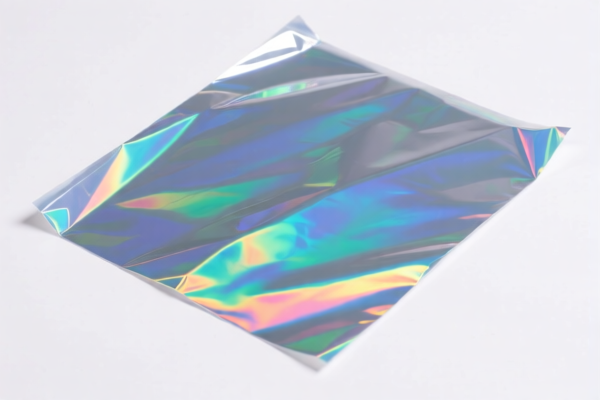
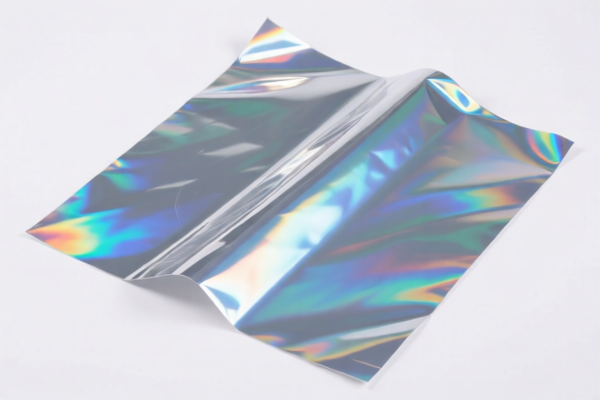

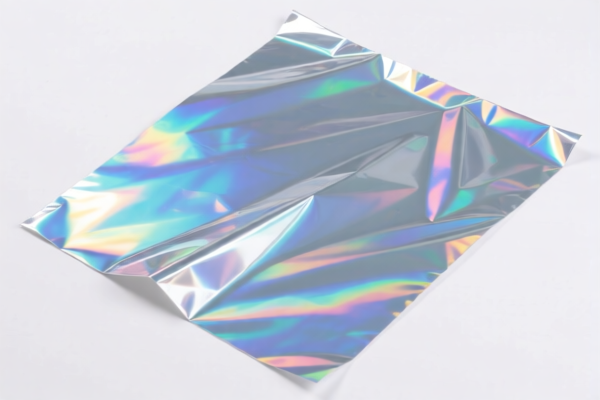
AI Analysis
🚗 Vehicle Reflectorized Plastic Sheet (Body Parts)
🌐 HS Code Reference & Customs Clearance Guide | 2026 Latest Tariff Analysis | Professional Clearance Strategy
📌 I. Product Definition & Classification: Do You Really Understand “Reflectorized Plastic Sheets”?
Vehicle reflectorized plastic sheets are critical automotive safety components, typically used as external trim, decorative strips, or safety markings on vehicle bodies. In international trade, they are classified based on material composition (plastic) and form (sheets/pieces), falling under automotive parts accessories.
⚠️ Key Classification Logic:
- Material: Plastic (Polymer-based)
- Form: Sheet/Plate shape
- Function: Automotive body accessory/reflection safety part
- Conflict Check: No specific material conflict with other categories; fits under "Other" parts accessories or plastic sheets depending on precise polymer type.
📦 II. HS Code Classification Details (2026 Latest Tariff Authority Comparison)
| HS Code | Product Description | Applicable Scenario | Material/Form Conflict? |
|---|---|---|---|
8708.29.51.60 |
Reflectorized Plastic Body Sheets – Other body parts, plastic material, sheet form | Automotive exterior trim, reflective strips, safety body panels | ❌ None |
3919.10.20.55 |
Automotive Film – Plastic film, flat shape, "Other" category | Tint films, protective films, no specific structural conflict | ❌ None |
3919.90.50.60 |
Automotive Film – Membrane form, plastic material, catch-all category | General plastic automotive films, no specific polymer match | ❌ None |
3920.59.10.00 |
Automotive Film – Acrylic or polyurethane polymers, flexible film form | High-end protective films, clear bra, UV protection films | ✅ Matches Acrylic/PU |
3920.99.20.00 |
Automotive Film – Plastic (PET/PVC/TPU), flexible film form | Other plastic flexible films for automotive use | ✅ Matches Other Plastics |
🔍 Critical Distinction:
- Structural Body Parts (e.g., hard reflectorized sheets, trim pieces) → Likely 8708.29.51.60
- Flexible Films/Membranes (e.g., vinyl wraps, tint films, protective coatings) → Likely 3919.xx or 3920.xx
- Misclassification Risk: Reporting a rigid reflectorized sheet as "film" (3919/3920) may lead to lower tariffs but higher scrutiny if customs determines it is a structural part.
💰 III. 2026 Latest Tariff Rate Breakdown (Including Surtaxes & Policy Add-ons)
✅ Applicable Country: United States (US)
✅ Origin: China (CN)
✅ Effective Date: From November 10, 2025 onwards
🎯 1. 8708.29.51.60 – Reflectorized Plastic Body Sheets (Automotive Parts)
| Item | Details |
|---|---|
| Base Tariff | 2.5% (ad valorem) |
| Section 301 Surtax | +25.0% (USITC Footnote) |
| Section 122 Tariff (Steel/Aluminum/Copper) | +10.0% (Note: While plastic, some reflectorized sheets may contain metallic layers; if classified under metal-associated surtax due to composition, this applies) |
| Total Tariff | 85.0% |
| Tax Calculation | CIF Value × 85.0% |
| De Minimis Exemption | ❌ Not Eligible (deny_de_minimis) |
| Legal Basis Path | Base: 2.5% → 301: 25.0% → 122: 10.0% (Steel/Al/Cu surtax) → Total: 85.0% |
📌 Explanation:
- The 2.5% base rate applies to automotive parts accessories.
- The 25% is the standard Section 301 surcharge on Chinese goods.
- The 10% is under "Section 122" tariffs for steel, aluminum, or copper products. If the reflectorized sheet contains metallic reflective layers or is classified under a broader category linked to these materials, this surcharge may apply.
- Total 85% is extremely high, making this a high-cost import category.
🎯 2. 3919.10.20.55 – Automotive Film (Plastic Film, Flat Shape)
| Item | Details |
|---|---|
| Base Tariff | 5.8% |
| Section 301 Surtax | +25.0% |
| Section 122 Tariff | +10.0% |
| Total Tariff | 40.8% |
| Tax Calculation | CIF Value × 40.8% |
| De Minimis Exemption | ❌ Not Eligible |
| Legal Basis Path | Base: 5.8% → 301: 25.0% → 122: 10.0% → Total: 40.8% |
📌 Note:
- This code applies to plastic films for automotive use that are flat and self-adhesive or not.
- Lower than 8708 codes because it is classified under Chapter 39 (Plastics) rather than Chapter 87 (Vehicles).
- However, if customs determines the film is a structural body part, it may reclassify to 8708, triggering 85% tariff.
🎯 3. 3919.90.50.60 – Automotive Film (Catch-all Plastic Membrane)
| Item | Details |
|---|---|
| Base Tariff | 5.8% |
| Section 301 Surtax | +25.0% |
| Section 122 Tariff | +10.0% |
| Total Tariff | 40.8% |
| Tax Calculation | CIF Value × 40.8% |
| De Minimis Exemption | ❌ Not Eligible |
| Legal Basis Path | Base: 5.8% → 301: 25.0% → 122: 10.0% → Total: 40.8% |
📌 Note:
- A "catch-all" for plastic films not specified elsewhere.
- Same tax burden as3919.10.20.55.
- Use this if the product does not fit specific sub-categories.
🎯 4. 3920.59.10.00 – Automotive Film (Acrylic/PU Polymers)
| Item | Details |
|---|---|
| Base Tariff | 6.0% |
| Section 301 Surtax | +25.0% |
| Section 122 Tariff | +10.0% |
| Total Tariff | 41.0% |
| Tax Calculation | CIF Value × 41.0% |
| De Minimis Exemption | ❌ Not Eligible |
| Legal Basis Path | Base: 6.0% → 301: 25.0% → 122: 10.0% → Total: 41.0% |
📌 Note:
- Applies to films made of acrylic or polyurethane polymers.
- Slightly higher base rate than3919, but still significantly lower than 8708.
- Ideal for high-end PPF (Paint Protection Film) or clear bra products.
🎯 5. 3920.99.20.00 – Automotive Film (Other Plastics: PET/PVC/TPU)
| Item | Details |
|---|---|
| Base Tariff | 4.2% |
| Section 301 Surtax | +25.0% |
| Section 122 Tariff | +10.0% |
| Total Tariff | 39.2% |
| Tax Calculation | CIF Value × 39.2% |
| De Minimis Exemption | ❌ Not Eligible |
| Legal Basis Path | Base: 4.2% → 301: 25.0% → 122: 10.0% → Total: 39.2% |
📌 Note:
- The lowest total tariff (39.2%) among all options.
- Applies to flexible plastic films made of PET, PVC, or TPU.
- Best for cost optimization if the product is truly a flexible film and not a rigid body part.
🛠️ IV. Customs Clearance Practical Advice (Battle-Tested Pitfall Avoidance Guide)
✅ 1. Required Documentation Checklist (Non-negotiable)
| Document | Must Provide? | Description |
|---|---|---|
| ✅ Product Specification Sheet | ✔️ | Includes material (PET/PVC/PU/Acrylic), thickness, reflectivity index, dimensions |
| ✅ Product Photos (Label & Product) | ✔️ | Clear images showing the product form (flexible film vs. rigid sheet) |
| ✅ Material Safety Data Sheet (MSDS) | ✔️ | For chemical composition verification |
| ✅ Commercial Invoice | ✔️ | Clearly state "Automotive Plastic Film" or "Reflectorized Body Sheet" with HS Code |
| ✅ Packing List | ✔️ | Detail quantity, weight, and packaging method |
| ✅ Certificate of Origin (CO) | ✔️ | If applicable for non-China origins to claim exemption |
| ✅ Third-Party Test Report | ✔️ | Reflectivity test, adhesion test, UV resistance test (if claimed) |
✅ 2. Declaration Tactics (Key Mantras)
🔥 “Film is Flexible, Part is Rigid, Name Matters, Tariff Changes!”
| Scenario | Correct Declaration | Incorrect Practice |
|---|---|---|
| Flexible Vinyl Wrap/PPF | 3920.99.20.00 (39.2%) |
Declare as "Body Part" → 85.0% |
| Rigid Reflectorized Trim | 8708.29.51.60 (85.0%) |
Declare as "Film" → Risk of reclassification + penalty |
| Acrylic Protective Film | 3920.59.10.00 (41.0%) |
Declare as "General Plastic" → Higher base rate |
| Mixed Shipment (Film + Parts) | Split Declaration | Bundled → Customs may assess highest rate for all |
✅ 3. Special Case Handling
| Scenario | Handling Advice |
|---|---|
| OEM Custom Reflectorized Sheets | Provide design drawings + material spec to prove "plastic sheet" vs. "metal part" |
| Products with Metallic Layers | If >50% metal by weight/value, may trigger Section 122 (Steel/Al/Cu) surtax → Confirm composition |
| Clear Bra (PPF) for Cars | Use 3920.59.10.00 (Acrylic/PU) or 3920.99.20.00 (TPU) → Avoid 8708 unless rigid |
| Reflectorized Tape | If flexible and adhesive, use 3919.xx codes → Lower risk than rigid parts |
🌍 V. Global Market Clearance Comparison (2026 Latest)
| Country/Region | Recommended HS Code | Tariff Rate | Certification Requirements | Notes |
|---|---|---|---|---|
| 🇺🇸 USA | 3920.99.20.00 |
39.2% (China) | None specific | 85% if classified as part |
| 🇨🇳 China | 3920.99.20.00 |
~5-6% | CCC (if applicable) | Low tariff, easy clearance |
| 🇪🇺 EU | 3920.99.20.00 |
0-6.5% | REACH + CE | No surtaxes |
| 🇬🇧 UK | 3920.99.20.00 |
0-6.5% | UKCA | Post-Brexit alignment with EU |
| 🇦🇺 Australia | 3920.99.20.00 |
5% | ACCC | No surtaxes |
📌 Conclusion:
- USA has the highest tariff burden for plastic automotive films due to Section 301 and Section 122 surtaxes.
- Classifying as "Film" (Chapter 39) instead of "Part" (Chapter 87) saves ~45% in tariffs.
- Ensure the product is flexible and not structural to justify Chapter 39 classification.
📌 VI. Common Mistakes & Pitfall Guide (Lessons from the Field)
❌ Mistake 1: Declaring rigid reflectorized body trim as "Plastic Film"
👉 Consequence: Customs rejects, reclassifies to 8708.29.51.60 → 85% tariff + penalties
❌ Mistake 2: Ignoring metallic layers in reflectorized sheets
👉 Consequence: Misses Section 122 (10%) surtax → Underpayment + audit risk
❌ Mistake 3: Using "Auto Part" as generic description
👉 Consequence: Ambiguity leads to highest applicable rate or detention
❌ Mistake 4: Assuming De Minimis (Section 321) applies
👉 Consequence: ❌ Not eligible for these HS codes → Full duty applies even for small shipments
✅ Correct Practice:
“Flexible TPU Automotive Paint Protection Film, 7.5 mil, Clear, Roll Form, Not a Structural Body Part”
🎯 VII. Conclusion: Professional Declaration, Save Time, Cut Costs!
🎯 Remember the Mantra:
🔹 “Flexible Film = Chapter 39, Rigid Part = Chapter 87”
🔹 “Name it Right, Tariff Drops by 45%, Save Thousands!”
🔹 “Metallic Layers? Watch for Section 122!”
📌 Pro Tip:
If your product is flexible and used for protection/decoration (not structural), always declare under 3919 or 3920 codes to benefit from the 39.2%-41.0% tariff range instead of 85.0%.
📣 Immediate Action:
📞 Consult a licensed customs broker + Provide material composition + Apply for Advance Ruling if uncertain
🚀 Ensure your commercial invoice matches the HS Code description precisely
📦 Separate rigid parts from flexible films in packaging to avoid confusion
✨ Professional Clearance Starts with Accurate Classification!
💼 Every Percentage Point of Tariff Saved is Pure Profit!
Customer Reviews
About HS Code Classification
The Harmonized System (HS) is an internationally standardized nomenclature developed by the World Customs Organization (WCO) to classify traded products. Over 200 countries use the HS system as the basis for customs tariffs, trade statistics, and import/export regulations.
Each HS code follows a hierarchical structure:
- Chapter (2 digits) — Broad category of goods (e.g., Chapter 84: Machinery and Mechanical Appliances)
- Heading (4 digits) — More specific grouping within the chapter
- Subheading (6 digits) — Internationally standardized breakdown, used by all WCO member countries
- National subdivisions (8-10 digits) — Country-specific extensions for further classification, such as US HTSUS 10-digit codes
Correct HS code classification is essential for smooth customs clearance, accurate duty payment, and compliance with trade regulations. Misclassification can lead to customs delays, overpayment of duties, or penalties.
When importing from CN to US, the applicable tariff rates may include:
- Most-Favored-Nation (MFN) rate — The standard duty rate applied to WTO members
- General rate — Applied to countries without trade agreements
- Trade remedy duties — Additional tariffs such as Section 301 (anti-dumping), Section 232 (national security), or countervailing duties
The information provided on this page is for reference purposes only. For official classification, please consult with your local customs authority or a licensed customs broker.