Vehicle Tachometer
CN → US| HS Code | Tariff Rate | Origin | Destination | Doc |
|---|---|---|---|---|
| 9029204080 | 35.0% | CN | US | Official Doc |
| 9029204040 | 35.0% | CN | US | Official Doc |
| 9031808085 | 10.0% | CN | US | Official Doc |
| 9031808070 | 35.0% | CN | US | Official Doc |
Product Images
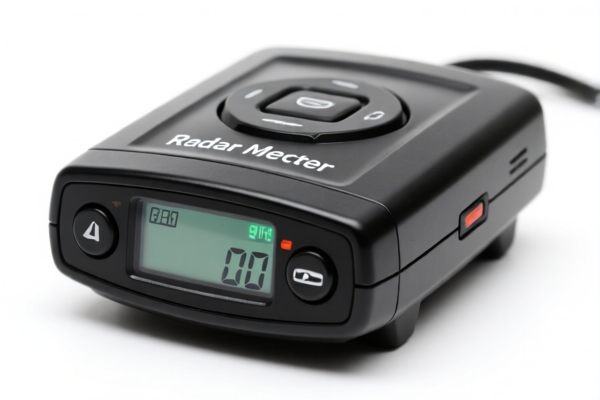
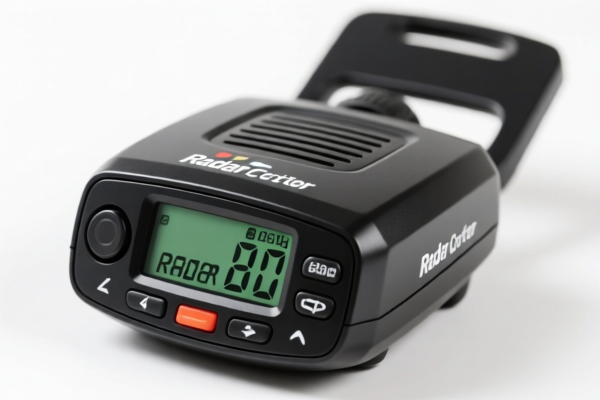
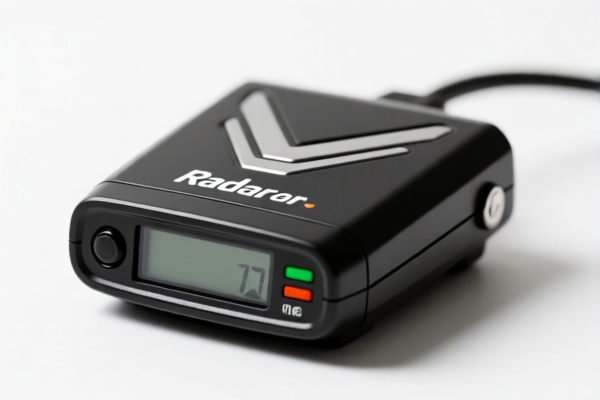
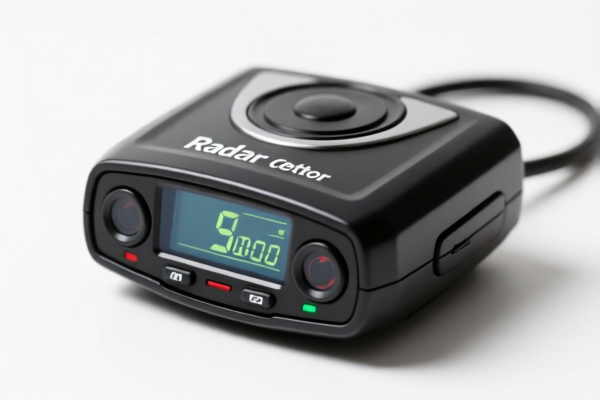
AI Analysis
🚗 Vehicle Tachometer & Measuring Instruments (HS Code Classification Guide)
🌐 HS Code Reference & Customs Clearance Guide | 2026 Latest Tariff Analysis | Professional Compliance Strategy
📌 I. Product Definition & Classification: Do You Really Know "Tachometers"?
A Vehicle Tachometer (and related measuring instruments) falls under the broad category of optical, photographic, cinematographic, measuring, checking, precision, medical or surgical instruments and apparatus. In international trade, these are strictly categorized based on their specific function and application field.
The key distinction lies in whether the device is a standalone speedometer/tachometer for aircraft, a general measuring machine, or a specialized engine test equipment. Misclassification can lead to severe customs delays or inaccurate duty calculations.
⚠️ Key Distinction Points:
- If the device is specifically a speedometer/tachometer for civil aircraft → It belongs to 9029.20.40.40.
- If it is a general speedometer/tachometer (e.g., for cars, industrial machinery, or non-aircraft vehicles) → It belongs to 9029.20.40.80.
- If it is a measuring/checking instrument, appliance, or machine not elsewhere specified (e.g., profile projectors, general testing rigs) → It belongs to 9031.80.80.85.
- If it is equipment for testing the characteristics of internal combustion engines → It belongs to 9031.80.80.70.
📦 II. HS Code Classification Details (2026 Latest Tariff Authority Reference)
| HS Code | Product Description | Application Scenario | Tax Rate (Total) |
|---|---|---|---|
9029.20.40.40 |
Speedometers and tachometers; stroboscopes: Other speedometers and tachometers For use in civil aircraft | Avionics, flight instrumentation, civil aviation maintenance parts | 25.0% |
9029.20.40.80 |
Speedometers and tachometers; stroboscopes: Other speedometers and tachometers Other | Automotive dashboards, industrial machinery RPM monitors, general vehicle tachometers | 25.0% |
9031.80.80.85 |
Measuring or checking instruments...: Other instruments, appliances and machines: Other | General precision measuring devices, profile projectors, non-specific checking machines | 25.0% |
9031.80.80.70 |
Measuring or checking instruments...: Other instruments, appliances and machines: Other Equipment for testing the characteristics of internal combustion engines: Other | Engine dyno stands, specific engine performance testers, specialized automotive testing rigs | 25.0% |
🔍 Critical Reminder:
- All items listed above carry a total tax rate of 25.0% (Base 0.0% + Additional 25.0%).
- The distinction is not about the tax rate but about customs classification accuracy. Incorrect HS codes can lead to audits, penalties, or shipment holds, even if the final tax amount is similar.
- "Vehicle Tachometer" usually defaults to 9029.20.40.80 unless it is specifically for civil aircraft (9029.20.40.40) or part of a larger engine testing system (9031.80.80.70).
💰 III. 2026 Latest Tariff Rate Details (Including Additional Taxes)
✅ Applicable Country: United States (US)
✅ Origin: China (CN)
✅ Effective Time: 2025年11月10日起 (Including subsequent imports)
🎯 1. 9029.20.40.80 —— General Speedometers and Tachometers (Vehicle/Industrial)
| Item | Content |
|---|---|
| Base Tariff | 0.0% (ad valorem) |
| Additional Tariff (Section 301) | +25.0% |
| Total Tariff | 25.0% |
| Tax Calculation | CIF Value × 25.0% |
| De Minimis Exemption | ❌ Not Eligible (Section 301 goods are excluded) |
| Legal Basis Path | USITC:9029.20.40.80 → FOOTNOTE:301 |
📌 Explanation:
- "Additional Tariff 25%" is from the Section 301 trade remedies against China.
- Unlike display panels (which may face additional IEEPA taxes), these instruments currently show a total of 25% in the provided data.
- This is a moderate-high tariff, impacting automotive parts and industrial sensors significantly.
🎯 2. 9029.20.40.40 —— Tachometers for Civil Aircraft
| Item | Content |
|---|---|
| Base Tariff | 0.0% |
| Additional Tariff (Section 301) | +25.0% |
| Total Tariff | 25.0% |
| Tax Calculation | CIF Value × 25.0% |
| De Minimis Exemption | ❌ Not Eligible |
| Legal Basis Path | USITC:9029.20.40.40 → FOOTNOTE:301 |
📌 Note:
- Specialized aviation equipment faces the same tariff burden as general automotive tachometers in this dataset.
- Ensure your invoice clearly states "For Use in Civil Aircraft" if using this code to avoid misclassification claims.
🎯 3. 9031.80.80.85 & 9031.80.80.70 —— Measuring Instruments & Engine Test Equipment
| Item | Content |
|---|---|
| Base Tariff | 0.0% |
| Additional Tariff (Section 301) | +25.0% |
| Total Tariff | 25.0% |
| Tax Calculation | CIF Value × 25.0% |
| De Minimis Exemption | ❌ Not Eligible |
📌 Distinction:
- 9031.80.80.85: Use for generic measuring machines (e.g., profile projectors, general checkers).
- 9031.80.80.70: Use specifically for equipment testing internal combustion engine characteristics (e.g., dyno testing rigs, emission test analyzers).
- Do not mix: A standalone tachometer is 9029, not 9031, even if it measures engine RPM. The heading 9029 is specific for "Revolution counters... speedometers and tachometers."
🛠️ IV. Customs Clearance Practical Advice (Battle-Tested Pitfall Guide)
✅ 1. Required Documentation Checklist (Non-negotiable)
| Document | Mandatory? | Description |
|---|---|---|
| ✅ Product Specification Sheet | ✔️ | Must specify: Type (Speedometer/Tachometer), Application (Civil Aircraft/Automotive/Industrial), Power Supply, Signal Output. |
| ✅ Circuit/Technical Diagram | ✔️ | To prove it is an instrument (9029/9031) and not a part of a vehicle (8708). |
| ✅ Product Photos (with Nameplate) | ✔️ | Clear view of model number, brand, and technical labels. |
| ✅ Commercial Invoice | ✔️ | Description must match HS Code exactly (e.g., "Automotive Tachometer" vs. "Aircraft Speedometer"). |
| ✅ Packing List | ✔️ | Detail contents to avoid "parts vs. whole" disputes. |
| ✅ Certificate of Origin (CO) | ✔️ | To confirm China origin for tariff application. |
✅ 2. Declaration Strategy (Key Mantras)
🔥 "Specific Function First, Don't Split, Name It Right!"
| Scenario | Correct Declaration | Incorrect Practice |
|---|---|---|
| Car Dashboard Tachometer | 9029.20.40.80 "Automotive Tachometer" |
Misdeclare as "Car Part" (8708) → Higher tariff/Restrictions |
| Aviation Tachometer | 9029.20.40.40 "Tachometer for Civil Aircraft" |
Generic "Measuring Device" → Audits for wrong classification |
| Engine Dyno Tester | 9031.80.80.70 "Engine Testing Equipment" |
Declare as "Tachometer" → Misses the "Testing Equipment" classification |
| Profile Projector | 9031.80.80.85 "Optical Measuring Machine" |
Declare as "Computer Accessory" → Wrong category |
✅ 3. Special Case Handling
| Situation | Handling Advice |
|---|---|
| OEM Tachometers | Provide customer PO and design specs. Ensure the description matches the end-use (e.g., "For Tesla Model 3"). |
| Tachometer + Sensor Kit | Declare as a set under the primary function (usually the tachometer 9029). Do not split into "sensor" and "meter" if sold together. |
| Digital vs. Analog | Both fall under 9029.20. The material (digital screen vs. needle) does not change the HS code significantly in this context. |
| Parts for Tachometers | If shipping only a display screen or a sensor unit, check if it is "parts of heading 9029" (9029.90). If so, tax may still apply. |
🌍 V. Global Market Comparison (2026 Latest)
| Country/Region | Recommended HS Code | Tariff | Certification Requirements | Notes |
|---|---|---|---|---|
| 🇺🇸 USA | 9029.20.40.80 / 9029.20.40.40 |
25.0% | N/A (General) | Section 301 applies. No de minimis. |
| 🇨🇳 China | 9029.20.40 |
0-5% | CCC (if applicable) | Import duties vary; check current MFN. |
| 🇪🇺 EU | 9029.20 |
0% | CE, RoHS | Most FTA partners have 0% duty. |
| 🇬🇧 UK | 9029.20 |
0-3% | UKCA | Post-Brexit rules apply. |
| 🇦🇺 Australia | 9029.20 |
0-5% | RCM | No major trade barriers. |
📌 Conclusion:
- The US market is the most critical due to the 25% Section 301 tariff.
- No country offers a 0% tariff for these items from China in this dataset.
- Accuracy in declaring "Civil Aircraft" vs. "General" is vital for compliance, even if the rate is the same.
📌 VI. Common Errors & Pitfall Guide (Lessons from the Field)
❌ Error 1: Classifying a vehicle tachometer as a car part (HS 8708)
👉 Consequence: Wrong HS code triggers an audit. Car parts often have different rules and may be blocked under Section 301 or other restrictions.
👉 Correct: Always use 9029 for measuring instruments, even if for cars.
❌ Error 2: Mixing Aircraft and Automotive tachometers in one shipment without clear labeling
👉 Consequence: Customs may seize or delay the aircraft portion for security checks.
👉 Correct: Separate shipments or clearly distinguish in the invoice.
❌ Error 3: Declaring Engine Test Equipment as a simple Tachometer
👉 Consequence: If the equipment is complex (e.g., a full dyno), it should be 9031.80.80.70. Misclassification can lead to valuation disputes.
👉 Correct: Describe the full function. "Engine Testing Rig" vs. "Tachometer".
✅ Correct Practice:
"Digital Vehicle Tachometer, Model XYZ, For Use in Automotive Applications, AC/DC Powered, Certified CE/FCC"
OR
"Civil Aircraft Speedometer, Model ABC, For Use in Certified Aircraft, Compliant with FAA Standards"
🎯 VII. Conclusion: Precision Classification, Cost Efficiency!
🎯 Remember the Mantra:
🔹 "Tachometers are Instruments, Not Parts!"
🔹 "9029 is your friend, 9031 is for testers, 9031.80.80.85 is for the rest."
🔹 "25% Tax is Inevitable from China to USA, so Get the HS Code Right to Avoid Delays!"
📌 Pro Tip:
If your tachometer is part of a larger automated system, consider if it can be classified under the system's HS code (which might have different duties). However, standalone instruments must be declared as such.
Apply for an Advance Ruling if you are shipping large volumes to the US to mitigate risk.
📣 Immediate Action:
📞 Contact a licensed customs broker + Provide Technical Datasheet + Verify "Civil Aircraft" status if applicable
🚀 Ensure smooth customs clearance, avoid 25% surprises with correct documentation!
✨ Professional Customs Compliance Starts with Accurate Classification!
💼 Every Dollar Saved is a Dollar Earned!
Customer Reviews
About HS Code Classification
The Harmonized System (HS) is an internationally standardized nomenclature developed by the World Customs Organization (WCO) to classify traded products. Over 200 countries use the HS system as the basis for customs tariffs, trade statistics, and import/export regulations.
Each HS code follows a hierarchical structure:
- Chapter (2 digits) — Broad category of goods (e.g., Chapter 84: Machinery and Mechanical Appliances)
- Heading (4 digits) — More specific grouping within the chapter
- Subheading (6 digits) — Internationally standardized breakdown, used by all WCO member countries
- National subdivisions (8-10 digits) — Country-specific extensions for further classification, such as US HTSUS 10-digit codes
Correct HS code classification is essential for smooth customs clearance, accurate duty payment, and compliance with trade regulations. Misclassification can lead to customs delays, overpayment of duties, or penalties.
When importing from CN to US, the applicable tariff rates may include:
- Most-Favored-Nation (MFN) rate — The standard duty rate applied to WTO members
- General rate — Applied to countries without trade agreements
- Trade remedy duties — Additional tariffs such as Section 301 (anti-dumping), Section 232 (national security), or countervailing duties
The information provided on this page is for reference purposes only. For official classification, please consult with your local customs authority or a licensed customs broker.