Vehicle Tire Lug Nuts Wheel Lug Bolts Studs
CN → US| HS Code | Tariff Rate | Origin | Destination | Doc |
|---|---|---|---|---|
| 7318152041 | 85.0% | CN | US | Official Doc |
| 8708706060 | 37.5% | CN | US | Official Doc |
| 7326190080 | 87.9% | CN | US | Official Doc |
| 7318152041 | 85.0% | CN | US | Official Doc |
| 8708706060 | 37.5% | CN | US | Official Doc |
Product Images
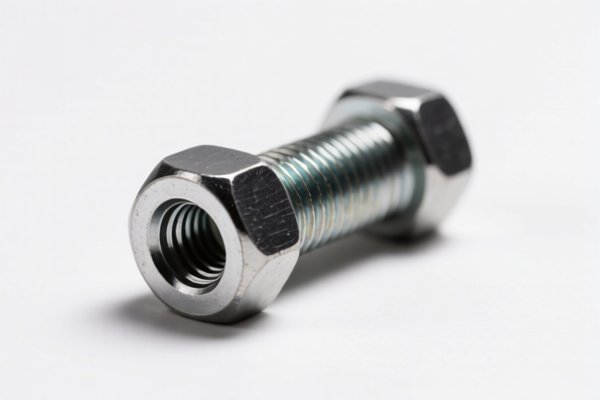
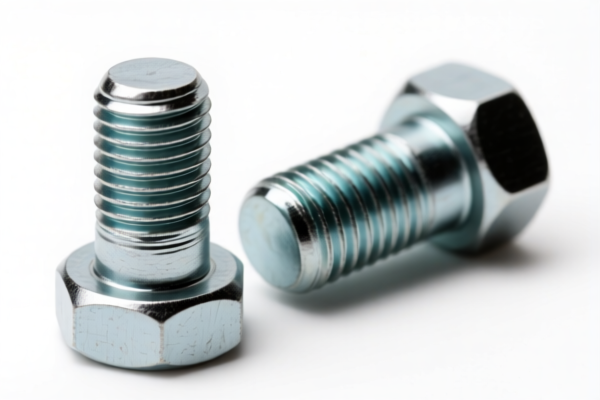
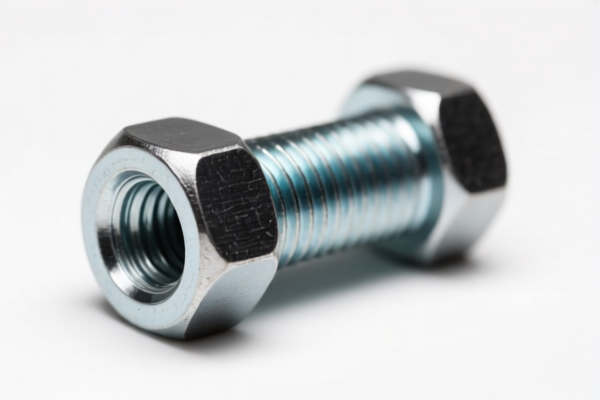
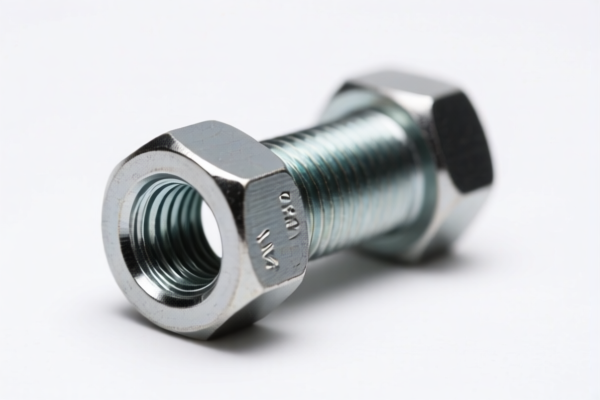
AI Analysis
🚗 Vehicle Tire Lug Nuts & Wheel Lug Bolts (Automotive Fasteners)
🌐 HS Code Reference & Customs Clearance Guide | 2026 Latest Tariff Analysis | Professional Clearance Strategy
📌 I. Product Definition & Classification: Do You Really Understand "Lug Nuts and Bolts"?
Vehicle Tire Lug Nuts, Wheel Lug Bolts, and Studs are critical automotive fasteners used to secure wheels to the hub assembly. In international trade, they are generally classified under Chapter 73 (Articles of Iron or Steel) or Chapter 87 (Parts of Motor Vehicles), depending on their specific form, material, and intended use.
Iron/Steel Fasteners (Bolts & Nuts): * Lug Nuts/Nuts: Fasteners that thread onto studs or bolts. * Lug Bolts/Studs: Threaded pins used to attach wheels. * Material: Primarily Iron or Steel.
Automotive Parts (Wheel Hub Accessories): * Wheel Hub Related Parts: If classified specifically as "other parts and accessories" of motor vehicles, they may fall under Chapter 87.
⚠️ Key Distinction:
- If the items are generic threaded fasteners (bolts/nuts) made of steel, they often fall under Chapter 73. - If they are specifically marketed as specialized automotive wheel hub parts (and not generic fasteners), they may fall under Chapter 87. - Critical Risk: Items made of Steel are subject to Section 232 Tariffs (10% additional tariff on steel products) in addition to standard Section 301 tariffs if originating from China.
📦 II. HS Code Classification Details (2026 Latest Tariff Authority Comparison)
| HS Code | Product Description | Application Scenario | Material/Type |
|---|---|---|---|
7318.15.20.41 |
Articles of Iron or Steel: Other Nuts | Generic steel nuts, including lug nuts, not elsewhere specified | ✅ Iron/Steel (Nut) |
8708.70.60.60 |
Parts and Accessories of Motor Vehicles: Other | Wheel hub components, specific automotive fasteners not classified as general hardware | ✅ Automotive Part |
7326.19.00.80 |
Other Articles of Iron or Steel: Other | Lug bolts, studs, and nuts classified as general steel articles, not specific to a single machine type | ✅ Iron/Steel (Bolt/Stud/Nut) |
🔍 Important Reminder:
- Chapter 73 Codes (7318...and7326...) are subject to Section 232 Tariffs (10% additional tariff) because they are steel articles. - Chapter 87 Code (8708...) is classified as an automotive part. While it avoids the Section 232 steel tariff, it still incurs the full Section 301 tariff rate. - Misclassification Risk: Declaring specialized automotive lug bolts as "generic nuts" (HS 7318) or vice versa can lead to customs audits, especially if the product description does not clearly indicate "automotive use" or "generic fastener."
💰 III. 2026 Latest Tariff Rate Details (Including Surcharges, Policy Add-ons)
✅ Applicable Country: United States (US)
✅ Country of Origin: China (CN)
✅ Effective Date: November 10, 2025 (and subsequent imports)
🎯 1. 7318.15.20.41 —— Articles of Iron or Steel: Other Nuts
| Item | Content |
|---|---|
| Base Tariff Rate | 0% (ad valorem) |
| Section 301 Surcharge | +25.0% (China-specific) |
| Section 232 Tariff | +10.0% (Steel articles) |
| Additional 122 Clause Tariff | +50.0% (Steel, Aluminum, Copper Products) |
| Total Tax Rate | 85.0% |
| Tax Calculation | CIF Value × 85% |
| De Minimis Eligibility | ❌ Not Eligible (deny_de_minimis) |
| Legal Basis Path | Section 232: 9903.01.10 (Steel) → Section 301: 9903.01.03 → HTSUS: 7318.15.20.41 |
📌 Explanation:
- Base 0%: Standard MFN rate for this subheading. - Section 301 (25%): Standard tariff on Chinese goods. - Section 232 (10%): Additional 10% because lug nuts are considered "steel articles." - 122 Clause (50%): Additional 50% tariff specifically targeting certain Chinese steel, aluminum, and copper products under specific trade actions. - Total: 85%. This is an extremely high duty rate. Cost calculation must include all these layers.
🎯 2. 8708.70.60.60 —— Parts and Accessories of Motor Vehicles: Other
| Item | Content |
|---|---|
| Base Tariff Rate | 2.5% (ad valorem) |
| Section 301 Surcharge | +25.0% (China-specific) |
| Section 232 Tariff | Not Applicable (Not classified as raw steel article) |
| Additional 122 Clause Tariff | Not Applicable (Automotive part) |
| Total Tax Rate | 37.5% |
| Tax Calculation | CIF Value × 37.5% |
| De Minimis Eligibility | ❌ Not Eligible (deny_de_minimis) |
| Legal Basis Path | HTSUS: 8708.70.60.60 → Section 301: 9903.01.03 |
📌 Explanation:
- Base 2.5%: Standard rate for "Other parts and accessories" of motor vehicles. - Section 301 (25%): Standard tariff on Chinese automotive parts. - Total: 37.5%. This is significantly lower than the Chapter 73 classifications because it avoids the Section 232 steel tariff and the 122 clause. - Strategy: If your product can be legitimately classified as an "automotive part" rather than a "generic steel fastener," this classification offers substantial savings.
🎯 3. 7326.19.00.80 —— Other Articles of Iron or Steel: Other
| Item | Content |
|---|---|
| Base Tariff Rate | 2.9% (ad valorem) |
| Section 301 Surcharge | +25.0% (China-specific) |
| Section 232 Tariff | +10.0% (Steel articles) |
| Additional 122 Clause Tariff | +50.0% (Steel, Aluminum, Copper Products) |
| Total Tax Rate | 87.9% |
| Tax Calculation | CIF Value × 87.9% |
| De Minimis Eligibility | ❌ Not Eligible (deny_de_minimis) |
| Legal Basis Path | Section 232: 9903.01.10 (Steel) → Section 301: 9903.01.03 → HTSUS: 7326.19.00.80 |
📌 Explanation:
- Base 2.9%: Standard rate for other steel articles. - Section 301 (25%): Standard tariff on Chinese goods. - Section 232 (10%): Additional 10% for steel articles (lug bolts/studs). - 122 Clause (50%): Additional 50% tariff on specific Chinese steel products. - Total: 87.9%. This is the highest tariff rate among the three options. It applies to lug bolts, studs, and nuts that are not specifically categorized as "nuts" (HS 7318) but as general steel articles.
🛠️ IV. Customs Clearance Practical Advice (Practical Pitfall Avoidance Guide)
✅ 1. Documentation Checklist (Missing Documents = Delays)
| Document | Required | Description |
|---|---|---|
| ✅ Product Specification Sheet | ✔️ | Must specify material (e.g., "Grade 8 Steel"), thread type, and finish. |
| ✅ Product Photos | ✔️ | Clear images showing the threaded ends, hex heads, and any automotive branding. |
| ✅ Commercial Invoice | ✔️ | Clearly state: "Wheel Lug Nuts/Bolts for Automotive Use." Avoid vague terms like "Metal Parts." |
| ✅ Bill of Lading | ✔️ | Ensure weight and quantity match the invoice exactly. |
| ✅ Origin Declaration | ✔️ | Confirm Country of Origin is China (triggers Section 301/232). |
| ✅ Test Reports | ✔️ | If possible, provide tensile strength tests to prove it meets automotive standards (helps argue for HS 8708). |
✅ 2. Classification Strategy (Key Mnemonic)
🔥 “Auto Part First, Steel Second, Avoid 122 Clause if Possible!”
| Scenario | Recommended HS Code | Estimated Tax | Reasoning |
|---|---|---|---|
| Specialized Automotive Lug Nuts/Bolts | 8708.70.60.60 |
37.5% | Classified as vehicle parts. Avoids Section 232 and 122 Clause. Lowest Tax. |
| Generic Steel Lug Nuts | 7318.15.20.41 |
85.0% | Classified as nuts. Subject to Section 232 and 122 Clause. High Tax. |
| Generic Steel Lug Bolts/Studs | 7326.19.00.80 |
87.9% | Classified as other steel articles. Subject to Section 232 and 122 Clause. Highest Tax. |
📌 Critical Advice:
- Attempt to Classify under 8708.70.60.60 if the products are clearly designed for automotive wheel hubs and are sold as automotive parts. Provide evidence (e.g., catalogs showing automotive application, compatibility with specific car models). - Avoid 7326 and 7318 if possible, as the 122 Clause (50%) makes them prohibitively expensive for most commercial imports.
✅ 3. Special Circumstances Handling
| Situation | Handling Advice |
|---|---|
| Mixed Shipment (Auto Parts + Generic Fasteners) | Split the classification. Declare automotive lug nuts under 8708.70.60.60 and generic steel bolts/nuts under 7318 or 7326. Do not mix them in one line item if the duties differ significantly. |
| OEM Wheel Nuts | If these are original equipment manufacturer parts, provide the OEM part number and proof of automotive application to support 8708 classification. |
| Aftermarket Lug Nuts | If sold as "universal fit" or "generic hardware," customs may classify them as 7318 or 7326. Emphasize "Automotive Wheel Hub Application" in the description. |
| Steel vs. Non-Steel | If the lug nuts are made of non-steel materials (e.g., titanium, aluminum), Section 232 (10%) does not apply. However, the 122 Clause may still apply if they are "aluminum products." Check specific subheadings. |
🌍 V. Global Major Market Comparison (2026 Latest)
| Country/Region | Recommended HS Code | Tariff Rate (China Origin) | Certification Requirements | Notes |
|---|---|---|---|---|
| 🇺🇸 USA | 8708.70.60.60 |
37.5% | None Specific | 8708 is best. 7318/7326 are 85%+. |
| 🇨🇳 China | 7318.15.00.00 |
10% | CCC (if applicable) | Export from China to China? N/A. |
| 🇪🇺 EU | 7318.15.00.00 |
4.5% | CE (if applicable) | No Section 301/232. Lower duties. |
| 🇬🇧 UK | 7318.15.00.00 |
6.5% | UKCA | Post-Brexit rules apply. |
| 🇨🇦 Canada | 7318.15.20.00 |
5% | None | CUSMA/USMCA may apply if from US/Mexico. |
📌 Conclusion:
- The USA has the most complex and punitive tariff structure for these items due to Section 232 and 301. - Canada and the EU have much lower tariffs, but do not have the same "122 Clause" risks. - For US Imports, HS Code8708.70.60.60is the only viable option for commercial viability.
📌 VI. Common Errors & Pitfall Guide (Lessons Learned from Blood and Tears)
❌ Error 1: Classifying all lug nuts under 7318.15.20.41 without considering automotive use.
👉 Consequence: Tax jumps from 37.5% to 85%. Lost Profit Margin!
❌ Error 2: Declaring "Metal Fasteners" without specifying "Automotive."
👉 Consequence: Customs assumes generic hardware → Classifies under 7318 or 7326 → High Taxes + Penalties.
❌ Error 3: Ignoring the "122 Clause" for steel products.
👉 Consequence: Underestimating cost by 50%. Budgeting errors lead to cash flow crises.
❌ Error 4: Mixing automotive lug nuts with generic industrial bolts in one shipment.
👉 Consequence: Customs may apply the highest duty rate (87.9%) to the entire shipment.
👉 Solution: Separate shipments or use multiple line items with clear descriptions.
✅ Correct Practice:
"Automotive Wheel Lug Nuts, Grade 8 Steel, for Car Wheel Hub Assembly, Part No. XYZ, Origin: China"
🎯 VII. Conclusion: Professional Classification Saves Millions!
🎯 Remember the Mantra:
🔹 "Auto Part = 37.5%, Steel Fastener = 85%+!"
🔹 "HS Code is Destiny! 47.5% Difference is Profit or Loss!"
🔹 "Don't Mix Auto Parts with Generic Steel! Separate Lines!"
📌 Pro Tip:
If you are importing these items for resale as automotive accessories, ensure your supplier provides documentation proving they are specifically designed for vehicle wheel hubs. This supports classification under 8708.70.60.60, saving you ~47.5% in tariffs compared to generic steel classifications.
Consider applying for an Advance Ruling from US Customs and Border Protection (CBP) to confirm the classification of 8708.70.60.60 before shipment. This provides legal protection against retroactive penalties.
📣 Immediate Action:
📞 Contact a Professional Customs Broker + Provide Product Photos + Submit for HS Code Advance Ruling
🚀 Clear Customs Smoothly, Save on Tariffs, Maximize Your Automotive Parts Profit!
✨ Professional Clearance Starts with Accurate Classification!
💼 Every Percentage Point Saved is Pure Profit!
Customer Reviews
About HS Code Classification
The Harmonized System (HS) is an internationally standardized nomenclature developed by the World Customs Organization (WCO) to classify traded products. Over 200 countries use the HS system as the basis for customs tariffs, trade statistics, and import/export regulations.
Each HS code follows a hierarchical structure:
- Chapter (2 digits) — Broad category of goods (e.g., Chapter 84: Machinery and Mechanical Appliances)
- Heading (4 digits) — More specific grouping within the chapter
- Subheading (6 digits) — Internationally standardized breakdown, used by all WCO member countries
- National subdivisions (8-10 digits) — Country-specific extensions for further classification, such as US HTSUS 10-digit codes
Correct HS code classification is essential for smooth customs clearance, accurate duty payment, and compliance with trade regulations. Misclassification can lead to customs delays, overpayment of duties, or penalties.
When importing from CN to US, the applicable tariff rates may include:
- Most-Favored-Nation (MFN) rate — The standard duty rate applied to WTO members
- General rate — Applied to countries without trade agreements
- Trade remedy duties — Additional tariffs such as Section 301 (anti-dumping), Section 232 (national security), or countervailing duties
The information provided on this page is for reference purposes only. For official classification, please consult with your local customs authority or a licensed customs broker.