Vehicle Trailer Parts
CN → US| HS Code | Tariff Rate | Origin | Destination | Doc |
|---|---|---|---|---|
| 8708998180 | 12.5% | CN | US | Official Doc |
| 7326908688 | 87.9% | CN | US | Official Doc |
| 8708996890 | 87.5% | CN | US | Official Doc |
| 8708106050 | 87.5% | CN | US | Official Doc |
| 8512909000 | 37.5% | CN | US | Official Doc |
Product Images
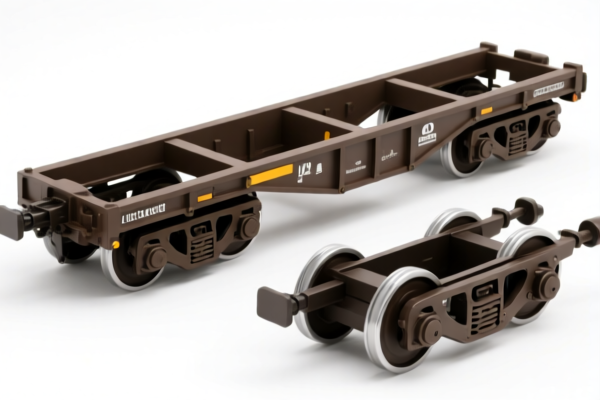
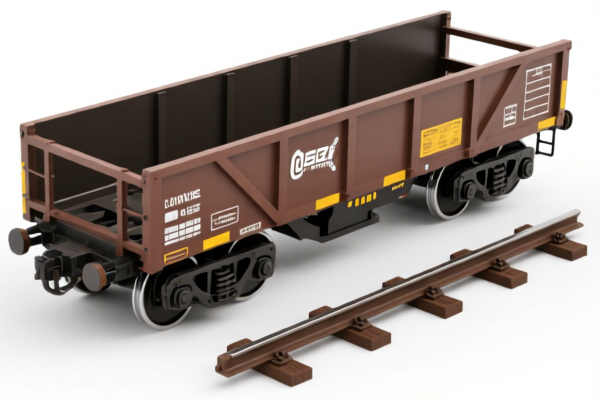
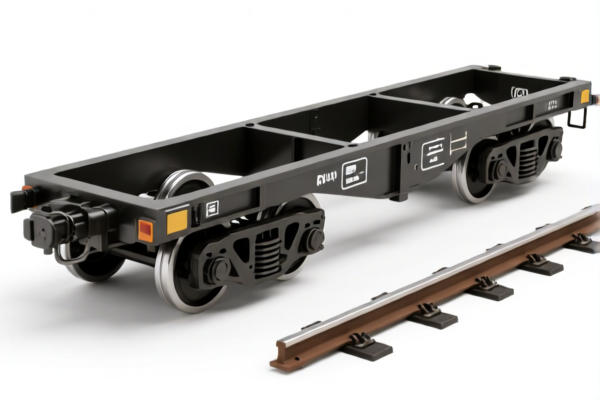
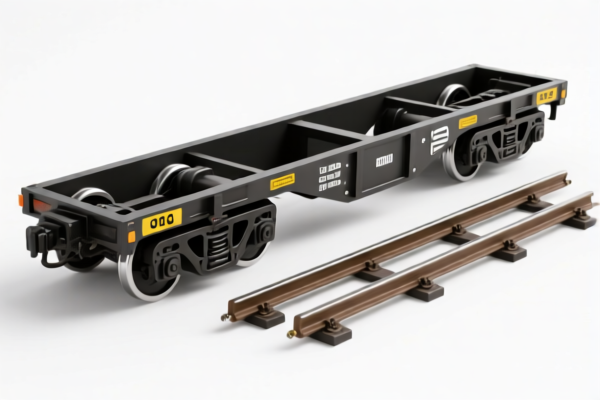
AI Analysis
🚛 Vehicle Trailer Parts (Truck & Trailer Components)
🌐 HS Code Reference & Customs Clearance Guide | 2026 Latest Tariff Analysis | Professional Clearance Strategy
📌 I. Product Definition: What Exactly Are "Vehicle Trailer Parts"?
In international trade, "Vehicle Trailer Parts" is a broad umbrella term that covers components for semi-trailers, dump trailers, and general cargo trucks. These parts are not self-propelled vehicles but essential accessories and structural elements that enable towing, braking, lighting, and cargo integrity.
Crucially, the material composition (Steel, Aluminum, Copper) and the functional category (Body, Transmission, Electrical) drastically alter the HS Code classification and, consequently, the tariff burden under current US trade policies (Section 301 & 1221).
⚠️ Key Distinction Point:
- Steel/Iron Components: Subject to a 50% additional tariff under the "Steel, Aluminum, Copper" provision.
- Non-Steel/Non-Metal or General Mechanical Parts: Subject to the standard 25% Section 301 tariff + 10% IEEPA 1221 Tariff.
- Pure General Accessories: May attract a lower 2.5% Base Duty if not classified as steel/copper artifacts.
📦 II. HS Code Classification Matrix (2026 Latest Tariff Authority)
Based on the specific functional and material attributes provided in the data, here is the precise mapping:
| HS Code | Product Summary | Key Characteristic | Material / Function |
|---|---|---|---|
8708.99.81.80 |
General Truck Parts | Belongs to "Parts and Accessories" | Non-Steel Specific / General |
7326.90.86.88 |
General Truck Parts | Inferred as Iron or Steel products | Steel/Iron Artifact |
8708.99.68.90 |
Powertrain Parts | Belongs to Power Transmission System | Steel/Aluminum/Copper Artifact |
8708.10.60.50 |
Auto Parts | Belongs to Vehicle Parts Category | Steel/Aluminum/Copper Artifact |
8512.90.90.00 |
Auto Parts | Belongs to Other Motor Vehicle Parts | Non-Steel Specific (Electrical/Other) |
🔍 Critical Insight:
-7326.90is the trap for generic steel items. Even if it's a "general part," if it's made of steel, it triggers the 50% Steel Penalty.
-8708.99.68.90and8708.10.60.50are high-risk because they are classified under vehicle parts but inherit the Steel/Aluminum/Copper 50% surcharge.
-8708.99.81.80is the most favorable for non-steel generic parts, with a much lower base duty.
💰 III. 2026 Latest Tariff Rate Breakdown (Detailed Policy Analysis)
✅ Applicable Country: United States (US)
✅ Origin: China (CN)
✅ Effective Date: Ongoing (Current Trade War Policies)
🎯 1. 8708.99.81.80 —— General Truck Parts (Lowest Risk)
| Item | Detail |
|---|---|
| Base Duty | 2.5% |
| Section 301 Surcharge | 0.0% (Note: Data indicates 0.0% for this specific subheading in the provided list) |
| IEEPA 1221 Surcharge | +10% |
| Steel/Al/Cu Surcharge | Not Applicable (Does not trigger the 50% metal penalty) |
| Total Effective Tax Rate | 12.5% |
| Tax Calculation | CIF Value × 12.5% |
| Legal Basis | Base Rate 2.5% + IEEPA 10% = 12.5% |
📌 Explanation:
This is the most cost-effective classification for generic parts that are not strictly defined as steel/copper artifacts or powertrain components. The lack of a 25% Section 301 tariff makes this the "Gold Standard" for non-metallic or generic mechanical accessories.
🎯 2. 7326.90.86.88 —— General Truck Parts (Steel Artifact)
| Item | Detail |
|---|---|
| Base Duty | 2.9% |
| Section 301 Surcharge | +25.0% |
| IEEPA 1221 Surcharge | +10% |
| Steel/Al/Cu Surcharge | +50.0% |
| Total Effective Tax Rate | 87.9% |
| Tax Calculation | CIF Value × 87.9% |
| Legal Basis | Base 2.9% + Sec 301 25% + IEEPA 10% + Steel Penalty 50% = 87.9% |
📌 Explanation:
This is a high-penalty category. The "7326" chapter covers "Articles of iron or steel." If your trailer part is made of steel (e.g., brackets, frames, unclassified steel fittings), it triggers the 50% additional tariff.
Total Tax: 87.9% is devastating to margins. Avoid this classification if possible.
🎯 3. 8708.99.68.90 —— Powertrain Parts (Steel Artifact)
| Item | Detail |
|---|---|
| Base Duty | 2.5% |
| Section 301 Surcharge | +25.0% |
| IEEPA 1221 Surcharge | +10% |
| Steel/Al/Cu Surcharge | +50.0% |
| Total Effective Tax Rate | 87.5% |
| Tax Calculation | CIF Value × 87.5% |
| Legal Basis | Base 2.5% + Sec 301 25% + IEEPA 10% + Steel Penalty 50% = 87.5% |
📌 Explanation:
Even though it is a vehicle part (8708), if it is made of Steel, Aluminum, or Copper, the 50% penalty applies. This typically includes axles, transmission housings, or driveshafts made of metal.
Total Tax: 87.5% is equally prohibitive.
🎯 4. 8708.10.60.50 —— Auto Parts (Vehicle Parts Category)
| Item | Detail |
|---|---|
| Base Duty | 2.5% |
| Section 301 Surcharge | +25.0% |
| IEEPA 1221 Surcharge | +10% |
| Steel/Al/Cu Surcharge | +50.0% |
| Total Effective Tax Rate | 87.5% |
| Tax Calculation | CIF Value × 87.5% |
| Legal Basis | Base 2.5% + Sec 301 25% + IEEPA 10% + Steel Penalty 50% = 87.5% |
📌 Explanation:
Similar to the powertrain parts, this classification for "Vehicle Parts" attracts the full brunt of trade war penalties including the metal surcharge. Likely applies to steel body parts or structural components.
🎯 5. 8512.90.90.00 —— Auto Parts (Other Motor Vehicle Parts)
| Item | Detail |
|---|---|
| Base Duty | 2.5% |
| Section 301 Surcharge | +25.0% |
| IEEPA 1221 Surcharge | +10% |
| Steel/Al/Cu Surcharge | Not Applicable (No 50% penalty listed) |
| Total Effective Tax Rate | 37.5% |
| Tax Calculation | CIF Value × 37.5% |
| Legal Basis | Base 2.5% + Sec 301 25% + IEEPA 10% = 37.5% |
📌 Explanation:
Chapter 85 covers electrical machinery. Parts here are likely lighting systems, wipers, or horn assemblies. They avoid the 50% Steel Penalty but still suffer the 25% Section 301 and 10% IEEPA tariffs.
Total Tax: 37.5% is moderate. Much better than steel parts, but worse than8708.99.81.80.
🛠️ IV. Customs Clearance Practical Advice (Pitfall Avoidance)
✅ 1. Material Declaration Strategy
| Material | Recommended HS Approach | Risk Level |
|---|---|---|
| Plastic/Rubber/Composite | Aim for 8708.99.81.80 |
🟢 Low (12.5%) |
| Electrical (Lights/Sensors) | Use 8512.90.90.00 |
🟡 Medium (37.5%) |
| Steel/Iron Parts | Avoid if possible. If unavoidable, use 7326.90.86.88 or 8708.99.68.90 |
🔴 Critical (87.5%+) |
📌 Action Item:
If you are importing steel brackets, ensure your customs broker checks if it can be classified under a different, non-steel penalty HS code. However, if it is strictly "Articles of Iron/Steel,"7326is the correct legal classification, and the 87.9% tax is unavoidable unless a tariff exclusion applies.
✅ 2. Documentation Checklist
| Document | Requirement | Purpose |
|---|---|---|
| Commercial Invoice | Must specify Material Composition (e.g., "Steel Alloy," "ABS Plastic") | Determines if the 50% Metal Penalty applies |
| Parts List | Detailed description (e.g., "Steering Gear Part" vs. "Steel Bracket") | Helps distinguish between 8708 (Mechanical) and 7326 (General Steel) |
| Material Test Report | Mill test certificates for steel parts | Proves material type to US Customs |
| OE Number / Part Number | Cross-reference with manufacturer manuals | Ensures correct 8708 subheading if applicable |
✅ 3. Classification Optimization Tactics
🔥 "Material is King: Plastic Saves, Steel Costs!"
| Scenario | Wrong Classification | Correct Classification | Tax Difference |
|---|---|---|---|
| Plastic Bumper Clip | 7326.90.86.88 (Steel) |
8708.99.81.80 (General) |
87.9% → 12.5% (Huge Savings!) |
| Steel Axle Housing | 8708.99.81.80 (Incorrect) |
8708.99.68.90 or 7326.90.86.88 |
12.5% → 87.5% (Must pay!) |
| LED Tail Light | 7326.90.86.88 (Incorrect) |
8512.90.90.00 (Electrical) |
87.9% → 37.5% (Optimized) |
🌍 V. Global Market Comparison (2026)
| Market | HS Code Strategy | Estimated Total Tax (China Origin) | Notes |
|---|---|---|---|
| 🇺🇸 USA | Critical to avoid 7326 & Metal Penalty |
12.5% ~ 87.9% | 50% Steel Penalty is unique and severe. |
| 🇨🇳 China | 8708.99.81.80 |
Low (Import Tariff) | China imports these parts with lower duties. |
| 🇪🇺 EU | Varies by material | Varies | No Section 301 or IEEPA tariffs. Standard WTO rates apply. |
📌 Conclusion:
The US market is the most punitive for Chinese vehicle trailer parts due to the layered tariffs (Base + 301 + IEEPA + Metal Penalty).
- Winners: Plastic, rubber, and non-steel mechanical parts (8708.99.81.80).
- Losers: Steel structural components (7326,8708.99.68.90).
📌 VI. Common Errors & Pitfalls (Blood Lessons)
❌ Error 1: Declaring a Steel Bracket as a "General Part" to avoid the 50% penalty.
👉 Result: Customs audit finds steel content → Back taxes + Penalties.
❌ Error 2: Using 8512.90.90.00 for a Mechanical Gearbox.
👉 Result: Incorrect classification → Duty evasion charge. Must use 8708 series.
❌ Error 3: Ignoring the IEEPA 10% Surcharge.
👉 Result: Underpayment. All Chinese-origin goods subject to 1221 tariffs incur this 10% on top of other duties.
✅ Best Practice:
"Check Material First. If Steel → Expect 87%. If Plastic/General → Aim for 12.5%. If Electrical → Expect 37.5%."
🎯 VII. Conclusion: Strategic Sourcing & Pricing
🎯 Key Takeaway:
- Minimize Steel: If possible, substitute steel components with aluminum (if exempt) or composite/plastic materials to avoid the 50% metal penalty.
- Precise Descriptions: Never use generic terms like "Truck Part." Use "Steel Bracket for Trailer Chassis" or "Plastic Clip for Trailer Hitch."
- Cost Calculation: Always include the 87.9% worst-case scenario in your profit margin models for steel parts.
📣 Immediate Action:
📞 Consult a Customs Broker: Verify the material composition of each SKU.
📄 Apply for Tariff Exclusions: If you are in7326or8708.99.68.90, check if your specific HTS is eligible for Section 301 exclusions (if any remain active).
🚀 Optimize Supply Chain: Consider sourcing non-steel parts from non-China origins to avoid IEEPA taxes entirely.
✨ Professional Clearance Starts with Precision!
💼 Your Margins Depend on Correct HS Codes!
Customer Reviews
About HS Code Classification
The Harmonized System (HS) is an internationally standardized nomenclature developed by the World Customs Organization (WCO) to classify traded products. Over 200 countries use the HS system as the basis for customs tariffs, trade statistics, and import/export regulations.
Each HS code follows a hierarchical structure:
- Chapter (2 digits) — Broad category of goods (e.g., Chapter 84: Machinery and Mechanical Appliances)
- Heading (4 digits) — More specific grouping within the chapter
- Subheading (6 digits) — Internationally standardized breakdown, used by all WCO member countries
- National subdivisions (8-10 digits) — Country-specific extensions for further classification, such as US HTSUS 10-digit codes
Correct HS code classification is essential for smooth customs clearance, accurate duty payment, and compliance with trade regulations. Misclassification can lead to customs delays, overpayment of duties, or penalties.
When importing from CN to US, the applicable tariff rates may include:
- Most-Favored-Nation (MFN) rate — The standard duty rate applied to WTO members
- General rate — Applied to countries without trade agreements
- Trade remedy duties — Additional tariffs such as Section 301 (anti-dumping), Section 232 (national security), or countervailing duties
The information provided on this page is for reference purposes only. For official classification, please consult with your local customs authority or a licensed customs broker.