Velvet upholstery fabric
CN → US| HS Code | Tariff Rate | Origin | Destination | Doc |
|---|---|---|---|---|
| 5801229000 | 55.2% | CN | US | Official Doc |
| 5801275020 | 53.5% | CN | US | Official Doc |
| 6001920010 | 52.2% | CN | US | Official Doc |
| 6001920030 | 52.2% | CN | US | Official Doc |
| 5801229000 | 55.2% | CN | US | Official Doc |
Product Images
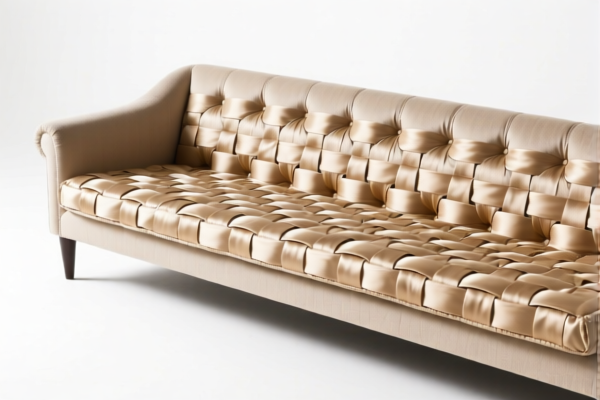
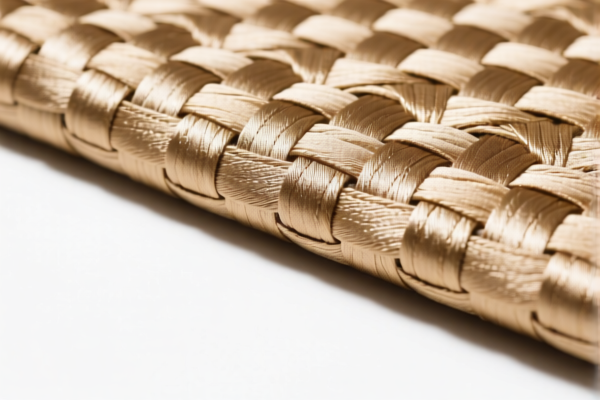
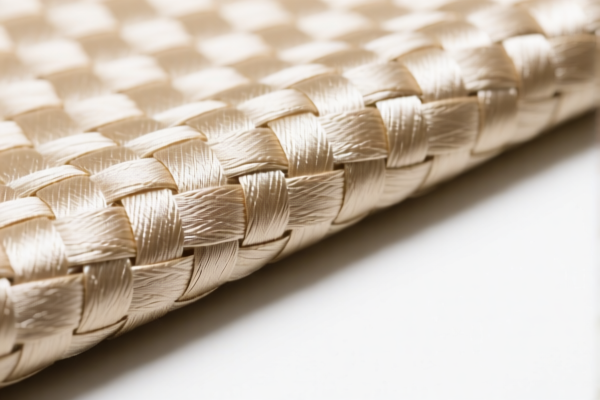
AI Analysis
🧵 Velvet Upholstery Fabric: The Ultimate Guide to HS Codes, Tariffs & Clearance Strategy (2026 Edition)
🌐 Global Trade Compliance & Customs Classification | 2026 Updated Tariff Analysis | Professional Shipping Strategy
📌 I. Product Definition: What Exactly is "Velvet Upholstery Fabric"?
Velvet Upholstery Fabric is a luxurious pile fabric characterized by a dense, soft surface of upright fibers (pile), creating a smooth, lustrous texture. In the context of international trade and customs classification, it falls under Chapter 58 (Special Woven Fabrics) or Chapter 60 (Knitted or Crocheted Fabrics), depending entirely on its manufacturing method:
- Woven Pile Fabrics (Chapter 58): The "classic" velvet, made on a loom where two layers are woven and cut apart to create the pile. This includes cotton, synthetic, or blended pile.
- Knitted Pile Fabrics (Chapter 60): The "knitted velvet," produced on knitting machines, often used for stretch upholstery, furniture, and automotive interiors.
⚠️ Critical Classification Point:
- Woven Pile: Must be classified under 5801 (Warp pile) or 5804/5805 (Fringe/Warp).
- Knitted Pile: Must be classified under 6001 (Pile, knitted).
- Material Matters: The distinction between Cotton (5801.22/6001.12) and Synthetic/Other (5801.27/6001.92) drastically changes the duty rate!
📦 II. HS Code Classification Breakdown (2026 Official Tariff Reference)
Based on your specific input data, here are the exact HS Codes applicable to Velvet Upholstery Fabrics, including the logic for classification and the corresponding tax structure.
| HS Code | Product Description (As Per Input) | Material Logic | Fabric Type | Primary Category |
|---|---|---|---|---|
5801.22.90.00 |
Velvet fabric or decorative cloth (Pile woven fabric, inferred Cotton or Fiber) | Cotton-based | Woven (Cut Pile) | Other Cotton Pile Fabrics |
5801.27.50.20 |
Velvet fabric (Woven pile fabric, unmentioned material, inferred Cotton/Other) | Non-Cotton / Synthetic | Woven (Cut Pile) | Other Pile Fabrics |
6001.92.00.10 |
Velvet fabric (Pile fabric, weight unspecified, inferred Other Material) | Other Material | Knitted (Pile) | Knitted Pile Fabrics (Other) |
6001.92.00.30 |
Velvet fabric (Pile fabric, inferred Synthetic or Natural Fiber) | Synthetic/Natural Mix | Knitted (Pile) | Knitted Pile Fabrics (Other) |
🔍 Deep Dive Logic:
-5801.22.90.00: Specifically targets Woven Cotton Pile. If your velvet is cotton, this is the most likely code. -5801.27.50.20: Targets Woven Pile (Non-Cotton). If the velvet is polyester, rayon, or a blend not primarily cotton, this code applies. -6001.92.x0: Targets Knitted Pile. If the fabric is stretchy, made on a circular knitting machine, this code applies regardless of material (cotton/synthetic mix).
💰 III. 2026 Tariff Rate Breakdown (Including Special Surcharges)
✅ Applicable Country: United States (US)
✅ Origin: China (CN)
✅ Effective Date: Post-November 2025 (Includes all 2026 adjustments)
🎯 1. Category: Woven Cotton Velvet (5801.22.90.00)
This is the most expensive category due to higher base tariffs on cotton goods.
| Item | Detail |
|---|---|
| Base Duty Rate | 20.2% (Standard MFN rate) |
| Section 301 (Additional Tariff) | +25.0% (Trade War Tariff) |
| Section 122 (Special Tariff) | +10.0% (China-specific surcharge) |
| 🔴 Total Duty Rate | 55.2% |
| Tax Calculation | CIF Value × 55.2% |
| De Minimis Exemption | ❌ NO (High tariff goods are not exempt) |
| Legal Authority Path | Section 301 → Section 122 → 5801.22.90.00 |
📌 Explanation:
- 20.2% Base: Standard US Customs duty for cotton woven pile fabrics.
- 25% Add-on: Part of the "Section 301" list targeting Chinese textiles.
- 10% Surcharge: The specific "122 Clause" targeting Chinese cotton/textile products.
- Result: 55.2% total. This is a high-cost import requiring significant margin planning.
🎯 2. Category: Woven Non-Cotton Velvet (5801.27.50.20)
Applies to synthetic velvet (Polyester, Rayon, Acrylic).
| Item | Detail |
|---|---|
| Base Duty Rate | 18.5% (Standard MFN rate for non-cotton) |
| Section 301 (Additional Tariff) | +25.0% |
| Section 122 (Special Tariff) | +10.0% |
| 🔴 Total Duty Rate | 53.5% |
| Tax Calculation | CIF Value × 53.5% |
| De Minimis Exemption | ❌ NO |
| Legal Authority Path | Section 301 → Section 122 → 5801.27.50.20 |
📌 Note:
- Slightly cheaper than cotton (53.5% vs 55.2%) because the base tariff is lower (18.5% vs 20.2%).
- Common for high-end modern furniture upholstery which often uses synthetic blends.
🎯 3. Category: Knitted Pile Velvet (6001.92.00.10 & 6001.92.00.30)
Applies to stretch velvet, knitted upholstery, and jersey-back velvet.
| Item | Detail |
|---|---|
| Base Duty Rate | 17.2% (Standard MFN rate for knitted pile) |
| Section 301 (Additional Tariff) | +25.0% |
| Section 122 (Special Tariff) | +10.0% |
| 🔴 Total Duty Rate | 52.2% |
| Tax Calculation | CIF Value × 52.2% |
| De Minimis Exemption | ❌ NO |
| Legal Authority Path | Section 301 → Section 122 → 6001.92.00.x0 |
📌 Note:
- Lowest of the bunch (52.2%) due to the lower base rate (17.2%).
- Crucial Distinction: If your velvet has stretch, it is almost certainly Knitted (6001), not Woven (5801). Ensure your product spec reflects "Knitted" to potentially save 3% compared to woven.
🛠️ IV. Customs Clearance Action Plan (Practical Tips & Pitfalls)
✅ 1. Essential Documentation Checklist
| Document | Requirement | Why It Matters |
|---|---|---|
| Detailed Product Specification | Mandatory | Must explicitly state: Fabric Structure (Woven vs. Knitted) and Fiber Composition (Cotton % vs. Synthetic %). |
| Swatch/Photo of Pile | Mandatory | Visual proof of "Pile" structure to prove it falls under 5801 or 6001, not standard plain weave. |
| Material Composition Label | Mandatory | Customs will check fiber content. If a "Cotton Velvet" is actually 60% Polyester, the code changes from 5801.22 to 5801.27. |
| Commercial Invoice | Mandatory | Must include: HS Code, Value, Country of Origin (China), and Description. |
| Bill of Lading / Packing List | Mandatory | Must match invoice quantities and weights. |
✅ 2. Declaring Strategy (The "Golden Rule")
🔥 Formula: Structure + Material = Tax Rate
| Scenario | Correct Declaration | Risk of Error |
|---|---|---|
| Cotton Woven Velvet | Declare as 5801.22.90.00 |
If misclassified as "Other" → Underpayment + Penalty. |
| Polyester Woven Velvet | Declare as 5801.27.50.20 |
If declared as Cotton → Overpayment + Refund delay. |
| Stretch/Knitted Velvet | Declare as 6001.92.00.10 |
If declared as Woven → 55.2% Tax (Pay 3% extra!). |
| Uncertain Material | Test First! | Do not guess. If unsure, apply for a Binding Ruling or request a sample test. |
✅ 3. Special Circumstances & Solutions
| Situation | Professional Advice |
|---|---|
| "It's a blend" | If Cotton is < 85%, it usually falls under Non-Cotton (5801.27). Calculate fiber %. |
| "It's for Automotive Use" | Even if for cars, it is still "Upholstery Fabric." Do not misclassify as "Car Parts." |
| "Sample Shipment" | Even samples of "Luxury Velvet" are subject to the 55.2% tariff. No "de minimis" relief for high-tariff textiles. |
| "Supplier claims 0% Duty" | WRONG. There is no "0% duty" for Chinese velvet upholstery in 2026 under current tariffs. |
🌍 V. Global Market Comparison (2026 Context)
| Region | Typical HS Code | Base Tariff | US Add-on | Total Effective Rate | Strategy |
|---|---|---|---|---|---|
| 🇺🇸 USA | 5801.22/5801.27 |
18.5% - 20.2% | +35.0% (301+122) | 52.2% - 55.2% | High Cost: Optimize margin or use trans-shipment. |
| 🇪🇺 EU | 5801.22 |
~8.0% | 0% | ~8.0% | Low Cost: No Section 301/122 applies. |
| 🇨🇦 Canada | 5801.22 |
~5.5% | 0% | ~5.5% | Low Cost: CUSMA trade benefits apply. |
| 🇯🇵 Japan | 5801.22 |
~6.0% | 0% | ~6.0% | Low Cost: JEA-EPA benefits may apply. |
📌 Conclusion: The US market is the only major destination with these heavy Section 301 + Section 122 surcharges. For other markets, the duty is ~10-20x lower.
📌 VI. Common Mistakes & How to Avoid Them
❌ Mistake 1: Ignoring the "Knitted" vs. "Woven" distinction
👉 Result: You pay 55.2% (Woven) when you could pay 52.2% (Knitted).
✅ Fix: Check the fabric structure. If it stretches, it's Knitted (6001).
❌ Mistake 2: Assuming all "Velvet" is Cotton
👉 Result: Misclassification leading to audits and back-tariff.
✅ Fix: Verify the fiber content percentage. If <85% cotton, use 5801.27.
❌ Mistake 3: Using vague terms like "Luxury Fabric"
👉 Result: Customs officer may downgrade your description or demand extra testing.
✅ Fix: Use precise terms: "Cotton Woven Pile Velvet, 100gsm, Unbleached".
🎯 VII. Final Verdict: Professional Clearance Advice
🚀 Key Takeaway for 2026:
Importing Velvet Upholstery Fabric from China to the US is extremely expensive due to the cumulative 55.2% (Cotton Woven) or 52.2% (Knitted) tariff.Action Steps: 1. Verify Material: Is it Cotton? If yes, prepare for 55.2%. If Synthetic, 53.5%. If Knitted, 52.2%. 2. Check Fiber %: Blends matter! 3. Calculate Landed Cost: Factor in the 35% surcharge immediately. 4. Consider Trans-shipment: If volume is high, explore shipping via Vietnam or Mexico to avoid Section 301/122 (if applicable rules allow). 5. Pre-Ruling: If unsure, apply for an Advance Ruling with US Customs to lock in the classification.
✨ Smart Trade, Zero Surprises!
💼 Accurate Classification is the first step to Profitability.
Customer Reviews
About HS Code Classification
The Harmonized System (HS) is an internationally standardized nomenclature developed by the World Customs Organization (WCO) to classify traded products. Over 200 countries use the HS system as the basis for customs tariffs, trade statistics, and import/export regulations.
Each HS code follows a hierarchical structure:
- Chapter (2 digits) — Broad category of goods (e.g., Chapter 84: Machinery and Mechanical Appliances)
- Heading (4 digits) — More specific grouping within the chapter
- Subheading (6 digits) — Internationally standardized breakdown, used by all WCO member countries
- National subdivisions (8-10 digits) — Country-specific extensions for further classification, such as US HTSUS 10-digit codes
Correct HS code classification is essential for smooth customs clearance, accurate duty payment, and compliance with trade regulations. Misclassification can lead to customs delays, overpayment of duties, or penalties.
When importing from CN to US, the applicable tariff rates may include:
- Most-Favored-Nation (MFN) rate — The standard duty rate applied to WTO members
- General rate — Applied to countries without trade agreements
- Trade remedy duties — Additional tariffs such as Section 301 (anti-dumping), Section 232 (national security), or countervailing duties
The information provided on this page is for reference purposes only. For official classification, please consult with your local customs authority or a licensed customs broker.