Vent
CN → US| HS Code | Tariff Rate | Origin | Destination | Doc |
|---|---|---|---|---|
| 7610900040 | 90.7% | CN | US | Official Doc |
| 7308909590 | 85.0% | CN | US | Official Doc |
| 7308909530 | 85.0% | CN | US | Official Doc |
| 8414596595 | 37.3% | CN | US | Official Doc |
| 8414600000 | 35.0% | CN | US | Official Doc |
Product Images
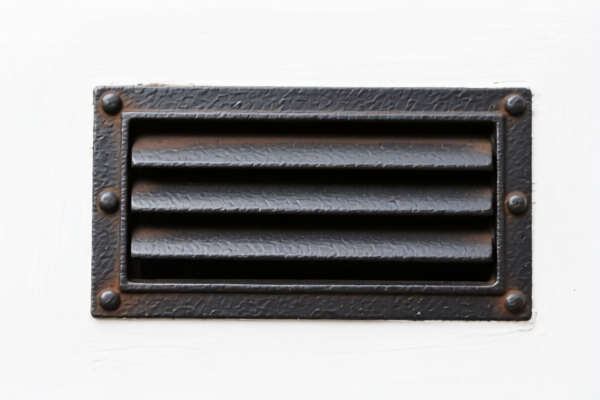
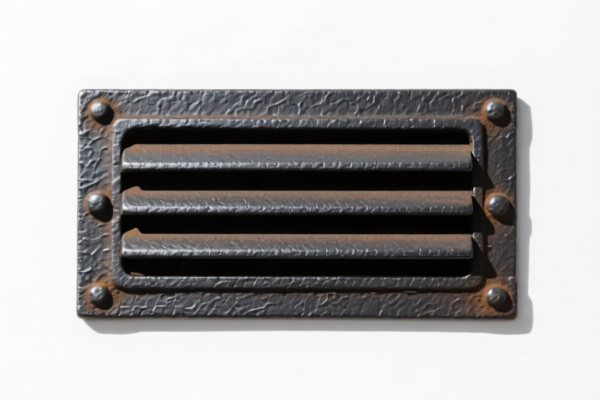
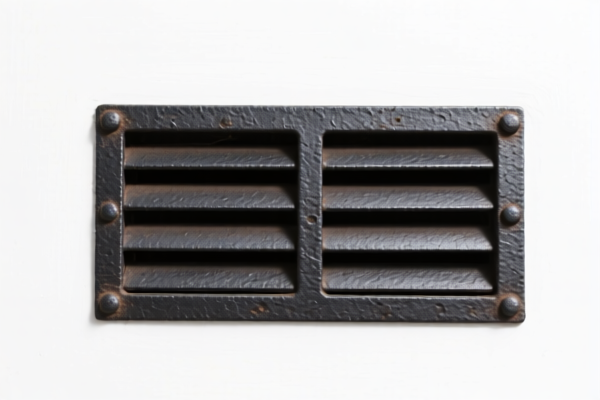
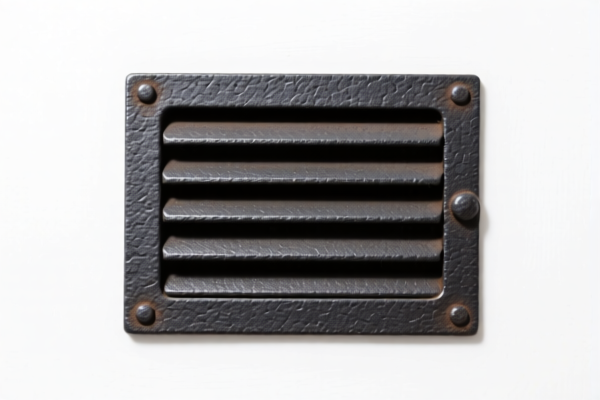
AI Analysis
🌬️ Ventilation Units & Structural Metal Components (Vents)
🌐 HS Code Reference & Customs Clearance Guide | 2026 Latest Tariff Analysis | Professional Clearance Strategy
📌 I. Product Definition & Classification: What Exactly is a "Vent"?
In international trade, "Vents" is a broad term that typically refers to Air Vents, Exhaust Fans, Ventilation Ducts, or Roof Vents. The critical factor for classification is whether the item is a mechanical device (fan, motor, controller) or a passive structural component (metal grille, duct, roof cap).
1. Mechanical Ventilation Units (Fans/Pumps):
Contains motors, impellers, or controllers to move air.
Scope:* Exhaust fans, circulation fans, ventilation hoods.
2. Passive Structural Metal Components:
Made of steel, aluminum, or other metals, used for building construction, drainage, or support, without active mechanical parts.
Scope:* Roof vents, metal grilles, ducts, structural supports for ventilation systems.
⚠️ Key Distinction Point:
- If it has a motor, fan, or electrical control → It is likely a machine (Chapter 84).
- If it is just metal sheets/grilles/ducts for airflow or structure → It is metal goods (Chapter 73 or 76).
📦 II. HS Code Classification Details (2026 Latest Tariff Authority Comparison)
Based on the provided data, here are the 5 specific HS Codes with their rationales:
| HS Code | Product Description | Application Scenario | Material/Nature | Tax Complexity |
|---|---|---|---|---|
8414.60.00.00 |
Ventilation Hoods & Recirculating Hoods | Kitchen exhaust hoods, industrial fume hoods. | Mechanical Device | Medium (35%) |
8414.59.65.95 |
Fans, Ventilators & Circulation Units | Standalone fans, duct fans, blowers. | Mechanical Device | Medium (37.3%) |
7610.90.00.40 |
Aluminum Structural Works (Vents) | Aluminum ventilation covers, decorative air vents. | Passive Metal (Aluminum) | Very High (90.7%) |
7308.90.95.90 |
Steel Structural Parts (General) | General steel structural components, generic metal frames. | Passive Metal (Steel) | Very High (85%) |
7308.90.95.30 |
Steel Drainage/Ventilation Equipment | Metal roof vents, rain gutters, passive ventilation shafts. | Passive Metal (Steel) | Very High (85%) |
🔍 Critical Warning:
- Mechanical vs. Passive: Misclassifying a simple aluminum vent grille as a fan (8414) will result in lower taxes but false declaration penalties if inspected. Conversely, classifying a fan as steel (7308) might seem cheaper but risks rejection for incorrect description.
- Material Matters: Aluminum (7610) and Steel (7308) passive vents face significantly higher tariffs due to Section 232 (Steel/Aluminum) and Section 301 (China) tariffs.
💰 III. 2026 Latest Tariff Rate Detailed Breakdown (Including Surcharges & Policy Add-ons)
✅ Applicable Country: United States (US)
✅ Origin: China (CN)
✅ Effective Date: 2025/2026 (Current Trade War Context)
🎯 1. 8414.60.00.00 —— Ventilation Hoods (Recirculating)
| Item | Content |
|---|---|
| Base Tariff | 0.0% (ad valorem) |
| USITC Surcharge (Section 301) | +25.0% |
| IEEPA/Section 122 Add-on | +10.0% (Specific to certain steel/aluminum/copper products or general China add-on depending on specific ruling) |
| Total Tax Rate | 35.0% |
| Tax Calculation | CIF Value × 35% |
| De Minimis Exemption | ❌ Not Applicable |
📌 Explanation:
- This is a mechanical appliance. It benefits from a 0% base rate.
- However, it bears the full brunt of the 25% Section 301 tariff and an additional 10% surcharge (often associated with specific Chinese import policies or Section 232 spillover effects in complex rulings).
- Total: 35%. This is the most cost-effective option if the product is indeed a mechanical hood.
🎯 2. 8414.59.65.95 —— Fans, Ventilators, Circulation Units
| Item | Content |
|---|---|
| Base Tariff | 2.3% |
| USITC Surcharge (Section 301) | +25.0% |
| IEEPA/Section 122 Add-on | +10.0% |
| Total Tax Rate | 37.3% |
| Tax Calculation | CIF Value × 37.3% |
| De Minimis Exemption | ❌ Not Applicable |
📌 Explanation:
- This covers general fans not specifically described elsewhere.
- The 2.3% base rate makes it slightly more expensive than the hood (8414.60).
- Total: 37.3%. Ideal for standalone fans or blowers.
🎯 3. 7610.90.00.40 —— Aluminum Structural Works (Vents)
| Item | Content |
|---|---|
| Base Tariff | 5.7% |
| USITC Surcharge (Section 301) | +25.0% |
| Section 232 (Steel/Aluminum) | +50.0% (Specific surcharge for aluminum products) |
| Total Tax Rate | 90.7% |
| Tax Calculation | CIF Value × 90.7% |
| De Minimis Exemption | ❌ Not Applicable |
📌 Explanation:
- ⚠️ Extremely High Tariff!
- Aluminum products face a 50% Section 232 tariff in addition to the 25% Section 301 tariff.
- Total: 90.7%.
- Strategy: Avoid this classification if possible. If you must import aluminum vents, consider if they can be classified as "parts" of a fan (8414) rather than structural works (7610), though this requires strict proof of being "parts" and not "structures".
🎯 4. 7308.90.95.90 —— Steel Structural Parts (General)
| Item | Content |
|---|---|
| Base Tariff | 0.0% |
| USITC Surcharge (Section 301) | +25.0% |
| Section 232 (Steel) | +50.0% (Specific surcharge for steel products) |
| Total Tax Rate | 85.0% |
| Tax Calculation | CIF Value × 85.0% |
| De Minimis Exemption | ❌ Not Applicable |
📌 Explanation:
- ⚠️ Very High Tariff!
- Steel products face a 50% Section 232 tariff plus 25% Section 301.
- Total: 85%.
- This is a "catch-all" for steel structures. Do not use for simple vents unless they are major structural components of a building.
🎯 5. 7308.90.95.30 —— Steel Drainage/Ventilation Equipment
| Item | Content |
|---|---|
| Base Tariff | 0.0% |
| USITC Surcharge (Section 301) | +25.0% |
| Section 232 (Steel) | +50.0% (Specific surcharge for steel products) |
| Total Tax Rate | 85.0% |
| Tax Calculation | CIF Value × 85.0% |
| De Minimis Exemption | ❌ Not Applicable |
📌 Explanation:
- Specifically for metal roof vents, gutters, or passive ventilation shafts.
- Despite being for "ventilation," it is treated as steel structural goods.
- Total: 85%. High cost due to dual surcharges.
🛠️ IV. Customs Clearance Practical Advice (Pitfall Avoidance Guide)
✅ 1. Documentation Checklist (Mandatory)
| Document | Required | Note |
|---|---|---|
| ✅ Product Photos | ✔️ | Clear view of motor, vents, material (Alu vs Steel). |
| ✅ Technical Spec Sheet | ✔️ | Must specify: Voltage, Wattage, Airflow (CFM), Material. |
| ✅ Bill of Lading & Invoice | ✔️ | Describe as "Ventilation Fan" or "Aluminum Vent Grille", NOT just "Vent". |
| ✅ Material Declaration | ✔️ | Explicitly state "Aluminum Alloy" or "Carbon Steel". |
| ✅ Function Statement | ✔️ | "Mechanical Fan with Motor" vs "Passive Airflow Grille". |
✅ 2. Classification Strategy (Key Mantra)
🔥 "Motor = Machine (Low Tax), Metal = Structure (High Tax)!"
| Scenario | Correct HS Code | Incorrect HS Code | Risk |
|---|---|---|---|
| Electric Exhaust Fan | 8414.60.00.00 or 8414.59.65.95 |
7610 or 7308 |
Penalty for Misclassification. Tax difference is huge (35% vs 90%). |
| Aluminum Roof Vent (Passive) | 7610.90.00.40 |
8414 |
Penalty. It has no motor, so it cannot be a fan. |
| Steel Duct/Grille (Passive) | 7308.90.95.30 |
8414 |
Penalty. Same as above. |
| Fan Housing (Part of Fan) | 8414 (as part) |
7610 |
Complex. If it's specifically designed for the fan, it may be classified as a part. Consult a broker. |
✅ 3. Special Considerations
| Situation | Advice |
|---|---|
| Composite Materials | If a vent has an aluminum grille but a steel frame, it is likely Steel (7308) if steel provides the essential character. |
| OEM Customization | Provide design drawings. If the item is a "hood" for a specific machine, argue for 8414. If it's a generic roof cap, argue for 7308/7610. |
| Small Shipments (De Minimis) | ❌ Do Not Expect Exemption. With Section 301 and 232, de minimis (under $800) is often denied for China-origin steel/aluminum/machines. |
🌍 V. Global Market Comparison (2026)
| Country/Region | Recommended HS Code | Estimated Tax (China Origin) | Certification |
|---|---|---|---|
| 🇺🇸 USA | 8414.60.00.00 (Fan) |
35% | UL, ETL, Energy Star |
| 🇺🇸 USA | 7610.90.00.40 (Alu Vent) |
90.7% | None typically, but proof of material |
| 🇨🇳 China | 8414.60.00.00 |
5-10% | CCC (if applicable) |
| 🇪🇺 EU | 8414.60.00.00 |
3-5% | CE, RoHS, ErP |
| 🇬🇧 UK | 8414.60.00.00 |
3-5% | UKCA, RoHS |
📌 Conclusion:
- USA is the most expensive market due to the 50% Section 232 and 25% Section 301 tariffs on steel/aluminum, and 25-35% on mechanical goods.
- Mechanical devices (8414) are significantly cheaper to import than passive metal structures (7308/7610) from China to the US.
- Strategy: If your product is a passive aluminum vent, consider if it can be redesigned or reclassified as a "part" of a ventilation system to potentially utilize the lower mechanical tariff, though this requires strong engineering justification.
📌 VI. Common Mistakes & Pitfalls (Lessons Learned)
❌ Mistake 1: Classifying an electric fan as Aluminum Sheet Metal (7610)
👉 Result: You might think it's cheaper, but customs will catch it. Misdeclaration leads to confiscation or heavy fines. The correct tax is 35%, not 90.7%, so you were actually paying more tax in the wrong category? No, wait. 35% is LOWER than 90.7%. So classifying as metal is WRONG because it incurs a HIGHER tax.
👉 Correction: Always classify mechanical fans as 8414.
❌ Mistake 2: Classifying a passive aluminum roof vent as a Fan (8414)
👉 Result: You save tax (35% vs 90.7%).
👉 Danger: Customs will inspect. If no motor is found, it is fraud.
👉 Correction: Be honest. If it has no motor, use 7610. Factor the 90.7% cost into your pricing.
❌ Mistake 3: Ignoring the Section 232 (50%) on Steel/Aluminum
👉 Result: Budgeting only for 25% (Section 301) leaves you short 50%.
👉 Correction: Always add 50% for steel/aluminum structural goods from China to the US.
🎯 VII. Conclusion: Precise Classification Saves Money!
🎯 Remember the Mantra:
🔹 "Has Motor? Use 8414 (35-37%)."
🔹 "Just Metal? Use 7308/7610 (85-90%)."
🔹 "Aluminum/Steel from China to USA? Expect 50% Section 232!"
📌 Pro Tip:
If you are importing passive vents with 90%+ tax, consider:
1. Supply Chain Diversification: Source from Vietnam or Mexico for lower tariffs.
2. Product Redesign: Can it be a "part" of a machine?
3. Bonded Warehouses: Use FTZs to defer taxes.
📣 Immediate Action:
📞 Contact a Customs Broker to verify the "Motor vs. Structure" classification.
📝 Provide Photos showing the presence/absence of electrical components.
🚀 Optimize your HS Code to avoid the 90%+ trap!
✨ Professional Clearance Starts with Accurate Classification!
💼 Your Margin Depends on Your Tariff Rate!
Customer Reviews
About HS Code Classification
The Harmonized System (HS) is an internationally standardized nomenclature developed by the World Customs Organization (WCO) to classify traded products. Over 200 countries use the HS system as the basis for customs tariffs, trade statistics, and import/export regulations.
Each HS code follows a hierarchical structure:
- Chapter (2 digits) — Broad category of goods (e.g., Chapter 84: Machinery and Mechanical Appliances)
- Heading (4 digits) — More specific grouping within the chapter
- Subheading (6 digits) — Internationally standardized breakdown, used by all WCO member countries
- National subdivisions (8-10 digits) — Country-specific extensions for further classification, such as US HTSUS 10-digit codes
Correct HS code classification is essential for smooth customs clearance, accurate duty payment, and compliance with trade regulations. Misclassification can lead to customs delays, overpayment of duties, or penalties.
When importing from CN to US, the applicable tariff rates may include:
- Most-Favored-Nation (MFN) rate — The standard duty rate applied to WTO members
- General rate — Applied to countries without trade agreements
- Trade remedy duties — Additional tariffs such as Section 301 (anti-dumping), Section 232 (national security), or countervailing duties
The information provided on this page is for reference purposes only. For official classification, please consult with your local customs authority or a licensed customs broker.