Video Camera
CN → US| HS Code | Tariff Rate | Origin | Destination | Doc |
|---|---|---|---|---|
| 8525893000 | 35.0% | CN | US | Official Doc |
| 8543706000 | 35.0% | CN | US | Official Doc |
| 8525895050 | 35.0% | CN | US | Official Doc |
| 9013809100 | 22.0% | CN | US | Official Doc |
| 9013105000 | 22.8% | CN | US | Official Doc |
| 8543709860 | 37.6% | CN | US | Official Doc |
Product Images
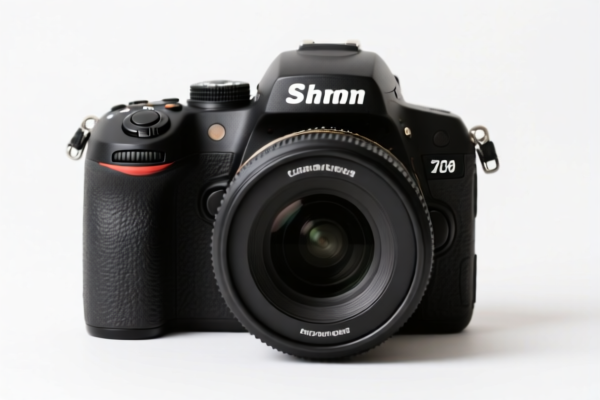
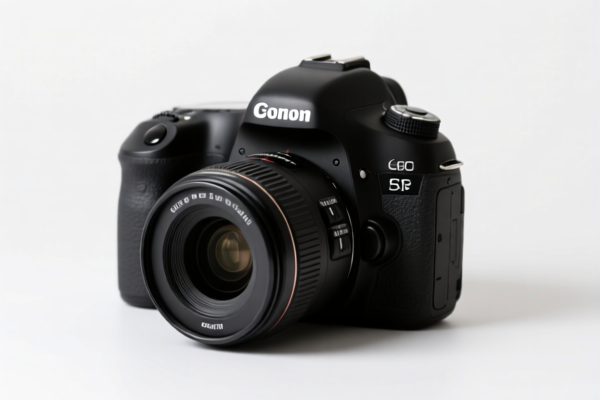
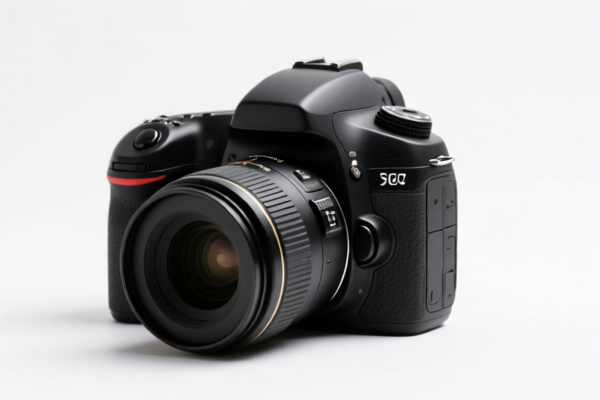
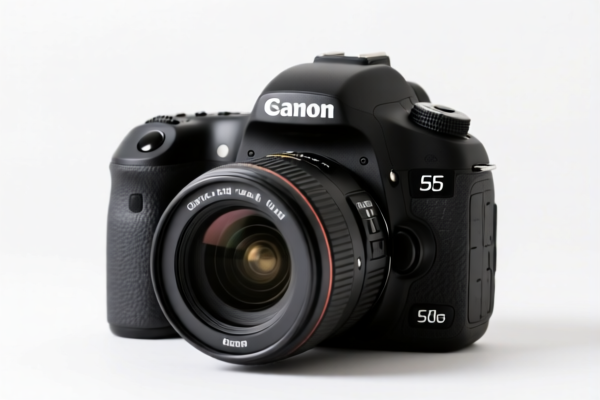
AI Analysis
📹 Video Camera (Imaging & Optical Capture Devices)
🌐 HS Code Reference & Customs Clearance Guide | 2026 Latest Tariff Analysis | Professional Clearance Strategy
📌 Part 1: Product Definition & Classification: Do You Really Understand "Video Cameras"?
A Video Camera is a device used to capture moving images, serving critical roles in broadcasting, security surveillance, live streaming, and professional media production. In international trade, the classification depends heavily on its function, integration, and optical vs. electronic nature.
Traders often confuse these devices, leading to significant tariff risks. Below are the six specific HS Codes identified in the reference data, each with a distinct rationale based on the device's primary function and technical characteristics.
⚠️ Key Distinction Points:
- Broadcast/Transmission Focus: If the camera is primarily for television or broadcast transmission → 8525.89.50.50
- General Image Capture: If it is a standard imaging device (e.g., CCTV, dashcam) → 8525.89.30.00
- Network/Instrument Connectivity: If it connects to networks or instruments as a subsystem → 8543.70.60.00
- Optical/Laser Precision: If it is viewed as a high-precision optical instrument or laser-related optics → 9013.80.91.00
- General Optical Instrument: If it falls under "Other Optical Appliances" → 9013.10.50.00
- Independent Electronic Device: If it is a standalone electronic unit with independent functions → 8543.70.98.60
📦 Part 2: HS Code Classification Details (2026 Latest Tariff Authority Match)
The following table maps the specific HS Codes from the provided data to the corresponding video camera applications and rationales.
| HS Code | Product Description & Rationale | Applicable Scenario | Key Classification Logic |
|---|---|---|---|
8525.89.30.00 |
Imaging Acquisition Equipment: Categorized as video camera equipment with consistent usage with TV cameras. | Standard CCTV cameras, consumer camcorders, surveillance systems. | Primary function is image capture similar to traditional TV cameras. |
8543.70.60.00 |
Electronic Imaging Device: Treated as an electronic unit that connects to networks or instruments. | IP Cameras, industrial machine vision systems, IoT-enabled cameras. | Function is network/instrument integration rather than pure broadcasting. |
8525.89.50.50 |
Broadcast/TV Transmission Equipment: Categorized as image capture equipment fitting broadcast or TV transmission categories. | Professional broadcast cameras, studio cameras, high-end ENG (Electronic News Gathering) cameras. | Primary function is broadcast transmission or TV signal generation. |
9013.80.91.00 |
Optical Imaging Equipment: Categorized as optical imaging devices fitting lasers and other optical apparatus categories. | High-precision laser scanning cameras, specialized optical sensors, scientific imaging devices. | Emphasis on optical precision and laser-related optical components. |
9013.10.50.00 |
Other Optical Appliances: Categorized as other optical instruments fitting the definition of optical instruments. | Microscopic cameras, specialized optical viewfinders, non-standard optical imaging tools. | Falls under general optical appliances not specifically covered elsewhere. |
8543.70.98.60 |
Independent Electronic Device: Categorized as an electronic device with independent functions fitting other machinery/apparatus uses. | Standalone digital video recorders with integrated cameras, autonomous robotic vision units. | Viewed as an independent electronic machine with broad functional scope. |
🔍 Critical Note:
- Broadcast vs. Surveillance: A camera designed for TV broadcasting (8525.89.50.50) has different tariff implications than a standard surveillance camera (8525.89.30.00).
- Optical vs. Electronic: Cameras marketed as optical instruments (9013.xxxx) may benefit from lower base tariffs (22% total) compared to electronic devices (35-37.6% total).
- Network Integration: IP cameras connected to data systems often fall under 8543.70.xxxx, reflecting their role as networked electronic devices.
💰 Part 3: 2026 Latest Tariff Rate Breakdown (Including Surcharges & Policy Add-ons)
✅ Applicable Country: United States (US)
✅ Origin: China (CN)
✅ Effective Date: From November 10, 2025 onwards (for subsequent imports)
🎯 1. 8525.89.30.00 – Standard Imaging Equipment (CCTV/Surveillance)
| Item | Details |
|---|---|
| Base Tariff | 0.0% (ad valorem) |
| Section 301 Surcharge | +25.0% |
| Section 122 Tariff | +10.0% |
| Total Tariff Rate | 35.0% |
| Tax Calculation | CIF Value × 35% |
| De Minimis Eligibility | ❌ Not Eligible (High tariff rate exceeds threshold) |
| Legal Basis | Section 301 (25%) + Section 122 (10%) |
📌 Explanation:
- The 25% surcharge is under US Trade Law Section 301.
- The 10% is a Section 122 tariff (2 U.S.C. § 2901 et seq.).
- Total 35% is a standard high-rate classification for electronic imaging devices of Chinese origin.
🎯 2. 8543.70.60.00 – Electronic Imaging Network Device (IP Cameras)
| Item | Details |
|---|---|
| Base Tariff | 0.0% |
| Section 301 Surcharge | +25.0% |
| Section 122 Tariff | +10.0% |
| Total Tariff Rate | 35.0% |
| Tax Calculation | CIF Value × 35% |
| De Minimis Eligibility | ❌ Not Eligible |
| Legal Basis | Section 301 (25%) + Section 122 (10%) |
📌 Note:
- Despite being "networked," the base tariff remains 0%, but surcharges apply equally.
- Common for IP Security Cameras and Industrial Vision Systems.
🎯 3. 8525.89.50.50 – Broadcast Transmission Equipment
| Item | Details |
|---|---|
| Base Tariff | 0.0% |
| Section 301 Surcharge | +25.0% |
| Section 122 Tariff | +10.0% |
| Total Tariff Rate | 35.0% |
| Tax Calculation | CIF Value × 35% |
| De Minimis Eligibility | ❌ Not Eligible |
| Legal Basis | Section 301 (25%) + Section 122 (10%) |
📌 Note:
- Used for professional broadcast cameras.
- Same tariff structure as standard imaging devices.
🎯 4. 9013.80.91.00 – Optical Imaging/Laser Apparatus
| Item | Details |
|---|---|
| Base Tariff | 4.5% |
| Section 301 Surcharge | +7.5% |
| Section 122 Tariff | +10.0% |
| Total Tariff Rate | 22.0% |
| Tax Calculation | CIF Value × 22% |
| De Minimis Eligibility | ❌ Not Eligible (Generally, but verify value threshold) |
| Legal Basis | Section 301 (7.5%) + Section 122 (10%) |
📌 Strategic Advantage:
- 22% is significantly lower than the 35% for electronic imaging.
- Applies if the camera is classified as optical apparatus or laser-related.
- Requires strong documentation proving optical precision/laser integration.
🎯 5. 9013.10.50.00 – Other Optical Appliances
| Item | Details |
|---|---|
| Base Tariff | 5.3% |
| Section 301 Surcharge | +7.5% |
| Section 122 Tariff | +10.0% |
| Total Tariff Rate | 22.8% |
| Tax Calculation | CIF Value × 22.8% |
| De Minimis Eligibility | ❌ Not Eligible |
| Legal Basis | Section 301 (7.5%) + Section 122 (10%) |
📌 Strategic Advantage:
- 22.8% is also lower than the 35% electronic rate.
- Suitable for specialized optical viewing devices or non-standard optical instruments.
🎯 6. 8543.70.98.60 – Independent Electronic Device
| Item | Details |
|---|---|
| Base Tariff | 2.6% |
| Section 301 Surcharge | +25.0% |
| Section 122 Tariff | +10.0% |
| Total Tariff Rate | 37.6% |
| Tax Calculation | CIF Value × 37.6% |
| De Minimis Eligibility | ❌ Not Eligible |
| Legal Basis | Section 301 (25%) + Section 122 (10%) |
📌 Warning:
- 37.6% is the highest rate in the dataset.
- Avoid this classification if possible; it applies to broadly defined "independent electronic devices."
- Often a fallback category, but carries a heavy penalty.
🛠️ Part 4: Customs Clearance Practical Advice (Battle-Proven Tips)
✅ 1. Documentation Checklist (Non-Negotiable)
| Document | Required | Explanation |
|---|---|---|
| ✅ Product Specification Sheet | ✔️ | Must detail optical vs. electronic components, connectivity (network vs. broadcast), and primary function. |
| ✅ Circuit/Structure Diagram | ✔️ | Crucial for distinguishing between 8525 (Broadcast/Imaging) and 9013 (Optical). |
| ✅ Product Photos (With Nameplate) | ✔️ | Clear view of model, brand, input/output ports (HDMI, Network, RF). |
| ✅ Third-Party Test Reports | ✔️ | FCC (USA), CE (EU), RoHS, UL (if applicable). |
| ✅ Commercial Invoice | ✔️ | Must specify "Video Camera for [Specific Use: e.g., Broadcast, Surveillance, Optical Inspection]." |
| ✅ Certificate of Origin (CO) | ✔️ | Essential for origin verification and tariff calculation. |
| ✅ Packing List | ✔️ | Clearly separate camera body, lenses, power supplies, and network modules. |
✅ 2. Declaration Strategy (Key Mantra)
🔥 "Optical Saves Money, Electronic Costs More, Be Specific to Save!"
| Scenario | Correct Declaration | Incorrect Approach |
|---|---|---|
| Professional Broadcast Camera | 8525.89.50.50 (35%) |
Misclassifying as general electronics → Potential audits. |
| Standard CCTV/IP Camera | 8525.89.30.00 or 8543.70.60.00 (35%) |
Declaring as "Toy" → Illegal, high penalty. |
| High-Precision Optical Laser Camera | 9013.80.91.00 (22%) |
Declaring as generic electronic camera → Overpay 13%! |
| General Optical Viewfinder/Camera | 9013.10.50.00 (22.8%) |
Declaring as 8543.70.98.60 (37.6%) → Overpay 14.8%! |
| Standalone Electronic Vision Unit | 8543.70.98.60 (37.6%) |
Only if no better fit exists; otherwise, seek 9013. |
✅ 3. Special Case Handling
| Situation | Recommendation |
|---|---|
| OEM Custom Cameras | Provide client orders + design specs to prove specific use (e.g., broadcast vs. surveillance). |
| Cameras with Lenses Sold Separately | Declare separately: Camera body (8525/9013) + Lens (9002). May optimize total duty. |
| Cameras for Medical/Scientific Use | If classified under 9013 (Optical), highlight medical/scientific precision to justify lower tariff. |
| IP Cameras with Cloud AI | Emphasize network connectivity (8543.70.60.00) if AI is secondary; emphasize imaging if primary. |
🌍 Part 5: Global Market Comparison (2026 Latest)
| Country/Region | Recommended HS Code | Tariff (China Origin) | Certification | Notes |
|---|---|---|---|---|
| 🇺🇸 USA | 9013.80.91.00 (if optical) |
22.0% | FCC + UL | 22% vs 35% for electronic. Huge savings if optical justification holds. |
| 🇨🇳 China | 8525.89.30.00 |
5% - 15% | CCC | Lower base tariffs; no Section 301/122. |
| 🇪🇺 EU | 8525.89.30.00 |
0% (Most) | CE + RoHS | Favorable for electronic imaging under GSP/EBA if eligible. |
| 🇦🇺 Australia | 8525.89.30.00 |
5% - 10% | RCM | Moderate tariffs; no major surcharges. |
| 🇯🇵 Japan | 8525.89.30.00 |
0% - 6% | PSE | Low tariffs; CE marking often accepted. |
📌 Conclusion:
- USA imposes Section 301 + Section 122 surcharges, making 35-37.6% the norm for electronic cameras.
- Optical Classification (9013) offers a 13-15% savings in the US market.
- Non-US markets generally have lower base tariffs and no major US-style surcharges.
📌 Part 6: Common Mistakes & Pitfalls (Lessons Learned)
❌ Mistake 1: Classifying a Standard CCTV Camera as an Optical Instrument (9013) without proof.
👉 Consequence: Customs rejects, audits, and reclassifies to 8525 + penalties.
Fix: Only use 9013 if the device has specialized optical/laser components (e.g., machine vision, scientific imaging).
❌ Mistake 2: Declaring Broadcast Cameras as General Electronic Devices (8543.70.98.60).
👉 Consequence: Pay 37.6% instead of 35%.
Fix: Use 8525.89.50.50 for broadcast-specific devices.
❌ Mistake 3: Ignoring Section 122 Tariff.
👉 Consequence: Underestimating total cost by 10%.
Fix: Always add 10% to the calculation for Chinese-origin goods.
❌ Mistake 4: Splitting Camera + Lens incorrectly.
👉 Consequence: Dual duty charges if not declared correctly as a set or separate items.
Fix: Declare as one unit if sold together, or separate if distinct.
✅ Correct Practice:
"Video Camera, 4K Resolution, IP Network Interface, for Industrial Surveillance, Model XYZ, FCC Certified"
OR
"Optical Laser Imaging Device, High-Precision, for Scientific Measurement, Model ABC, CE Certified"
🎯 Part 7: Conclusion: Professional Declaration Saves Money!
🎯 Remember the Mantra:
🔹 "Optical is 22%, Electronic is 35%, Independent is 37.6%. Choose wisely!"
🔹 "HS Code determines your cost. A 13% difference is pure profit or loss."
📌 Pro Tip:
If your camera has specialized optical components (laser, precision lenses, scientific use), aggressively pursue 9013 classification in the US market to save 13-15% in duties.
For standard surveillance or broadcast cameras, expect 35%.
Always seek Advance Rulings from US Customs if unsure.
📣 Take Action Now:
📞 Contact a licensed customs broker + Provide detailed specs + Apply for HS Code Advance Ruling
🚀 Ensure smooth clearance, accurate costing, and maximum profit margins!
✨ Professional clearance starts with precise classification!
💼 Every percentage point counts in global trade!
Customer Reviews
About HS Code Classification
The Harmonized System (HS) is an internationally standardized nomenclature developed by the World Customs Organization (WCO) to classify traded products. Over 200 countries use the HS system as the basis for customs tariffs, trade statistics, and import/export regulations.
Each HS code follows a hierarchical structure:
- Chapter (2 digits) — Broad category of goods (e.g., Chapter 84: Machinery and Mechanical Appliances)
- Heading (4 digits) — More specific grouping within the chapter
- Subheading (6 digits) — Internationally standardized breakdown, used by all WCO member countries
- National subdivisions (8-10 digits) — Country-specific extensions for further classification, such as US HTSUS 10-digit codes
Correct HS code classification is essential for smooth customs clearance, accurate duty payment, and compliance with trade regulations. Misclassification can lead to customs delays, overpayment of duties, or penalties.
When importing from CN to US, the applicable tariff rates may include:
- Most-Favored-Nation (MFN) rate — The standard duty rate applied to WTO members
- General rate — Applied to countries without trade agreements
- Trade remedy duties — Additional tariffs such as Section 301 (anti-dumping), Section 232 (national security), or countervailing duties
The information provided on this page is for reference purposes only. For official classification, please consult with your local customs authority or a licensed customs broker.