Vintage Black Long Curly Wig
CN → US| HS Code | Tariff Rate | Origin | Destination | Doc |
|---|---|---|---|---|
| 6704190000 | 17.5% | CN | US | Official Doc |
| 3926909989 | 22.8% | CN | US | Official Doc |
| 6505000100 | 26.9% | CN | US | Official Doc |
| 6505009089 | 0.0% | CN | US | Official Doc |
| 6704190000 | 17.5% | CN | US | Official Doc |
Product Images
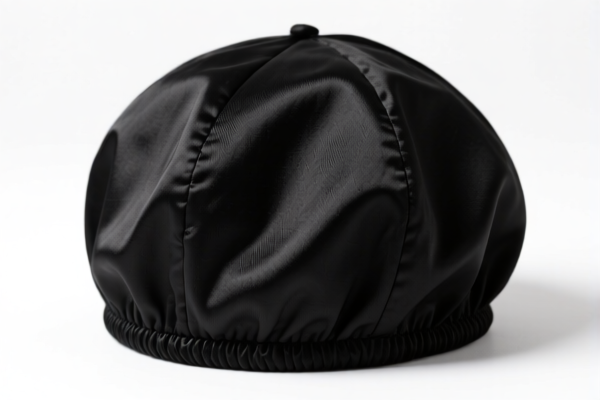
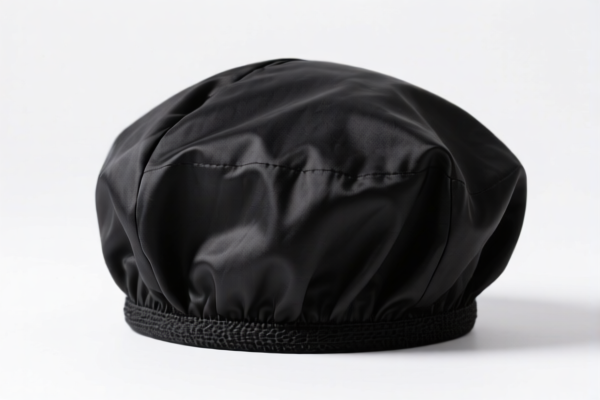
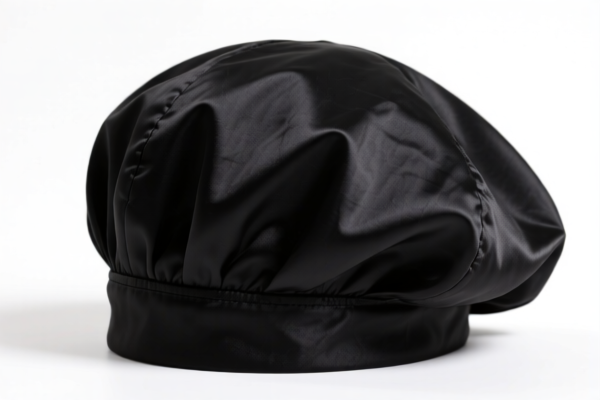
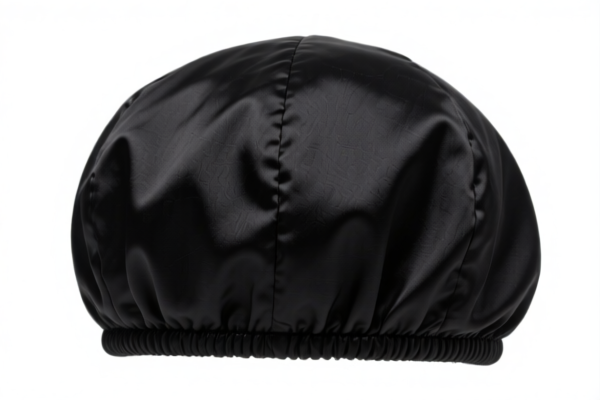
AI Analysis
🖤 Vintage Black Long Curly Wig | 100% Synthetic Hair Extensions & Accessories
🌐 HS Code Reference & Customs Clearance Guide | 2026 Latest Tariff Analysis | Professional Entry Strategy
📌 1. Product Definition & Classification: Do You Really Understand "Wigs" and "Wig Parts"?
A Vintage Black Long Curly Wig typically consists of a base net covered with synthetic fibers styled into long curls. In international trade, this product is not a single entity but is split into two distinct categories based on structure and function:
- Complete Wigs: The wig has a finished head shape, lace front, or cap structure, ready to be worn.
- Wig Accessories/Parts: These are materials used to make wigs (e.g., wig caps, tracks, wefts, or plain synthetic hair bundles) or unfinished components that do not yet constitute a wearable wig.
⚠️ Key Distinction:
- If the item is a finished wig (has a base, hair is attached, ready-to-wear) → Classified under 6704.19.00.00.
- If the item is a wig accessory (e.g., an empty wig cap, a separate lace front, or a bundle of synthetic hair tracks not yet assembled into a wig) → Classified under 6704.19.00.00 (as a wig-related accessory) OR 3926.90.99.89 (if interpreted as a plastic/synthetic fiber article like a wig cap).
- Note on "Vintage": The term "Vintage" refers to style, not material. It does not change the HS Code if the material is synthetic.
📦 2. HS Code Classification Details (2026 Latest Tariff Authority Comparison)
| HS Code | Product Description | Applicable Scenario | Is it a Complete Wig? |
|---|---|---|---|
6704.19.00.00 |
Complete Wigs: Wig and other hair goods, of synthetic textile materials, other than those of heading 6701 or 6703 | Finished black curly wig, ready to wear | ✅ Yes |
6704.19.00.00 |
Wig-Related Accessories: Parts/accessories for wigs, of synthetic textile materials | Wig caps, lace fronts, synthetic hair bundles, wefts | ✅ Yes (as accessory) |
3926.90.99.89 |
Other Plastic Articles: Made of plastic or synthetic fiber | Plastic wig caps, non-textile hair accessories, decorative clips made of plastic | ✅ No (Plastic-based, not textile) |
6505.00.01.00 |
Knitted/Woven Hats & Headwear: With or without lace | Wig caps that are fully knitted/woven and sold as standalone headwear (rare for wigs) | ❌ No (Headwear, not wig) |
6505.00.90.89 |
Knitted/Woven Headwear: Other | Non-wig headwear, fashion hats, beanies | ❌ No |
🔍 Key Reminder:
- Most "Vintage Black Long Curly Wigs" fall under6704.19.00.00because they are primarily made of synthetic textile hair attached to a base.
- If the product is just a plastic wig cap (no hair), it may fall under3926.90.99.89or6505.00.01.00depending on material (plastic vs. textile).
- Do not misclassify a complete wig as a "hat" (6505) unless it lacks hair attachment entirely.
💰 3. 2026 Latest Tariff Rate Details (Including Additional Taxes & Policy Surcharges)
✅ Applicable Country: United States (US)
✅ Origin: China (CN)
✅ Effective Time: 2025/2026 Import Regulations
🎯 1. 6704.19.00.00 — Complete Wigs & Wig-Related Accessories (Synthetic)
| Item | Content |
|---|---|
| Base Tariff | 0.0% (ad valorem) |
| Section 301 Additional Tariff | +7.5% |
| IEEPA Section 122 Tariff | +10.0% |
| Total Tariff Rate | 17.5% |
| Tax Calculation | CIF Value × 17.5% |
| De Minimis Eligibility | ❌ Not Applicable (Section 301 & IEEPA tariffs generally do not apply to de minimis in the same way, but for full imports, this is the rate) |
| Legal Basis Path | Section 301: Footnote 1 → IEEPA: Section 122 → USITC: 6704.19.00.00 |
📌 Explanation:
- "Base Tariff 0%" means the standard duty is low, but additional tariffs dominate the cost.
- "Section 301 Additional Tariff 7.5%" is part of the ongoing trade war measures.
- "IEEPA Section 122 Tariff 10%" is a specific surcharge on Chinese-origin goods under the International Emergency Economic Powers Act.
- Total 17.5% is the standard for synthetic wigs and wig parts.
🎯 2. 3926.90.99.89 — Other Plastic Articles (e.g., Plastic Wig Caps)
| Item | Content |
|---|---|
| Base Tariff | 5.3% |
| Section 301 Additional Tariff | +7.5% |
| IEEPA Section 122 Tariff | +10.0% |
| Total Tariff Rate | 22.8% |
| Tax Calculation | CIF Value × 22.8% |
| De Minimis Eligibility | ❌ Not Applicable |
| Legal Basis Path | Section 301: Footnote 1 → IEEPA: Section 122 → USITC: 3926.90.99.89 |
📌 Note:
- If your product is primarily plastic (e.g., a clear plastic wig cap with no textile hair), the rate is 22.8%, which is higher than the wig rate.
- Misclassification Risk: Declaring a synthetic hair wig as a "plastic article" to avoid higher rates is risky. However, if it's a plastic wig cap alone, it is correctly classified here.
🎯 3. 6505.00.01.00 / 6505.00.90.89 — Hats/Headwear (Non-Wig)
| Item | Content |
|---|---|
| Base Tariff | 9.4% (for 6505.00.01.00) or 20.7¢/kg + 7.5% (for 6505.00.90.89) |
| Section 301 Additional Tariff | +7.5% |
| IEEPA Section 122 Tariff | +10.0% |
| Total Tariff Rate | 26.9% (Ad Valorem) or 20.7¢/kg + 7.5% + 25.0% + 10% (Mixed) |
| Tax Calculation | Varies by subheading |
| De Minimis Eligibility | ❌ Not Applicable |
📌 Warning:
- If you mistakenly classify a wig as a "hat" (6505), the tariff can be 26.9% or higher.
- Only classify as6505if the product is a standalone hat with NO attached synthetic hair (e.g., a blank wig cap sold as headwear).
🛠️ 4. Customs Clearance Practical Advice (Battlefield Pitfall Guide)
✅ 1. Required Documentation Checklist (Non-Negotiable)
| Document | Must Provide | Description |
|---|---|---|
| ✅ Product Specification Sheet | ✔️ | Material: 100% Synthetic Kanekalon/Fiber; Length: e.g., 24"; Style: Long Curly; Color: Black |
| ✅ Product Photos (Clear) | ✔️ | Front, Back, Inside Cap, Close-up of Hair Texture, Label |
| ✅ Commercial Invoice | ✔️ | Clearly state: "Synthetic Wig, Style: Long Curly, Material: Synthetic Textile" |
| ✅ Packing List | ✔️ | Weight, Dimensions, Quantity |
| ✅ Origin Certificate (CO) | ✔️ | If applicable for other markets, but for US, origin is key for tariffs |
| ✅ Third-Test Report | ✔️ | Flammability Test (CPSIA for US) is CRITICAL for hair products |
✅ 2. Declaration Tips (Key Mantra)
🔥 "Material Matters, Finish Defines, Name Matches, Tax Follows!"
| Scenario | Correct Declaration | Wrong Practice |
|---|---|---|
| Finished Wig (with base) | 6704.19.00.00 - "Synthetic Wig, Ready-to-Wear" |
Declare as "Hair Extension" or "Hat" → Audit Risk |
| Wig Cap Only (Textile) | 6704.19.00.00 - "Wig Accessory, Synthetic" |
Declare as "Hat" (6505) → Higher Tax (26.9%) |
| Plastic Wig Cap | 3926.90.99.89 - "Plastic Head Cover" |
Declare as "Wig" → Misclassification |
| Bundle of Hair (No Base) | 6704.19.00.00 - "Synthetic Hair for Wig Making" |
Declare as "Fashion Accessory" → Ambiguity |
📌 Critical Point:
- US Customs requires flammability compliance for hair products. Ensure your supplier provides a CPSIA Compliant Flammability Test Report.
- If you import finished wigs, ensure the invoice clearly states "Wig" and "Synthetic Fiber". Do not use vague terms like "Fashion Item" or "Hairpiece" without clarification.
✅ 3. Special Cases Handling
| Scenario | Handling Advice |
|---|---|
| OEM Custom Wigs | Provide design drawings + material specs. Clearly state "Synthetic Wig" on invoice. |
| Wig + Hat Combo | If a wig is packed inside a hat box, still declare as Wig (6704) if the wig is the primary item. |
| Human Hair + Synthetic Blend | If >50% synthetic by weight, still 6704.19. If >50% human hair, different code (6703). Check material composition! |
| De Minimis (Under $800) | High Risk: While $800 de minimis exists, Section 301 & IEEPA tariffs often still apply or are blocked by CBP for Chinese goods. Do not rely on de minimis for cost savings. |
🌍 5. Global Market Comparison (2026 Latest)
| Country/Region | Recommended HS Code | Tariff (China Origin) | Certification | Note |
|---|---|---|---|---|
| 🇺🇸 USA | 6704.19.00.00 |
17.5% | CPSIA Flammability | High tariff due to 301 + IEEPA |
| 🇨🇳 China | 6704.19.00.00 |
5-10% (Import) | N/A | Low import duty |
| 🇪🇺 EU | 6704.19.00.00 |
0% (if GSP eligible) | CE/NP | No Section 301 |
| 🇬🇧 UK | 6704.19.00.00 |
0% (post-Brexit) | UKCA | Post-Brexit rules apply |
| 🇦🇺 Australia | 6704.19.00.00 |
5% | ADR | Low tariff |
📌 Conclusion:
- USA is the most expensive market for synthetic wigs due to 17.5% total tariff.
- No duty-free exemption for Chinese-origin wigs.
- Cost Calculation: $100 Wig = $17.5 Duty. Plan pricing accordingly.
📌 6. Common Errors & Pitfall Guide (Lessons Learned)
❌ Error 1: Declaring a Finished Wig as "Hair Extension"
👉 Consequence: CBP may reclassify and impose penalties or delay shipment.
👉 Correction: Use "Synthetic Wig" in the commercial invoice.
❌ Error 2: Misclassifying Plastic Wig Caps as Wigs
👉 Consequence: Lower tax (17.5% vs 22.8%)? Actually, Plastic is 22.8%, so this is a mistake if you want to save money? Wait: Wig is 17.5%, Plastic is 22.8%. So declaring a plastic cap as a wig (17.5%) is undervaluation/misclassification and risky.
👉 Correction: Declare Plastic Wig Cap as 3926.90.99.89 (22.8%).
❌ Error 3: Ignoring Flammability Testing
👉 Consequence: Seizure or Return by CBP. Hair products are strictly regulated for fire safety.
👉 Correction: Provide CPSIA-compliant flammability report for all synthetic hair imports.
❌ Error 4: Using "Vintage" as the Primary Description
👉 Consequence: Vague description leads to customs hold for further review.
👉 Correction: Use "Black Long Curly Synthetic Wig, Style: Vintage" with clear material specs.
✅ Correct Declaration Example:
"Synthetic Wig, Style: Vintage Long Curly, Color: Black, Material: 100% Synthetic Kanekalon Fiber, HS Code: 6704.19.00.00, Made in China"
🎯 7. Conclusion: Professional Declaration, Save Time, Reduce Cost!
🎯 Remember the Mantra:
🔹 "Wig = 6704 (17.5%), Plastic Cap = 3926 (22.8%), Hat = 6505 (26.9%+). Choose Wisely!"
🔹 "Flammability Report is Mandatory. No Report, No Entry!"
🔹 "Invoice Must Say 'Wig', Not 'Accessory', to Avoid Re-Classification!"
📌 Pro Tip:
- If you are importing small quantities (<$800) under de minimis, still expect scrutiny for Chinese hair products due to Section 301.
- For bulk imports, calculate the 17.5% duty into your landed cost.
- Pre-ruling: Consider applying for a Customs Ruling if you have a unique product (e.g., wig + hat combo) to avoid future disputes.
📣 Immediate Action:
📞 Contact a Licensed Customs Broker + Provide Flammability Test Report + Use Clear HS Code 6704.19.00.00
🚀 Let your wig pass customs smoothly, maximize profit, and grow your brand!
✨ Professional Customs Clearance Starts with Accurate Classification!
💼 Every Cent of Duty is Worth Calculating!
Customer Reviews
About HS Code Classification
The Harmonized System (HS) is an internationally standardized nomenclature developed by the World Customs Organization (WCO) to classify traded products. Over 200 countries use the HS system as the basis for customs tariffs, trade statistics, and import/export regulations.
Each HS code follows a hierarchical structure:
- Chapter (2 digits) — Broad category of goods (e.g., Chapter 84: Machinery and Mechanical Appliances)
- Heading (4 digits) — More specific grouping within the chapter
- Subheading (6 digits) — Internationally standardized breakdown, used by all WCO member countries
- National subdivisions (8-10 digits) — Country-specific extensions for further classification, such as US HTSUS 10-digit codes
Correct HS code classification is essential for smooth customs clearance, accurate duty payment, and compliance with trade regulations. Misclassification can lead to customs delays, overpayment of duties, or penalties.
When importing from CN to US, the applicable tariff rates may include:
- Most-Favored-Nation (MFN) rate — The standard duty rate applied to WTO members
- General rate — Applied to countries without trade agreements
- Trade remedy duties — Additional tariffs such as Section 301 (anti-dumping), Section 232 (national security), or countervailing duties
The information provided on this page is for reference purposes only. For official classification, please consult with your local customs authority or a licensed customs broker.