Vintage Cotton Woven Handbag
CN → US| HS Code | Tariff Rate | Origin | Destination | Doc |
|---|---|---|---|---|
| 4602112100 | 41.2% | CN | US | Official Doc |
| 4202224020 | 42.4% | CN | US | Official Doc |
| 4202228980 | 52.6% | CN | US | Official Doc |
| 4602192920 | 40.3% | CN | US | Official Doc |
Product Images
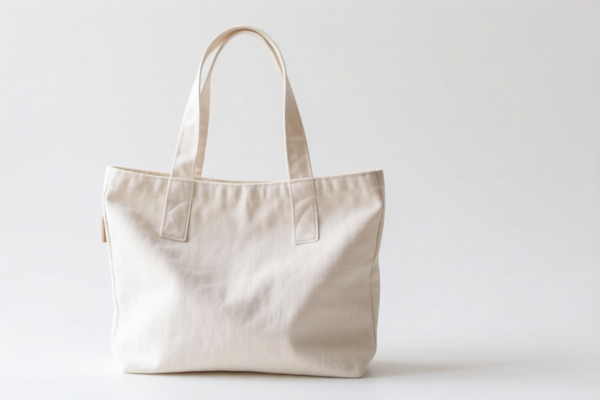
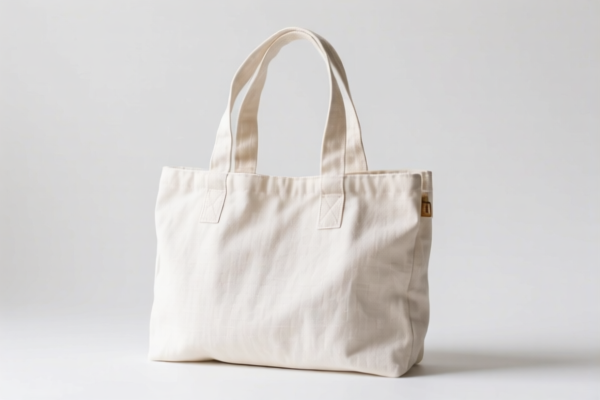
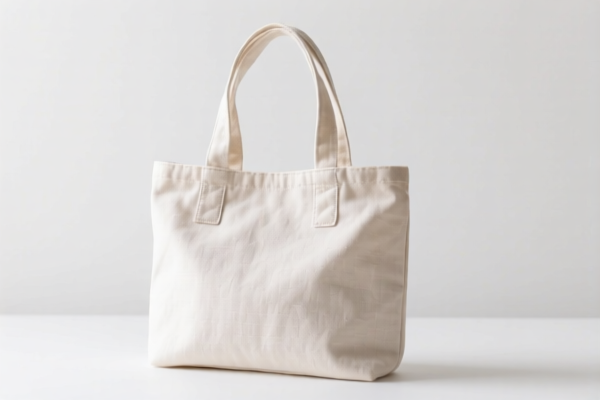
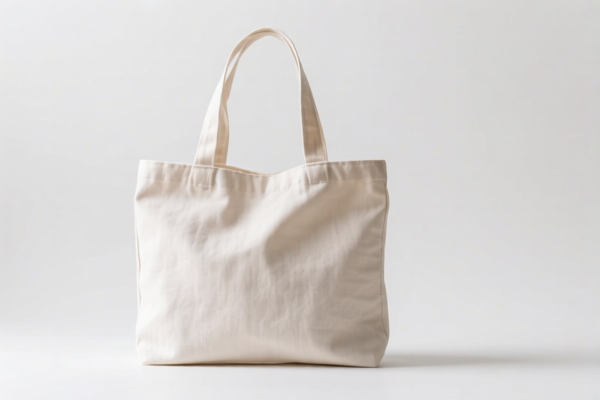
AI Analysis
🧵 Vintage Cotton Woven Handbag (编织手提包)
🌐 HS Code Reference & Clearance Guide | 2026 Latest Tariff Breakdown | Professional Customs Strategy
📌 I. Product Definition & Classification: Do You Really Understand "Woven Handbags"?
A Vintage Cotton Woven Handbag is a handbag characterized by its material composition (cotton fibers woven into a fabric/structure) and its functional form. In international trade, the classification hinges strictly on the primary material. Even if styled as "vintage" or "woven," customs authorities look at the substance:
1. Plant-Material Woven Bags (Basketry): If the bag is made primarily of bamboo, rattan, cane, or other vegetable plaiting materials, it falls under Chapter 46. 2. Textile/Material Woven Bags: If the bag is made primarily of cotton, straw, vegetable fibers, or other textile materials, it falls under Chapter 42.
⚠️ Key Distinction Point: - If the weave is made of bamboo, rattan, reed, or similar rigid plant stems → It is a Plant Product (Chapter 46). - If the weave is made of cotton yarn, straw, or flexible textile strips → It is a Textile Product (Chapter 42). - "Vintage" is a style description, NOT a material definition. Customs ignores style when determining HS codes.
📦 II. HS Code Classification Details (Based on Provided Data)
Below are the specific HS Codes applicable to woven handbags, differentiated by material. Note: The data provided in your request covers both plant-based and textile-based materials.
| HS Code | Product Description (from Data) | Material Key Factor | Primary Category |
|---|---|---|---|
4602.11.21.00 |
Woven handbag, material is plant-based (bamboo, rattan, etc.) | Plant Material (Rigid/Fiber) | Chapter 46 (Basketry) |
4602.19.29.20 |
Woven handbag, material is plant material weaving product | Plant Material (General) | Chapter 46 (Basketry) |
4202.22.40.20 |
Woven handbag, material is woven material (generic/straw/textile mix) | Woven Material (General) | Chapter 42 (Articles of Apparel) |
4202.22.89.80 |
Woven handbag, material is textile material (Cotton, Polyester, etc.) | Textile Material | Chapter 42 (Articles of Apparel) |
🔍 Critical Analysis for "Cotton" Bags: - Since your product is Cotton, it is technically a Textile. - It should primarily fall under Chapter 42 (specifically
4202.22...). - Do NOT use HS Code4602...unless the "cotton" is actually a mislabeling for bamboo/rattan, or if the cotton is mixed with such rigid plant fibers in a way that the plant material constitutes the essential character. However, standard cotton weaving is Textile.
💰 III. 2026 Latest Tariff Rate Breakdown (Including Surcharges & Policy Add-ons)
✅ Applicable Region: United States (US)
✅ Origin: China (CN)
✅ Effective Time: Current tariff structure including Section 301 and Section 122 duties.
🎯 1. 4602.11.21.00 —— Woven Handbag, Plant Material (Bamboo/Rattan)
Note: Include this if the "cotton" bag is actually mistaken for plant material or if you have mixed material bags.
| Item | Detail |
|---|---|
| Base Duty | 6.2% (ad valorem) |
| Section 301 Surcharge | +25.0% (Trade war tariff) |
| Section 122 Surcharge | +10.0% (Specific retaliatory/add-on tariff) |
| Total Tax Rate | 41.2% |
| Tax Calculation | CIF Value × 41.2% |
| De Minimis Exemption | ❌ Not Applicable (Value > $800 threshold applies; high tariffs block de minimis benefits) |
| Legal Basis | USITC Duty Schedule + Section 301 Footnotes + Section 122 Orders |
📌 Explanation: - 6.2% Base: Standard MFN duty for basketry items. - 25% Section 301: Applies to most Chinese goods, including handbags and basketry. - 10% Section 122: Additional tariff targeting specific Chinese imports. - Total: A significant barrier to entry. High cost implication.
🎯 2. 4202.22.40.20 —— Woven Handbag, Woven Material (Generic)
Note: Use this if the material is ambiguous but clearly not plant-stem based.
| Item | Detail |
|---|---|
| Base Duty | 7.4% (ad valorem) |
| Section 301 Surcharge | +25.0% |
| Section 122 Surcharge | +10.0% |
| Total Tax Rate | 42.4% |
| Tax Calculation | CIF Value × 42.4% |
| De Minimis Exemption | ❌ Not Applicable |
| Legal Basis | USITC Duty Schedule + Section 301 Footnotes + Section 122 Orders |
📌 Explanation: - Slightly higher base duty than plant-based bags. - Same heavy surcharges apply. - Risk: If customs determines this is actually textile (cotton), they may reclassify it to
4202.22.89.80, leading to discrepancies.
🎯 3. 4202.22.89.80 —— Woven Handbag, Textile Material (Cotton)
🏆 RECOMMENDED CODE FOR COTTON BAGS.
| Item | Detail |
|---|---|
| Base Duty | 17.6% (ad valorem) |
| Section 301 Surcharge | +25.0% |
| Section 122 Surcharge | +10.0% |
| Total Tax Rate | 52.6% |
| Tax Calculation | CIF Value × 52.6% |
| De Minimis Exemption | ❌ Not Applicable |
| Legal Basis | USITC Duty Schedule + Section 301 Footnotes + Section 122 Orders |
📌 Explanation: - Highest Base Duty (17.6%): Textile bags face higher baseline protectionism. - Highest Total Rate (52.6%): This is the most expensive classification for this product. - Why? Cotton textiles are a sensitive sector for US imports from China. - Warning: Misdeclaring cotton as "woven material" (
4202.22.40.20) or "plant material" (4602.11...) to save 10-11% is high-risk and can lead to audits, penalties, and seizure.
🎯 4. 4602.19.29.20 —— Woven Handbag, Plant Material Weaving Product
Note: Another plant-based option, often used for less specific plant fibers.
| Item | Detail |
|---|---|
| Base Duty | 5.3% (ad valorem) |
| Section 301 Surcharge | +25.0% |
| Section 122 Surcharge | +10.0% |
| Total Tax Rate | 40.3% |
| Tax Calculation | CIF Value × 40.3% |
| De Minimis Exemption | ❌ Not Applicable |
| Legal Basis | USITC Duty Schedule + Section 301 Footnotes + Section 122 Orders |
📌 Explanation: - Lowest Base Duty (5.3%) among all options. - Still subject to massive surcharges. - Only valid if the material is genuinely plant-based (e.g., jute, seagrass, bamboo). Do not use for cotton.
🛠️ IV. Customs Clearance Practical Advice (Real-World Pitfall Guide)
✅ 1. Material Declaration is Critical
| Material | Correct HS Code | Risk of Misclassification |
|---|---|---|
| 100% Cotton | 4202.22.89.80 (52.6%) |
High risk if declared as plant. Auditors may inspect fiber content. |
| Bamboo/Rattan | 4602.11.21.00 (41.2%) |
Low risk if verified. |
| Mixed (Cotton + Straw) | Depends on Essential Character | If straw dominates → Ch46; If cotton dominates → Ch42. Must provide breakdown. |
🔥 Golden Rule:
"Material Truth, Not Style Truth. Cotton is Textile. Bamboo is Basketry."
✅ 2. Documentation Checklist (Mandatory)
| Document | Must Provide | Description |
|---|---|---|
| ✅ Product Specification Sheet | ✔️ | Must state: "100% Cotton" or "Cotton Blend %". Do not just say "Woven Material". |
| ✅ Fiber Content Label | ✔️ | Photo of the interior label showing material composition. |
| ✅ Product Photos | ✔️ | Clear images showing the weave structure (flexible textile vs. rigid plant stems). |
| ✅ Commercial Invoice | ✔️ | Description: "Cotton Woven Handbag, Vintage Style, 100% Cotton". |
| ✅ Packing List | ✔️ | Weight and dimensions. |
| ✅ Origin Certificate | ✔️ | Confirms CN origin (triggers surcharges). |
✅ 3. Specific Advice for "Vintage" Bags
| Scenario | Handling Strategy |
|---|---|
| Used/Vintage Items | If used, duty rates may differ, but de minimis ($800) often still applies for personal use. If new but "vintage style", treat as new goods. |
| Mixed Material Bags | If the bag has cotton straps but bamboo body, the body usually dictates classification. Provide detailed BOM (Bill of Materials). |
| Anti-Dumping Checks | Some cotton textiles face additional scrutiny. Ensure no origin fraud (e.g., transshipping via Vietnam to avoid tariffs). |
✅ 4. Cost-Saving & Compliance Tips
- Verify Fiber Content: If your "Cotton" bag actually contains 50% bamboo fiber, consult a customs broker. It might shift to
4602.19.29.20(40.3%), saving 12.3% in taxes. Do not lie, but accurately assess the "essential character." - Section 301 Exclusions: Check if any specific cotton handbag codes have been excluded from Section 301 tariffs. (Currently, most do not).
- De Minimis (Section 321): If shipping directly to US consumers in packages < $800, you might avoid duties, BUT recent policy changes have tightened this for China-origin goods. High-risk items may still be inspected. For B2B shipments, assume 52.6% cost.
- Legal Basis Path:
USITC:4202.22.89.80→SECTION 301:9903.01.25→SECTION 122:9903.01.24- This chain confirms the legitimacy of the 52.6% rate.
🌍 V. Global Market Comparison (2026)
| Country/Region | Recommended HS Code | Base Duty | Surcharges (China) | Total Est. Rate |
|---|---|---|---|---|
| 🇺🇸 USA | 4202.22.89.80 |
17.6% | 25% (Sec 301) + 10% (Sec 122) | 52.6% |
| 🇨🇳 China | 4202.22.89.80 |
~10-15% | None | ~10-15% |
| 🇪🇺 EU | 4202.22.89.80 |
12% | None (unless specific sanctions) | ~12% |
| 🇬🇧 UK | 4202.22.89.80 |
12% | None | ~12% |
📌 Conclusion: - The US is the most expensive market for cotton woven handbags from China due to the combination of high base tariffs and political surcharges. - EU/UK are more competitive, but still charge significant base duties.
📌 VI. Common Mistakes & Pitfalls (Blood & Tears Lessons)
❌ Mistake 1: Declaring "Cotton Bag" as "Rattan Bag" (4602...) to save 10%.
👉 Consequence: Customs inspection reveals cotton fibers. Penalty + Back Taxes + Fraud Record.
❌ Mistake 2: Using generic "Handbag" (4202.92...) for woven bags.
👉 Consequence: Woven bags have specific sub-headings (4202.22). Generic codes may trigger additional scrutiny or incorrect duty rates.
❌ Mistake 3: Ignoring Section 122 Tariffs. 👉 Consequence: Underpayment by 10%. Customs will demand payment + interest.
❌ Mistake 4: Assuming "Vintage" means "Used" and claiming duty-free. 👉 Consequence: "Vintage" in product listings usually means "Style," not condition. If new, it is fully taxable.
✅ Correct Declaration Example:
"Women's Handbag, Vintage Style, 100% Cotton Woven Material, Lined, With Zipper Closure. HS Code: 4202.22.89.80"
🎯 VII. Conclusion: Precision Classification Saves Money!
🎯 Remember the Mantra:
🔹 "Cotton is Textile, Plant is Basketry. Style is Vanity, Material is Destiny."
🔹 "52.6% is the Price of Truth for Cotton. 40.3% for Plants. Don't Gamble."
🔹 "HS Code Determines Profit. One digit wrong, Thousands lost."
📌 Pro Tip: If your handbag uses non-china origin cotton (e.g., US, Indian, or Egyptian cotton) and is assembled elsewhere, you may qualify for preferential tariffs or avoid Section 301 duties. Verify supply chain origin!
📣 Immediate Action:
📞 Consult a Licensed Customs Broker
📄 Request a Fiber Content Test Report from your factory
🚀 Accurate Declaration is the Only Way to Smooth Clearance!
✨ Professional Clearance Starts with Accurate Classification! 💼 Your Cost is Calculated to the Cent. Protect Your Margin!
Customer Reviews
About HS Code Classification
The Harmonized System (HS) is an internationally standardized nomenclature developed by the World Customs Organization (WCO) to classify traded products. Over 200 countries use the HS system as the basis for customs tariffs, trade statistics, and import/export regulations.
Each HS code follows a hierarchical structure:
- Chapter (2 digits) — Broad category of goods (e.g., Chapter 84: Machinery and Mechanical Appliances)
- Heading (4 digits) — More specific grouping within the chapter
- Subheading (6 digits) — Internationally standardized breakdown, used by all WCO member countries
- National subdivisions (8-10 digits) — Country-specific extensions for further classification, such as US HTSUS 10-digit codes
Correct HS code classification is essential for smooth customs clearance, accurate duty payment, and compliance with trade regulations. Misclassification can lead to customs delays, overpayment of duties, or penalties.
When importing from CN to US, the applicable tariff rates may include:
- Most-Favored-Nation (MFN) rate — The standard duty rate applied to WTO members
- General rate — Applied to countries without trade agreements
- Trade remedy duties — Additional tariffs such as Section 301 (anti-dumping), Section 232 (national security), or countervailing duties
The information provided on this page is for reference purposes only. For official classification, please consult with your local customs authority or a licensed customs broker.