Vintage Fur Accessories
CN → US| HS Code | Tariff Rate | Origin | Destination | Doc |
|---|---|---|---|---|
| 6506996000 | 43.5% | CN | US | Official Doc |
| 4303100060 | 39.0% | CN | US | Official Doc |
| 4303900000 | 35.0% | CN | US | Official Doc |
| 6506993000 | 38.3% | CN | US | Official Doc |
Product Images
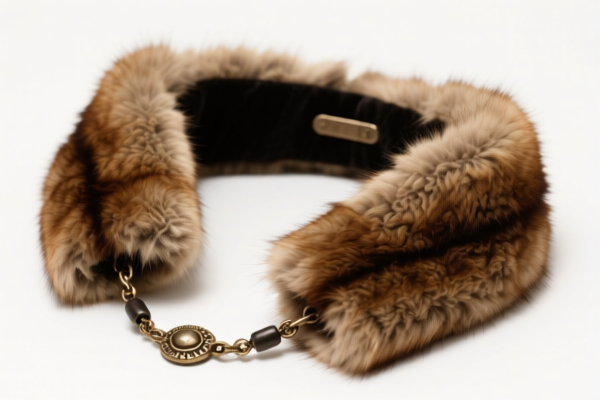
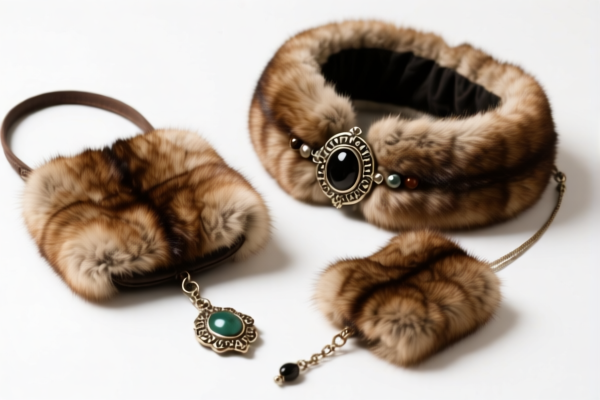
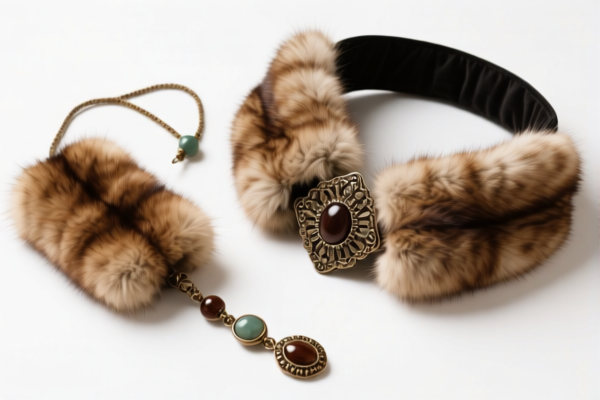
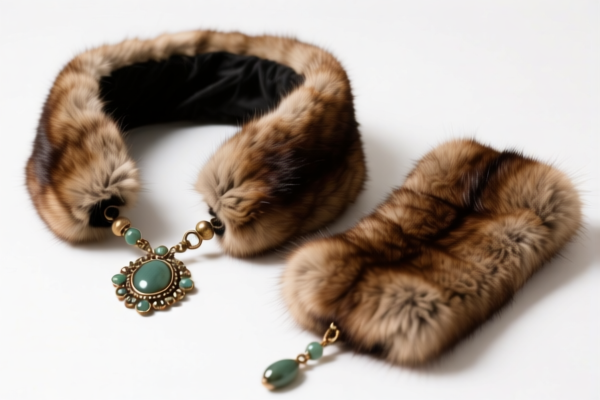
AI Analysis
🧥 Vintage Fur Accessories (皮草时尚配饰)
🌐 HS Code Reference & Customs Clearance Guide | 2026 Latest Tariff Analysis | Professional Clearance Strategy 📌 Part 1: Product Definition & Classification – Do You Know "Vintage Fur Accessories"?
Vintage Fur Accessories represent a niche but high-value segment in the fashion and luxury trade. In international trade, these items are primarily classified based on their material composition (real fur vs. other materials) and function (apparel accessories vs. headwear/headgear). The term "vintage" does not change the HS code classification; customs focus on the material and physical characteristics.
Key Distinction: - Fur-Based Accessories (Parts of Apparel): Items like fur collars, cuffs, stoles, or trimmings made of actual animal fur → Generally classified under Chapter 43. - Other Material Accessories: Items made of leather, synthetic fur, or other textiles used as fashion accessories → Generally classified under Chapter 65 (if headwear-related) or other appropriate chapters based on material.
⚠️ Critical Classification Point:
- If the item is part of clothing (e.g., fur trim, collar) → Chapter 43 (Furskins and articles of furskin).
- If the item is a head accessory or general fashion accessory made of non-fur materials (or synthetic fur treated as general textile/leather) → Chapter 65 (Headgear).
📦 Part 2: HS Code Classification Details (2026 Latest Tariff Authority Comparison)
The provided data highlights four specific HS Codes for "Vintage Fur Accessories," reflecting different material compositions and functional classifications.
| HS Code | Product Description | Summary from Data | Applicable Scenario |
|---|---|---|---|
6506.99.60.00 |
Accessories made of other materials | "Vintage fur accessories classified as accessories made of other materials" | Likely synthetic fur, leather, or mixed-material fashion accessories (not pure fur skins). |
4303.10.00.60 |
Apparel accessories made of furskin | "Vintage fur accessories classified as apparel accessories made of furskin" | Real fur accessories intended as part of clothing (e.g., detachable fur collars, cuffs). |
4303.90.00.00 |
Apparel accessories made of furskin | "Vintage fur accessories classified as apparel accessories made of furskin" | Other articles of furskin, not elsewhere specified (e.g., fur stoles, general fur items). |
6506.99.30.00 |
Other accessories made of furskin | "Vintage fur accessories classified as other category accessories made of furskin" | Specific sub-category under Chapter 65, possibly involving fur elements but classified under headgear/accessory codes due to specific manufacturing standards or regional interpretations. |
🔍 Key Insight:
- Chapter 43 (4303.xxxx) applies to real furskins. If your "vintage fur" is authentic animal fur, these codes are relevant.
- Chapter 65 (6506.xxxx) applies to headgear and other accessories. If the item is synthetic, leather, or classified as a general accessory rather than a "furskin article," these codes apply.
- Note: The distinction between4303.10(specific fur articles) and4303.90(other fur articles) depends on the precise nature of the fur product.
💰 Part 3: 2026 Latest Tariff Rate Breakdown (Including Additional Taxes & Policy Surcharges)
✅ Applicable Country: United States (US)
✅ Origin: China (CN)
✅ Effective Time: 2025/2026 (Current Policy)
🎯 1. 6506.99.60.00 – Accessories Made of Other Materials
| Item | Detail |
|---|---|
| Base Tariff Rate | 8.5% (ad valorem) |
| Section 301 Surcharge | +25.0% |
| Section 122 Surcharge | +10.0% |
| Total Tax Rate | 43.5% |
| Tax Calculation | CIF Value × 43.5% |
| De Minimis Eligibility | ❌ Not Eligible (High tax rate excludes de minimis benefits for small packages) |
| Legal Basis Path | Section 301 → Section 122 → USITC:6506.99.60.00 |
📌 Explanation:
- Base 8.5%: Standard US MFN rate for general accessories.
- 301 Tariff (25%): Imposed on Chinese goods under Section 301 of the Trade Act.
- Section 122 Tariff (10%): Additional surcharge applicable to specific categories of imports from China.
- Total 43.5%: This is a high-cost classification. Importers must budget significantly for duties.
🎯 2. 4303.10.00.60 – Apparel Accessories Made of Furskin
| Item | Detail |
|---|---|
| Base Tariff Rate | 4.0% (ad valorem) |
| Section 301 Surcharge | +25.0% |
| Section 122 Surcharge | +10.0% |
| Total Tax Rate | 39.0% |
| Tax Calculation | CIF Value × 39.0% |
| De Minimis Eligibility | ❌ Not Eligible |
| Legal Basis Path | Section 301 → Section 122 → USITC:4303.10.00.60 |
📌 Explanation:
- Base 4.0%: Lower base rate for furskin articles compared to general accessories.
- 301 + 122 Tariffs: Still fully applicable, leading to a 39.0% total rate.
- Note: Despite being "furskin," the high surcharges negate the base rate advantage.
🎯 3. 4303.90.00.00 – Other Articles of Furskin
| Item | Detail |
|---|---|
| Base Tariff Rate | 0.0% (ad valorem) |
| Section 301 Surcharge | +25.0% |
| Section 122 Surcharge | +10.0% |
| Total Tax Rate | 35.0% |
| Tax Calculation | CIF Value × 35.0% |
| De Minimis Eligibility | ❌ Not Eligible |
| Legal Basis Path | Section 301 → Section 122 → USITC:4303.90.00.00 |
📌 Explanation:
- Base 0.0%: Most favorable base rate among the options.
- Total 35.0%: The lowest total tax rate in this dataset, but still subject to heavy surcharges.
- Optimization Note: If the product qualifies under this code (e.g., certain fur stoles or general fur articles not specifically listed elsewhere), it offers the best cost efficiency.
🎯 4. 6506.99.30.00 – Other Category Accessories Made of Furskin
| Item | Detail |
|---|---|
| Base Tariff Rate | 3.3% (ad valorem) |
| Section 301 Surcharge | +25.0% |
| Section 122 Surcharge | +10.0% |
| Total Tax Rate | 38.3% |
| Tax Calculation | CIF Value × 38.3% |
| De Minimis Eligibility | ❌ Not Eligible |
| Legal Basis Path | Section 301 → Section 122 → USITC:6506.99.30.00 |
📌 Explanation:
- Base 3.3%: Slightly higher than4303.90.00.00but lower than6506.99.60.00.
- Total 38.3%: Positioned in the middle of the cost spectrum.
- Usage: Likely for accessories that blend fur elements with other materials or fall under specific headgear/accessory sub-categories.
🛠️ Part 4: Customs Clearance Practical Advice (Real-World Pitfall Guide)
✅ 1. Documentation Checklist (Non-Negotiable)
| Document | Required? | Explanation |
|---|---|---|
| ✅ Detailed Product Description | ✔️ | Must specify: "Vintage Fur Accessory," Material (Real/Synthetic), and Function (Collar/Stole/Trim). |
| ✅ Material Composition Statement | ✔️ | Critical to distinguish between Chapter 43 (Furskin) and Chapter 65 (Other Materials). Misclassification leads to penalties. |
| ✅ Commercial Invoice | ✔️ | Clearly state "Made in China" and CIF value. |
| ✅ Certificate of Origin | ✔️ | Required for Section 301/122 tax determination. |
| ✅ Photos of the Item | ✔️ | Provide clear images of the fur texture, tags, and any brand labels to prove "vintage" or "furskin" nature. |
| ✅ Third-Party Verification (if synthetic) | ✔️ | If claiming synthetic fur (to avoid CITES regulations), provide lab reports. |
✅ 2. Declaration Tips (Critical Rules)
🔥 "Material Matters, Code Choice Saves Money!"
| Scenario | Correct Declaration | Wrong Practice |
|---|---|---|
| Real Fur Collar/Trim | 4303.10.00.60 or 4303.90.00.00 |
Misdeclare as synthetic → Heavy fines + Seizure |
| Synthetic Fur Accessory | 6506.99.60.00 or 6506.99.30.00 |
Misdeclare as real fur → CITES Violation + Penalties |
| Mixed Material (Fur + Leather) | 6506.99.60.00 (if accessory) |
Split shipment → Delays + Higher Taxes |
| Vintage Item (No Commercial Value?) | Still declare actual value | Under-invoicing → Audit Risk + Confiscation |
✅ 3. Special Considerations for "Vintage" Items
| Issue | Handling Advice |
|---|---|
| CITES Regulations | If "vintage" fur includes endangered species (e.g., sable, chinchilla), CITES permits are required. Without them, seizure is likely. |
| Condition | "Vintage" does not exempt from duty. Value must be current market value, not historical purchase price. |
| Hygiene/Inspection | Fur items may require fumigation certificates or health inspections to prevent pest/disease entry. |
| Tax Optimization | If the item is 100% synthetic and not real fur, consider 6506.99.60.00 or 6506.99.30.00. If it is real fur, 4303.90.00.00 offers the lowest total tax (35.0%). |
🌍 Part 5: Global Market Clearance Comparison (2026 Latest)
| Country/Region | Recommended HS Code | Total Tariff (China Origin) | Certification Requirements | Notes |
|---|---|---|---|---|
| 🇺🇸 United States | 4303.90.00.00 |
35.0% | CITES (if endangered), Origin Proof | High surcharges (301+122) apply to all fur/accessories. |
| 🇪🇺 European Union | 4303.xxxx |
~4% + VAT | CITES, REACH | No Section 301/122. EU has strict CITES rules. |
| 🇨🇳 China | 4303.xxxx |
~5% | CCC (if applicable) | Import duties for fur accessories are low. |
| 🇯🇵 Japan | 4303.xxxx |
~8% | CITES | Moderate tariffs, strict inspection on fur origin. |
📌 Conclusion:
- The US market imposes the highest costs (35-43.5%) due to Section 301 and 122 tariffs.
- EU, Japan, and China have lower base tariffs but strict CITES enforcement for real fur.
- Optimization Strategy: If possible, classify under4303.90.00.00for the lowest US tariff (35.0%). If the item is synthetic,6506.99.60.00or6506.99.30.00may be appropriate, but ensure material accuracy to avoid fraud penalties.
📌 Part 6: Common Errors & Pitfall Guide (Lessons Learned)
❌ Error 1: Misdeclaring real fur as synthetic to avoid CITES.
👉 Consequence: Seizure, fines, and blacklisting by customs.
❌ Error 2: Using 6506.99.60.00 for real fur articles.
👉 Consequence: Tax overpayment or misclassification audit. Real fur should go to Chapter 43.
❌ Error 3: Ignoring Section 122 tariffs.
👉 Consequence: Unexpected 10% surcharge on top of 301 tariffs, increasing costs by 10-15%.
❌ Error 4: Under-invoicing "vintage" items.
👉 Consequence: Customs may reject declared value and use transaction value from similar sales, leading to higher duties and penalties.
✅ Correct Practice:
"Vintage Fur Stole, Real Fur (Non-Endangered Species), Made in China, CIF $1,000. HS Code: 4303.90.00.00. CITES Permit Attached."
🎯 Part 7: Conclusion – Professional Classification, Cost Efficiency, Compliance
🎯 Key Takeaways:
🔹 "Real Fur? Chapter 43. Synthetic? Chapter 65."
🔹 "Lowest US Tariff: 35.0% (4303.90.00.00). Highest: 43.5% (6506.99.60.00)."
🔹 "CITES is Non-Negotiable for Real Fur."
📌 Pro Tip:
If your "vintage fur accessories" are 100% synthetic, ensure you declare them as such to avoid CITES issues, but be prepared for 38.3-43.5% taxes in the US. If they are real fur, aim for 4303.90.00.00 for the 35.0% rate, and secure CITES permits in advance.
📣 Immediate Action:
📞 Contact a licensed customs broker + Provide Material Certification + Apply for CITES Permits (if real fur)
🚀 Ensure smooth clearance, avoid penalties, and maximize your profit margins!
✨ Professional Classification Starts with Accurate HS Codes!
💼 Your Every Dollar of Duty Is Worth Precise Calculation!
Customer Reviews
About HS Code Classification
The Harmonized System (HS) is an internationally standardized nomenclature developed by the World Customs Organization (WCO) to classify traded products. Over 200 countries use the HS system as the basis for customs tariffs, trade statistics, and import/export regulations.
Each HS code follows a hierarchical structure:
- Chapter (2 digits) — Broad category of goods (e.g., Chapter 84: Machinery and Mechanical Appliances)
- Heading (4 digits) — More specific grouping within the chapter
- Subheading (6 digits) — Internationally standardized breakdown, used by all WCO member countries
- National subdivisions (8-10 digits) — Country-specific extensions for further classification, such as US HTSUS 10-digit codes
Correct HS code classification is essential for smooth customs clearance, accurate duty payment, and compliance with trade regulations. Misclassification can lead to customs delays, overpayment of duties, or penalties.
When importing from CN to US, the applicable tariff rates may include:
- Most-Favored-Nation (MFN) rate — The standard duty rate applied to WTO members
- General rate — Applied to countries without trade agreements
- Trade remedy duties — Additional tariffs such as Section 301 (anti-dumping), Section 232 (national security), or countervailing duties
The information provided on this page is for reference purposes only. For official classification, please consult with your local customs authority or a licensed customs broker.