Vintage Letter Paper
CN → US| HS Code | Tariff Rate | Origin | Destination | Doc |
|---|---|---|---|---|
| 3919905060 | 40.8% | CN | US | Official Doc |
| 4821104000 | 35.0% | CN | US | Official Doc |
| 4911914040 | 17.5% | CN | US | Official Doc |
| 3919102055 | 40.8% | CN | US | Official Doc |
| 4911914020 | 17.5% | CN | US | Official Doc |
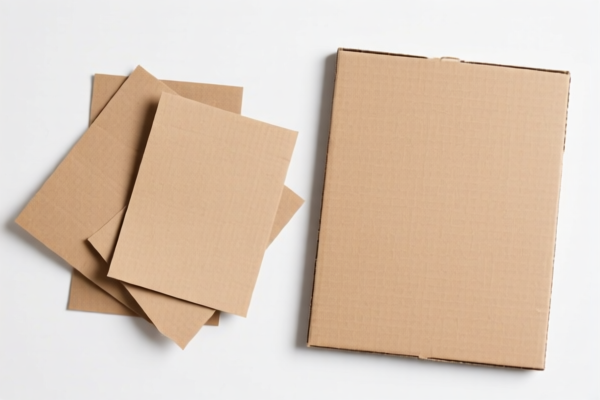
Product Images



AI Analysis
🎨 Vintage Letter Paper (Stickers & Paper Goods)
🌐 HS Code Reference & Customs Clearance Guide | 2026 Latest Tariff Analysis | Professional Clearance Strategy
📌 1. Product Definition & Classification: What Exactly is "Vintage Letter Paper"?
"Vintage Letter Paper" in the context of international trade typically refers to decorative paper goods, including stickers, labels, and printed designs with a retro aesthetic. The customs classification depends strictly on the material composition and physical form (self-adhesive vs. non-adhesive).
Paper-Based Items: * Non-adhesive Printed Paper: Flat sheets or rolls of paper with vintage designs. * Paper Labels: Tags or labels made of paper, intended for affixing but not inherently self-adhesive in the plastic sense, or simple adhesive paper stickers.
Plastic/Polymer-Based Items: * Plastic/Sticker Films: Self-adhesive sheets, strips, or rolls made of plastics (e.g., PVC, PET) with vintage designs. These fall under plastic articles, not paper.
⚠️ Key Distinction:
- If the product is plastic-based and self-adhesive, it generally falls under Chapter 39 (Plastics).
- If the product is paper-based, it falls under Chapter 48 (Paper) or Chapter 49 (Printed Materials).
- Adhesive Type Matters: "Self-adhesive" plastic films are classified differently from simple paper labels or printed images.
📦 2. HS Code Classification Details (2026 Latest Tariff Authority Match)
Based on your provided data, here are the specific HS Codes, summaries, and tax breakdowns for "Vintage Letter Paper" products. Note that all codes below include US-China specific surcharges.
| HS Code | Summary | Material/Form | Total Tax Rate | Tax Detail Breakdown |
|---|---|---|---|---|
3919.90.50.60 |
Vintage stickers, plastic material, self-adhesive film/strip | Plastic, Self-adhesive | 40.8% | Base: 5.8% + Trade War (25%) + Section 122 (10%) |
4821.10.40.00 |
Vintage stickers, paper/film material, paper/paperboard labels | Paper/Film, Label | 35.0% | Base: 0.0% + Trade War (25%) + Section 122 (10%) |
4911.91.40.40 |
Vintage stickers, paper printed material, other printed pictures/designs | Paper, Printed | 17.5% | Base: 0.0% + Trade War (7.5%) + Section 122 (10%) |
3919.10.20.55 |
Vintage stickers, plastic/paper self-adhesive film, self-adhesive class | Plastic/Paper, Self-adhesive | 40.8% | Base: 5.8% + Trade War (25%) + Section 122 (10%) |
4911.91.40.20 |
Vintage stickers, paper material, printed pictures/designs category | Paper, Printed | 17.5% | Base: 0.0% + Trade War (7.5%) + Section 122 (10%) |
4821.90.20.00 |
Vintage stickers, paper/film material, other labels category | Paper/Film, Other Label | 35.0% | Base: 0.0% + Trade War (25%) + Section 122 (10%) |
🔍 Critical Observation:
- Plastic Self-Adhesive Stickers (3919...) carry the highest tax burden at 40.8% due to the 5.8% base duty.
- Printed Paper Stickers (4911...) have the lowest burden at 17.5% because the base duty is 0% and the trade war surcharge is only 7.5%.
- Paper Labels (4821...) sit in the middle at 35.0% with 0% base duty but a higher 25% trade war surcharge.
💰 3. 2026 Latest Tariff Rate Details (Including Surcharges & Policy Add-ons)
✅ Applicable Country: United States (US)
✅ Origin: China (CN)
✅ Effective Date: 2025/2026 (Current Trade Environment)
🎯 1. Plastic Self-Adhesive Stickers (3919.90.50.60 / 3919.10.20.55)
- Material: Plastic (PVC, PET, etc.), Self-adhesive.
- Base Duty: 5.8%
- Trade War Surcharge (Section 301): +25.0%
- Section 122 Surcharge: +10.0%
- Total Effective Tax: 40.8%
- Legal Basis:
3919.90.50.60→USITC:3919→Section 301: 25%→Section 122: 10%
📌 Explanation:
Plastic self-adhesive products are heavily taxed. The base duty of 5.8% is added to the 25% Section 301 tariff (applied to most Chinese plastic articles) and the 10% Section 122 tariff. This is a high-cost category for importers.
🎯 2. Paper Labels (4821.10.40.00 / 4821.90.20.00)
- Material: Paper or Paperboard, Labels.
- Base Duty: 0.0%
- Trade War Surcharge (Section 301): +25.0%
- Section 122 Surcharge: +10.0%
- Total Effective Tax: 35.0%
- Legal Basis:
4821.10.40.00→USITC:4821→Section 301: 25%→Section 122: 10%
📌 Explanation:
While the base duty is 0%, the 25% trade war surcharge is significantly higher than for printed goods. This classifies simple paper labels or stickers that don't fit the "printed picture" definition.
🎯 3. Printed Paper Stickers/Designs (4911.91.40.40 / 4911.91.40.20)
- Material: Paper, Printed Pictures/Designs.
- Base Duty: 0.0%
- Trade War Surcharge (Section 301): +7.5%
- Section 122 Surcharge: +10.0%
- Total Effective Tax: 17.5%
- Legal Basis:
4911.91.40.40→USITC:4911→Section 301: 7.5%→Section 122: 10%
📌 Explanation:
This is the most tax-efficient classification for vintage paper stickers. Because they are classified as "Other Printed Matter" (Pictures/Designs), they benefit from a 0% base duty and a reduced 7.5% Section 301 surcharge (instead of 25%). Crucial: The product must be clearly defined as a printed design rather than just a generic label or plastic film.
🛠️ 4. Customs Clearance Practical Advice (Avoid Pitfalls)
✅ 1. Preparation Checklist (All Mandatory)
| Document | Required? | Notes |
|---|---|---|
| ✅ Product Specification Sheet | ✔️ | Must specify: Material (Paper vs. Plastic), Adhesive Type, Dimensions, Quantity. |
| ✅ Product Photos | ✔️ | Clear images showing the item, packaging, and any adhesive backing. |
| ✅ Commercial Invoice | ✔️ | Must accurately describe goods (e.g., "Paper Stickers, Vintage Design"). |
| ✅ Packing List | ✔️ | Details weight, dimensions, and item count. |
| ✅ Origin Certificate | ✔️ | Proof of Chinese origin triggers the surcharges. |
| ✅ Adhesive Sample/Info | ✔️ | If disputed, customs may require proof of adhesive type (pressure-sensitive vs. gummed). |
✅ 2. Declaration Tips (Key Strategy)
🔥 Mantra: "Paper Prints are Cheaper, Plastic Stickers are Costly!"
| Scenario | Correct HS Code | Wrong Code | Consequence |
|---|---|---|---|
| Vintage Paper Stickers (Paper backing, adhesive) | 4911.91.40.20 / 4911.91.40.40 (17.5%) |
3919.90.50.60 (40.8%) |
Overpaying 23.3% tax! |
| Vintage Plastic Stickers (PVC/PET, adhesive) | 3919.90.50.60 (40.8%) |
4911... |
Under-declaration, Penalty & Seizure |
| Paper Labels (No ink/design, or generic tag) | 4821.10.40.00 (35.0%) |
4911... |
Misclassification, Audit Risk |
| Printed Pictures (Flat, non-adhesive paper art) | 4911.91.40.40 (17.5%) |
4821... |
Higher tax if mislabeled as label |
📌 Key Advice:
- If your "Vintage Letter Paper" consists of paper stickers with adhesive, strive to classify them under4911(Printed Matter) if possible, as it offers the lowest tax rate (17.5%).
- Avoid classifying paper stickers as3919(Plastics) or4821(Labels) unless they are structurally distinct (e.g., plastic backing or unprinted labels).
- Ensure the description emphasizes "Printed Pictures/Designs" to support the4911classification.
✅ 3. Special Cases
| Situation | Handling Advice |
|---|---|
| Mixed Materials (e.g., Paper sticker on Plastic backing) | Customs may classify based on the dominant material or adhesive. Often defaults to 3919 (Plastic) if plastic is structural. |
| Self-Adhesive vs. Gummed | "Self-adhesive" (pressure-sensitive) is treated differently from "Gummed" (water-activated). Ensure the description matches the physical product. |
| Section 122 Applicability | All listed HS codes include a 10% Section 122 surcharge for Chinese origin. This is currently mandatory for these categories. |
| De Minimis Exemption | ❌ Not Applicable. All these codes are subject to de minimis denial for China-origin goods due to trade tensions. |
🌍 5. Global Market Comparison (2026 Context)
| Market | Recommended HS Code | Total Tax (China Origin) | Notes |
|---|---|---|---|
| 🇺🇸 USA | 4911.91.40.40 |
17.5% | Best rate for paper printed stickers. |
| 🇺🇸 USA | 3919.90.50.60 |
40.8% | High cost for plastic stickers. |
| 🇪🇺 EU | 4911.91.40.40 |
~0-5% (Varies) | No US-style Section 301 tariffs. |
| 🇨🇳 China | 4911.91.40.40 |
~5-10% | Import duties apply for re-export. |
📌 Conclusion:
- The US market imposes significant tariffs on Chinese paper and plastic goods.
-4911classification is the "Gold Standard" for vintage paper stickers in the US, offering a 50% tax saving compared to plastic-based classifications.
- Ensure your supplier provides clear material specifications to justify the4911classification.
📌 6. Common Mistakes & Pitfalls (Lessons Learned)
❌ Mistake 1: Classifying all stickers as 3919 (Plastics)
👉 Consequence: Paying 40.8% tax when 17.5% is possible for paper-based items.
👉 Fix: Confirm material is paper, not plastic.
❌ Mistake 2: Classifying printed paper stickers as 4821 (Labels)
👉 Consequence: Paying 35.0% tax instead of 17.5%.
👉 Fix: Emphasize "Printed Design/Picture" in description.
❌ Mistake 3: Ignoring Section 122
👉 Consequence: Underestimating costs by 10%.
👉 Fix: Always include the 10% Section 122 surcharge in cost calculations for Chinese goods.
❌ Mistake 4: Vague Description ("Sticker")
👉 Consequence: Customs officer discretion may lead to incorrect, higher-taxed classification.
👉 Fix: Use precise language: "Paper stickers, vintage design, self-adhesive, printed on paper backing."
✅ Correct Declaration Example:
"Paper Stickers, Vintage Floral Design, Self-Adhesive, Printed on Paper Backing, 100 sheets per pack" → HS:
4911.91.40.20
🎯 7. Conclusion: Professional Declaration for Cost Savings
🎯 Key Takeaway:
🔹 "Paper Printed = 17.5% | Plastic Sticker = 40.8% | Paper Label = 35.0%"
🔹 "Choose4911for Paper Stickers to Save 23.3% in Taxes!"
🔹 "Always Include Section 122 (10%) in Your Cost Model."
📌 Action Item:
📞 Verify Material: Ensure your "Vintage Letter Paper" is predominantly paper.
📝 Describe Accurately: Use "Printed Pictures/Designs" in your commercial invoice.
🚀 Maximize Profits: Proper classification can save you over 20% in US import duties.
✨ Professional Customs Clearance Starts with Accurate Classification!
💼 Every Percent Matters in International Trade!
Customer Reviews
About HS Code Classification
The Harmonized System (HS) is an internationally standardized nomenclature developed by the World Customs Organization (WCO) to classify traded products. Over 200 countries use the HS system as the basis for customs tariffs, trade statistics, and import/export regulations.
Each HS code follows a hierarchical structure:
- Chapter (2 digits) — Broad category of goods (e.g., Chapter 84: Machinery and Mechanical Appliances)
- Heading (4 digits) — More specific grouping within the chapter
- Subheading (6 digits) — Internationally standardized breakdown, used by all WCO member countries
- National subdivisions (8-10 digits) — Country-specific extensions for further classification, such as US HTSUS 10-digit codes
Correct HS code classification is essential for smooth customs clearance, accurate duty payment, and compliance with trade regulations. Misclassification can lead to customs delays, overpayment of duties, or penalties.
When importing from CN to US, the applicable tariff rates may include:
- Most-Favored-Nation (MFN) rate — The standard duty rate applied to WTO members
- General rate — Applied to countries without trade agreements
- Trade remedy duties — Additional tariffs such as Section 301 (anti-dumping), Section 232 (national security), or countervailing duties
The information provided on this page is for reference purposes only. For official classification, please consult with your local customs authority or a licensed customs broker.