Vinyl Acetate Copolymer Resin
CN → US| HS Code | Tariff Rate | Origin | Destination | Doc |
|---|---|---|---|---|
| 3905915000 | 40.3% | CN | US | Official Doc |
| 3905290000 | 39.0% | CN | US | Official Doc |
| 3901306000 | 40.3% | CN | US | Official Doc |
| 3901302000 | 35.0% | CN | US | Official Doc |
| 3901306000 | 40.3% | CN | US | Official Doc |
Product Images
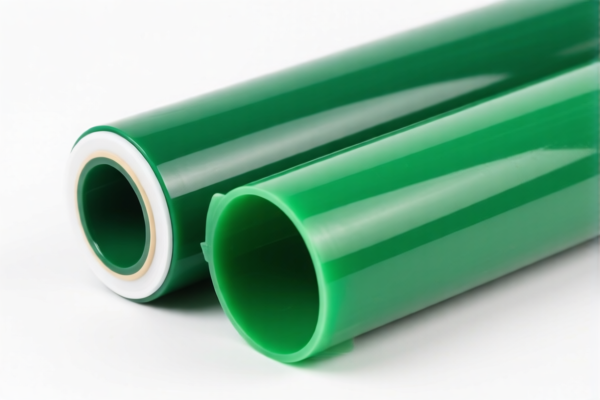
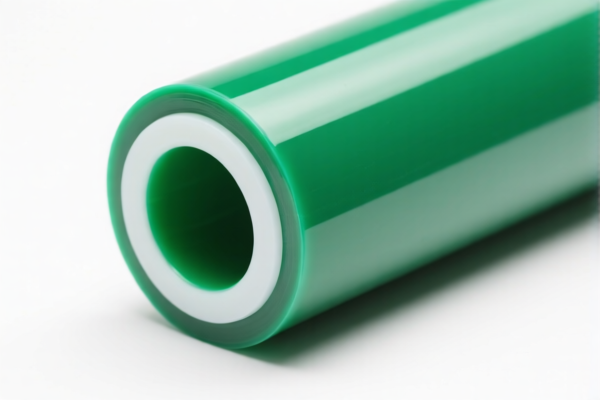
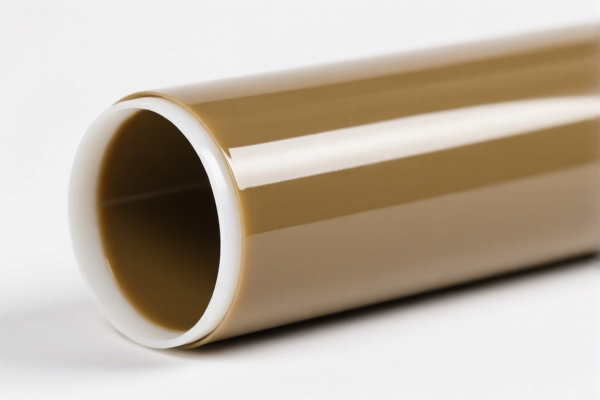

AI Analysis
🧪 Vinyl Acetate Copolymer Resin (EVA Resin)
🌐 HS Code Reference & Customs Clearance Guide | 2026 Latest Tariff Analysis | Professional Entry Strategy
📌 I. Product Definition & Classification: What is "Vinyl Acetate Copolymer" really?
Vinyl Acetate Copolymer Resin (commonly known as EVA Resin) is a versatile polymer derived from the copolymerization of ethylene and vinyl acetate. In international trade, it is classified under Chapter 39 (Plastics and Articles Thereof), specifically as Primary Forms (such as granules, powders, or liquid dispersions).
Key Distinction:
The classification depends heavily on the Vinyl Acetate (VA) content and whether it is primarily treated as an "Ethylene Polymer" or a "Vinyl Acetate Copolymer."
- High Ethylene Content (>95%): Often classified under Ethylene Polymers (3901).
- Significant Vinyl Acetate Content: Classified under Vinyl Acetate Copolymers (3905).
- Primary Form Requirement: The data provided refers to raw resin (granules/powders), not finished plastic articles.
⚠️ Critical Classification Point:
- If the chemical nature aligns more with Ethylene Polymers (even with VA), it may fall under 3901.
- If the chemical nature aligns more with Vinyl Acetate Copolymers, it falls under 3905.
- Do not mix primary forms with finished plastic sheets/films (3920/3921) in the same declaration unless specified.
📦 II. HS Code Classification Details (Based on Provided Data)
| HS Code | Product Description | Classification Logic | Total Tax Rate |
|---|---|---|---|
3905.91.50.00 |
Vinyl Acetate Copolymer Resin (Ethylene-Vinyl Acetate) | Classified under Ethylene-Vinyl Acetate Copolymers as a primary form. | 40.3% |
3905.29.00.00 |
Vinyl Acetate Copolymer Resin (Other Vinyl Acetate Copolymers) | Classified as Other Vinyl Acetate Copolymers in primary form. | 39.0% |
3901.30.60.00 |
Ethylene-Vinyl Acetate Copolymer Granules | Classified as an Ethylene Polymer (Primary Form) due to ethylene dominance or specific regulatory interpretation. | 40.3% |
3901.30.20.00 |
Vinyl Acetate Copolymer Resin (Ethylene Polymer) | Classified as an Ethylene Polymer (Primary Form). | 35.0% |
3901.30.60.00 |
Vinyl Acetate Copolymer Granules | Classified as an Ethylene Polymer (Primary Form). | 40.3% |
🔍 Key Observation:
- The lowest total tax rate is 35.0% (3901.30.20.00) when classified as an Ethylene Polymer with 0% basic duty.
- The highest total tax rate is 40.3% (3905.91.50.00and3901.30.60.00) when the basic duty is 5.3%.
- The difference lies in the Basic Duty (0% vs. 5.3%), while Add-on duties remain constant.
💰 III. 2026 Latest Tariff Rate Breakdown (Including Add-ons)
✅ Applicable Country: United States (US)
✅ Origin: China (CN)
✅ Effective Date: 2025/2026 (Based on current trade policies)
🎯 1. Classification 3905.91.50.00 – Vinyl Acetate Copolymer (Ethylene-Vinyl Acetate)
| Item | Detail |
|---|---|
| Basic Duty | 5.3% |
| Section 301 Add-on Duty | +25.0% |
| Section 122 Duty | +10.0% |
| Total Tax Rate | 40.3% |
| Tax Calculation | CIF Value × 40.3% |
| De Minimis Exemption | ❌ Not Eligible (High-value raw materials usually excluded) |
| Legal Basis Path | USITC:3905.91.50.00 → FOOTNOTE:301 → FOOTNOTE:122 |
📌 Explanation:
- This code falls under Vinyl Acetate Copolymers.
- It incurs the highest burden due to the 5.3% base duty plus all add-ons.
- Suitable for specific applications where chemical classification strictly requires Chapter 3905.
🎯 2. Classification 3905.29.00.00 – Other Vinyl Acetate Copolymers
| Item | Detail |
|---|---|
| Basic Duty | 4.0% |
| Section 301 Add-on Duty | +25.0% |
| Section 122 Duty | +10.0% |
| Total Tax Rate | 39.0% |
| Tax Calculation | CIF Value × 39.0% |
| De Minimis Exemption | ❌ Not Eligible |
| Legal Basis Path | USITC:3905.29.00.00 → FOOTNOTE:301 → FOOTNOTE:122 |
📌 Note:
- Slightly lower than3905.91.50.00due to a lower basic duty (4.0% vs 5.3%).
- Still subject to significant trade barriers.
🎯 3. Classification 3901.30.60.00 – Ethylene Polymer (EVA Granules)
| Item | Detail |
|---|---|
| Basic Duty | 5.3% |
| Section 301 Add-on Duty | +25.0% |
| Section 122 Duty | +10.0% |
| Total Tax Rate | 40.3% |
| Tax Calculation | CIF Value × 40.3% |
| De Minimis Exemption | ❌ Not Eligible |
| Legal Basis Path | USITC:3901.30.60.00 → FOOTNOTE:301 → FOOTNOTE:122 |
📌 Explanation:
- Classified as an Ethylene Polymer.
- Identical tax burden to3905.91.50.00due to the same basic duty rate.
🎯 4. Classification 3901.30.20.00 – Ethylene Polymer (Best Rate Option)
| Item | Detail |
|---|---|
| Basic Duty | 0.0% |
| Section 301 Add-on Duty | +25.0% |
| Section 122 Duty | +10.0% |
| Total Tax Rate | 35.0% |
| Tax Calculation | CIF Value × 35.0% |
| De Minimis Exemption | ❌ Not Eligible |
| Legal Basis Path | USITC:3901.30.20.00 → FOOTNOTE:301 → FOOTNOTE:122 |
📌 Advantage:
- Lowest Total Tax Rate at 35.0%.
- Achieved because the Basic Duty is 0%.
- Strategy: If your EVA resin meets the chemical definition for3901.30.20.00(Ethylene Polymer, specific sub-category), this is the optimal classification to minimize costs.
🛠️ IV. Customs Clearance Practical Advice (Actionable Guide)
✅ 1. Required Documentation Checklist
| Document | Mandatory? | Notes |
|---|---|---|
| ✅ Technical Data Sheet (TDS) | ✔️ | Must specify Ethylene % and Vinyl Acetate %. Critical for HS Code determination. |
| ✅ Chemical Formula/Structure | ✔️ | To prove it is a Copolymer and not a homopolymer. |
| ✅ Certificate of Origin (CO) | ✔️ | Essential for applying Section 301/122 duties. |
| ✅ Commercial Invoice | ✔️ | Clearly state "Vinyl Acetate Copolymer Resin" and HS Code. |
| ✅ Packing List | ✔️ | Show net/gross weight and packaging type (bags, pallets). |
| ✅ Manufacturing Process Description | Optional | Helpful if disputed by CBP; shows primary form status. |
✅ 2. Declaration Strategy (Key Tips)
🔥 "Chemical Composition is King, Basic Duty is Key!"
| Scenario | Recommended HS Code | Why? |
|---|---|---|
| Max Cost Saving | 3901.30.20.00 |
Lowest total tax (35%) due to 0% basic duty. |
| Standard EVA (High VA) | 3905.29.00.00 |
Safer if VA content is high (>20-40%), tax 39%. |
| Specific Ethylene-Vinyl Type | 3905.91.50.00 or 3901.30.60.00 |
Tax 40.3%. Use only if chemical profile mandates it. |
⚠️ Warning:
- Misclassifying3901.30.20.00when the product should be3905.xxxxcan lead to penalties, back duties, and audits.
- Ensure your technical documentation supports the 0% basic duty claim.
✅ 3. Special Considerations
| Issue | Recommendation |
|---|---|
| Section 122 & 301 Duties | These are non-negotiable for Chinese-origin goods. Budget for ~35-40% total duty. |
| De Minimis (Section 321) | Not available for bulk industrial resin shipments. Must file formal entry. |
| Anti-Dumping (AD/CVD) | Check if specific EVA producers are subject to AD/CVD orders. If so, additional duties apply. |
| Primary Form vs. Article | Ensure the product is raw resin (granules/powder). If it is pre-formed pellets for specific molding, ensure it still qualifies as "Primary Form." |
🌍 V. Global Market Comparison (2026)
| Region | Recommended HS Code | Estimated Duty (China Origin) | Key Requirements |
|---|---|---|---|
| 🇺🇸 USA | 3901.30.20.00 |
35.0% | CO, TDS, Section 301/122 compliance |
| 🇨🇳 China (Export) | 3901.30.20.00 |
0% (Export Duty) | Standard export declaration |
| 🇪🇺 EU | 3901.30.20.00 |
5.3% (MFN) | REACH Compliance, EPR Registration |
| 🇬🇧 UK | 3901.30.20.00 |
5.3% (MFN) | UKCA/CE Marking if finished goods |
| 🇯🇵 Japan | 3901.30.20.00 |
6.0% (MFN) | Fertilizer/Chemical regulations if applicable |
📌 Insight:
- The US is the most expensive market due to Section 301 and 122 duties.
- EU/UK/JP have lower base duties but require strict chemical safety compliance (REACH, etc.).
📌 VI. Common Mistakes & Pitfalls (Learn from Others)
❌ Mistake 1: Classifying as 3901.30.20.00 without supporting technical data.
👉 Consequence: CBP rejects 0% basic duty, assesses 5.3% + penalties.
👉 Solution: Provide a lab report showing Ethylene content >95% or specific copolymer structure.
❌ Mistake 2: Confusing "EVA Resin" with "EVA Finished Parts" (e.g., shoes, films).
👉 Consequence: Wrong HS Code (3920/3921 vs 3901/3905).
👉 Solution: Ensure the product is in Primary Form (granules/powder).
❌ Mistake 3: Ignoring Section 122 Duties.
👉 Consequence: Underpayment of 10% tax.
👉 Solution: Always include Section 122 in duty calculation for China-origin plastics.
🎯 VII. Conclusion: Optimize Your Supply Chain
🎯 Key Takeaway:
🔹 Lowest Duty: Aim for
3901.30.20.00(35.0% total) if your chemical profile allows.
🔹 Safest Alternative:3905.29.00.00(39.0%) if VA content is significant.
🔹 Avoid:3905.91.50.00/3901.30.60.00(40.3%) unless chemically required.📌 Pro Tip:
- Pre-clearance: Request a Binding Ruling from US CBP if your EVA resin’s classification is borderline.
- Supplier Communication: Ask your supplier for a detailed COA (Certificate of Analysis) to support the 0% basic duty claim.
📣 Immediate Action:
📞 Consult a Customs Broker: Provide TDS and COA for accurate HS Code determination.
📊 Calculate Landed Cost: Include 35-40% duty in your pricing model.
🚀 Stay Compliant: Avoid misdeclaration to prevent audits and fines.
✨ Precise Classification Saves Thousands!
💼 Every Percent of Duty Counts in the Polymer Trade.
Customer Reviews
About HS Code Classification
The Harmonized System (HS) is an internationally standardized nomenclature developed by the World Customs Organization (WCO) to classify traded products. Over 200 countries use the HS system as the basis for customs tariffs, trade statistics, and import/export regulations.
Each HS code follows a hierarchical structure:
- Chapter (2 digits) — Broad category of goods (e.g., Chapter 84: Machinery and Mechanical Appliances)
- Heading (4 digits) — More specific grouping within the chapter
- Subheading (6 digits) — Internationally standardized breakdown, used by all WCO member countries
- National subdivisions (8-10 digits) — Country-specific extensions for further classification, such as US HTSUS 10-digit codes
Correct HS code classification is essential for smooth customs clearance, accurate duty payment, and compliance with trade regulations. Misclassification can lead to customs delays, overpayment of duties, or penalties.
When importing from CN to US, the applicable tariff rates may include:
- Most-Favored-Nation (MFN) rate — The standard duty rate applied to WTO members
- General rate — Applied to countries without trade agreements
- Trade remedy duties — Additional tariffs such as Section 301 (anti-dumping), Section 232 (national security), or countervailing duties
The information provided on this page is for reference purposes only. For official classification, please consult with your local customs authority or a licensed customs broker.