Vinyl Polymer Scrap
CN → US| HS Code | Tariff Rate | Origin | Destination | Doc |
|---|---|---|---|---|
| 3915300000 | 35.0% | CN | US | Official Doc |
| 3915900090 | 35.0% | CN | US | Official Doc |
| 390190 | 0.0% | CN | US | Official Doc |
| 391590 | 0.0% | CN | US | Official Doc |
Product Images
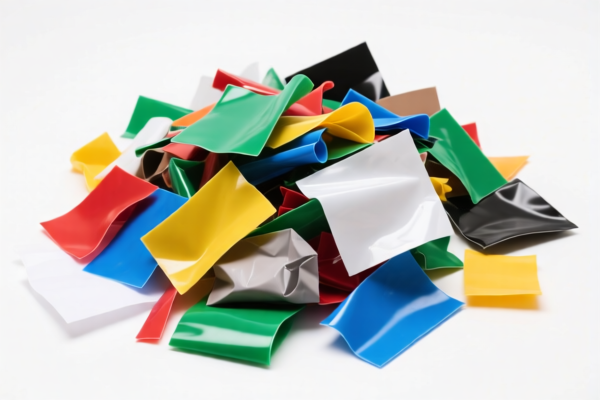
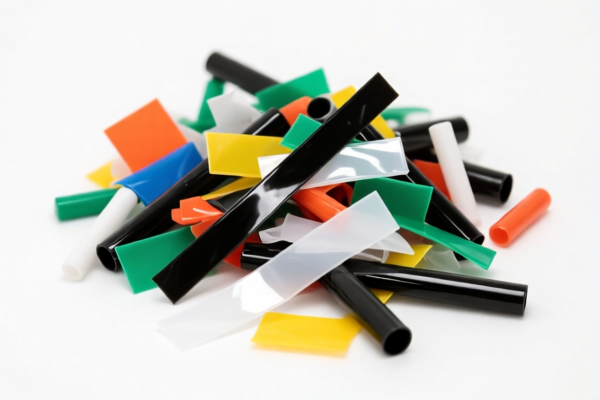
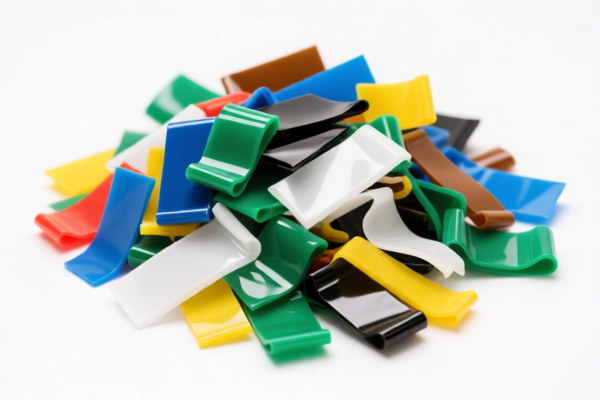
AI Analysis
🧪 Vinyl Polymer Scrap (Plastic Waste & Scrap)
🌐 HS Code Reference & Customs Clearance Guide | 2026 Tariff Analysis | Strategic Compliance Strategy
📌 I. Product Definition & Classification: Do You Really Know "Vinyl Polymer Scrap"?
Vinyl Polymer Scrap, primarily referring to Polyethylene (PE) waste, is a critical raw material in the global plastic recycling industry. In international trade, it is strictly categorized under Chapter 39 (Plastics and Articles Thereof), specifically within the 3915 heading for Waste, Scraps, and Remnants of Plastics.
The classification hinges on the chemical composition: * Ethylene Polymers (Polyethylene - PE): The most common "vinyl" polymer in scrap contexts. * Homopolymers vs. Copolymers: Distinctions are made between pure ethylene polymers and those mixed with other monomers.
⚠️ Key Distinction Point:
- If the scrap consists of pure ethylene polymers (e.g., standard HDPE/PP bottles, pipes) → It falls under 3915.10.00.00.
- If the scrap is polyethylene but categorized under "Other" due to specific forms or mixed definitions → It may fall under 3915.90.00.90.
- Note: "Vinyl" is often used colloquially for PVC, but in HS Code terminology for Chapter 39, "Ethylene Polymers" are explicitly separated. However, the provided data links "Vinyl Polymer" specifically to Ethylene/Polyethylene waste.
📦 II. HS Code Classification Details (2026 Latest Tariff Authority Cross-Reference)
Based on the provided data, here are the precise HS Codes and their corresponding tax structures:
| HS Code | Product Description | Application Scenario | Material Form |
|---|---|---|---|
3915.10.00.00 |
Ethylene Polymer Scrap (Polyethylene Waste, Scraps, Remnants) |
Factory off-cuts, post-industrial PE waste, raw material scraps | Solid, granular, or filamentous waste of pure PE |
3915.90.00.90 |
Other Plastic Waste (Including Ethylene Homopolymers) |
Mixed PE scrap, post-consumer bottles, irregular shapes not fitting specific sub-headings | Any form of plastic waste not specified in 3915.10 |
🔍 Key Clarification:
- Both codes in the data reflect Polyethylene (PE) origin.
- 3915.10.00.00 is the primary code for standard ethylene polymer waste.
- 3915.90.00.90 acts as a residual code for other plastic waste, including specific definitions of ethylene homopolymers that may not fit the strict "waste/scraps" primary definition or are categorized under "other" for administrative reasons.
💰 III. 2026 Latest Tariff Rate Breakdown (Including Surcharges & Policy Add-ons)
✅ Applicable Country: United States (US)
✅ Country of Origin: China (CN)
✅ Effective Date: Implied current/recent tariff regime (Section 301 + Section 122/IEEPA style)
🎯 1. 3915.10.00.00 —— Ethylene Polymer Scrap
| Item | Details |
|---|---|
| Base Tariff | 0.0% (Most Favored Nation rate) |
| Additional Tariff (Section 301) | +25.0% |
| 122-Clause Tariff (IEEPA/Special) | +10.0% |
| Total Tariff Rate | 35.0% |
| Tax Calculation | CIF Value × 35% |
| De Minimis Exemption | ❌ Not Applicable (High tariff items generally excluded) |
| Legal Basis Path | HTSUS:3915.10.00.00 → Section 301: Footnote 9903.01.24 → 122 Clause: 10% Add-on |
📌 Explanation:
- Base 0%: Raw plastic scrap often has low base duties to encourage recycling.
- Section 301 25%: Standard punitive tariff on Chinese plastic goods and waste.
- 122-Clause 10%: Specific additional duty targeting certain plastic imports under Section 232 or emergency powers.
- Total 35%: This is a significant cost factor for recycling operations importing PE scrap.
🎯 2. 3915.90.00.90 —— Other Plastic Waste (Including Ethylene Homopolymers)
| Item | Details |
|---|---|
| Base Tariff | 0.0% |
| Additional Tariff (Section 301) | +25.0% |
| 122-Clause Tariff (IEEPA/Special) | +10.0% |
| Total Tariff Rate | 35.0% |
| Tax Calculation | CIF Value × 35% |
| De Minimis Exemption | ❌ Not Applicable |
| Legal Basis Path | HTSUS:3915.90.00.90 → Section 301: Footnote 9903.01.24 → 122 Clause: 10% Add-on |
📌 Note:
- Despite being a "residual" code, the tariff treatment is identical to 3915.10.00.00.
- This ensures no arbitrage opportunity by misclassifying PE scrap as "other plastic" to avoid duties (though base is already 0%).
🛠️ IV. Customs Clearance Operational Advice (Practical Pitfall Avoidance Guide)
✅ 1. Required Documentation Checklist (All Must Be Provided)
| Document | Mandatory? | Description |
|---|---|---|
| ✅ Product Specification Sheet | ✔️ | Must clearly state "Polyethylene (PE)", "Ethylene Homopolymer", or "Vinyl Polymer Waste". |
| ✅ Material Safety Data Sheet (MSDS) | ✔️ | Confirms chemical composition and hazard class (if any). |
| ✅ Commercial Invoice | ✔️ | Must list HS Code explicitly: 3915.10.00.00 or 3915.90.00.90. |
| ✅ Packing List | ✔️ | Details weight, net/gross, and packaging type (bales, bags, drums). |
| ✅ Certificate of Origin (CO) | ✔️ | Proof of Chinese origin to trigger the 35% tariff calculation. |
| ✅ Photo Evidence | ✔️ | Clear images of the scrap material to verify it is waste/scrap and not new products. |
✅ 2. Declaration Best Practices (Key Mnemonics)
🔥 "Pure PE goes to .10, Mixed/Other goes to .90, Always Declare Origin, 35% is the Cost."
| Scenario | Correct Declaration | Incorrect Declaration |
|---|---|---|
| Clean PE Factory Scrap | 3915.10.00.00Description: "Ethylene Polymer Waste, HDPE" |
Mislabel as "Recycled Pellets" (New Product) → Higher duty & FDA issues |
| Mixed Plastic Bottle Waste | 3915.90.00.90Description: "Other Plastic Waste, Polyethylene" |
Claim as "Non-Vinyl" without proof → Audit risk |
| Dirty/Irregular Scrap | 3915.10.00.00 or .90Ensure it is clearly Waste/Scrap |
Declare as "Secondary Raw Material" → May trigger different classification |
| Origin: China | Declare CN Calculate 35% tariff |
Omit origin → Potential penalty for false declaration |
✅ 3. Special Considerations
| Situation | Handling Advice |
|---|---|
| Contaminated Scrap | If the scrap contains non-plastic materials (metal, liquid), customs may reject it as "mixed waste" or apply different environmental regulations. Ensure it meets EPA/USDA standards for plastic recycling. |
| "Vinyl" Ambiguity | "Vinyl" can refer to PVC (Chlorine-based) or PE (Ethylene-based). In HS 3915, PVC scrap is 3915.30, while PE scrap is 3915.10. ⚠️ Critical: The provided data explicitly links "Vinyl Polymer Scrap" to Ethylene/Polyethylene. Do NOT assume it is PVC (3915.30) unless specified. Misclassification leads to severe penalties. |
| De Minimis (Section 321) | Most plastic scrap imports exceed $800 value. De Minimis exemption does NOT apply. Full customs entry required. |
🌍 V. Global Market Comparison for Plastic Scrap (2026)
| Country/Region | Recommended HS Code | Base Tariff | Additional Duties (China) | Total Effective Rate | Notes |
|---|---|---|---|---|---|
| 🇺🇸 USA | 3915.10.00.00 / .90 |
0.0% | +35.0% (25% + 10%) | 35.0% | High barrier. Focus on recyclability certification. |
| 🇨🇳 China | 3915.10.00.00 |
0.0% | None | 0.0% | China imports waste; US exports. |
| 🇪🇺 EU | 3915.10.00 |
0.0% | None (CBAM impact low for plastics) | ~0.0% | Strict ISO 14021 labeling required. |
| 🇮🇳 India | 3915.10.00 |
5.0% | None | 5.0% | Lower tariffs than US. |
📌 Conclusion:
- USA is the most expensive market due to Section 301 + 122-Clause surcharges.
- EU and India offer more favorable tariff structures, but environmental regulations (plastic waste ban) are stricter.
- China is a major importer of such scrap, but export controls apply.
📌 VI. Common Errors & Pitfalls (Lessons Learned)
❌ Error 1: Confusing Vinyl (PVC) with Vinyl Polymer (Polyethylene)
👉 Consequence: Using HS 3915.30 (PVC) instead of 3915.10 (PE).
Result: Wrong tax calculation, potential customs seizure if material fails PVC tests.
❌ Error 2: Declaring "Recycled Granules" instead of "Scrap"
👉 Consequence: If not properly processed, it may be seen as "new goods."
Result: Higher duties, FDA regulatory hurdles.
❌ Error 3: Ignoring the 10% 122-Clause Tariff
👉 Consequence: Underpaying duties by 10%.
Result: Back taxes, interest, and penalties upon audit.
❌ Error 4: Poor Quality Control (Mixed Materials)
👉 Consequence: Scrap contains metals or other polymers.
Result: Customs may classify as "Mixed Waste" with higher duties or deny entry.
✅ Correct Approach:
"Polyethylene Waste, HDPE, Clean, Baled, Origin: China, HS: 3915.10.00.00, Duty: 35% (0% Base + 25% Sec 301 + 10% 122)"
🎯 VII. Conclusion: Precision in Classification Saves Costs!
🎯 Remember the Formula:
🔹 "Ethylene PE → 3915.10 or .90"
🔹 "Base 0% + 301 25% + 122 10% = 35% Total"
🔹 "No De Minimis, Full Entry Required"
📌 Pro Tip:
If you are exporting Polyethylene Scrap to the US:
1. Verify Material: Ensure it is strictly PE (Ethylene), not PVC or PP.
2. Calculate Landed Cost: Factor in the 35% tariff immediately.
3. Consult a Broker: Given the complexity of Section 301 and 122, use a licensed customs broker to file a Pre-Import Consultation if the volume is large.
📣 Immediate Action:
📞 Contact Your Customs Broker with the HS Code
3915.10.00.00or3915.90.00.90.
📄 Prepare MSDS & Specs to prove it is "Vinyl Polymer" (PE) Scrap.
💰 Budget for 35% Duty to avoid cash flow surprises.
✨ Accurate Classification, Smooth Customs, Profitable Trade!
💼 Every percentage point matters in the recycling supply chain!
Customer Reviews
About HS Code Classification
The Harmonized System (HS) is an internationally standardized nomenclature developed by the World Customs Organization (WCO) to classify traded products. Over 200 countries use the HS system as the basis for customs tariffs, trade statistics, and import/export regulations.
Each HS code follows a hierarchical structure:
- Chapter (2 digits) — Broad category of goods (e.g., Chapter 84: Machinery and Mechanical Appliances)
- Heading (4 digits) — More specific grouping within the chapter
- Subheading (6 digits) — Internationally standardized breakdown, used by all WCO member countries
- National subdivisions (8-10 digits) — Country-specific extensions for further classification, such as US HTSUS 10-digit codes
Correct HS code classification is essential for smooth customs clearance, accurate duty payment, and compliance with trade regulations. Misclassification can lead to customs delays, overpayment of duties, or penalties.
When importing from CN to US, the applicable tariff rates may include:
- Most-Favored-Nation (MFN) rate — The standard duty rate applied to WTO members
- General rate — Applied to countries without trade agreements
- Trade remedy duties — Additional tariffs such as Section 301 (anti-dumping), Section 232 (national security), or countervailing duties
The information provided on this page is for reference purposes only. For official classification, please consult with your local customs authority or a licensed customs broker.