Vinyl Protective Film
CN → US| HS Code | Tariff Rate | Origin | Destination | Doc |
|---|---|---|---|---|
| 3919102010 | 40.8% | CN | US | Official Doc |
| 3919102055 | 40.8% | CN | US | Official Doc |
Product Images
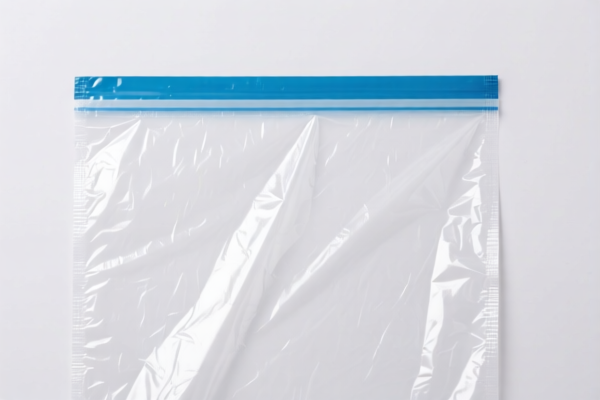
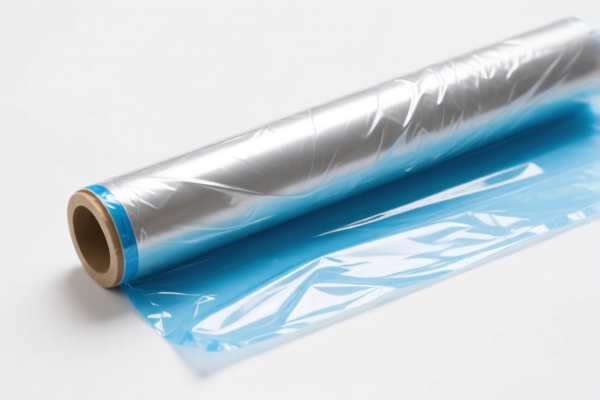
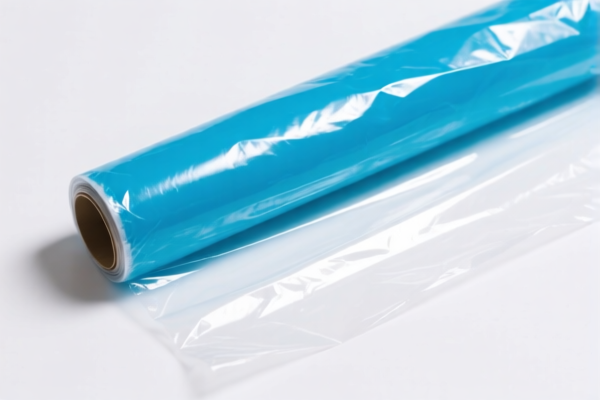
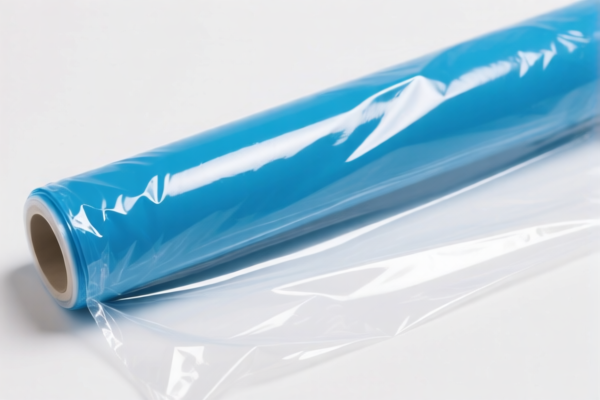
AI Analysis
🛡️ Vinyl Protective Film (Self-Adhesive Plastic Tape)
🌐 HS Code Reference & Clearance Guide | 2026 Latest Tariff Analysis | Professional Entry Strategy
📌 Part 1: Product Definition & Classification: Do You Really Know "Vinyl Protective Film"?
Vinyl Protective Film is a critical component in the manufacturing, transportation, and finishing industries. It is used to protect surfaces (metal, glass, plastics, painted parts) from scratches, dust, and moisture during processing or transit. In international trade, it falls under Chapter 39 (Plastics and Articles Thereof), specifically as Self-adhesive plates, sheets, film, foil, tape, strip and other flat shapes, of plastics.
The classification hinges on two critical factors: 1. Width: Is it in rolls of a width not exceeding 20 cm? (Yes, typically for industrial tapes). 2. Composition: Is it reinforced with filaments (like fiberglass) or is it plain plastic?
⚠️ Key Distinction Point:
- If the tape is plain vinyl/plastic (no reinforcing fibers) → It falls under "Other" general plastics.
- If the tape contains filament reinforcement (e.g., fiberglass mesh embedded for strength) → It falls under "Filament reinforced tape".
- Crucial Note: The tariff implication is massive. The plain plastic version often enjoys 0% duty (depending on trade relations), while reinforced or specific sub-categories may face high tariffs.
📦 Part 2: HS Code Classification Details (2026 Latest Tariff Authority Match)
Based strictly on the provided <DATA> context, here are the two possible HS codes for "Vinyl Protective Film" (assuming it is in rolls ≤ 20 cm width):
| HS Code | Product Description | Application Scenario | Reinforcement Status |
|---|---|---|---|
3919.10.20.10 |
Self-adhesive plastic tape, rolls ≤ 20cm: Filament reinforced tape | Heavy-duty packaging, industrial binding, fiberglass-reinforced protective tape | ✅ Yes (Filament Reinforced) |
3919.10.20.55 |
Self-adhesive plastic tape, rolls ≤ 20cm: Other / Other / Other | Standard clear vinyl protective film, plain PET/PE tape, non-reinforced surface protection | ❌ No (Plain Plastic) |
🔍 Critical Reminder:
- "Vinyl Protective Film" is often a plain plastic tape without structural reinforcement. Therefore, it most commonly falls under3919.10.20.55.
- If your product is labeled "Protective Film" but contains glass fiber or filament for tensile strength, it must be declared as3919.10.20.10. Misclassification here leads to severe penalties.
💰 Part 3: 2026 Latest Tariff Rate Breakdown (Detailed Tax Clauses)
✅ Context: The provided data indicates different tax structures for the two HS codes. We will analyze both scenarios based on the
<DATA>provided.
🎯 Scenario A: 3919.10.20.55 —— Standard Non-Reinforced Plastic Tape (Most Common)
| Item | Detail |
|---|---|
| Product | Vinyl Protective Film (Plain, non-reinforced) |
| HS Code | 3919.10.20.55 |
| Base Tariff | 0.0% |
| Additional Tariff (e.g., Section 301/Retaliatory) | 0.0% |
| Total Effective Tax Rate | 0.0% |
| Tax Calculation | Duty-Free (CIF Value × 0%) |
| Legal Basis | Based on provided data: 基础关税: 0.0%, 加征关税: 0.0% |
📌 Explanation:
- This code represents "Other" self-adhesive plastic tapes that do not fall into specific reinforced or specialized sub-categories.
- Benefit: If your protective film is plain vinyl/PET/PE without filament reinforcement, you likely pay ZERO tariffs. This is the optimal classification for standard protective films.
🎯 Scenario B: 3919.10.20.10 —— Filament Reinforced Tape (Specialized/Industrial)
| Item | Detail |
|---|---|
| Product | Vinyl/Plastic Tape with Filament Reinforcement (e.g., Fiberglass) |
| HS Code | 3919.10.20.10 |
| Base Tariff | 5.8% |
| Additional Tariff (e.g., Section 301/Retaliatory) | 25.0% |
| Total Effective Tax Rate | 30.8% |
| Tax Calculation | CIF Value × 30.8% |
| Legal Basis | Based on provided data: 基础关税: 5.8%, 加征关税: 25.0% |
📌 Explanation:
- This code is strictly for filament-reinforced tapes. The "filament" implies a composite structure (plastic + fiber).
- Cost Impact: A 30.8% total tax rate is significant.
- Risk: If you mistakenly declare a plain protective film as "filament reinforced" to try to match a different profile (not applicable here since plain is cheaper), or worse, if you declare a reinforced tape as plain, you risk customs audits, back-taxes, and fines.
🛠️ Part 4: Customs Clearance Practical Advice (Battle-Tested Tips)
✅ 1. Documentation Checklist (Non-Negotiable)
| Document | Required? | Note |
|---|---|---|
| ✅ Product Specification Sheet | ✔️ | Must explicitly state: "No filament/fiber reinforcement" OR "Contains fiberglass reinforcement". |
| ✅ Material Composition Report | ✔️ | Detail: Base resin (PVC/PET/PE), Adhesive type, Thickness, Width. |
| ✅ Product Photos (Cross-section) | ✔️ | Crucial: Show a close-up of the tape’s edge/cross-section to prove absence/presence of filaments. |
| ✅ Commercial Invoice | ✔️ | Clear description: "Plastic Protective Film, Self-Adhesive, Width 10cm, No Filament Reinforcement". |
| ✅ Packing List | ✔️ | Include net/gross weight and dimensions. |
✅ 2. Classification Strategy (The Golden Rule)
🔥 “Plain Film = Code 55 (0% Tax). Reinforced = Code 10 (30.8% Tax).”
| Product Type | Correct HS Code | Tax Rate | Why? |
|---|---|---|---|
| Standard Clear Vinyl/PET Protective Film | 3919.10.20.55 |
0.0% | No structural fibers. Pure plastic/adhesive. |
| Heavy-Duty Packing Tape with Fiberglass | 3919.10.20.10 |
30.8% | Contains filaments for tensile strength. |
| Masking Tape (Paper/Plastic) | Check other chapters | Varies | Not always Chapter 39.10 if paper-based. |
| Non-Woven Tape | Check Chapter 56 | Varies | Not "flat shapes of plastics" in the same sense. |
⚠️ Warning:
- Do NOT use "Filament Reinforced" (Code 10) if your product is plain. Why? While Code 10 has a 30.8% tax, Code 55 has 0%. There is no benefit to over-declaring reinforcement.
- However, if your product IS reinforced, you MUST declare Code 10. Attempting to hide reinforcement to get 0% duty is customs fraud.
✅ 3. Specific Clearance Tips for "Vinyl Protective Film"
- Describe "Plastic Type" Precisely:
- Specify if it’s PVC, PET, PE, or PP. While the HS code 3919.10 covers all plastics, detailed specs help customs verify it’s not a hazardous material or restricted plastic.
- Highlight "Self-Adhesive":
- Ensure the invoice states "Self-Adhesive" or "Pressure-Sensitive". This confirms Chapter 39.10.
- Width Verification:
- Confirm the roll width is ≤ 20 cm. If wider (>20 cm), the HS code changes entirely (to 3919.90 or other sub-headings), and taxes may differ.
- Avoid Vague Terms:
- ❌ Bad: "Plastic Tape"
- ✅ Good: "Self-Adhesive Polyethylene Protective Film, Non-Reinforced, 10mm Width"
🌍 Part 5: Global Market Comparison (2026 Context)
| Market | Likely HS Code for Plain Film | Base Tax | Additional Tax | Total Tax | Note |
|---|---|---|---|---|---|
| USA | 3919.10.20.55 |
0.0% | 0.0% | 0.0% | Based on provided data |
| USA | 3919.10.20.10 |
5.8% | 25.0% | 30.8% | Heavy-duty reinforced only |
| EU | 3919.10.10 (Typical) |
0% - 4.5% | 0% | 0-4.5% | Generally low duty for plastics |
| China | 3919.10.10 |
5% - 8% | 0% | ~5-8% | Import duty for foreign film |
| UK | 3919.10.10 |
0% - 4.5% | 0% | 0-4.5% | Post-Brexit, similar to EU |
📌 Conclusion:
- For USA imports, plain vinyl protective film (3919.10.20.55) is duty-free according to the provided dataset.
- Reinforced films face a 30.8% burden.
- Always verify if your product contains fiberglass, polyester filament, or other reinforcing strands. If yes, budget for 30.8%. If no, aim for 0%.
📌 Part 6: Common Mistakes & Pitfalls (Blood-Teaching Lessons)
❌ Mistake 1: Calling all "Industrial Tape" the same.
👉 Consequence: Customs may inspect and find filaments in your "plain" tape, leading to back-taxes of 30.8% + penalties.
✅ Fix: Provide a material composition chart.
❌ Mistake 2: Ignoring Roll Width.
👉 Consequence: If width > 20 cm, the HS code 3919.10.20.xx is incorrect. You must use codes for wider sheets (e.g., 3920 or 3919.90). Misclassification causes delays.
✅ Fix: Measure width precisely. If >20cm, consult a new HS code.
❌ Mistake 3: Vague Description "Protective Film".
👉 Consequence: Customs cannot determine if it’s reinforced. They may default to the highest duty rate or request a lab test.
✅ Fix: Use "Non-Reinforced Self-Adhesive Plastic Tape, Width 10cm, Material: PE".
🎯 Part 7: Conclusion: Precision Saves Money!
🎯 Remember the Mantra:
🔹 "Plain Vinyl = 0% Duty (Code 55). Reinforced = 30.8% Duty (Code 10). Width < 20cm is Mandatory."
🔹 "Check the Cross-Section! No Fibers? Save 30%! Fibers Present? Pay Up or Refuse."
📌 Pro Tip:
- If you are importing plain protective film, ensure your supplier’s certificate of origin and material specs explicitly state "No Filament Reinforcement".
- If you are importing reinforced film, consider if a lower-cost alternative (plain film + separate backing) could reduce costs, though functionality may vary.
📣 Action Required:
📞 Contact your customs broker with the cross-section photo of your tape.
🚀 Declare accurately: Use3919.10.20.55for plain film to enjoy 0% tariffs.
✨ Professional Clearance Starts with Accurate Classification!
💼 Every percent of tax saved is pure profit!
Customer Reviews
About HS Code Classification
The Harmonized System (HS) is an internationally standardized nomenclature developed by the World Customs Organization (WCO) to classify traded products. Over 200 countries use the HS system as the basis for customs tariffs, trade statistics, and import/export regulations.
Each HS code follows a hierarchical structure:
- Chapter (2 digits) — Broad category of goods (e.g., Chapter 84: Machinery and Mechanical Appliances)
- Heading (4 digits) — More specific grouping within the chapter
- Subheading (6 digits) — Internationally standardized breakdown, used by all WCO member countries
- National subdivisions (8-10 digits) — Country-specific extensions for further classification, such as US HTSUS 10-digit codes
Correct HS code classification is essential for smooth customs clearance, accurate duty payment, and compliance with trade regulations. Misclassification can lead to customs delays, overpayment of duties, or penalties.
When importing from CN to US, the applicable tariff rates may include:
- Most-Favored-Nation (MFN) rate — The standard duty rate applied to WTO members
- General rate — Applied to countries without trade agreements
- Trade remedy duties — Additional tariffs such as Section 301 (anti-dumping), Section 232 (national security), or countervailing duties
The information provided on this page is for reference purposes only. For official classification, please consult with your local customs authority or a licensed customs broker.