Virgin Mary Silicone Mold
CN → US| HS Code | Tariff Rate | Origin | Destination | Doc |
|---|---|---|---|---|
| 8480799090 | 38.1% | CN | US | Official Doc |
| 4016996050 | 37.5% | CN | US | Official Doc |
| 4016990500 | 20.9% | CN | US | Official Doc |
| 3926909905 | 22.8% | CN | US | Official Doc |
| 3926909910 | 22.8% | CN | US | Official Doc |
Product Images
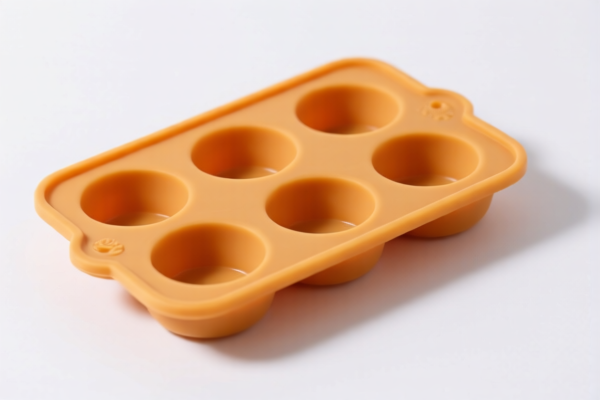
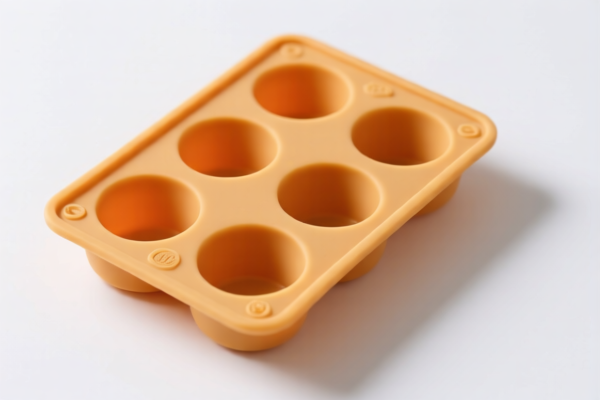
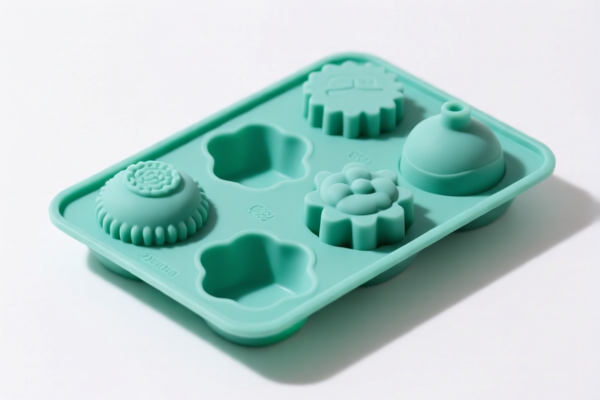
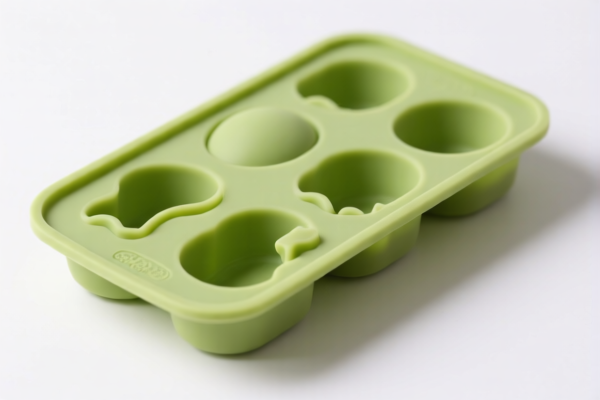
AI Analysis
🇲🇺 Virgin Mary Silicone Mold (Religious Iconography & Crafting)
🌐 HS Code Reference & Customs Clearance Guide | 2026 Latest Tariff Analysis | Strategic Compliance for Religious Crafts
📌 I. Product Definition: What Exactly is a "Virgin Mary Silicone Mold"?
In the international trade of religious artifacts and craft supplies, a "Virgin Mary Silicone Mold" is a double-edged sword. It can be classified in two completely different ways depending on its primary material function and end-use:
- The Mold Itself (Tooling): A device used to shape liquid silicone or resin into the shape of the Virgin Mary. It is a piece of industrial or hobbyist tooling.
- The Material Itself (Component): If sold as a block of silicone rubber intended to be cut into shapes or used as a sealing element rather than a casting form, it may be classified as rubber products.
⚠️ Critical Distinction:
- If the item is a rigid frame/box used to pour material into → It is a Mold (Chapter 84 or 39).
- If the item is a block/sheet of rubbery material → It is Rubber/Plastic Product (Chapter 40 or 39).
- Warning: Customs authorities often scrutinize religious items to ensure they are not classified as "printed matter" or "statues" (which have different duties). Always emphasize it is a "Mold" (tool for manufacturing), not the statue itself.
📦 II. HS Code Classification Details (2026 Authority Comparison)
Based on the provided data, here are the five possible classifications for a Virgin Mary Silicone Mold. Note that HS Code 8480 is generally the most accurate for "molds," but 4016/3926 are common fallbacks if the mold is made purely of elastomers.
| HS Code | Product Description | Application Scenario | Duty Risk Profile |
|---|---|---|---|
| 8480.79.90.90 | Molds for rubber or plastic | Standard silicone molds used for casting resin/statues. This is the most technically accurate for "molds." | ⚠️ High Risk (See Tax Detail) |
| 4016.99.60.50 | Other articles of vulcanized rubber | If the mold is considered a "rubber article" rather than a machine part/tooling. | ⚠️ High Risk (See Tax Detail) |
| 4016.99.05.00 | Household/Industrial rubber articles | Classified as unlisted rubber用具 (utensils/tools). Often used if the mold is small/hobbyist. | ✅ Medium Risk (Lower Total) |
| 3926.90.99.05 | Other plastic articles | If classified under plastic/synthetic rubber categories as "other plastic products." | ✅ Medium Risk (Lower Total) |
| 3926.90.99.10 | Other plastic articles | Similar to above, specific sub-variant for plastic高分子 materials. | ✅ Medium Risk (Lower Total) |
🔍 Key Insight:
- 8480.79.90.90 is the "correct" classification for molds. However, US Customs may reject it if the mold is soft silicone and not considered "tooling" in the strict mechanical sense.
- 4016/3926 classifications are often used by importers to argue the item is a "consumer good" or "raw material" rather than industrial tooling, which can sometimes lead to different duty structures (though still heavily taxed in this dataset).
💰 III. 2026 Tariff Rate Breakdown (Detailed Tax Clauses)
✅ Applicable Country: United States (US)
✅ Origin: China (CN) (Implied by "122 Clause" and high tariffs in data)
✅ Effective Date: 2025-2026 Period
🎯 1. 8480.79.90.90 —— Molds for Rubber or Plastic (The "Correct" Tooling Code)
| Item | Content |
|---|---|
| Base Tariff | 3.1% (ad valorem) |
| Section 301 Tariff | +25.0% (USITC Footnote: Trade Remedies) |
| Section 122 Tariff | +10.0% (Specific clause for certain rubber/plastic items or trade actions) |
| Total Effective Rate | 38.1% |
| Tax Calculation | CIF Value × 38.1% |
| De Minimis Eligibility | ❌ Not Eligible (Deny de_minimis for Section 301 items) |
| Legal Basis Path | USITC:8480.79.90.90 → SECTION_301:9903.88.01 → SECTION_122 |
📌 Explanation:
- This is the highest tax bracket in the dataset.
- Why? Customs views this as industrial tooling, subject to the full 301 retaliatory tariff.
- Risk: If misclassified here when a lower code applies, you pay the difference. If correctly classified here, you cannot avoid it.
🎯 2. 4016.99.60.50 —— Other Vulcanized Rubber Articles
| Item | Content |
|---|---|
| Base Tariff | 2.5% |
| Section 301 Tariff | +25.0% |
| Section 122 Tariff | +10.0% |
| Total Effective Rate | 37.5% |
| Tax Calculation | CIF Value × 37.5% |
| De Minimis Eligibility | ❌ Not Eligible |
| Legal Basis Path | USITC:4016.99.60.50 → SECTION_301:9903.88.01 → SECTION_122 |
📌 Explanation:
- Slightly lower than 8480, but still very high.
- This code treats the mold as a "rubber good" rather than a "machine part."
- Strategy: Only use this if 8480 is rejected by CBP.
🎯 3. 4016.99.05.00 —— Unlisted Rubber Articles (Household/Industrial)
| Item | Content |
|---|---|
| Base Tariff | 3.4% |
| Section 301 Tariff | +7.5% (Reduced rate for specific rubber items?) |
| Section 122 Tariff | +10.0% |
| Total Effective Rate | 20.9% |
| Tax Calculation | CIF Value × 20.9% |
| De Minimis Eligibility | ❌ Not Eligible |
| Legal Basis Path | USITC:4016.99.05.00 → SECTION_301:9903.01.25 (Hypothetical lower bracket) → SECTION_122 |
📌 Explanation:
- Significant Savings! From 38.1% down to 20.9%.
- Condition: Must prove the item is not a primary "mold" under Ch. 84 but a "general rubber article."
- Risk: High scrutiny. CBP may argue a mold is inherently Ch. 84.
🎯 4. 3926.90.99.05 & 5. 3926.90.99.10 —— Other Plastic Articles
| Item | Content |
|---|---|
| Base Tariff | 5.3% |
| Section 301 Tariff | +7.5% |
| Section 122 Tariff | +10.0% |
| Total Effective Rate | 22.8% |
| Tax Calculation | CIF Value × 22.8% |
| De Minimis Eligibility | ❌ Not Eligible |
| Legal Basis Path | USITC:3926.90.99.xx → SECTION_301:9903.01.24 → SECTION_122 |
📌 Explanation:
- Moderate Savings. From 38.1% down to 22.8%.
- Condition: Argue that the silicone is a "synthetic plastic" (Chapter 39) rather than "vulcanized rubber" (Chapter 40) or "tooling" (Chapter 84).
- Note: Code.05and.10have identical rates in this dataset (22.8%).
🛠️ IV. Customs Clearance Practical Advice (Avoiding Pitfalls)
✅ 1. Documentation Checklist (Non-Negotiable)
| Document | Required? | Purpose |
|---|---|---|
| ✅ Product Photos | ✔️ | Show the mold structure. Is it a rigid frame? Soft silicone? |
| ✅ Bill of Materials (BOM) | ✔️ | Specify "Silicone Rubber" vs. "Plastic Frame." |
| ✅ Function Statement | ✔️ | Clearly state: "Used to cast resin statues, not for industrial injection molding." |
| ✅ Commercial Invoice | ✔️ | Description must NOT say "Statue." Must say "Silicone Mold for Casting." |
| ✅ HS Code Pre-Ruling | ✔️ | Highly Recommended due to 301/122 complexities. |
✅ 2. Classification Strategy (The "Golden Rules")
🔥 "Classify by Function, Not by Material Alone!"
| Scenario | Recommended HS Code | Why? |
|---|---|---|
| Rigid Mold (Silicone inside a hard plastic/wood frame) | 8480.79.90.90 (38.1%) | CBP views the frame as the dominant feature. It’s a mold. |
| Pure Silicone Sheet/Block (Used to cut or line) | 4016.99.05.00 (20.9%) | It’s a raw rubber article, not a formed mold. |
| Soft Silicone Mold (No rigid frame, hobbyist use) | 3926.90.99.05 (22.8%) | Argue as "Plastic/Synthetic Article." Lower duty than Ch. 84. |
| Misclassified as "Statue" | ❌ Avoid! | If you import the finished Virgin Mary statue, duties change entirely (likely Ch. 39 or 49, but check for cultural restrictions). |
✅ 3. Critical Warnings
- Do NOT use De Minimis: With 301 and 122 clauses, shipments under $800 are NOT exempt. They are subject to full duty.
- Section 122 is Aggressive: The 10% "122 Clause" tariff is specific and often applied to rubber/plastic imports from China. It is not waivable.
- Avoid "Statue" Language: If your invoice says "Virgin Mary Statue," CBP may classify it as a finished good (Ch. 39/40/49) and apply different (potentially higher or restricted) duties. Always emphasize it is a Mold.
🌍 V. Global Market Comparison (2026)
| Region | Recommended HS Code | Est. Duty (China Origin) | Key Requirement |
|---|---|---|---|
| 🇺🇸 USA | 3926.90.99.05 or 4016.99.05.00 |
20.9% - 22.8% | Pre-Ruling Essential. Avoid 8480 if possible. |
| 🇪🇺 EU | 3926.90.99 |
~4.5% | CE Marking if for food-contact (unlikely for religious statues). |
| 🇬🇧 UK | 3926.90.99 |
~4.5% | Post-Brexit rules apply. |
| 🇨🇦 Canada | 3926.90.99 |
~5.0% | CBSA pre-authorization recommended. |
📌 Conclusion:
The USA is the most expensive market due to 301/122 tariffs.
- Best Strategy: Aim for3926.90.99.05(22.8%) or4016.99.05.00(20.9%) by arguing the item is a "plastic/rubber article" rather than "industrial tooling."
- Avoid:8480.79.90.90(38.1%) unless necessary.
📌 VI. Common Errors & Pitfalls (Lessons Learned)
❌ Error 1: Labeling the invoice as "Religious Statue"
👉 Result: CBP classifies as finished good → Potential Section 301 denial or different duty rate → Seizure/Fine.
❌ Error 2: Using 8480.79.90.90 without justification
👉 Result: Pay 38.1% when you could have paid 20.9%.
❌ Error 3: Assuming De Minimis applies ($800 threshold)
👉 Result: Package held at border, duties assessed retroactively → Customer dissatisfaction.
❌ Error 4: Ignoring "Section 122"
👉 Result: Underestimating total cost → Profit margin erosion.
✅ Correct Action:
"Silicone Casting Mold, Virgin Mary Design, Model VM-01, For Hobbyist Use Only, No Electrical Components"
HS Code:3926.90.99.05
Duty: 22.8%
🎯 VII. Conclusion: Smart Classification, Higher Margins
🎯 Key Takeaway:
🔹 "Mold vs. Rubber: The 15% Difference!"
🔹 38.1% (Ch. 84) → 20.9% (Ch. 40/39) = Save 17.2% on Duty!
📌 Pro Tip:
- Request an HS Code Ruling from US CBP before shipping large volumes.
- Structure your supply chain to import "Silicone Sheets" (raw material) if possible, and mold domestically? (Check local labor costs vs. duty savings).
📣 Immediate Action:
📞 Consult a Customs Broker with experience in "Craft Supplies" and "Chapter 39/40."
📄 Prepare a Product Data Sheet highlighting "Hobbyist Use" and "Non-Industrial Tooling."
🚀 Optimize your landed cost by choosing the right HS Code!
✨ Accurate Classification is Your Best Defense Against High Tariffs!
💼 Don't let duty creep eat your profit on religious crafts!
Customer Reviews
About HS Code Classification
The Harmonized System (HS) is an internationally standardized nomenclature developed by the World Customs Organization (WCO) to classify traded products. Over 200 countries use the HS system as the basis for customs tariffs, trade statistics, and import/export regulations.
Each HS code follows a hierarchical structure:
- Chapter (2 digits) — Broad category of goods (e.g., Chapter 84: Machinery and Mechanical Appliances)
- Heading (4 digits) — More specific grouping within the chapter
- Subheading (6 digits) — Internationally standardized breakdown, used by all WCO member countries
- National subdivisions (8-10 digits) — Country-specific extensions for further classification, such as US HTSUS 10-digit codes
Correct HS code classification is essential for smooth customs clearance, accurate duty payment, and compliance with trade regulations. Misclassification can lead to customs delays, overpayment of duties, or penalties.
When importing from CN to US, the applicable tariff rates may include:
- Most-Favored-Nation (MFN) rate — The standard duty rate applied to WTO members
- General rate — Applied to countries without trade agreements
- Trade remedy duties — Additional tariffs such as Section 301 (anti-dumping), Section 232 (national security), or countervailing duties
The information provided on this page is for reference purposes only. For official classification, please consult with your local customs authority or a licensed customs broker.