Viscose Blended Woven Fabrics for Home Textiles
CN → US| HS Code | Tariff Rate | Origin | Destination | Doc |
|---|---|---|---|---|
| 5311003090 | 10.0% | CN | US | Official Doc |
| 5311003070 | 35.0% | CN | US | Official Doc |
| 5516220090 | 49.9% | CN | US | Official Doc |
| 5516210090 | 49.9% | CN | US | Official Doc |
| 6302932000 | 0.0% | CN | US | Official Doc |
| 6302322060 | 21.4% | CN | US | Official Doc |
Product Images
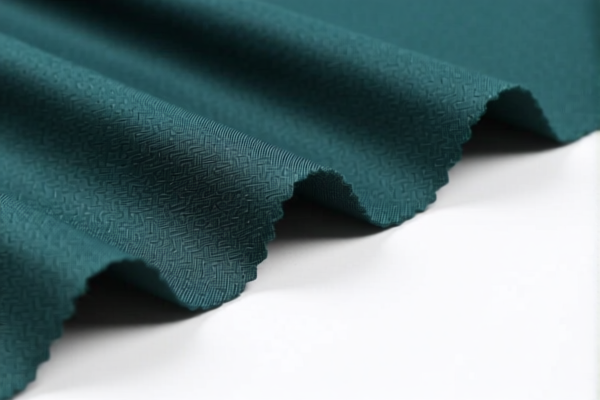
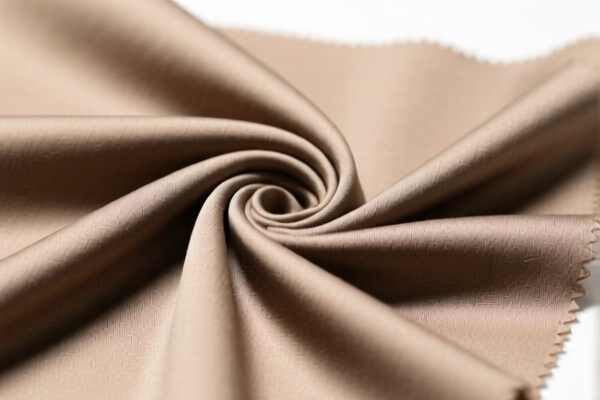
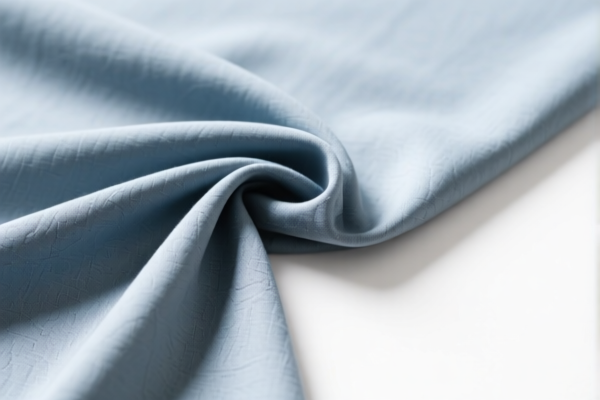
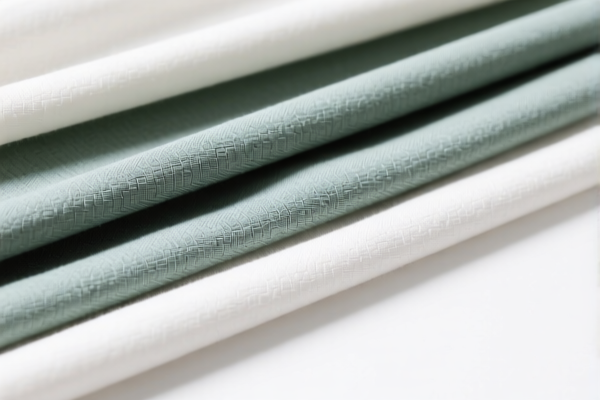
AI Analysis
🌿 Viscose Blended Woven Fabrics for Home Textiles
🌐 HS Code Reference & Customs Clearance Guide | 2026 Latest Tariff Analysis | Pro-Level Import Strategy
📌 One: Product Definition & Classification – What Exactly Are Viscose Blended Woven Fabrics?
Viscose blended woven fabrics are textile materials widely used in home textiles such as bed linens, tablecloths, kitchen towels, and bathroom accessories. These fabrics are made by weaving viscose (a semi-synthetic fiber derived from wood pulp) with other fibers — most commonly cotton and man-made fibers (like polyester or nylon).
⚠️ Key Classification Insight:
- If the fabric contains cotton + man-made fibers, and viscose is the dominant or significant component, it falls under specific subheadings in Chapter 53 or Chapter 55 of the Harmonized System (HS).
- The exact HS code depends on fiber composition, blending ratio, and whether the fabric is dyed, bleached, or unbleached.
📦 Two: HS Code Classification Details (2026 Latest Tariff Authority Match)
| HS Code | Product Description | Applicable Use Case | Fiber Composition | Tax Status |
|---|---|---|---|---|
5311.00.30.90 |
Woven fabrics of other vegetable textile fibers; of paper yarn: Of vegetable textile fibers: Other: Containing cotton and man-made fibers: Other | Home textiles with viscose + cotton + man-made fiber blend | Viscose (vegetable-based), cotton, man-made fibers | ✅ 25% total tariff |
5311.00.30.70 |
... Subject to man-made fiber restraints: Other | Same as above, but subject to U.S. man-made fiber import controls | Same blend | ✅ 25% total tariff |
6302.93.20.00 |
Bed linen, table linen, toilet linen & kitchen linen: Other: Of man-made fibers: Other | Finished home textile products (e.g., bed sheets, tablecloths) made from blended fabrics | Primarily man-made fibers (e.g., viscose + polyester) | ✅ 0% total tariff |
6302.32.20.60 |
Bed linen, table linen, toilet linen & kitchen linen: Other bed linen: Of man-made fibers: Other | Bed linens made from blended man-made fibers (e.g., viscose + polyester) | Man-made fibers (viscose included) | ✅ 0% total tariff |
5516.22.00.90 |
Woven fabrics of artificial staple fibers: Containing less than 85% artificial staple fibers, mixed mainly or solely with man-made filaments: Dyed | Dyed blended fabrics (e.g., viscose + polyester) used in home textiles | Artificial staple fibers <85%, man-made filaments dominant | ✅ 0% total tariff |
5516.21.00.90 |
... Unbleached or bleached | Unbleached/bleached blended fabrics (e.g., viscose + polyester) | Same as above | ✅ 0% total tariff |
🔍 Critical Distinction:
- Raw fabric (before final product manufacturing) → HS 5311.00.30.90 / 5311.00.30.70 → 25% tariff
- Finished home textile products (e.g., bed sheets, tablecloths) → HS 6302.93.20.00 / 6302.32.20.60 → 0% tariff
- Intermediate fabrics (dyed/bleached) → HS 5516.22.00.90 / 5516.21.00.90 → 0% tariff
💰 Three: 2026 Latest Tariff Breakdown (With附加 Taxes & Policy Triggers)
✅ Applicable Country: United States (US)
✅ Origin: China (CN)
✅ Effective Date: November 10, 2025 (and ongoing)
🎯 1. 5311.00.30.90 — Viscose Blend Fabric (Cotton + Man-Made, Not Restricted)
| Item | Detail |
|---|---|
| Base Duty | 0.0% (ad valorem) |
| Additional Duty | +25.0% (under Section 301 of U.S. Trade Act) |
| Total Tariff | 25.0% |
| Tax Calculation | CIF Value × 25.0% |
| De Minimis Exemption? | ❌ No (denied under U.S. law) |
| Legal Basis Path | USITC: 5311.00.30.90 → FOOTNOTE: 9903.88.01 → Section 301: 301 Tariff List |
📌 Explanation:
- This code applies to woven fabrics containing cotton and man-made fibers, where viscose is a key vegetable fiber component.
- The 25% additional duty comes from Section 301 of the U.S. Trade Act, targeting Chinese imports deemed to have unfair trade practices.
- No de minimis exemption → even small shipments are subject to full tariff.
🎯 2. 5311.00.30.70 — Viscose Blend Fabric (Subject to Man-Made Fiber Restraints)
| Item | Detail |
|---|---|
| Base Duty | 0.0% |
| Additional Duty | +25.0% (same as above) |
| Total Tariff | 25.0% |
| Tax Calculation | CIF × 25.0% |
| De Minimis Exemption? | ❌ No |
| Legal Basis Path | USITC: 5311.00.30.70 → FOOTNOTE: 9903.88.01 → Man-Made Fiber Import Restrictions |
📌 Important Note:
- This code applies to the same fabric type as5311.00.30.90, but explicitly under U.S. man-made fiber import controls.
- Even if the fabric is not fully man-made, if it contains man-made filaments and is subject to restraints, this code applies.
- Same 25% tariff, same enforcement rules.
🎯 3. 6302.93.20.00 — Finished Bed Linen / Table Linen (Man-Made Fibers)
| Item | Detail |
|---|---|
| Base Duty | 0.0% |
| Additional Duty | 0.0% |
| Total Tariff | 0.0% |
| Tax Calculation | CIF × 0.0% |
| De Minimis Exemption? | ✅ Yes (if value < $800) |
| Legal Basis Path | USHTS: 6302.93.20.00 → No Section 301 listing |
📌 Why It’s Zero?
- This is a finished product, not raw fabric.
- The end-use classification (bed linen, kitchen linen) is not subject to the 301 tariffs.
- No man-made fiber restraints apply to finished home textiles.
🎯 4. 6302.32.20.60 — Other Bed Linen (Man-Made Fibers)
| Item | Detail |
|---|---|
| Base Duty | 0.0% |
| Additional Duty | 0.0% |
| Total Tariff | 0.0% |
| Tax Calculation | CIF × 0.0% |
| De Minimis Exemption? | ✅ Yes |
| Legal Basis Path | USHTS: 6302.32.20.60 → No 301 or restraint listing |
📌 Key Point:
- Even if the fabric contains viscose + polyester, if it’s already made into a finished bed linen product, it avoids the 25% tariff.
🎯 5. 5516.22.00.90 — Dyed Blended Fabric (Artificial Staple Fibers <85%)
| Item | Detail |
|---|---|
| Base Duty | 0.0% |
| Additional Duty | 0.0% |
| Total Tariff | 0.0% |
| Tax Calculation | CIF × 0.0% |
| De Minimis Exemption? | ✅ Yes |
| Legal Basis Path | USHTS: 5516.22.00.90 → No 301 listing |
📌 Why It’s Zero?
- This code applies to dyed fabrics with artificial staple fibers <85%, mixed with man-made filaments.
- Not subject to Section 301 tariffs — only raw fabric with cotton + man-made fibers is targeted.
🎯 6. 5516.21.00.90 — Unbleached/Bleached Blended Fabric
| Item | Detail |
|---|---|
| Base Duty | 0.0% |
| Additional Duty | 0.0% |
| Total Tariff | 0.0% |
| Tax Calculation | CIF × 0.0% |
| De Minimis Exemption? | ✅ Yes |
| Legal Basis Path | USHTS: 5516.21.00.90 → No 301 listing |
📌 Note:
- Bleached/dyed fabrics used in home textiles are not subject to the 25% tariff — only raw, unprocessed fabrics with cotton + man-made fibers are.
🛠️ Four: Customs Clearance Best Practices (Pro Tips to Avoid Penalties)
✅ 1. Documentation Checklist (Must-Have)
| Document | Required? | Purpose |
|---|---|---|
| ✅ Product Specifications | ✔️ | Fiber composition, blend ratio, fabric weight |
| ✅ Fabric Sample (Physical) | ✔️ | For customs inspection & HS code validation |
| ✅ Commercial Invoice | ✔️ | Clearly states "Viscose Blended Woven Fabric" or "Finished Bed Linen" |
| ✅ Packing List | ✔️ | Shows units, weight, packaging |
| ✅ Certificate of Origin (CO) | ✔️ | If claiming preferential treatment (e.g., from Vietnam, India) |
| ✅ Third-Party Lab Report | ✔️ | Fiber analysis (e.g., ISO 1833) to prove composition |
| ✅ Bill of Lading | ✔️ | Proof of shipment and transport |
✅ 2.申报技巧(Key Rules of Thumb)
🔥 "Raw fabric? 25% tariff. Finished product? 0%. Know the difference!"
| Scenario | Correct HS Code | Wrong Code | Risk |
|---|---|---|---|
| Raw viscose + cotton + polyester fabric | 5311.00.30.90 or 5311.00.30.70 |
6302.93.20.00 |
25% tariff |
| Finished bed sheet made from blended fabric | 6302.93.20.00 or 6302.32.20.60 |
5311.00.30.90 |
0% tariff |
| Dyed blended fabric (viscose + polyester) | 5516.22.00.90 |
5311.00.30.90 |
25% tariff |
| Unbleached blended fabric | 5516.21.00.90 |
5311.00.30.70 |
25% tariff |
✅ 3. Special Cases & Workarounds
| Situation | Solution |
|---|---|
| Fabric is imported from Vietnam or India | Apply for preferential tariff under USMCA or GSP → 0% tariff |
| Fabric is partially processed in Mexico | Use FTA rules → qualify for 0% duty |
| You’re importing in small lots (<$800) | De minimis exemption applies → no duty if HS code allows |
| Customs questions about fiber content | Provide lab report + fiber analysis to avoid delays |
🌍 Five: Global Market Comparison (2026 Update)
| Country | Recommended HS Code | Tariff | Certification | Notes |
|---|---|---|---|---|
| 🇺🇸 USA | 5311.00.30.90 (raw) / 6302.93.20.00 (finished) |
25% (raw), 0% (finished) | None (except lab report) | 25% on raw fabric |
| 🇨🇳 China | 5311.00.30.90 |
5% | CCC | No 301 tariffs |
| 🇪🇺 EU | 5311.00.30.90 |
0% (if from non-China) | CE | No 301 |
| 🇦🇺 Australia | 6302.93.20.00 |
5% | RCM | 0% on finished goods |
| 🇯🇵 Japan | 6302.32.20.60 |
0% | PSE | No 301 |
📌 Conclusion:
- The U.S. is the only market with 25% tariff on raw viscose blended fabrics.
- Finished home textiles are tariff-free — shift production to final assembly stage in the U.S. or Mexico to avoid high tariffs.
📌 Six: Common Mistakes & How to Avoid Them (Real-World Pitfalls)
❌ Mistake 1: Declaring raw fabric as "bed linen"
👉 Result: 25% tariff + potential penalties + seizure
❌ Mistake 2: Not providing fiber analysis report
👉 Result: Customs delays, request for additional info, or rejection
❌ Mistake 3: Importing from China without origin verification
👉 Result: 25% tariff applied automatically
❌ Mistake 4: Using "viscose fabric" as a generic name
👉 Result: Incorrect HS code → misclassification → penalties
✅ Correct Declaration Example:
"Viscose blended woven fabric, 60% viscose, 30% polyester, 10% cotton, dyed, used for bed linens, not subject to man-made fiber restraints, origin: Vietnam"
🎯 Seven: Final Verdict – Smart Import Strategy for 2026
🎯 Golden Rule:
🔹 "Raw fabric? 25% tariff. Finished product? 0% tariff. Don’t mix the two!"
🔹 "Know your fiber blend. Know your end use. Know your HS code."
📌 Pro Tip:
If your fabric is originating from Vietnam, India, or Mexico, you can avoid the 25% tariff entirely by shifting final assembly to those countries or using FTA rules.
📞 Action Step:
Contact a licensed customs broker + submit product sample + lab report → request HS Code pre-ruling to lock in the correct classification.
📣 Ready to Ship?
✅ Pre-verify your HS code
✅ Confirm origin & fiber content
✅ Use finished product classification when possible
✅ Leverage de minimis & FTA benefits
✨ Precision Classification = Lower Costs, Faster Clearance, Zero Risk!
💼 Your next shipment should be as smooth as your fabric — seamless and strong!
Customer Reviews
About HS Code Classification
The Harmonized System (HS) is an internationally standardized nomenclature developed by the World Customs Organization (WCO) to classify traded products. Over 200 countries use the HS system as the basis for customs tariffs, trade statistics, and import/export regulations.
Each HS code follows a hierarchical structure:
- Chapter (2 digits) — Broad category of goods (e.g., Chapter 84: Machinery and Mechanical Appliances)
- Heading (4 digits) — More specific grouping within the chapter
- Subheading (6 digits) — Internationally standardized breakdown, used by all WCO member countries
- National subdivisions (8-10 digits) — Country-specific extensions for further classification, such as US HTSUS 10-digit codes
Correct HS code classification is essential for smooth customs clearance, accurate duty payment, and compliance with trade regulations. Misclassification can lead to customs delays, overpayment of duties, or penalties.
When importing from CN to US, the applicable tariff rates may include:
- Most-Favored-Nation (MFN) rate — The standard duty rate applied to WTO members
- General rate — Applied to countries without trade agreements
- Trade remedy duties — Additional tariffs such as Section 301 (anti-dumping), Section 232 (national security), or countervailing duties
The information provided on this page is for reference purposes only. For official classification, please consult with your local customs authority or a licensed customs broker.