Viscose Mixed Color Grey Fabric
CN → USProduct Images
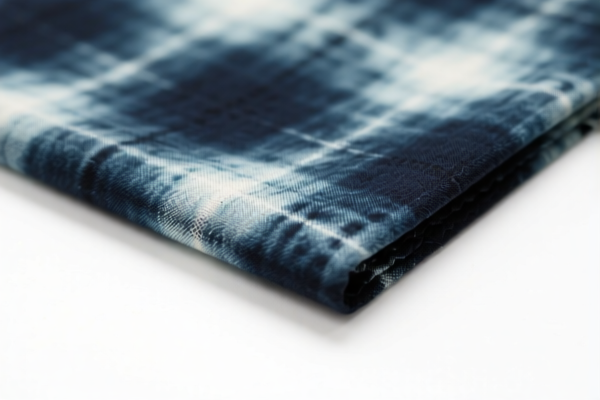
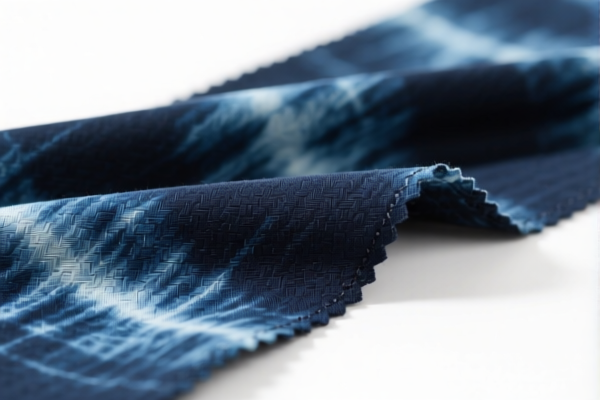
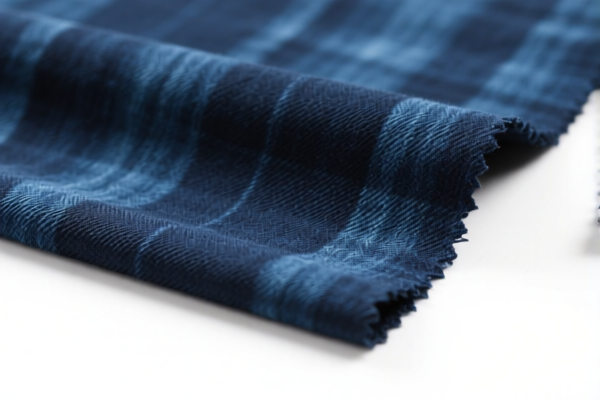
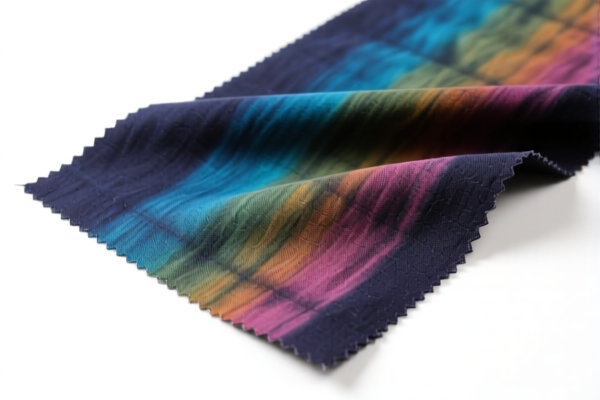
AI Analysis
🧵 Viscose Mixed Color Grey Fabric (The "Heathered" Grey)
🌐 HS Code Reference & Customs Clearance Guide | 2026 Latest Tariff Analysis | Professional Level Strategy
📌 I. Product Definition & Classification: Do You Really Understand "Mixed Color Grey"?
Viscose Mixed Color Grey Fabric, often referred to in the industry as "Heathered Grey" or "Melange Grey," is a textile produced by blending grey and white (or other light-colored) yarns before weaving or knitting, or by using pre-dyed grey viscose fibers mixed with undyed or lighter fibers. This creates a soft, textured grey appearance rather than a solid-dyed uniform grey.
Key Distinction in Textiles:
Solid Dyed Fabric: The grey color is applied after the fabric is woven/knitted.
Mixed Color (Heathered) Fabric: The grey color is inherent in the yarn/fiber stage before weaving.
⚠️ Critical Classification Point:
- The method of production (blending vs. dyeing) does not change the HS Code if the fiber composition remains Viscose.
- However, declaring it as "Viscose" (Regenerated Cellulose Fiber) is crucial. It is NOT Polyester (Synthetic) or Cotton (Natural). Misclassification here leads to duty shocks.
📦 II. HS Code Classification Details (2026 Latest Tariff Authority Comparison)
| HS Code | Product Description | Applicable Scenario | Key Identification Feature |
|---|---|---|---|
5407.51.00.00 |
Woven fabrics of viscose filament yarn, mixed mainly or solely with synthetic filament yarn | Viscose-Polyester blends (common in apparel) | Woven, contains Filament Viscose |
5407.52.00.00 |
Woven fabrics of viscose staple fibre yarn | Woven grey fabric using spun viscose (short fibers) | Woven, Staple Fibre Viscose |
6006.32.00.00 |
Knitted or crocheted fabrics of man-made fibres, containing >=50% viscose staple fibre | Knit jersey, interlock, or rib grey fabric | Knitted/Crocheted, Viscose Staple |
5519.40.00.00 |
Woven fabrics of acrylic or modacrylic fibres, mixed mainly or solely with viscose staple fibre | Rare: Acrylic-Viscose blends looking like grey | Acrylic dominant (check label) |
5512.21.00.00 |
Woven fabrics of synthetic fibres, mainly or solely viscose staple fibre, weighing <=170g/m² | Lightweight grey viscose twill or poplin | <170gsm, Staple Fibre |
🔍 Key Reminder:
- Most common "Viscose Grey Fabric" for apparel is Viscose Staple Fibre.
- If it is Filament (smooth, silky feel), it falls under Chapter 54 (Filament).
- If it is Staple (soft, cotton-like feel), it falls under Chapter 55 (Staple Fibre) or Chapter 60 if Knitted.
- Mixed Color does not add a separate HS code; it is described in the declaration, not the tariff number.
💰 III. 2026 Latest Tariff Rate Details (Detailed Tax Clauses)
✅ Applicable Country: United States (US)
✅ Origin: China (CN)
✅ Effective Date: Post-2025 Tariff Regulations (Section 301 & IEEPA)
🎯 1. Woven Viscose Staple Fibre Fabric (5512.21.00.00 or 5519.40.00.00 variants)
| Item | Content |
|---|---|
| Base MFN Rate | 16.0% - 18.0% (varies by weight <170gsm vs >170gsm) |
| USITC Additional Duty | +7.5% (General Section 301 Rate for Textiles from China) |
| IEEPA Additional Duty | +10% (Specific to Chinese-origin textiles under recent executive orders) |
| Total Duty Rate | ~33.5% - 35.5% |
| Tax Calculation | CIF Value × Total Rate |
| De Minimis Eligibility | ❌ No (Textiles >$800 are subject to duties; < $800 may be exempt but high risk for commercial shipments) |
| Legal Basis Path | USITC:5512.21.00.00 → FOOTNOTE:9903.88.01 → IEEPA:9903.01.25 |
📌 Explanation:
- Viscose is classified as "Man-Made Fibre" (Synthetic equivalent for duty purposes in many contexts).
- China-origin textiles face double penalties: MFN Base + Section 301 + IEEPA.
- "Mixed Color" (Heathered) does not reduce duty. It may trigger stricter scrutiny for "Origin Verification" to ensure the grey dye/fiber is not masking non-compliant sourcing.
🎯 2. Knitted Viscose Fabric (6006.32.00.00)
| Item | Content |
|---|---|
| Base MFN Rate | 12.0% - 14.0% |
| USITC Additional Duty | +7.5% |
| IEEPA Additional Duty | +10% |
| Total Duty Rate | ~29.5% - 31.5% |
| De Minimis Eligibility | ❌ No |
| Legal Basis Path | USITC:6006.32.00.00 → FOOTNOTE:9903.88.01 |
📌 Note:
- Knitted fabrics often have slightly lower base rates than woven, but the additional taxes remain the same.
- Ensure the fabric weight (GSM) is clearly stated, as it affects the sub-heading within Chapter 60.
🛠️ IV. Customs Clearance Practical Advice (Battle-Tested Pitfall Guide)
✅ 1. Required Documentation Checklist (Non-Negotiable)
| Document | Required | Description |
|---|---|---|
| ✅ Commercial Invoice | ✔️ | Must specify "Viscose Mixed Color Grey Woven/Knitted Fabric" |
| ✅ Packing List | ✔️ | Net/Gross weight, number of rolls, dimensions |
| ✅ Certificate of Origin (CO) | ✔️ | Critical for proving Chinese origin to apply correct 301/IEEPA rates |
| ✅ Fiber Content Label | ✔️ | Must state "100% Viscose" or "Viscose Blend %" accurately |
| ✅ Test Report (Oeko-Tex/REACH) | ✔️ | Proves dye safety, especially for "grey" dyes which may use heavy metals |
| ✅ GSM (Grams per Square Meter) | ✔️ | Determines exact sub-heading (e.g., <170gsm vs >170gsm) |
✅ 2. Declaration Best Practices (Key Mnemonics)
🔥 "Fiber Type First, Weight Second, Color Third, Origin Last!"
| Scenario | Correct Declaration | Wrong Practice |
|---|---|---|
| Woven, Viscose Staple, 200gsm | 5512.21.00.00 "Woven fabric of viscose staple fibre, 200gsm, mixed color grey" |
"Grey Fabric" (Too vague) |
| Knitted, Viscose/Poly Blend | 6006.32.00.00 "Knitted viscose fabric, 55% viscose, 45% polyester" |
"Cotton-Look Fabric" (Misleading) |
| Filament Viscose | 5407.51.00.00 "Woven viscose filament fabric" |
"Silk-Look Fabric" (Wrong HS) |
✅ 3. Special Handling Cases
| Case | Handling Advice |
|---|---|
| Viscose-Cotton Blend | If <50% Viscose, it may be classified as Cotton (5208.xx or 5209.xx) with different duties. Check blend ratio carefully! |
| "Grey" Meaning Undyed | If "Grey" means raw/undyed, declare as "Unbleached". If it means dyed/heathered, declare as "Dyed". Duty rates can differ slightly. |
| Small Sample Shipments | < $800 may pass de minimis, but Section 301 taxes are still legally applicable. High-risk for audits. |
| Recycled Viscose | If made from recycled waste, still classified under Viscose. No special green tariff in US. |
🌍 V. Global Market Customs Comparison (2026 Latest)
| Country/Region | Recommended HS Code | Duty Rate | Certification Required | Notes |
|---|---|---|---|---|
| 🇺🇸 USA | 5512.21.00.00 / 6006.32.00.00 |
~30-35% | FDA (if textile contact), Oeko-Tex | High Duty due to IEEPA/301 |
| 🇪🇺 EU | 5513.41.00 / 6006.30 |
0-6.5% | REACH Compliance | Low Duty if REACH compliant |
| 🇬🇧 UK | 5513.41.00 / 6006.30 |
0-6.5% | UK REACH | Post-Brexit rules apply |
| 🇨🇳 China (Import) | 5512.21.00 / 6006.32.00 |
5-10% | CCC (if specific use) | Lower barrier for imports |
| 🇯🇵 Japan | 5513.41.00 / 6006.30 |
0-8% | FSC (Forest Stewardship Council) | For viscose, sustainability certs help |
📌 Conclusion:
- US Market: Highest cost burden due to 30%+ effective duty.
- EU/UK/Japan: Much more favorable, but strict on chemical safety (REACH).
- "Mixed Color": No duty benefit anywhere. It is a visual feature, not a fiber classification.
📌 VI. Common Mistakes & Pitfall Guide (Blood & Tears Lessons)
❌ Mistake 1: Declaring "Viscose" when it is "Polyester-Viscose Blend"
👉 Consequence: If viscose <50%, HS Code changes to Polyester (5407.51). Duty rate changes. Under-declaration risk.
❌ Mistake 2: Using "Grey Fabric" without specifying GSM
👉 Consequence: Customs may assign the higher weight category (>170gsm) or demand a sample. Delays + Storage Fees.
❌ Mistake 3: Assuming "Mixed Color" means "Cotton"
👉 Consequence: Viscose is regenerated cellulose. Cotton is natural. Different HS Codes (5208 vs 5512). Misclassification Penalty.
❌ Mistake 4: Ignoring IEEPA Impact
👉 Consequence: Budgeting only for MFN rate (16%) instead of Total (35%). Profit Margin Erosion.
✅ Correct Declaration Example:
"Woven Fabric, 100% Viscose Staple Fibre, 180gsm, Mixed Color Grey (Heather), Dyed, Origin China"
🎯 VII. Conclusion: Professional Declaration Saves Money!
🎯 Remember Mnemonics:
🔹 "Fiber First, Weight Second, Origin Last!"
🔹 "Viscose is Man-Made, Duty is High, IEEPA Strikes Twice!"
🔹 "Heathered is Visual, Not Tariff!"
📌 Pro Tip:
If your Viscose Fabric is Recycled or Sustainably Sourced, obtain GRS (Global Recycled Standard) certification. While it doesn't change US duty, it helps with EU CBAM and brand compliance, adding value beyond tax savings.
📣 Immediate Action:
📞 Verify Fiber Content (Viscose % vs Blend)
📊 Calculate Total Duty (Base + 301 + IEEPA)
📝 Declare "Mixed Color" in Description, Not HS Code
🚀 Clear Customs Smoothly, Maximize Profit!
✨ Professional Customs Clearance Starts with Precise Classification!
💼 Your Every Cent of Duty is Worth Calculating!
Customer Reviews
About HS Code Classification
The Harmonized System (HS) is an internationally standardized nomenclature developed by the World Customs Organization (WCO) to classify traded products. Over 200 countries use the HS system as the basis for customs tariffs, trade statistics, and import/export regulations.
Each HS code follows a hierarchical structure:
- Chapter (2 digits) — Broad category of goods (e.g., Chapter 84: Machinery and Mechanical Appliances)
- Heading (4 digits) — More specific grouping within the chapter
- Subheading (6 digits) — Internationally standardized breakdown, used by all WCO member countries
- National subdivisions (8-10 digits) — Country-specific extensions for further classification, such as US HTSUS 10-digit codes
Correct HS code classification is essential for smooth customs clearance, accurate duty payment, and compliance with trade regulations. Misclassification can lead to customs delays, overpayment of duties, or penalties.
When importing from CN to US, the applicable tariff rates may include:
- Most-Favored-Nation (MFN) rate — The standard duty rate applied to WTO members
- General rate — Applied to countries without trade agreements
- Trade remedy duties — Additional tariffs such as Section 301 (anti-dumping), Section 232 (national security), or countervailing duties
The information provided on this page is for reference purposes only. For official classification, please consult with your local customs authority or a licensed customs broker.