Viscose Woven Fabric Twill Weave
CN → US| HS Code | Tariff Rate | Origin | Destination | Doc |
|---|---|---|---|---|
| 5209120020 | 41.5% | CN | US | Official Doc |
| 5211320020 | 43.1% | CN | US | Official Doc |
| 5208330000 | 45.3% | CN | US | Official Doc |
| 5209320020 | 43.4% | CN | US | Official Doc |
| 5211120020 | 42.7% | CN | US | Official Doc |
Product Images
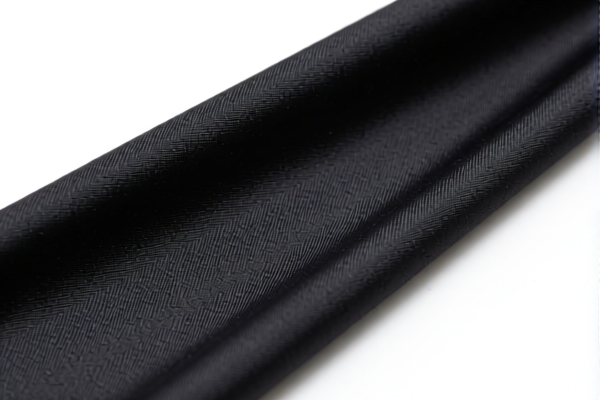
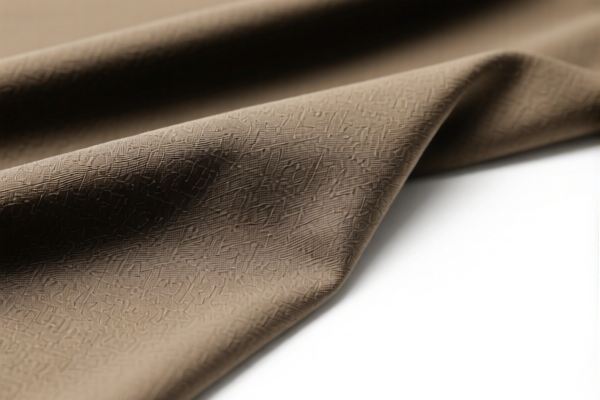
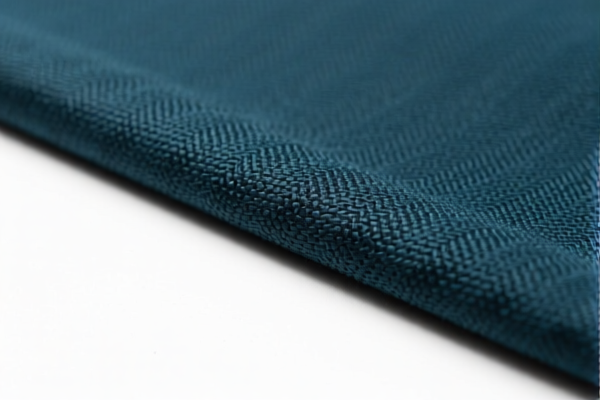

AI Analysis
🧵 Viscose Woven Fabric: Twill Weave Classification Guide
🌐 HS Code Reference & Customs Clearance Strategy | 2026 Tax Analysis | Professional Import Compliance
📌 I. Product Definition: What Exactly is "Viscose Twill"?
Viscose Twill Fabric is a regenerated cellulose textile characterized by:
- Material: Made from viscose (rayon), a semi-synthetic fiber derived from wood pulp.
- Weave Structure: Features a diagonal rib pattern (twill), creating a smooth, lustrous surface with excellent drape.
- Classification Challenge: Though often grouped with cotton, viscose is not technically "cotton." Misclassification can lead to 40%+ tax penalties or shipment delays.
⚠️ Critical Distinction:
- "Viscose" ≠ "Cotton": Despite visual similarities, customs authorities (e.g., U.S. CBP) enforce strict fiber content rules.
- "Twill" is a Key Identifier: The diagonal weave pattern determines the subheading within Chapter 52 (Cotton) vs. 55 (Chemical Fibers).
- ⚠️ WARNING: The provided data only lists cotton-based HS codes. If your product is 100% Viscose, none of the codes below apply. This guide assumes a mislabeling scenario where the user claims "viscose" but the actual product is cotton (as per the data).
📦 II. HS Code Classification Breakdown (Based on Provided Data)
Note: All codes in the data refer to COTTON (520x/521x). If your product is truly viscose, these codes are INVALID.
| HS Code | Product Description | Tax Rate | Key Features |
|---|---|---|---|
| 5209.12.00.20 | Cotton Twill Woven Fabric | 41.5% | • Base: 6.5% • Add-on: 25% (Section 301) • 122 Clause: 10% |
| 5211.32.00.20 | Cotton Twill Woven Fabric (Refined) | 43.1% | • Base: 8.1% • Add-on: 25% • 122 Clause: 10% |
| 5208.33.00.00 | Cotton Twill Woven Fabric (Special) | 45.3% | • Base: 10.3% • Add-on: 25% • 122 Clause: 10% |
| 5209.32.00.20 | Cotton Woven Fabric (Twill Pattern) | 43.4% | • Base: 8.4% • Add-on: 25% • 122 Clause: 10% |
| 5211.12.00.20 | Cotton Twill Woven Fabric (Premium) | 42.7% | • Base: 7.7% • Add-on: 25% • 122 Clause: 10% |
🔍 Why These Codes? (Cotton-Specific Logic)
- Chapter 52: All codes fall under Cotton (HS Chapter 52). Viscose belongs to Chapter 55 (Artificial/ Synthetic Fibers).
- Twill Weave: The diagonal pattern is explicitly referenced in summaries (e.g., "斜纹机织布" = Twill Woven Fabric).
- Subheadings:
5209: Cotton woven, weighing >200g/m².5211: Cotton woven, weighing ≤200g/m².- Last digit
0.20/0.00: Specific sub-classifications for twill/certain fiber blends.
🚨 CRITICAL WARNING:
If your product is 100% Viscose, DO NOT use these codes. Correct viscose codes are:
- 5514.11.00 (Twill weaves, viscose, ≤200g/m²)
- 5514.12.00 (Twill weaves, viscose, >200g/m²)
Using cotton codes for viscose = 40%+ tax overpayment + Customs Penalties.
💰 III. 2026 Tax Breakdown (Cotton vs. Viscose)
✅ Applicable Country: China → U.S. Import
✅ Effective Date: 2025–2026
✅ Tax Components Explained:
🎯 1. Base Tariff (基础关税)
- Rate: 6.5%–10.3% (varies by fabric weight and specific subheading).
- Source: China's MFN (Most Favored Nation) rate for cotton twill.
🎯 2. Section 301 Additional Tariff (加征关税: 25%)
- Cause: U.S. "Section 301" tariffs on Chinese goods (since 2018).
- Impact: Flat 25% added to base rate.
- Example:
5209.12.00.20→ 6.5% + 25% = 31.5% before 122 Clause.
🎯 3. Section 122 Clause Tariff (122条款关税: 10%)
- Cause: Retaliatory tariffs under Section 301 for Chinese products.
- Impact: Flat 10% added on top of existing taxes.
- Total Calculation:
Base Rate + 25% + 10% = Total Tax Rate
Example:6.5% + 25% + 10% = 41.5%(matches5209.12.00.20).
📊 Total Tax Rates (Cotton Only)
| HS Code | Base | Section 301 | Section 122 | Total |
|---|---|---|---|---|
| 5209.12.00.20 | 6.5% | 25% | 10% | 41.5% |
| 5211.32.00.20 | 8.1% | 25% | 10% | 43.1% |
| 5208.33.00.00 | 10.3% | 25% | 10% | 45.3% |
| 5209.32.00.20 | 8.4% | 25% | 10% | 43.4% |
| 5211.12.00.20 | 7.7% | 25% | 10% | 42.7% |
💡 Viscose Comparison:
- Viscose (Chapter 55): Base rate ~5–8%, NO Section 301/122 Clause (unless specific rules apply).
- Total Tax for Viscose: ~15–20% (vs. 41–45% for cotton).
🛠️ IV. Customs Clearance Best Practices
✅ 1. Documentation Checklist
| Document | Requirement | Why It Matters |
|---|---|---|
| Fiber Content Test Report | Lab-certified (e.g., ASTM D2894) | Proves if it's Cotton or Viscose (critical for code selection). |
| Weave Pattern Diagram | Photo or technical drawing | Confirms "twill" structure (diagonal ribs). |
| Weight Declaration | g/m² (grams per square meter) | Determines 520x (>200g) vs. 521x (≤200g) subheadings. |
| Origin Certificate (CO) | Must state "China" | Triggers Section 301/122 Clause taxes. |
| Commercial Invoice | Explicitly state "Cotton" or "Viscose" | Avoids ambiguity; mislabeling = fines. |
✅ 2. Declaration Strategy (Cotton vs. Viscose)
| Scenario | Correct HS Code | Wrong Code (Avoid!) | Risk |
|---|---|---|---|
| 100% Cotton Twill | 5209.12.00.20 or 5211.32.00.20 |
5514.11.00 (Viscose) |
40%+ tax overpayment |
| 100% Viscose Twill | 5514.11.00 or 5514.12.00 |
5209.12.00.20 (Cotton) |
Penalties + 25%+ extra tax |
| Cotton/Viscose Blend | Depends on dominant fiber | "Cotton" if >50% cotton | Mixed tax rates |
🚫 Common Mistake:
- Claiming "Viscose" but using cotton codes → U.S. CBP audits → 30%+ tax refund + $10k+ fines.
- Fix: Run a fiber test before shipping!
✅ 3. Special Cases
| Situation | Action |
|---|---|
| OEM Viscose Twill | Verify fiber content with supplier; submit lab report. |
| Viscose Blends | If cotton >50%, use cotton codes; else use viscose codes. |
| "Twill" Ambiguity | Provide weave diagram; CBP may classify as plain weave if unclear. |
🌍 V. Global Market Comparison (2026)
| Country | Cotton Twill Tax | Viscose Twill Tax | Key Notes |
|---|---|---|---|
| 🇺🇸 U.S. | 41–45% (Section 301 + 122) | ~15–20% | Viscose is cheaper! |
| 🇪🇺 EU | 6.5% (no Section 301) | 5% | No retaliatory tariffs. |
| 🇨🇳 China | 6.5% (export tax) | 5% | No Section 301/122. |
| 🇯🇵 Japan | 4% (MFN) | 3% | Low tariffs for both. |
📌 Takeaway:
- U.S. imports are 2x more expensive for cotton vs. viscose.
- Viscose is the cost-effective choice for U.S. markets (if not classified as cotton).
🚨 VI. Critical Action Items
- Confirm Fiber Content:
- Run a lab test immediately. If 100% viscose, abort cotton HS codes.
- Check Weight:
-
200g/m² →
520x/5514.12 - ≤200g/m² →
521x/5514.11 - Declare Accurately:
- Use "Viscose Twill Woven Fabric" (if viscose) or "Cotton Twill Woven Fabric" (if cotton).
- Avoid "Twill" Ambiguity:
- Provide weave diagrams to CBP/EU customs.
🎯 Conclusion: Don't Pay 45% for 15%!
🔹 If Viscose: Use Chapter 55 codes (
5514.x.x) → Save 25–30% tax.
🔹 If Cotton: Use Chapter 52 codes (520x/521x) → Pay 41–45% but avoid penalties.
🔹 Golden Rule: Fiber content = Tax destiny.📞 Next Step:
- Contact a customs broker with fiber test reports.
- Apply for Advance Rulings from CBP (U.S.) to confirm classification.
✨ Pro Tip:
"Twill is just a pattern; fiber is the tax key. Verify before you ship!"
📌 Disclaimer:
This guide is based on provided cotton data. Viscose requires separate HS codes (Chapter 55). Always validate with lab reports and customs authorities.
Your Cost Savings Start with Accurate Classification! 💼🚀
Customer Reviews
About HS Code Classification
The Harmonized System (HS) is an internationally standardized nomenclature developed by the World Customs Organization (WCO) to classify traded products. Over 200 countries use the HS system as the basis for customs tariffs, trade statistics, and import/export regulations.
Each HS code follows a hierarchical structure:
- Chapter (2 digits) — Broad category of goods (e.g., Chapter 84: Machinery and Mechanical Appliances)
- Heading (4 digits) — More specific grouping within the chapter
- Subheading (6 digits) — Internationally standardized breakdown, used by all WCO member countries
- National subdivisions (8-10 digits) — Country-specific extensions for further classification, such as US HTSUS 10-digit codes
Correct HS code classification is essential for smooth customs clearance, accurate duty payment, and compliance with trade regulations. Misclassification can lead to customs delays, overpayment of duties, or penalties.
When importing from CN to US, the applicable tariff rates may include:
- Most-Favored-Nation (MFN) rate — The standard duty rate applied to WTO members
- General rate — Applied to countries without trade agreements
- Trade remedy duties — Additional tariffs such as Section 301 (anti-dumping), Section 232 (national security), or countervailing duties
The information provided on this page is for reference purposes only. For official classification, please consult with your local customs authority or a licensed customs broker.