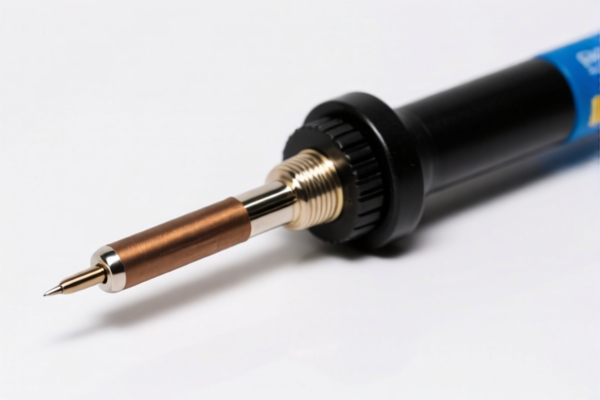
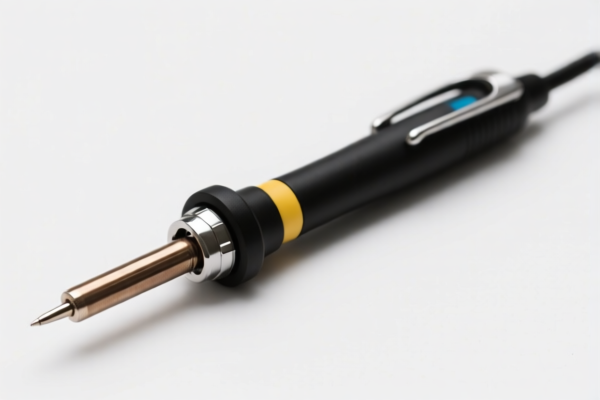
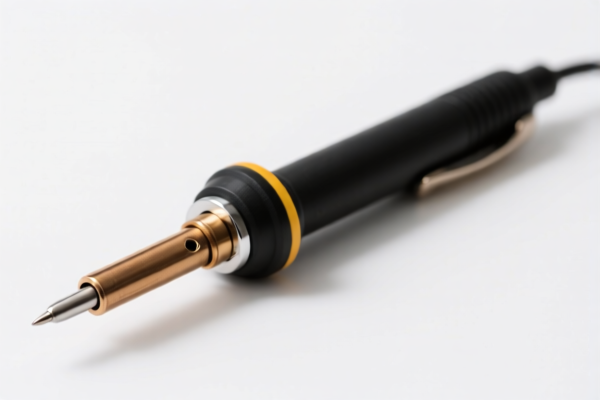
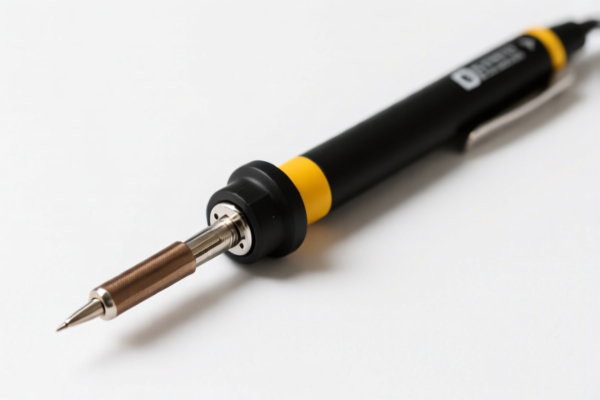
Voltage Tester Pen
CN → US| HS Code | Tariff Rate | Origin | Destination | Doc |
|---|---|---|---|---|
| 8543709860 | 37.6% | CN | US | Official Doc |
| 8543709500 | 35.0% | CN | US | Official Doc |
Product Images
AI Analysis
🖊️ Voltage Tester Pen (Electrical Testing Instruments)
🌐 HS Code Reference & Customs Clearance Guide | 2026 Latest Tariff Analysis | Professional Clearance Strategy
📌 I. Product Definition and Classification: Do You Really Understand the "Voltage Tester Pen"?
The Voltage Tester Pen (also known as a Test Pen, Neon Test Screwdriver, or Non-Contact Voltage Detector) is a fundamental tool for electricians and DIY enthusiasts to verify the presence of voltage in electrical circuits. In international trade, these devices fall under the chapter of "Electrical machines and apparatus, having individual functions, not specified or included elsewhere in this chapter."
Crucially, the classification depends entirely on the detection technology and functional specificity:
1. General Voltage Testers: Devices that perform the general function of detecting voltage without being specified elsewhere in Chapter 85 (such as specific protective devices or measuring instruments in Chapter 90). These are typically classified as "Other machines and apparatus."
2. Touch-Sensitive Data Input Devices (Special Case): While rare for simple pen testers, if a device functions primarily as a touch-sensitive input (e.g., a stylus with capacitive sensing technology for controlling a display, even without a built-in display) and is designed to be incorporated into apparatus with a display, it may fall under a specific sub-category of touch screens.
⚠️ Key Distinction Point:
- If the device is a standard voltage detection tool (neon lamp, LED, or simple digital display for voltage presence) → It is classified as "Other machines and apparatus" under 8543.70.
- If the device is marketed and technically functions as a touch screen controller/input device (using capacitive/resistive sensing for computer interaction) → It may fall under 8543.70.95.00.
- Standard electrician test pens NEVER fall under "Touch Screens" unless they are specifically designed as computer input peripherals. Most voltage testers are general-purpose electrical apparatus.
📦 II. HS Code Classification Details (2026 Latest Tariff Authority Reference)
Based on the provided <DATA>, here are the two relevant HS Codes for "Voltage Tester Pens" depending on their specific technical nature and marketing:
| HS Code | Product Description | Application Scenario | Detection Technology |
|---|---|---|---|
8543.70.98.60 |
Other machines and apparatus: Other: Other: Other | Standard Voltage Testers: Neon test pens, LED non-contact voltage detectors, general purpose electrical safety testers | ✅ General Electrical Function (Voltage Detection) |
8543.70.95.00 |
Touch-sensitive data input devices ("touch screens") without display capabilities | Specialized Input Devices: Styluses or sensors designed to detect touch location for incorporation into display apparatus (e.g., capacitive sensors for tablets/Kiosks) | ✅ Touch Sensing (Resistive, Capacitive, IR, etc.) |
🔍 Critical Reminder for Voltage Testers:
- 99% of Voltage Tester Pens (Neon, LED, Digital) are classified under8543.70.98.60because they are "Electrical machines... having individual functions" not specified elsewhere. They are NOT touch-screen input devices.
- Do NOT misclassify a standard voltage tester as8543.70.95.00(Touch Screen). This is a common error that leads to incorrect duty assessments.
- Only if the "pen" is a computer peripheral (like a digitizer stylus) should it be considered for8543.70.95.00.
💰 III. 2026 Latest Tariff Rate Details (Detailed Breakdown)
✅ Applicable Country: United States (US)
✅ Origin: China (CN)
✅ Effective Date: From 2025/2026 (Current Trade Rules)
🎯 1. 8543.70.98.60 —— Standard Voltage Tester Pen (General Electrical Apparatus)
| Item | Content |
|---|---|
| Base Tariff Rate | 2.6% (ad valorem) |
| Section 301 Additional Tariff | +25.0% (USITC Footnote 9903.88.01) |
| Total Tariff Rate | 27.6% |
| Tax Calculation | CIF Value × 27.6% |
| De Minimis Exemption | ❌ Not Applicable (Subject to full duties) |
| Legal Basis Path | HTSUS:8543.70.98.60 → Section 301 List 4 → Total: 27.6% |
📌 Explanation:
- The base duty for "Other electrical machines and apparatus" is low (2.6%).
- However, due to ongoing trade tensions, Section 301 tariffs add a significant 25% for Chinese-origin goods in this category.
- Total Liability: 27.6%. This is a moderate-to-high tariff burden. Importers must factor this into landed cost calculations.
🎯 2. 8543.70.95.00 —— Touch-Sensitive Data Input Device (Special Case)
| Item | Content |
|---|---|
| Base Tariff Rate | 0.0% (ad valorem) |
| Section 301 Additional Tariff | +25.0% |
| Total Tariff Rate | 25.0% |
| Tax Calculation | CIF Value × 25.0% |
| De Minimis Exemption | ❌ Not Applicable |
| Legal Basis Path | HTSUS:8543.70.95.00 → Section 301 List 4 → Total: 25.0% |
📌 Note:
- While the base rate is 0%, the 25% Section 301 tariff still applies.
- Total Liability: 25.0%.
- Strategic Implication: If a device could technically qualify as both a general electrical tester and a touch input device (rare, but possible in ambiguous digital styluses),8543.70.95.00offers a 2.6% savings. However, misclassification carries severe penalties. Stick to8543.70.98.60for genuine voltage testers.
🛠️ IV. Customs Clearance Practical Advice (Real-World Pitfall Guide)
✅ 1. Documentation Checklist (Missing Items = Delays)
| Document | Mandatory? | Explanation |
|---|---|---|
| ✅ Product Specification Sheet | ✔️ | Must clearly state: "Voltage Tester," "Non-Contact Voltage Detector," or "Test Pen." Include voltage range (e.g., 12V-1000V). |
| ✅ Function Description | ✔️ | Explicitly state: "Device detects presence of AC/DC voltage." Do NOT describe it as a "Touch Screen" or "Data Input Device" unless it is one. |
| ✅ Product Photos | ✔️ | Clear images of the pen, showing branding, model number, and any digital display. |
| ✅ Commercial Invoice | ✔️ | Must match the HS Code. Use precise language: "Electric Voltage Test Pen, Model XYZ." |
| ✅ Certifications | ✔️ | UL, CE, or RoHS certificates. Safety equipment requires proof of compliance. |
✅ 2. Declaration Tips (Key Mantra)
🔥 "Function First, Tech Second, Name Precise, Tariff Correct!"
| Scenario | Correct Declaration | Incorrect Practice |
|---|---|---|
| Standard Neon/LED Test Pen | HS: 8543.70.98.60Name: "Voltage Tester Pen" |
❌ Misclassifying as 9031.80 (Measuring instruments) → Potential duty dispute. |
| Digital Non-Contact Detector | HS: 8543.70.98.60Name: "Digital Voltage Tester" |
❌ Claiming 0% duty by calling it a "Tool" → Audit risk. |
| Capacitive Stylus for iPad | HS: 8543.70.95.00Name: "Touch Screen Input Device" |
❌ Calling it a "Voltage Tester" when it's a stylus → Wrong duty base. |
| Mixed Shipment (Testers + Multimeters) | Split Declaration | ❌ Grouping all under one HS code → Misclassification. |
📌 Crucial Advice:
- Voltage Testers are NOT "Measuring Instruments" (Chapter 90) in many tariff interpretations because they often lack precision measurement (only indication). They are "Individual Function Machines" (Chapter 85).
- If your device measures voltage digitally (e.g., reads "120V"), some may argue for Chapter 90, but indication-only devices (Neon/LED/Digital "Yes/No") are firmly 8543.70.98.60.
- Do not use the "Touch Screen" code (8543.70.95.00) for voltage testers. It is for input devices for computers/displays, not electrical safety tools.
🌍 V. Global Market Comparison (2026 Update)
| Country/Region | Recommended HS Code | Tariff Rate (China Origin) | Certification Required | Notes |
|---|---|---|---|---|
| 🇺🇸 USA | 8543.70.98.60 |
27.6% (2.6% Base + 25% Sec 301) | UL, FCC (if digital) | High tariff impact. |
| 🇨🇳 China | 8543.70.98.60 |
0% - 2% (Import Duty) | CCC (if applicable) | Low import duty. |
| 🇪🇺 EU | 8543.70.98.60 |
0% | CE, RoHS, WEEE | No additional tariffs under current GSP. |
| 🇬🇧 UK | 8543.70.98.60 |
0% | UKCA, CE | Post-Brexit zero tariff for many tools. |
| 🇦🇺 Australia | 8543.70.98.60 |
5% | RCM | Moderate duty. |
📌 Conclusion:
- The USA is the most expensive market due to the 25% Section 301 surcharge.
- EU, UK, and China offer significant tariff advantages (0-2%).
- Strategy: For US-bound shipments, consider supply chain diversification or accurate classification to avoid penalties. For EU/UK, ensure CE/UKCA compliance is robust to avoid customs holds.
📌 VI. Common Errors & Pitfall Guide (Lessons Learned)
❌ Error 1: Classifying Voltage Testers as "Tools" (Chapter 82)
👉 Consequence: Wrong HS Code. Electrical tools are Chapter 85. Tools like wrenches are Chapter 82. Misclassification leads to immediate rejection or fine.
❌ Error 2: Using "Touch Screen" Code (8543.70.95.00) for Test Pens
👉 Consequence: Even though the tariff is slightly lower (25% vs 27.6%), it is technically incorrect. Customs may impose penalties for fraud/misdeclaration. Only use if it is truly a data input stylus.
❌ Error 3: Ignoring Section 301 Tariffs
👉 Consequence: Importers planning for 2.6% duty only, unaware of the 25% addition. Result: Unexpected 27.6% liability.
✅ Correct Declaration Example:
"Voltage Tester Pen, Non-Contact, AC/DC Detection, LED Indicator, Model VT-100, UL Listed, Chinese Origin"
HS Code:8543.70.98.60
🎯 VII. Conclusion: Precision in Classification Saves Money!
🎯 Remember the Mantra:
🔹 "General Voltage Test = 8543.70.98.60 (27.6% Total)"
🔹 "Touch Input Stylus = 8543.70.95.00 (25.0% Total)"
🔹 "Do NOT Mix Up Tools and Electrical Apparatus!"
📌 Pro Tip:
If your voltage tester is a simple neon lamp type, it is unambiguously
8543.70.98.60.
If it is a complex digital device with data logging, ensure it is still considered "Individual Function" and not "Measuring Instrument" (Chapter 90). When in doubt, apply for an Advance Ruling from US Customs and Border Protection (CBP) to secure the correct tariff code and avoid post-clearance audits.
📣 Immediate Action:
📞 Contact a licensed customs broker
📄 Provide product datasheet and circuit diagram
✅ Verify HS Code8543.70.98.60for accurate 27.6% tariff calculation
🚀 Ensure smooth customs clearance with zero surprises!
✨ Professional Clearance Starts with Accurate Classification!
💼 Your profit margin depends on the last 2.6% or 25%!
Customer Reviews
About HS Code Classification
The Harmonized System (HS) is an internationally standardized nomenclature developed by the World Customs Organization (WCO) to classify traded products. Over 200 countries use the HS system as the basis for customs tariffs, trade statistics, and import/export regulations.
Each HS code follows a hierarchical structure:
- Chapter (2 digits) — Broad category of goods (e.g., Chapter 84: Machinery and Mechanical Appliances)
- Heading (4 digits) — More specific grouping within the chapter
- Subheading (6 digits) — Internationally standardized breakdown, used by all WCO member countries
- National subdivisions (8-10 digits) — Country-specific extensions for further classification, such as US HTSUS 10-digit codes
Correct HS code classification is essential for smooth customs clearance, accurate duty payment, and compliance with trade regulations. Misclassification can lead to customs delays, overpayment of duties, or penalties.
When importing from CN to US, the applicable tariff rates may include:
- Most-Favored-Nation (MFN) rate — The standard duty rate applied to WTO members
- General rate — Applied to countries without trade agreements
- Trade remedy duties — Additional tariffs such as Section 301 (anti-dumping), Section 232 (national security), or countervailing duties
The information provided on this page is for reference purposes only. For official classification, please consult with your local customs authority or a licensed customs broker.