Wadding, wools and cotton
CN → US| HS Code | Tariff Rate | Origin | Destination | Doc |
|---|---|---|---|---|
| 5601210010 | 38.6% | CN | US | Official Doc |
| 5601290020 | 39.0% | CN | US | Official Doc |
Product Images
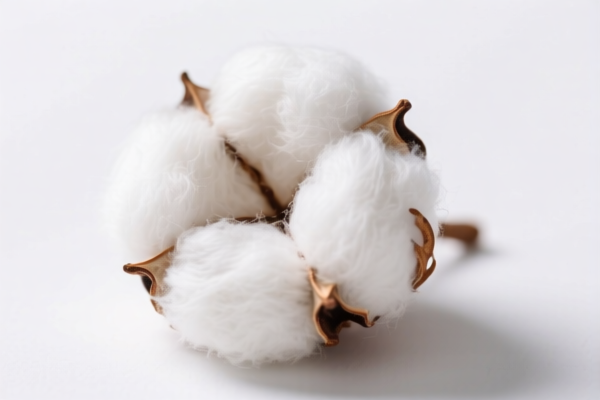
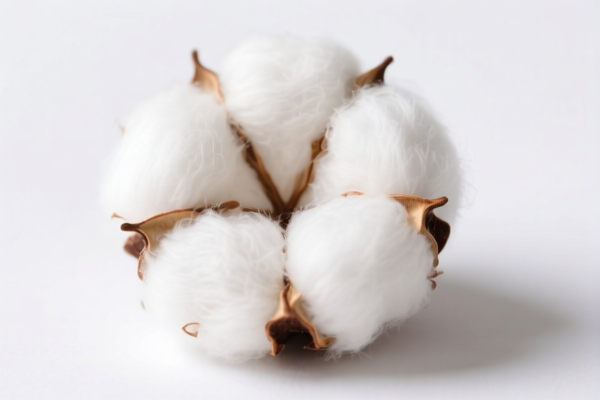
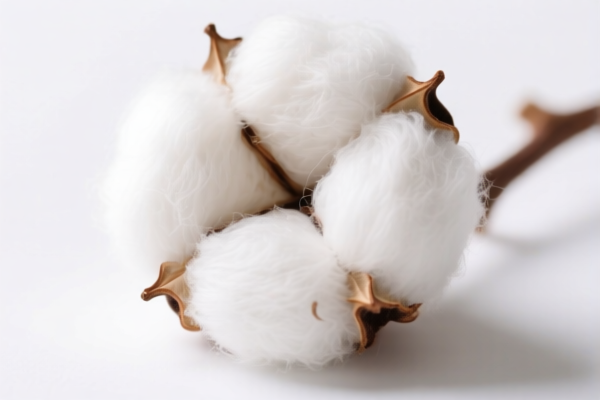
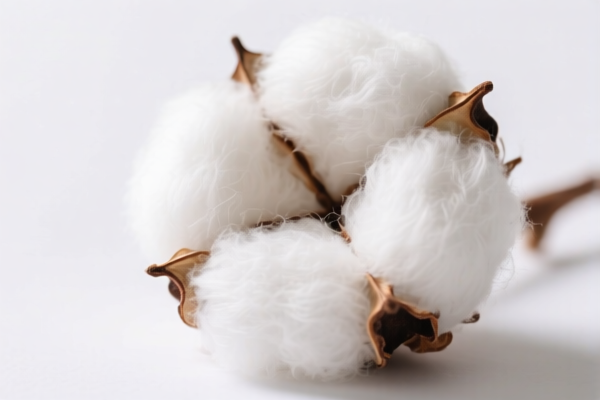
AI Analysis
🧶 Wadding, Wool & Cotton: Classification & Customs Clearance Guide | 2026 Tariff Analysis | Professional Clearance Strategy
📌 Product Overview: What Exactly is "Wadding"?
In the world of textiles, "wadding" refers to fluffy, layered mats of textile fibers used for padding, stuffing, insulation, or medical dressings. It is distinct from woven fabrics or yarns. The classification depends entirely on the raw material source (Cotton vs. Wool/Fine Animal Hair).
According to the provided , these goods fall under Chapter 56: Wadding of textile materials and articles thereof.
⚠️ Critical Distinction:
- Cotton Wadding (specifically "in the piece") has a specific subheading.
- Wool/Fine Animal Hair Wadding falls under "Other".
- Tax Rate Note: According to the provided data, both categories currently show a 0.0% Total Tax. However, this must be verified against the specific trade agreement (e.g., USMCA, GSP, or Section 301 tariffs) and the country of origin. Do not assume 0% applies universally without checking origin rules.
📦 HS Code Classification Details (Based on Provided Data)
| HS Code | Product Description | Material Type | Key Characteristics |
|---|---|---|---|
5601.21.00.10 |
Wadding of textile materials: Of cotton, in the piece | 🇨🇩 Cotton | Must be in "piece" form (rolls/sheets). Used for medical, industrial, or household padding. |
5601.29.00.20 |
Wadding of textile materials: Other, Of wool or fine animal hair | 🐑 Wool / Fine Animal Hair | Includes wadding made from wool, cashmere, mohair, alpaca, etc. Not classified as cotton. |
🔍 Key Insight:
-5601.21.00.10is strictly for Cotton wadding supplied in the form of pieces (rolls, sheets), not loose fibers or stuffed articles.
-5601.29.00.20covers Wool/Fine Animal Hair wadding. If the wadding is a blend, classification rules for Chapter 50-63 apply (usually by weight of the dominant fiber).
💰 2026 Tariff Rate Analysis (Detailed Breakdown)
✅ Data Source: Provided JSON Data
✅ Current Status: Both listed HS Codes show 0.0% Total Tax in the dataset.
🎯 1. 5601.21.00.10 —— Cotton Wadding (In the Piece)
| Item | Detail |
|---|---|
| Base Duty | 0.0% |
| Additional Duty | 0.0% |
| Total Tax Rate | 0.0% |
| Tax Breakdown | 基础关税: 0.0%, 加征关税: 0.0% |
| Notes | ⚠️ Caution: While the data shows 0%, many major markets (like the US under Section 301) may apply additional tariffs on Chinese-origin cotton products. Always verify the country of origin. |
📌 Explanation:
- The "Base Duty" is the standard Most Favored Nation (MFN) rate.
- "Additional Duty" refers to any special tariffs (e.g., anti-dumping, countervailing, or Section 301).
- 0.0% is favorable, but only if the origin qualifies under the specific trade agreement.
🎯 2. 5601.29.00.20 —— Wool/Fine Animal Hair Wadding
| Item | Detail |
|---|---|
| Base Duty | 0.0% |
| Additional Duty | 0.0% |
| Total Tax Rate | 0.0% |
| Tax Breakdown | 基础关税: 0.0%, 加征关税: 0.0% |
| Notes | Wool products often face different trade dynamics. Ensure no anti-dumping duties apply to wool imports in your destination country. |
📌 Explanation:
- Wool wadding is generally less subject to heavy industrial tariffs than cotton textiles in some regions.
- Confirm if "fine animal hair" (e.g., cashmere) enjoys special preferential rates.
🛠️ Customs Clearance Practical Advice (Real-World Pitfalls)
✅ 1. Essential Documentation Checklist
| Document | Requirement | Why It Matters |
|---|---|---|
| ✅ Product Specification Sheet | ✔️ Mandatory | Must clearly state: Fiber Content (e.g., 100% Cotton), Form (In the Piece), Weight per square meter, and Width. |
| ✅ Material Composition Declaration | ✔️ Critical | Customs will verify if it’s truly Cotton or Wool. Misdeclaration leads to reclassification and fines. |
| ✅ Commercial Invoice | ✔️ Mandatory | Must specify "Wadding of Textile Materials" and HS Code. Avoid vague terms like "Fabric" or "Stuffing." |
| ✅ Packing List | ✔️ Mandatory | Clearly distinguish between Raw Wadding Rolls vs. Finished Padded Articles (e.g., pillows, jackets). The latter may fall under Chapter 61/62. |
| ✅ Certificate of Origin (CO) | ✔️ Recommended | To prove origin and claim any applicable preferential rates (e.g., if 0% is based on a trade agreement). |
✅ 2. Classification Strategy (Key Tips)
🔥 “Fiber Determines Fate, Form Determines Subheading!”
| Scenario | Correct HS Code | Common Mistake |
|---|---|---|
| Cotton Wadding Rolls (for medical/industrial use) | 5601.21.00.10 |
Misclassifying as "Textile Waste" or "Garments" |
| Wool/Cashmere Wadding Rolls | 5601.29.00.20 |
Misclassifying as "Knitted Fabric" |
| Cotton Wadding Stuffed into Pillows | NOT 5601 | ❌ Stuffed articles belong to Chapter 94 (e.g., 9404.90). Do not mix raw wadding with finished goods! |
| Blended Fiber Wadding | Depends on Dominant Fiber | If >50% Cotton → 5601.21...; If >50% Wool → 5601.29... |
✅ 3. Special Considerations
| Issue | Recommendation |
|---|---|
| Origin Risk | If importing from China to the US, check Section 301 Lists. Cotton wadding may be subject to 25% additional tariffs despite the base 0%. |
| Quality Standards | Provide Fire Retardancy Certificates if used in upholstery or bedding. Customs may inspect for safety compliance. |
| Hygiene/Medical Use | If marketed as "Medical Wadding," provide FDA/CE Certificates. Mislabeling can lead to seizure by health authorities. |
| Packaging | Ensure rolls are securely wrapped to prevent fiber shedding. Customs may inspect for cleanliness and pest control. |
🌍 Global Market Comparison (General Guidance)
| Market | Typical Treatment for Textile Wadding | Key Requirement |
|---|---|---|
| 🇺🇸 United States | Base duty may be low, but Section 301 may add 25% for China-origin. | Strict origin verification; FDA if medical. |
| 🇪🇺 European Union | Standard MFN duty often 0-4%. | CE marking if medical; REACH compliance for chemicals. |
| 🇨🇳 China (Import) | MFN duty often 0-8%. | CIQ inspection for animal fibers (wool). |
| 🇯🇵 Japan | Low duty (0-3%). | PSE marking if electrical/medical devices. |
📌 Conclusion:
- Tax Rates in Data (0%) are a good baseline, but Origin is King.
- Cotton vs. Wool is the primary classifier.
- Raw Wadding ≠ Finished Padded Goods. Keep them separate in declaration.
📌 Common Errors & Pitfalls (Learn from Others' Mistakes)
❌ Error 1: Declaring "Stuffed Pillows" as 5601.21.00.10 (Wadding)
👉 Consequence: Incorrect classification. Pillows are Chapter 94. Penalty for misdeclaration.
👉 Correct: Declare as 9404.90 (Mattress supports, bedding, etc.).
❌ Error 2: Mixing Cotton and Wool in one shipment without separate HS Codes
👉 Consequence: Customs will separate and reclassify, causing delays.
👉 Correct: Separate shipments or clearly declare each line item with correct HS.
❌ Error 3: Ignoring "In the Piece" Requirement
👉 Consequence: If wadding is cut into shapes or assembled, it may no longer be "wadding" but an "article."
👉 Correct: Ensure description matches "In the Piece" (rolls/sheets).
🎯 Conclusion: Professional Clearance, Cost Savings!
🎯 Remember the Golden Rules:
🔹 "Fiber First, Form Second!"
🔹 "Cotton = 5601.21, Wool = 5601.29"
🔹 "Raw Wadding ≠ Finished Goods"
🔹 "Check Origin for Hidden Tariffs!"
📌 Pro Tip:
If you are importing Cotton Wadding from China to the US, verify Section 301 applicability even if the base tax is 0%. The additional duty could be 25%, significantly impacting cost.
📣 Immediate Action:
📞 Consult a Customs Broker before shipping.
📄 Provide Fiber Content & Form Details in the commercial invoice.
✅ Get HS Code Pre-Ruling if unsure about blended fibers or finished articles.
✨ Clear Classification, Smooth Clearance, Maximum Profit!
💼 Your Supply Chain Efficiency Starts with Accurate HS Codes!
Customer Reviews
About HS Code Classification
The Harmonized System (HS) is an internationally standardized nomenclature developed by the World Customs Organization (WCO) to classify traded products. Over 200 countries use the HS system as the basis for customs tariffs, trade statistics, and import/export regulations.
Each HS code follows a hierarchical structure:
- Chapter (2 digits) — Broad category of goods (e.g., Chapter 84: Machinery and Mechanical Appliances)
- Heading (4 digits) — More specific grouping within the chapter
- Subheading (6 digits) — Internationally standardized breakdown, used by all WCO member countries
- National subdivisions (8-10 digits) — Country-specific extensions for further classification, such as US HTSUS 10-digit codes
Correct HS code classification is essential for smooth customs clearance, accurate duty payment, and compliance with trade regulations. Misclassification can lead to customs delays, overpayment of duties, or penalties.
When importing from CN to US, the applicable tariff rates may include:
- Most-Favored-Nation (MFN) rate — The standard duty rate applied to WTO members
- General rate — Applied to countries without trade agreements
- Trade remedy duties — Additional tariffs such as Section 301 (anti-dumping), Section 232 (national security), or countervailing duties
The information provided on this page is for reference purposes only. For official classification, please consult with your local customs authority or a licensed customs broker.