Wadding, wools and cotton wadding
CN → US| HS Code | Tariff Rate | Origin | Destination | Doc |
|---|---|---|---|---|
| 9404902030 | 23.5% | CN | US | Official Doc |
| 9404902060 | 23.5% | CN | US | Official Doc |
| 6307908995 | 17.0% | CN | US | Official Doc |
| 6307909891 | 24.5% | CN | US | Official Doc |
Product Images
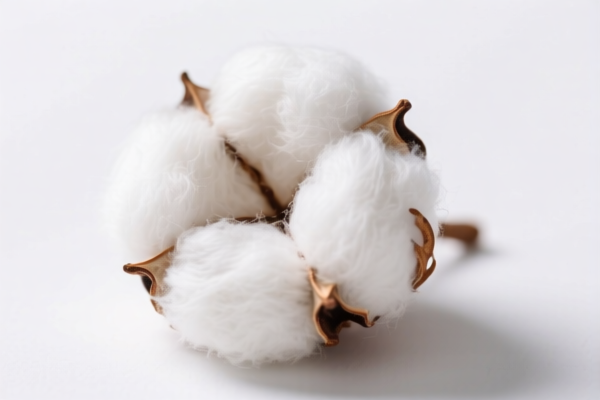
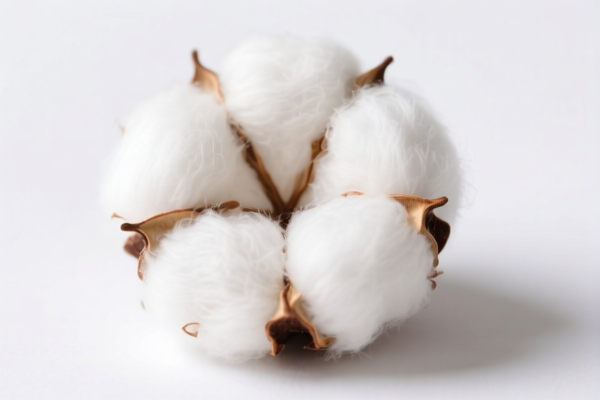
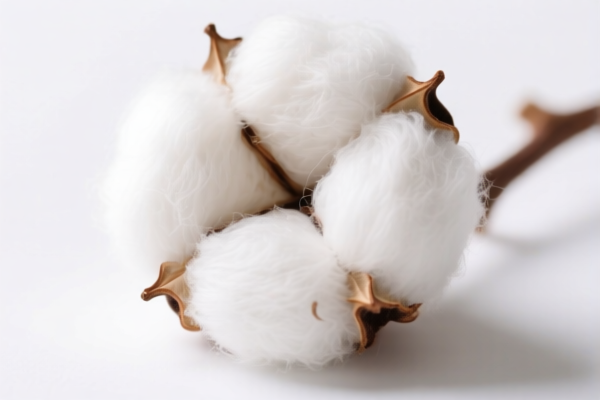
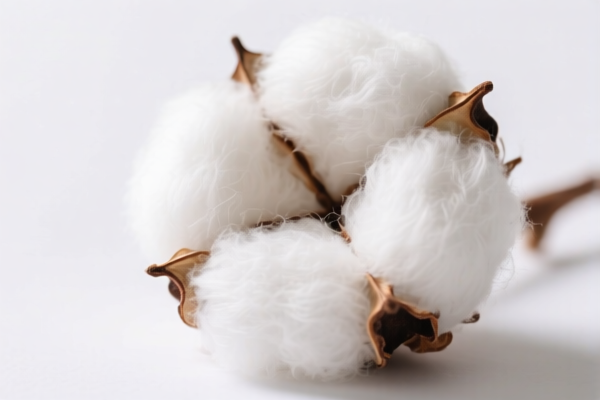
AI Analysis
🛏️ Cotton Wadding & Pillows (填充棉枕头)
🌐 HS Code Reference & Customs Clearance Guide | 2026 Latest Tariff Analysis | Professional Clearance Strategy
📌 1. Product Definition & Classification: Do You Really Understand "Cotton Pillows"?
"Cotton Wadding" and "Pillows" are versatile household goods, but their classification depends heavily on their structure, primary material, and end-use. In international trade, they are often misclassified due to vague descriptions.
Key Distinction: * Loose Wadding/Sheets: Unshaped cotton batting used for insulation, quilting, or further manufacturing → Generally classified under Chapter 63. * Shaped Pillows: Finished articles with a specific form (bed pillows, camping pillows) filled with cotton or other materials → Generally classified under Chapter 94.
⚠️ Critical Classification Point:
- If it is a finished pillow with a specific shape and cover → Chapter 94 (9404.90.20.xxxx).
- If it is a generic textile article or "other made-up cotton article" not specifically described elsewhere → Chapter 63 (6307.90.xxxx).
- Misclassification Risk: Declaring a shaped pillow as "cotton wadding" (6307) to avoid higher tariffs on Chapter 94 items is a common audit trigger.
📦 2. HS Code Classification Details (2026 Latest Tariff Reference)
Based on the provided data, here are the four possible classifications for "Cotton Wadding/Pillows":
| HS Code | Product Description | Key Characteristics | Tariff Category |
|---|---|---|---|
9404.90.20.30 |
Filled Cotton Pillow | Specifically a bed pillow; filled with cotton material. | High Tariff (23.5%) |
9404.90.20.60 |
Other Filled Pillow | Specifically a pillow (any use); filled with other materials (not pure cotton wadding). | High Tariff (23.5%) |
6307.90.89.95 |
Other Cotton Articles | Generic cotton textile article; classified as "other cotton-made or similar articles." | Moderate Tariff (17.0%) |
6307.90.98.91 |
Other Made-Up Articles | Generic finished consumer good; not specifically a pillow or wadding. | Highest Tariff (24.5%) |
🔍 Key Insight:
- Chapter 94 (9404) is for articles of bedding (like pillows). If your product is clearly a pillow, it must go here, not in Chapter 63.
- Chapter 63 (6307) is for miscellaneous textile articles. Use this only if the item is not a standard pillow (e.g., cotton batting for quilting, non-shaped cotton pads).
- Tariff Difference: Using6307for a clear pillow can lead to classical misclassification penalties.
💰 3. 2026 Tariff Rate Breakdown (Including Surcharges & Policy Add-ons)
✅ Applicable Country: United States (US)
✅ Origin: China (CN)
✅ Effective Date: Current rates apply (Section 301 & Section 122)
🎯 1. 9404.90.20.30 & 9404.90.20.60 —— Filled Pillows (Chapter 94)
| Item | Details |
|---|---|
| Base Tariff | 6.0% (Ad Valorem) |
| Section 301 Surcharge | 7.5% |
| Section 122 Surcharge | 10.0% |
| Total Tariff Rate | 23.5% |
| Calculation | CIF Value × 23.5% |
| De Minimis Exemption | ❌ Not Applicable (High-value textile imports usually excluded or closely scrutinized) |
| Legal Basis | USITC:9404.90.20.xx → Section 301: Footnote 9903.88.01 → Section 122: Trade Act 1974 Sec 232 |
📌 Explanation:
- Base Rate (6%): Standard MFN rate for bedding articles.
- Section 301 (7.5%): Trade war tariffs on Chinese goods.
- Section 122 (10%): Additional tariffs under Section 122 of the Trade Expansion Act (often applied to specific import surges or national security concerns).
- Total: 23.5% is a significant cost. Proper documentation proving "China Origin" is crucial to ensure these surcharges are correctly applied (or contested if eligible for exemptions).
🎯 2. 6307.90.89.95 —— Other Cotton Articles (Chapter 63)
| Item | Details |
|---|---|
| Base Tariff | 7.0% |
| Section 301 Surcharge | 0.0% (Note: Some Chapter 63 items may have different 301 lists, but data indicates 0% here) |
| Section 122 Surcharge | 10.0% |
| Total Tariff Rate | 17.0% |
| Calculation | CIF Value × 17.0% |
| De Minimis Exemption | ❌ Check Eligibility (Often subject to strict scrutiny for textiles) |
| Legal Basis | USITC:6307.90.89.95 → Section 122 |
📌 Explanation:
- This rate is lower (17.0%) than Chapter 94 (23.5%), which might tempt shippers to misclassify.
- However, this classification is only valid if the item is not a standard pillow. It applies to cotton wadding, batting, or other textile articles not specified elsewhere.
- Risk: If customs determines the item is a pillow, they will reclassify to9404.90.20.30/60, leading to back taxes + penalties.
🎯 3. 6307.90.98.91 —— Other Made-Up Articles (Chapter 63)
| Item | Details |
|---|---|
| Base Tariff | 7.0% |
| Section 301 Surcharge | 7.5% |
| Section 122 Surcharge | 10.0% |
| Total Tariff Rate | 24.5% |
| Calculation | CIF Value × 24.5% |
| De Minimis Exemption | ❌ Not Applicable |
| Legal Basis | USITC:6307.90.98.91 → Section 301 & Section 122 |
📌 Explanation:
- This is the highest tariff rate (24.5%) in the dataset.
- It applies to general made-up textile articles that don't fit other specific categories.
- Avoid this code if your product is a pillow or specific cotton wadding, as it is unnecessarily expensive.
🛠️ 4. Customs Clearance Practical Advice (Pitfall Avoidance Guide)
✅ 1. Essential Documentation List (Do Not Skip)
| Document | Required | Notes |
|---|---|---|
| ✅ Product Specifications | ✔️ | Must clearly state: Filling material (e.g., "100% Cotton Wadding"), Shape (Pillow vs. Sheet), Dimensions. |
| ✅ Commercial Invoice | ✔️ | Description must match HS Code. Use "Filled Cotton Pillow" for 9404, not "Cotton Wadding." |
| ✅ Packing List | ✔️ | Detail items per carton. Avoid vague terms like "Textile Goods." |
| ✅ Origin Certificate (CO) | ✔️ | Crucial for determining Section 301 & 122 applicability. |
| ✅ Product Photos | ✔️ | Show the item in its final form (shaped vs. flat). |
✅ 2. Classification Strategy (Key Takeaways)
| Scenario | Correct HS Code | Tariff Rate | Why? |
|---|---|---|---|
| Bed Pillow filled with cotton | 9404.90.20.30 |
23.5% | It is a "bedding article" (Chapter 94). |
| Travel Pillow filled with other foam/feathers | 9404.90.20.60 |
23.5% | It is a "pillow" but not filled with cotton wadding. |
| Loose Cotton Batting (for quilting) | 6307.90.89.95 |
17.0% | It is a "textile article," not a finished pillow. |
| Generic Cotton Pad/Cloth | 6307.90.98.91 |
24.5% | General made-up article. |
🔥 Golden Rule:
"If it’s a pillow, it’s Chapter 94. If it’s wadding/sheet, it’s Chapter 63."
Misclassifying a pillow as wadding to save 6.5% (23.5% vs 17.0%) is high-risk and often leads to seizures or fines.
✅ 3. Special Handling Tips
| Situation | Recommendation |
|---|---|
| Mixed Shipments | If a shipment contains both pillows and cotton batting, separate the HS Codes on the invoice. Do not consolidate under one code. |
| Section 122 Exemptions | Check if your product is eligible for any Section 122 exclusions. Some textile categories have been removed from surcharge lists in recent years. |
| De Minimis (Section 321) | For shipments under $800 (de minimis value), tariffs may be $0, but Section 301 and 122 surcharges often still apply to Chinese goods. Confirm with your freight forwarder. |
| Labeling | Ensure labels clearly state "Made in China" to avoid origin disputes. |
📌 5. Common Mistakes & Penalties (Lessons Learned)
❌ Mistake 1: Labeling a pillow as "Cotton Wadding" on the invoice.
👉 Consequence: Customs reclassifies to 9404.90.20.30, charges 23.5% instead of 17.0%, plus penalties.
❌ Mistake 2: Ignoring Section 122 (10% surcharge).
👉 Consequence: Even if Base + Section 301 seem low, missing Section 122 can result in 10% underpayment on all shipments.
❌ Mistake 3: Using 6307.90.98.91 for everything.
👉 Consequence: This is the highest rate (24.5%). You might pay more than necessary if you should have used 6307.90.89.95 (17.0%) for generic cotton goods.
✅ Correct Approach:
"Be Specific: 'Bed Pillow, Cotton Filled' for 9404. 'Cotton Batting, Loose' for 6307."
🎯 6. Conclusion: Precise Classification for Cost Optimization
🎯 Key Takeaway:
- Pillows = Chapter 94 (23.5%)
- Cotton Wadding/Textiles = Chapter 63 (17% - 24.5%)
- Always verify Section 122 applicability for Chinese-origin goods.
📌 Pro Tip:
If you are importing loose cotton wadding (not pillows), use6307.90.89.95(17.0%) to save 6.5% compared to pillow classification.
If you are importing finished pillows, you must use9404.90.20.30(23.5%). Do not try to disguise them.
📣 Immediate Action:
📞 Consult with a licensed customs broker to pre-classify your specific product.
📄 Ensure your invoice description exactly matches the HS Code definition.
🚀 Avoid costly audits and delays with precise documentation!
✨ Professional Clearance Starts with Accurate Classification!
💼 Every percentage point of tariff counts in your profit margin!
Customer Reviews
About HS Code Classification
The Harmonized System (HS) is an internationally standardized nomenclature developed by the World Customs Organization (WCO) to classify traded products. Over 200 countries use the HS system as the basis for customs tariffs, trade statistics, and import/export regulations.
Each HS code follows a hierarchical structure:
- Chapter (2 digits) — Broad category of goods (e.g., Chapter 84: Machinery and Mechanical Appliances)
- Heading (4 digits) — More specific grouping within the chapter
- Subheading (6 digits) — Internationally standardized breakdown, used by all WCO member countries
- National subdivisions (8-10 digits) — Country-specific extensions for further classification, such as US HTSUS 10-digit codes
Correct HS code classification is essential for smooth customs clearance, accurate duty payment, and compliance with trade regulations. Misclassification can lead to customs delays, overpayment of duties, or penalties.
When importing from CN to US, the applicable tariff rates may include:
- Most-Favored-Nation (MFN) rate — The standard duty rate applied to WTO members
- General rate — Applied to countries without trade agreements
- Trade remedy duties — Additional tariffs such as Section 301 (anti-dumping), Section 232 (national security), or countervailing duties
The information provided on this page is for reference purposes only. For official classification, please consult with your local customs authority or a licensed customs broker.