Waist Cincher Buckle
CN → US| HS Code | Tariff Rate | Origin | Destination | Doc |
|---|---|---|---|---|
| 3926908500 | 24.0% | CN | US | Official Doc |
| 8308906000 | 13.9% | CN | US | Official Doc |
| 3926909989 | 22.8% | CN | US | Official Doc |
| 7318130030 | 90.7% | CN | US | Official Doc |
| 8308100000 | 0.0% | CN | US | Official Doc |
| 7318130060 | 90.7% | CN | US | Official Doc |
Product Images
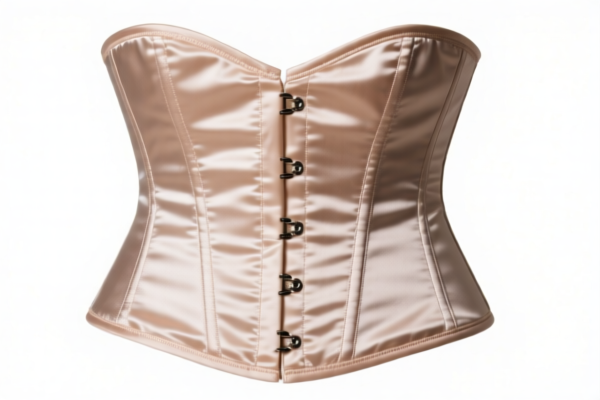
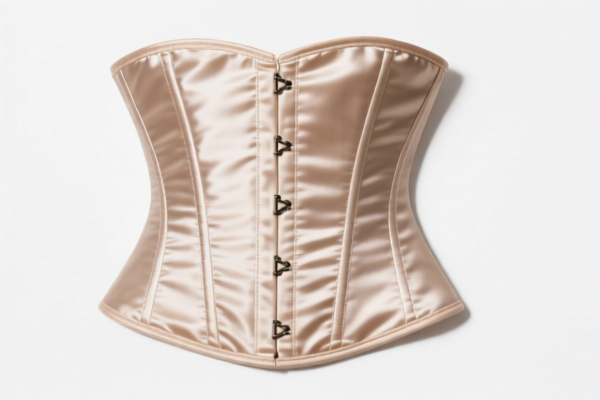
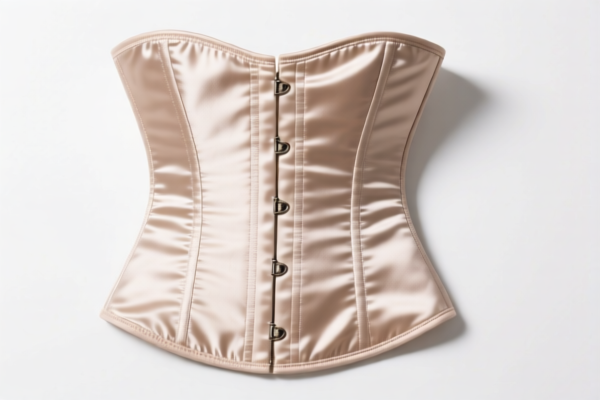

AI Analysis
👙 Waist Cincher Buckle: The Ultimate Guide to HS Codes & US Customs Clearance (2026 Update)
🌐 HS Code Reference & Customs Clearance Guide | Latest 2026 Tariff Analysis | Professional Strategy for Waist Cincher Accessories
📌 Part 1: Product Definition & Classification: Do You Really Understand "Waist Cincher Buckle"?
A Waist Cincher Buckle is a functional hardware component used to secure, adjust, and fasten waist trainers, corsets, shapewear, and fashion belts. In international trade, its classification depends heavily on two factors:
1. Material: Is it plastic, metal (steel/iron), or another alloy?
2. Structure/Function: Is it a simple hook-and-eye, a spiral ring, a screw-type hook, or a general fastener?
⚠️ Critical Distinction Point:
- If it is a plastic/resin buckle → Classified under Chapter 39 (Plastics).
- If it is a metal hook/eye/clip → Classified under Chapter 83 (General Hardware) or Chapter 73 (Iron/Steel Articles).
- Do NOT assume all buckles are the same; misclassification leads to severe penalties due to varying "Section 301" and "IEEPA" tariffs!
📦 Part 2: Detailed HS Code Classification (2026 Latest Tariff Cross-Reference)
Based on the provided data, here are the 6 possible HS Codes for a "Waist Cincher Buckle," categorized by material and structure:
| HS Code | Product Description & Inference | Key Characteristics | Material |
|---|---|---|---|
| 3926.90.85.00 | Plastic/Composite Fastener: Inferred as a plastic or composite material based on default parts classification rules. | Generic plastic buckle/clamp | Plastic/Composite |
| 8308.90.60.00 | Metal Buckle/Clasp: Reasonably inferred as metal, fitting the description of metal buckles and parts. | Metal clasp or general fastener | Metal |
| 3926.90.99.89 | Other Plastic/Non-Specific Article: Catch-all for other plastic or material articles. | General plastic item, no specific sub-heading fits better | Plastic |
| 7318.13.00.30 | Metal Screw-Hook/Ring: Metal piece (iron/steel), shaped as a screw hook or ring. | Spiral metal ring or screw hook | Iron/Steel |
| 8308.10.00.00 | Metal Hooks/Eyes for Apparel: Metal hooks/eyes/clasps for clothing, leather goods, etc. | Standard metal hook-and-eye or clip | Metal |
| 7318.13.00.60 | Metal Threaded Ring: Threaded metal article (spiral ring), inferred as metal. | Screw-type metal ring | Iron/Steel |
🔍 Key Takeaway:
- Plastic Buckles fall under HS 3926 (Total Tax ~22.8% - 24.0%).
- Metal Hooks/Eyes (General Hardware) fall under HS 8308 (Total Tax ~1.1¢/kg + ~35-38%).
- Metal Screw-Hooks/Rings fall under HS 7318 (Total Tax 90.7% – ⚠️ HIGHEST RISK).
💰 Part 3: 2026 Latest Tariff Rate Breakdown (Including Surcharges & Policy Add-ons)
✅ Applicable Country: United States (US)
✅ Country of Origin: China (CN)
✅ Effective Time: From November 10, 2025 (and subsequent imports)
🎯 1. 3926.90.85.00 — Plastic/Composite Fastener
| Item | Details |
|---|---|
| Base Tariff | 6.5% |
| Trade War Surcharge (Section 301) | +7.5% |
| IEEPA Surcharge | +10% |
| Total Effective Rate | 24.0% |
| Calculation | CIF Value × 24% |
| De Minimis Exemption | ❌ Not Eligible (Deemed high-risk due to Section 301/IEEPA) |
📌 Explanation:
- Plastic fasteners are subject to moderate tariffs. While lower than metal screw-hooks, the combination of base + trade war + IEEPA still creates a significant cost.
🎯 2. 8308.90.60.00 — Metal Buckle/Clasp (General Hardware)
| Item | Details |
|---|---|
| Base Tariff | 3.9% (Ad Valorem) |
| Trade War Surcharge (Section 301) | 0.0% |
| IEEPA Surcharge | +10% |
| Total Effective Rate | 13.9% (Plus potential per-kg duties if applicable) |
| Calculation | CIF Value × 13.9% |
| De Minimis Exemption | ❌ Not Eligible |
📌 Explanation:
- General metal buckles/clasps have a low base rate and no Section 301 surcharge, making this a very competitive HS code if the product can be classified here.
🎯 3. 3926.90.99.89 — Other Plastic Article (Catch-All)
| Item | Details |
|---|---|
| Base Tariff | 5.3% |
| Trade War Surcharge (Section 301) | +7.5% |
| IEEPA Surcharge | +10% |
| Total Effective Rate | 22.8% |
| Calculation | CIF Value × 22.8% |
| De Minimis Exemption | ❌ Not Eligible |
📌 Explanation:
- This is the "default" for plastics not elsewhere specified. Slightly cheaper than3926.90.85.00but still subject to full surcharges.
🎯 4. 7318.13.00.30 — Metal Screw-Hook/Ring (Iron/Steel)
| Item | Details |
|---|---|
| Base Tariff | 5.7% |
| Trade War Surcharge (Section 301) | +25.0% |
| IEEPA Surcharge | +10% |
| Steel/Aluminum/Copper Surcharge | +50% |
| Total Effective Rate | 90.7% ⚠️ EXTREMELY HIGH |
| Calculation | CIF Value × 90.7% |
| De Minimis Exemption | ❌ Not Eligible |
📌 WARNING:
- This is the most dangerous classification!
- If your "buckle" is interpreted as a metal screw-hoop or spiral ring made of steel, it triggers the 50% Steel/Copper/Aluminum surcharge.
- Total tariff: 90.7% — This will destroy profit margins.
🎯 5. 8308.10.00.00 — Metal Hooks/Eyes for Apparel
| Item | Details |
|---|---|
| Base Tariff | 1.1¢/kg + 2.9% (Ad Valorem) |
| Trade War Surcharge (Section 301) | +25.0% |
| IEEPA Surcharge | +10% |
| Total Effective Rate | ~35.0% + 1.1¢/kg |
| Calculation | CIF Value × 35.0% + Weight × $0.011 |
| De Minimis Exemption | ❌ Not Eligible |
📌 Explanation:
- This is a common classification for hook-and-eye closures.
- While the ad valorem rate is high (35%), it avoids the 50% steel surcharge.
- Much better than 90.7%, but still significant.
🎯 6. 7318.13.00.60 — Metal Threaded Ring (Iron/Steel)
| Item | Details |
|---|---|
| Base Tariff | 5.7% |
| Trade War Surcharge (Section 301) | +25.0% |
| IEEPA Surcharge | +10% |
| Steel/Aluminum/Copper Surcharge | +50% |
| Total Effective Rate | 90.7% ⚠️ EXTREMELY HIGH |
| Calculation | CIF Value × 90.7% |
| De Minimis Exemption | ❌ Not Eligible |
📌 WARNING:
- Identical tariff treatment to7318.13.00.30.
- If the buckle is a metal spiral ring or has threaded components, it falls here. Avoid this classification if possible.
🛠️ Part 4: Practical Customs Clearance Advice (Pitfall Avoidance Guide)
✅ 1. Required Documentation Checklist
| Document | Mandatory? | Notes |
|---|---|---|
| Product Specification Sheet | ✔️ | Must clearly state: Material (Plastic vs. Metal), Type (Hook, Ring, Clasp), Function. |
| Product Photos (Clear & Detailed) | ✔️ | Show the buckle alone AND attached to a waist cincher. Highlight the material (shiny metal vs. matte plastic). |
| Bill of Materials (BOM) | ✔️ | Confirm if the buckle is purely plastic, or if it has metal inserts. |
| Commercial Invoice | ✔️ | Describe as: "Plastic Waist Cincher Fastener" or "Metal Hook and Eye for Apparel" — NEVER just "Buckle". |
| HS Code Pre-Ruling Request | ✔️ | Highly recommended for metal items to avoid the 90.7% trap. |
✅ 2. Declaration Strategy (Key Tips)
🔥 “Material is King, Structure is Queen: Declare Precisely, Save Thousands!”
| Scenario | Correct HS Code | Wrong Approach | Consequence |
|---|---|---|---|
| Plastic Buckle | 3926.90.85.00 or 3926.90.99.89 |
Declare as "Metal Hardware" | Customs may inspect, delay shipment, and apply metal tariffs (90.7%!) if they suspect metal. |
| Metal Hook-and-Eye | 8308.10.00.00 |
Declare as "Screw Ring" (7318.13) |
Avoids 90.7% steel surcharge. Saves ~55% in tariffs. |
| Metal Clasp/Buckle | 8308.90.60.00 |
Declare as "Screw Ring" (7318.13) |
Best Option: Only 13.9% tariff. No Section 301. |
| Metal Spiral Ring | 7318.13.00.30/.60 |
Cannot avoid if it IS a ring | 90.7% Tariff. Consider redesigning to a clasp/hook if possible. |
✅ 3. Special Cases & Risk Management
| Situation | Handling Advice |
|---|---|
| Mixed Material Buckle (Plastic body + Metal pin) | Generally classified as Plastic (3926) if plastic gives essential character. Declare as plastic to avoid steel surcharges. |
| "Screw" vs. "Clasp" | If it’s a snaps-on clasp, use 8308.90.60.00. If it’s a threaded screw-ring, use 7318.13 (High Risk!). |
| OEM Custom Design | Provide engineering drawings showing the fastening mechanism. If it clips or snaps, it’s likely 8308 or 3926. If it screws, it’s 7318. |
| Small Parts (Under $800) | ❌ No De Minimis: All these HS codes are subject to IEEPA/301 surcharges, so Section 321 (De Minimis) does NOT apply. |
🌍 Part 5: Global Market Comparison (2026)
| Country/Region | Recommended HS Code | Estimated Tariff (China Origin) | Key Certification |
|---|---|---|---|
| 🇺🇸 USA | 8308.90.60.00 (Metal Clasp) |
13.9% (Best Case) | No special certs needed |
| 🇺🇸 USA | 7318.13.00.30 (Metal Ring) |
90.7% (Worst Case) | N/A |
| 🇪🇺 EU | 7318.15 or 3926.90 |
0% - 4% (Low) | CE (if applicable), REACH |
| 🇨🇳 China | 7318.15 or 3926.90 |
3.9% - 6.5% | N/A |
| 🇬🇧 UK | 7318.15 or 3926.90 |
0% - 5% | UKCA |
📌 Conclusion:
- USA is the most critical market for tariff planning.
- Metal Screw-Rings (7318.13) are financially unviable for the US market due to 90.7% tariffs.
- Metal Clasps (8308.90) and Plastic Buckles (3926) are the only viable options.
📌 Part 6: Common Mistakes & Pitfalls (Lessons from Blood & Tears)
❌ Mistake 1: Calling a metal screw-ring a "Clasp" to avoid tariffs
👉 Result: Customs inspection reveals the screw mechanism → Back-tariff 90.7% + Penalties.
❌ Mistake 2: Declaring plastic buckles as "Metal"
👉 Result: Unnecessary scrutiny, delay, and potential misclassification penalties.
❌ Mistake 3: Assuming De Minimis ($800) applies
👉 Result: All these HS codes are subject to IEEPA/301. De Minimis is DENIED. You must pay duties on every shipment.
❌ Mistake 4: Not specifying the material in the description
👉 Result: Customs may assume the worst-case scenario (Steel Surcharge) and hold goods for 30+ days.
✅ Correct Declaration Example:
"Plastic Waist Cincher Buckle, Snap-Clasp Type, No Metal Content, Model XYZ" → HS 3926.90.85.00
"Metal Waist Cincher Clasp, Snap-Type, for Apparel Use, Model ABC" → HS 8308.90.60.00
🎯 Part 7: Conclusion: Professional Declaration, Save Costs, Ensure Smooth Clearance!
🎯 Remember the Golden Rule:
🔹 "Metal Screw = 90.7% Nightmare. Metal Clasp = 13.9% Sweet Spot. Plastic = 24% Moderate Cost."
🔹 "HS Code Determines Profit. Declare Material & Mechanism Accurately."
📌 Pro Tip:
If your product is a metal buckle, try to redesign it as a "Clasp" or "Hook" rather than a "Screw-Ring" to avoid the 50% steel surcharge. This single change can save you 55% in tariffs.
📣 Immediate Action Required:
📞 Consult a licensed US customs broker BEFORE shipping.
📸 Provide photos of the fastening mechanism.
📝 Request a Pre-Ruling for metal items to confirm8308vs7318.
✨ Professional Customs Clearance Starts with Accurate Classification!
💼 Every Dollar Saved on Tariffs is Pure Profit!
Customer Reviews
About HS Code Classification
The Harmonized System (HS) is an internationally standardized nomenclature developed by the World Customs Organization (WCO) to classify traded products. Over 200 countries use the HS system as the basis for customs tariffs, trade statistics, and import/export regulations.
Each HS code follows a hierarchical structure:
- Chapter (2 digits) — Broad category of goods (e.g., Chapter 84: Machinery and Mechanical Appliances)
- Heading (4 digits) — More specific grouping within the chapter
- Subheading (6 digits) — Internationally standardized breakdown, used by all WCO member countries
- National subdivisions (8-10 digits) — Country-specific extensions for further classification, such as US HTSUS 10-digit codes
Correct HS code classification is essential for smooth customs clearance, accurate duty payment, and compliance with trade regulations. Misclassification can lead to customs delays, overpayment of duties, or penalties.
When importing from CN to US, the applicable tariff rates may include:
- Most-Favored-Nation (MFN) rate — The standard duty rate applied to WTO members
- General rate — Applied to countries without trade agreements
- Trade remedy duties — Additional tariffs such as Section 301 (anti-dumping), Section 232 (national security), or countervailing duties
The information provided on this page is for reference purposes only. For official classification, please consult with your local customs authority or a licensed customs broker.