Waist Pin
CN → US| HS Code | Tariff Rate | Origin | Destination | Doc |
|---|---|---|---|---|
| 7117909000 | 28.5% | CN | US | Official Doc |
| 8308100000 | 0.0% | CN | US | Official Doc |
| 9606108000 | 37.7% | CN | US | Official Doc |
| 9606220000 | 35.0% | CN | US | Official Doc |
Product Images
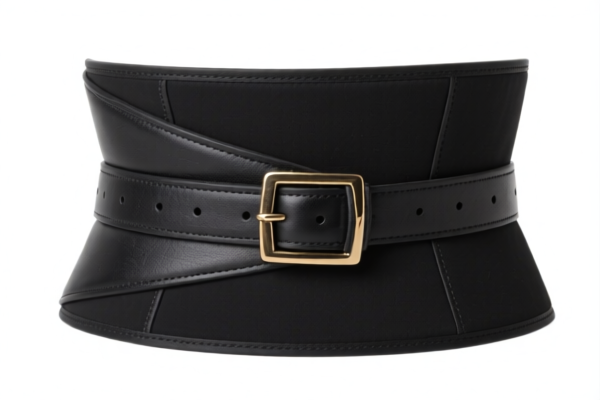
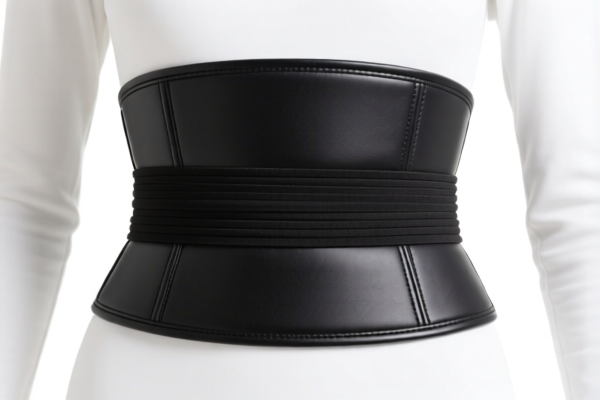
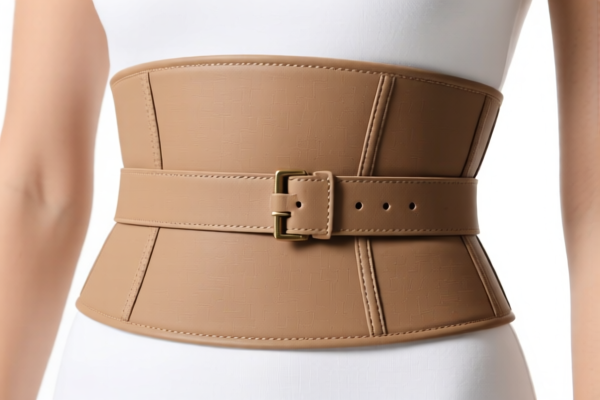

AI Analysis
📍 Waist Pin & Fasteners (Metal & Plastic Accessories)
🌐 HS Code Reference & Customs Clearance Guide | 2026 Latest Tariff Analysis | Professional Clearance Strategy
📌 I. Product Definition & Classification: What is a "Waist Pin"?
"Waist Pin" is a broad term often used in apparel and fashion accessories to describe small fasteners, decorative pins, or functional clips used to secure garments (especially skirts, belts, and dresses) or as fashion jewelry components. In international trade, these items are strictly categorized based on their primary material, functional mechanism, and end-use.
There is no single HS Code for "Waist Pin." Instead, classification depends on whether the item is: 1. A Decorative Jewelry Piece (Imitation Jewelry): Made of metal or plastic, worn for adornment. 2. A Functional Clothing Accessory (Clasps/Buckles): Used to hook, snap, or fasten fabrics. 3. A Button/Presser Type: Specifically designed as a press-stud or snap fastener.
⚠️ Key Classification Distinction:
- If it looks like a brooch, pin, or charm and is primarily for decoration → Chapter 71 (Imitation Jewelry)
- If it is a hook, eye, or buckle for clothing → Chapter 83 (Clothing Accessories)
- If it is a snap button, press-stud, or cap stud → Chapter 96 (Buttons/Fasteners)
📦 II. HS Code Classification Details (2026 Latest Tariff Cross-Reference)
| HS Code | Product Description | Application Scenario | Material/Feature |
|---|---|---|---|
7117.90.90.00 |
Imitation Jewelry, other | Fashion waist pins, decorative brooches, metal/plastic charms | Metal or Plastic; Decorative focus |
8308.10.00.00 |
Clasps, frames with clasps, buckles, hooks, eyes | Waist hooks, eyelets, decorative buckles for belts/skirts | Base Metal; Functional/Fastening |
9606.10.80.00 |
Cap studs and parts thereof | Press-studs, snap fasteners, magnetic clips for clothing | Metal/Plastic; Snap/Press mechanism |
9606.22.00.00 |
Other buttons, press-studs, snap-studs | Pressed buttons, "压紧件" (Press-fit parts), plastic/metal snaps | Metal or Non-textile; Press-fit |
🔍 Critical Note:
- Do not confuse "Waist Pin" with "Button". If the item snaps shut with a distinct "click" mechanism, it is likely 9606. If it is a straight pin or brooch, it is 7117. If it is a hook-and-eye or buckle, it is 8308. - The term "Waist Pin" is too generic for customs. You must declare the specific mechanism (e.g., "Metal Waist Hook," "Plastic Snap Fastener," "Imitation Jewelry Waist Brooch").
💰 III. 2026 Latest Tariff Rate Breakdown (Including Additional Duties & Policies)
✅ Applicable Country: United States (US)
✅ Origin: China (CN)
✅ Effective Date: November 10, 2025 (and subsequent imports)
🎯 1. 7117.90.90.00 – Imitation Jewelry (Waist Pin/Brooch Type)
| Item | Details |
|---|---|
| Base Tariff | 11.0% (ad valorem) |
| Section 301 Tariff | +7.5% (Specific to certain imitation jewelry categories) |
| 122 Clause Tariff | +10% (China-specific addition) |
| Total Effective Rate | 28.5% |
| Calculation Basis | CIF Value × 28.5% |
| De Minimis Eligibility | ❌ Not Eligible (High tariff rate denies de minimis benefits for many Chinese goods) |
| Legal Reference Path | USITC:7117.90.90.00 → Section 301: 7.5% → Clause 122: 10% |
📌 Explanation:
- This classification assumes the "Waist Pin" is primarily a fashion accessory/jewelry item (e.g., a decorative pin worn on the waist). - Total Tax: 28.5%. This is a moderate-high rate. Ensure the item is clearly defined as "Imitation Jewelry" and not a functional garment part to avoid misclassification.
🎯 2. 8308.10.00.00 – Clasps, Buckles, Hooks, Eyes (Base Metal)
| Item | Details |
|---|---|
| Base Tariff | 1.1 cents/kg + 2.9% |
| Section 301 Tariff | +25.0% |
| 122 Clause Tariff | +10% |
| Total Effective Rate | ~37.9% (Weighted) |
| Calculation Basis | (1.1¢/kg × Weight) + (CIF Value × 2.9%) + (CIF Value × 25%) + (CIF Value × 10%) |
| De Minimis Eligibility | ❌ Not Eligible |
| Legal Reference Path | USITC:8308.10.00.00 → Section 301: 25% → Clause 122: 10% |
📌 Explanation:
- This applies if the "Waist Pin" is a functional metal hook, eyelet, or buckle (e.g., a metal clasp on a belt or skirt). - Tax Structure: Mixed duty (weight-based + ad valorem) plus heavy additional tariffs. - Total Additional Tax: 35% (25% + 10%) on top of the base duty. This is the most complex calculation due to the per-kg component.
🎯 3. 9606.10.80.00 – Cap Studs & Parts (Snap Fasteners/Press Buttons)
| Item | Details |
|---|---|
| Base Tariff | 2.7% |
| Section 301 Tariff | +25.0% |
| 122 Clause Tariff | +10% |
| Total Effective Rate | 37.7% |
| Calculation Basis | CIF Value × 37.7% |
| De Minimis Eligibility | ❌ Not Eligible |
| Legal Reference Path | USITC:9606.10.80.00 → Section 301: 25% → Clause 122: 10% |
📌 Explanation:
- This classification is for metal or plastic snap fasteners (press studs) used in clothing. If your "Waist Pin" is a snap button mechanism, use this code. - Total Tax: 37.7%. This is the highest ad valorem rate among the options. Common in bulk manufacturing of garment accessories.
🎯 4. 9606.22.00.00 – Other Buttons, Press-Studs (Non-textile)
| Item | Details |
|---|---|
| Base Tariff | 0.0% |
| Section 301 Tariff | +25.0% |
| 122 Clause Tariff | +10% |
| Total Effective Rate | 35.0% |
| Calculation Basis | CIF Value × 35.0% |
| De Minimis Eligibility | ❌ Not Eligible |
| Legal Reference Path | USITC:9606.22.00.00 → Section 301: 25% → Clause 122: 10% |
📌 Explanation:
- This applies to pressed buttons or non-textile press-fits (often plastic or composite materials). If the "Waist Pin" is a plastic press-fit component, this code applies. - Total Tax: 35.0%. Base duty is 0%, making it slightly cheaper than9606.10.80.00but still subject to heavy penalties.
🛠️ IV. Customs Clearance Operational Advice (Practical Pitfall Avoidance)
✅ 1. Preparation Checklist (All Documents Required)
| Document | Required? | Purpose |
|---|---|---|
| ✅ Product Photos | ✔️ | Show front, back, and mechanism (hook, snap, pin) |
| ✅ Material Declaration | ✔️ | Explicitly state: "Base Metal," "Plastic," "Alloy," or "Imitation Jewelry Material" |
| ✅ Function Description | ✔️ | Specify: "Waist Hook for Skirt," "Snap Fastener," or "Decorative Brooch" |
| ✅ Commercial Invoice | ✔️ | Use precise HS Code and description; avoid generic "Pin" |
| ✅ Packing List | ✔️ | Include net weight (critical for 8308.10.00.00) |
| ✅ Test Reports | ✔️ | If claiming "Imitation Jewelry," ensure compliance with safety standards |
✅ 2. Declaration Best Practices (Key Strategy)
🔥 "Mechanism Defines Code, Weight Defines Tax!"
| Scenario | Correct Declaration | Wrong Declaration | Consequence |
|---|---|---|---|
| Decorative Metal Pin | 7117.90.90.00 - "Imitation Jewelry Waist Pin" |
"Waist Pin" (Vague) | Risk of reclassification to 8308 or 9606 → Higher Tax |
| Metal Hook/Buckle | 8308.10.00.00 - "Metal Waist Hook" |
"Jewelry Clasp" | Misclassification → Penalty |
| Snap Button | 9606.10.80.00 - "Press-Stud Fastener" |
"Button" (Generic) | May be accepted, but specify "Cap Stud" for accuracy |
| Plastic Press-Fit | 9606.22.00.00 - "Pressed Button" |
"Plastic Pin" | Risk of higher duty if classified as jewelry |
✅ 3. Special Case Handling
| Case | Recommendation |
|---|---|
| Mixed Shipment (Jewelry + Buttons) | Split Declaration. Do not mix 7117 and 9606 in one line item. Customs will likely audit and penalize. |
| OEM Custom Waist Pins | Provide design files or samples to prove if it's jewelry or functional. |
| High-Value Gold/Silver Pins | If made of precious metals, it may fall under Chapter 71 (Precious Metals), not imitation jewelry. Check 7113 codes. |
| Plastic Waist Clips | Often 9606.22.00.00 or 8308.10.00.00 depending on function. Verify with supplier. |
🌍 V. Global Market Comparison (2026 Latest)
| Country/Region | Recommended HS Code | Tariff Rate (China Origin) | Key Certifications | Note |
|---|---|---|---|---|
| 🇺🇸 USA | 7117 / 8308 / 9606 |
28.5% – 37.7% | None required for customs, but FCC/RoHS for electronics if smart | High Additional Duties |
| 🇪🇺 EU | Similar Codes | 0% – 4.5% | CE (if electronic), REACH (chemicals) | No Section 301/122 Tariffs |
| 🇨🇳 China | Similar Codes | 5% – 10% | CCC (if applicable) | Lower Base Duty |
| 🇬🇧 UK | Similar Codes | 0% – 4% | UKCA | Post-Brexit Rules Apply |
| 🇨🇦 Canada | Similar Codes | 0% – 6% | None | Favorable Trade Agreement |
📌 Conclusion:
- The USA imposes the highest effective tariffs due to Section 301 (25-7.5%) and Clause 122 (10%). - For cost optimization, consider warehousing in non-US jurisdictions (e.g., Canada, Mexico) if using FCA terms, though USMCA rules may apply.
📌 VI. Common Errors & Pitfalls (Lessons Learned)
❌ Error 1: Using "Pin" for a Snap Fastener
👉 Result: If declared as 7117 (Jewelry) but is actually 9606 (Fastener), customs may assess 37.7% instead of 28.5%.
👉 Correct: Declare based on function, not name.
❌ Error 2: Ignoring Weight for 8308.10.00.00
👉 Result: If weight is not provided, customs will use maximum estimated weight or assess highest ad valorem rate.
👉 Correct: Always provide Net Weight in kg for hook/buckle items.
❌ Error 3: Claiming De Minimis ($800) for High-Tariff Goods
👉 Result: Denied. Many Chinese-origin goods under these HS codes are excluded from de minimis benefits.
👉 Correct: Prepare for full duty payment or use bonded warehouses.
🎯 VII. Final Advice: Professional Clearance for Cost Efficiency
🎯 Remember This Rule:
🔹 "Function Over Name, Material Over Color"
🔹 "Jewelry = 28.5%, Hooks = ~38%, Snaps = 37.7%"
🔹 "Never Mix Lines, Always Provide Weight"
📌 Pro Tip:
If your "Waist Pin" is plastic and functional, consider if it can be classified under 9606.22.00.00 (0% base duty) rather than 9606.10.80.00 (2.7% base duty). The 3.0% difference adds up in bulk shipments.
📣 Immediate Action Required:
📞 Contact Your Customs Broker: Provide photos and material composition.
📝 Request Advance Ruling: For large volumes, get a binding tariff ruling to lock in the HS Code.
🚀 Optimize Supply Chain: If shipping to the US, consider transshipment or origin restructuring (if legally compliant) to mitigate 35%+ tariffs.
✨ Precision in Classification Saves Thousands!
💼 Your Waist Pin May Be Small, But Its Tax Impact Is Huge!
Customer Reviews
About HS Code Classification
The Harmonized System (HS) is an internationally standardized nomenclature developed by the World Customs Organization (WCO) to classify traded products. Over 200 countries use the HS system as the basis for customs tariffs, trade statistics, and import/export regulations.
Each HS code follows a hierarchical structure:
- Chapter (2 digits) — Broad category of goods (e.g., Chapter 84: Machinery and Mechanical Appliances)
- Heading (4 digits) — More specific grouping within the chapter
- Subheading (6 digits) — Internationally standardized breakdown, used by all WCO member countries
- National subdivisions (8-10 digits) — Country-specific extensions for further classification, such as US HTSUS 10-digit codes
Correct HS code classification is essential for smooth customs clearance, accurate duty payment, and compliance with trade regulations. Misclassification can lead to customs delays, overpayment of duties, or penalties.
When importing from CN to US, the applicable tariff rates may include:
- Most-Favored-Nation (MFN) rate — The standard duty rate applied to WTO members
- General rate — Applied to countries without trade agreements
- Trade remedy duties — Additional tariffs such as Section 301 (anti-dumping), Section 232 (national security), or countervailing duties
The information provided on this page is for reference purposes only. For official classification, please consult with your local customs authority or a licensed customs broker.