Walking Machine
CN → US| HS Code | Tariff Rate | Origin | Destination | Doc |
|---|---|---|---|---|
| 8479500000 | 37.5% | CN | US | Official Doc |
| 8479896500 | 20.3% | CN | US | Official Doc |
| 9506910010 | 22.1% | CN | US | Official Doc |
| 9506910030 | 22.1% | CN | US | Official Doc |
Product Images
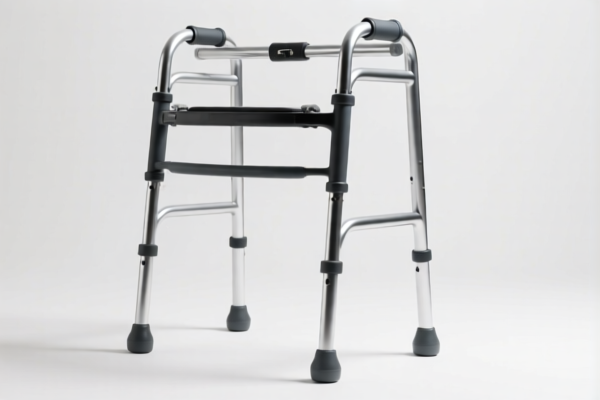
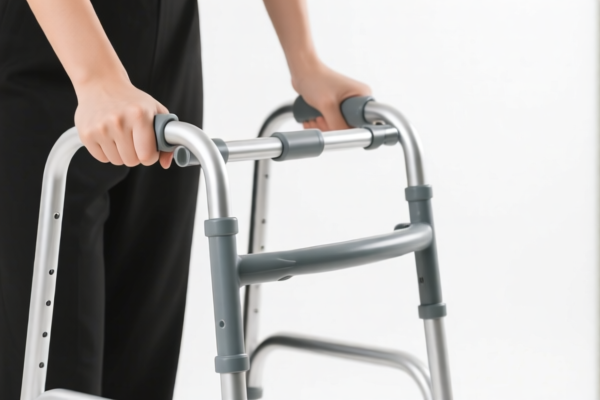
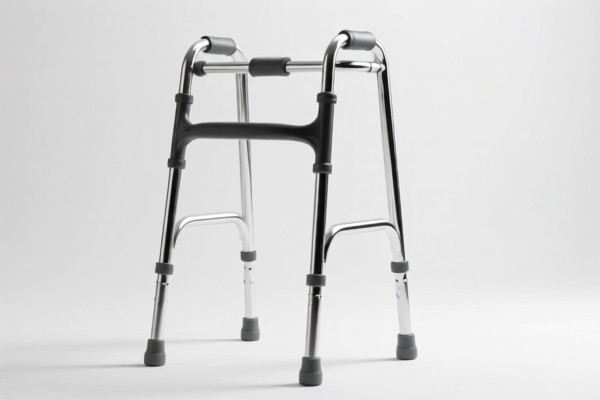

AI Analysis
🦿 Walking Machine (Robotic Locomotion Systems)
🌐 HS Code Reference & Customs Clearance Guide | 2026 Latest Tariff Analysis | Professional Compliance Strategy
📌 I. Product Definition & Classification: What Exactly is a "Walking Machine"?
In the complex world of international trade, "Walking Machine" is a colloquial or functional description rather than a precise legal term. It generally refers to robots or mechanical devices capable of legged locomotion. These are distinct from wheeled or tracked vehicles because they mimic biological movement to navigate rough terrain, stairs, or confined spaces.
International trade law categorizes these based on their primary function: 1. Industrial Robots: Machines programmed to perform specific tasks (welding, assembly, inspection) autonomously. 2. General Mechanical Appliances: Devices with independent functions that do not fit specific machinery chapters (e.g., household robots, toy walkers, or specialized non-industrial walkers).
⚠️ Critical Distinction:
- If the machine is designed for automated industrial tasks (e.g., factory assembly line, warehouse picking) → It is an Industrial Robot.
- If the machine is for general physical exercise, sports, or non-industrial mechanical use (e.g., a walking frame for elderly, a toy, or a generic mechanical walker) → It falls under Sports/Exercise Equipment or General Mechanical Appliances.
📦 II. HS Code Classification Matrix (2026 Latest Tariff Reference)
Based on the provided data, here are the applicable HS Codes for "Walking Machines" depending on their specific nature.
| HS Code | Product Description | Applicable Scenario | Industrial vs. General Use |
|---|---|---|---|
8479.50.00.00 |
Industrial Robots, not elsewhere specified or included | Industrial automation arms, robotic legs for manufacturing, automated walking platforms for factory logistics | ✅ Industrial |
9506.91.00.10 |
Exercise Cycles / General Physical Exercise Equipment | Walking machines used for fitness, gym exercise, or rehabilitation training (e.g., motorized treadmills with walking motion, exoskeletons for gym use) | ❌ Non-Industrial (Sports/Health) |
9506.91.00.30 |
Other articles for general physical exercise, gymnastics, or athletics | Non-cycle walking aids, generic exercise frames, or sports training devices not classified as cycles | ❌ Non-Industrial (Sports/Health) |
8479.89.65.00 |
Other Electromechanical Appliances with self-contained electric motor | Non-industrial, non-sport mechanical walkers (e.g., domestic robotic helpers, specialized non-factory machinery) | ❌ General Mechanical |
🔍 Key Classification Logic:
- Industrial Robots (8479.50): Must be programmable for repetitive industrial tasks. If it’s used in a factory, this is the primary code.
- Exercise Equipment (9506.91): If the "walking machine" is for human workout (gym) or medical rehab training, it is NOT an industrial robot. It is sports/exercise gear.
- Other Appliances (8479.89): If it’s a mechanical device for general use but doesn’t fit industrial or sports categories, it may fall here.
💰 III. 2026 Latest Tariff Rate Breakdown (Including Surtaxes)
✅ Applicable Market: USA (US)
✅ Country of Origin: China (CN)
✅ Effective Date: Current rates apply as per 2026 data
🎯 1. 8479.50.00.00 —— Industrial Robots
| Item | Details |
|---|---|
| Base Tariff | 2.5% (Ad Valorem) |
| Additional Surtax | +25.0% (Section 301 / Trade War Surtax) |
| Total Tax Rate | 27.5% |
| Tax Calculation | CIF Value × 27.5% |
| De Minimis Exemption | ❌ Not Eligible (High tariffs exclude de minimis relief) |
| Legal Basis | USITC:8479.50.00.00 → Section 301 Surtax: 25% |
📌 Explanation:
- Industrial robots are considered high-tech manufacturing equipment.
- The 25% additional tariff applies to Chinese-origin industrial robots.
- Total effective duty: 27.5%. This is moderate but significant for high-value units.
🎯 2. 9506.91.00.10 & 9506.91.00.30 —— Exercise & Sports Equipment
| Item | Details |
|---|---|
| Base Tariff | 4.6% (Ad Valorem) |
| Additional Surtax | +7.5% (Section 301 / Trade War Surtax) |
| Additional Metal Surtax | +50% (If made of Steel, Aluminum, or Copper) |
| Total Tax Rate | 12.1% (Standard) OR 62.1% (Metal Components) |
| Tax Calculation | CIF Value × Total Rate |
| De Minimis Exemption | ❌ Not Eligible (Rates exceed de minimis thresholds) |
| Legal Basis | USITC:9506.91.00.10/30 → Section 301 Surtax: 7.5% → Metal Surcharge: 50% |
📌 Critical Warning – The "Metal Surtax" Trap:
- If your walking machine (e.g., a gym stepper or exoskeleton) contains structural components made of steel, aluminum, or copper, an additional 50% is applied on top of the base + 7.5%.
- Standard Total: 4.6% + 7.5% = 12.1%
- Metal-Heavy Total: 4.6% + 7.5% + 50% = 62.1%
- Result: A significant cost difference! You must check the Bill of Materials (BOM).
🎯 3. 8479.89.65.00 —— Other Electromechanical Appliances
| Item | Details |
|---|---|
| Base Tariff | 0.0% |
| Additional Surtax | 0.0% |
| Total Tax Rate | 0.0% |
| Tax Calculation | None |
| De Minimis Exemption | ✅ Eligible (if value < $800) |
| Legal Basis | USITC:8479.89.65.00 |
📌 Note:
- This code applies to non-industrial, non-sport electromechanical devices.
- Zero Duty makes this highly attractive for general-purpose walking aids or robotic companions that don’t fit sports or industrial categories.
- However, classification must be robust to avoid reclassification by CBP.
🛠️ IV. Customs Clearance Practical Advice (Pitfall Avoidance)
✅ 1. Documentation Checklist (Mandatory)
| Document | Required | Notes |
|---|---|---|
| ✅ Product Specification Sheet | ✔️ | Detail motor type, weight, dimensions, and primary function (Industrial vs. Exercise). |
| ✅ Technical Drawings/BOM | ✔️ | Crucial for detecting steel/aluminum components to determine if 50% metal surcharge applies. |
| ✅ Product Photos | ✔️ | Show full device, control panel, and brand labeling. |
| ✅ Commercial Invoice | ✔️ | Clearly state "Industrial Robot" or "Exercise Equipment" per HS Code. |
| ✅ Origin Certificate (CO) | ✔️ | Confirm Country of Origin (China) to apply correct surtaxes. |
| ✅ User Manual | ✔️ | Helps prove intended use (e.g., "For Gym Use" vs. "For Factory Assembly"). |
✅ 2. Declaration Strategies (Key Tips)
🔥 "Function Defines Code, Metal Defines Tax!"
| Scenario | Correct HS Code | Risk if Incorrect |
|---|---|---|
| Factory Robot Arm/Leg | 8479.50.00.00 |
Misdeclaring as sports equipment → Penalty + Back Duties |
| Gym Stepper/Walker | 9506.91.00.10 |
Misdeclaring as industrial robot → Overpayment (or underpayment if metal tax applies) |
| Walker with Steel Frame | 9506.91.00.10 (Metal) |
Ignoring metal content → Underpayment by ~50% → Seizure/Fine |
| Domestic Helper Robot | 8479.89.65.00 |
Misdeclaring as industrial → Unnecessary 27.5% tax |
✅ 3. Special Considerations
| Situation | Recommendation |
|---|---|
| Hybrid Devices (e.g., Robot used for both Factory and Gym) | Declare based on primary design intent. Provide manual/user guide proving intended use. |
| Partial Metal Components (e.g., Aluminum Chassis) | The 50% metal surcharge often applies if the main structure is metal. Consult a broker to analyze BOM. |
| Exoskeletons | If for medical rehab → May be 9021 (Orthopedic). If for gym → 9506. If for industry → 8479. Clarify use! |
| De Minimis (Section 321) | Only viable for 8479.89.65.00 (0% tax). Not available for industrial robots (27.5%) or metal-heavy exercise gear (62.1%). |
🌍 V. Global Market Comparison (2026 Overview)
| Market | Recommended HS Code | Est. Duty | Key Requirement |
|---|---|---|---|
| 🇺🇸 USA | 8479.50.00.00 (Industrial) |
27.5% | Section 301 Surtax Applies |
| 🇺🇸 USA | 9506.91.00.10 (Exercise) |
12.1% or 62.1% | Metal Surcharge Check |
| 🇺🇸 USA | 8479.89.65.00 (Other) |
0.0% | Must prove non-industrial/non-sport |
| 🇨🇳 China | Varies | Low (5-10%) | CCC Certification if electrical |
| 🇪🇺 EU | Varies | 0-4.5% | CE Marking, RoHS Compliance |
| 🇯🇵 Japan | Varies | 0-7% | PSE Marking if electric |
📌 Conclusion:
- USA has the highest barriers for Chinese-made walking machines due to Section 301 and Metal Surtaxes.
- Classification Accuracy is Paramount: A 50% difference between 12.1% and 62.1% can make or break profitability.
📌 VI. Common Mistakes & Pitfalls (Lessons Learned)
❌ Mistake 1: Calling all robots "Industrial Robots" regardless of use
👉 Result: If it’s a gym device, you may be underpaying if it’s metal-heavy, or overpaying if it qualifies for 0% under 8479.89.
❌ Mistake 2: Ignoring the Metal Surtax for exercise equipment
👉 Result: A $1,000 gym walker declared at 12.1% ($121) might actually owe 62.1% ($621) → $500 fine/back duty per unit.
❌ Mistake 3: Misdeclaring Industrial Robots as "Other Machines" (8479.89)
👉 Result: CBP will reclassify to 8479.50, charging 27.5% + potential penalties.
❌ Mistake 4: Using vague descriptions like "Walking Robot"
👉 Result: CBP requests additional info → Delay in clearance → Storage fees.
✅ Best Practice:
"Industrial Walking Robot, Model XYZ, for Automotive Assembly Line, Steel Structure, Programmable PLC Control"
vs.
"Electric Exercise Walker, Model ABC, for Gym Use, Aluminum Frame, Non-Industrial"
🎯 VII. Conclusion: Precision in Classification Saves Money
🎯 Key Takeaway:
🔹 Industrial Robots: Budget for 27.5% (2.5% base + 25% surtax).
🔹 Exercise Equipment: Budget for 12.1% IF plastic/composite, or 62.1% IF metal.
🔹 General Appliances: Target 0.0% if it doesn’t fit industrial or sports categories.
📌 Pro Tip:
Always conduct a BOM (Bill of Materials) Review to check for steel/aluminum/copper content before declaring sports equipment.
For industrial robots, ensure technical manuals clearly state industrial application to support8479.50.
📣 Immediate Action:
📞 Consult a Licensed Customs Broker to classify your specific "Walking Machine."
📄 Provide Technical Specs to determine if metal surcharges apply.
🚀 Optimize Your Supply Chain based on accurate duty calculations.
✨ Professional Customs Clearance Starts with Accurate Classification!
💼 Every percentage point of duty saved is profit earned!
Customer Reviews
About HS Code Classification
The Harmonized System (HS) is an internationally standardized nomenclature developed by the World Customs Organization (WCO) to classify traded products. Over 200 countries use the HS system as the basis for customs tariffs, trade statistics, and import/export regulations.
Each HS code follows a hierarchical structure:
- Chapter (2 digits) — Broad category of goods (e.g., Chapter 84: Machinery and Mechanical Appliances)
- Heading (4 digits) — More specific grouping within the chapter
- Subheading (6 digits) — Internationally standardized breakdown, used by all WCO member countries
- National subdivisions (8-10 digits) — Country-specific extensions for further classification, such as US HTSUS 10-digit codes
Correct HS code classification is essential for smooth customs clearance, accurate duty payment, and compliance with trade regulations. Misclassification can lead to customs delays, overpayment of duties, or penalties.
When importing from CN to US, the applicable tariff rates may include:
- Most-Favored-Nation (MFN) rate — The standard duty rate applied to WTO members
- General rate — Applied to countries without trade agreements
- Trade remedy duties — Additional tariffs such as Section 301 (anti-dumping), Section 232 (national security), or countervailing duties
The information provided on this page is for reference purposes only. For official classification, please consult with your local customs authority or a licensed customs broker.