Wall Cat Indoor Outdoor Craft
CN → US| HS Code | Tariff Rate | Origin | Destination | Doc |
|---|---|---|---|---|
| 9503000073 | 10.0% | CN | US | Official Doc |
| 9503000071 | 10.0% | CN | US | Official Doc |
| 8306290000 | 10.0% | CN | US | Official Doc |
| 8306210000 | 22.0% | CN | US | Official Doc |
Product Images
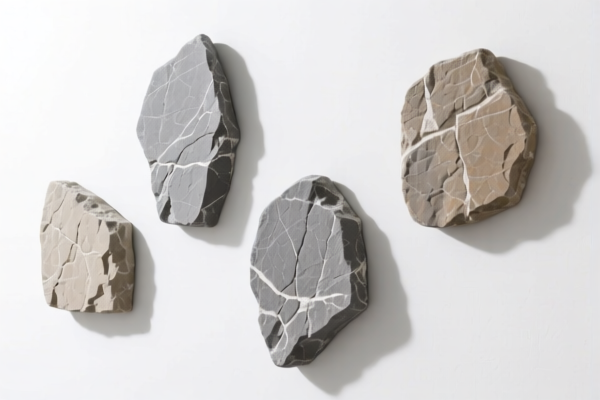
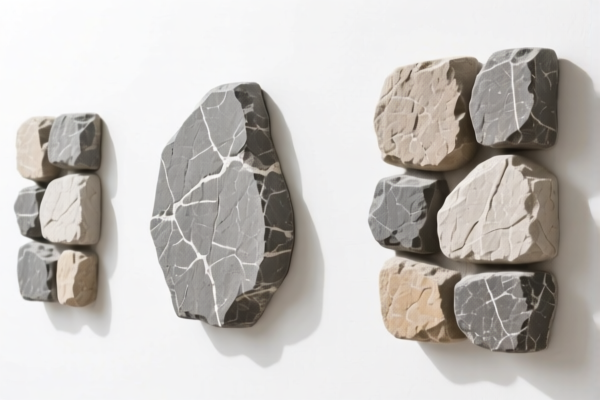
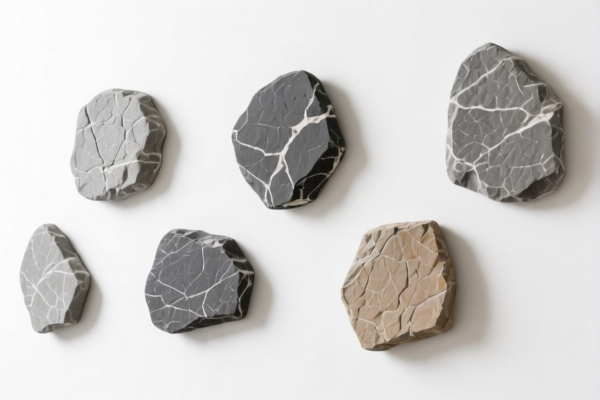
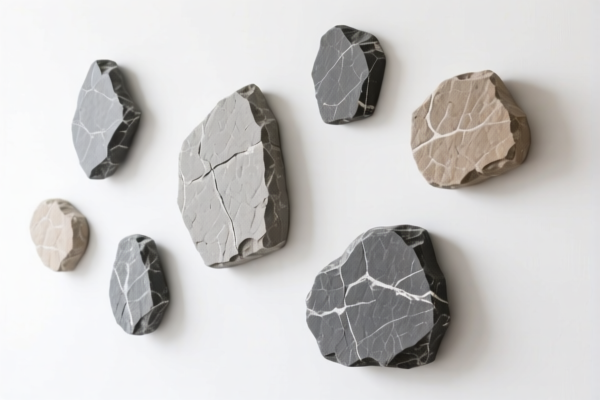
AI Analysis
🐱 The Wall Cat: Indoor & Outdoor Craft | 2026 Customs Clearance & Tariff Guide
🌐 HS Code Reference & Customs Strategy | 2026 Latest Tariff Analysis | Playful Yet Precise Classification
📌 I. Product Definition & Classification: What is a "Wall Cat"?
The "Wall Cat Indoor Outdoor Craft" is a decorative item, typically crafted from plastic, ceramic, resin, or metal (ferrous or non-ferrous), designed to resemble a cat figure. Its primary function is decoration (for shelves, walls, or garden spaces).
In international trade, this product falls into two main categories depending on its primary material and perceived purpose:
- Toys/Models (Plastic/Ceramic/Plush): If the item is marketed as a collectible figurine, a model kit, or has interactive/playful features, it may fall under Chapter 95 (Toys).
- Ornaments/Statues (Metal/Miscellaneous): If it is strictly a static decorative statue made of metal (e.g., zinc alloy, steel) or other non-plastic materials, it falls under Chapter 83 (Miscellaneous Articles of Base Metal) or other decorative categories.
⚠️ Key Distinction Point:
- Material is King: Is it Plastic/Resin? → Likely Chapter 95 (Toy/Model).
- Is it Metal (Base Metal)? → Likely Chapter 83 (Base Metal Ornament).
- Context: Is it sold as a "collectible model" or a "garden ornament"? This influences the "primary use" argument.
📦 II. HS Code Classification Details (2026 Authoritative Reference)
Based on the provided data, here are the three most likely HS Codes for your "Wall Cat" craft:
| HS Code | Product Description | Material Inference | Primary Use | Conflict Check |
|---|---|---|---|---|
9503.00.00.73 |
Toys: Dolls, Other Toys | Plastic, Ceramic, or Plush | Toy / Model / Collectible | ✅ No conflict with Toy/Model use |
9503.00.00.71 |
Toys: Decorations (Toys/Models/Ornaments) | Plastic, Resin, or Ceramic | Decoration (Toy Category) | ✅ Fits Toy & Model category |
8306.29.00.00 |
Ornaments, of Base Metal | Base Metal (e.g., Zinc, Steel) | Decoration (Metal Ornament) | ✅ Matches Metal Form & Use |
8306.21.00.00 |
Ornaments, of Base Metal (Figures) | Base Metal (Ferrous/Non-ferrous) | Decoration (Figural Ornament) | ✅ No obvious material conflict |
🔍 Critical Note:
- If your Wall Cat is plastic/resin, choose 9503.00.00.71 or .73.
- If your Wall Cat is metal, choose 8306.29.00.00 (general) or .21 (figurative).
- Do not mix materials: A plastic cat on a metal stand is still likely classified as a plastic toy/decoration depending on the dominant value.
💰 III. 2026 Latest Tariff Rate Breakdown (Including Surcharges)
✅ Applicable Country: United States (US)
✅ Origin: China (CN)
✅ Effective Date: Post-November 10, 2025
🎯 1. 9503.00.00.73 & 9503.00.00.71 (Plastic/Resin/Ceramic Toys & Decorations)
| Item | Content |
|---|---|
| Base Tariff | 0.0% |
| Section 301 Surcharge | 0.0% |
| Section 122 Tariff | +10.0% |
| Total Tariff Rate | 10.0% |
| Tax Calculation | CIF Value × 10% |
| De Minimis Eligibility | ❌ Denied (Subject to Section 122) |
| Legal Path | Section 122 Tariff → HS 9503.00.00.71/73 |
📌 Explanation:
- These items are classified as Toys/Decorations.
- They are exempt from the 25% Section 301 tariff but subject to the new 10% Section 122 tariff (targeting specific Chinese imports).
- Total Cost Impact: Only 10% of the CIF value. This is relatively favorable compared to electronics or metals.
🎯 2. 8306.29.00.00 (Base Metal Ornaments - General)
| Item | Content |
|---|---|
| Base Tariff | 0.0% |
| Section 301 Surcharge | 0.0% |
| Section 122 Tariff | +10.0% |
| Total Tariff Rate | 10.0% |
| Tax Calculation | CIF Value × 10% |
| De Minimis Eligibility | ❌ Denied (Subject to Section 122) |
| Legal Path | Section 122 Tariff → HS 8306.29.00.00 |
📌 Note:
- If the metal cat is not explicitly a "figurine" but a general ornament, this code applies.
- Same 10% rate as plastic toys under Section 122.
🎯 3. 8306.21.00.00 (Base Metal Ornaments - Figures)
| Item | Content |
|---|---|
| Base Tariff | 4.5% |
| Section 301 Surcharge | +7.5% |
| Section 122 Tariff | +10.0% |
| Total Tariff Rate | 22.0% |
| Tax Calculation | CIF Value × 22.0% |
| De Minimis Eligibility | ❌ Denied (Subject to all surcharges) |
| Legal Path | Base Tariff → Section 301 → Section 122 → HS 8306.21.00.00 |
📌 Warning:
- This code applies if the item is explicitly classified as a "Figure" made of base metal.
- Significantly Higher Cost: 22% total tariff vs. 10% for other categories.
- Avoid if Possible: Ensure product description emphasizes "Ornament" or "Decoration" rather than "Figure" if it’s a static wall art piece, to aim for.29or toy codes.
🛠️ IV. Customs Clearance Practical Advice (Pro Tips)
✅ 1. Documentation Checklist (Mandatory)
| Document | Required | Purpose |
|---|---|---|
| ✅ Product Specifications | ✔️ | Define material (Plastic? Metal? Resin?), Dimensions, Weight |
| ✅ Material Declaration | ✔️ | Crucial! Must state "100% Plastic," "Zinc Alloy," etc. |
| ✅ Product Photos | ✔️ | Show front, back, packaging, and any "Made in China" labels |
| ✅ Commercial Invoice | ✔️ | Use precise description: "Plastic Wall Cat Decoration, For Indoor/Outdoor Use" |
| ✅ Packing List | ✔️ | Net/Gross weight, package dimensions |
| ✅ Section 122 Declaration | ✔️ | Confirm origin and ensure correct tariff application |
✅ 2. Classification Strategy (Key Mantra)
🔥 “Material Defines Code, Section 122 Adds 10%, Metal Figures Cost More!”
| Scenario | Recommended HS Code | Total Tariff | Strategy |
|---|---|---|---|
| Plastic/Resin Cat | 9503.00.00.71 or .73 |
10% | Classify as "Toy/Decoration". Emphasize decorative play value. |
| Metal Ornament (General) | 8306.29.00.00 |
10% | Classify as "Ornament". Avoid "Figurine" terminology if possible. |
| Metal Figurine | 8306.21.00.00 |
22% | Higher tax. Use only if legally required. Justify as "Ornament" if ambiguous. |
📌 Important:
- Misclassification Risk: Declaring a metal figurine as a plastic toy will lead to penalties and back-taxes.
- Section 122 Applies: All four codes above are subject to the 10% Section 122 tariff. Ensure your broker has updated systems for this new levy.
✅ 3. Special Cases & Pitfalls
| Situation | Handling Advice |
|---|---|
| Composite Material (e.g., Metal Cat on Wooden Base) | Classify based on essential character. If metal is dominant, use 8306. If wood/base is dominant, consider Chapter 44. |
| Kits/Assembly Required | If it’s a "DIY Wall Cat Kit," classify as Toys (9503). This may help argue for the 10% rate over the 22% metal figure rate. |
| Outdoor-Specific Coatings | Mention UV-resistant coating in specs. Does not change HS Code but helps in "Indoor/Outdoor" marketing and clearance. |
| De Minimis Exemption | ❌ None of these codes qualify for $800 de minimis exemption due to Section 301 or Section 122. Full duties apply. |
🌍 V. Global Market Comparison (2026)
| Country/Region | Recommended HS Code | Tariff (China Origin) | Notes |
|---|---|---|---|
| 🇺🇸 USA | 9503.00.00.71 / 8306.29.00.00 |
10% (Section 122) | Avoid 8306.21 (22%). |
| 🇪🇺 EU | 9503.00.00 / 8306.29 |
0% - 2.5% | No Section 122. Lower overall cost. |
| 🇨🇦 Canada | 9503.00.00 / 8306.29 |
0% - 5% | Preferential rates under CUSMA for some materials. |
| 🇬🇧 UK | 9503.00.00 / 8306.29 |
0% - 4% | Post-Brexit independent tariffs. |
📌 Conclusion:
- The USA is the most challenging market due to Section 122 (10%) and potential Section 301 (0-25%).
- Material Choice is your best lever for tax optimization. Plastic/Resin toys are taxed at 10%, while Metal Figures can be 22%.
📌 VI. Common Errors & Pitfalls (Lessons Learned)
❌ Error 1: Calling a metal figurine a "Plastic Toy" to avoid taxes.
👉 Result: Customs inspection reveals metal → Penalties + Back Taxes (12% difference!).
❌ Error 2: Ignoring Section 122.
👉 Result: Underpayment of 10% on all these goods since late 2025 → Audit Risk.
❌ Error 3: Using vague descriptions like "Cat Decoration."
👉 Result: Customs may classify under the highest duty rate (22%) due to ambiguity.
👉 Fix: Be specific: "Plastic Resin Wall Cat Ornament, Indoor/Outdoor."
✅ Best Practice:
"Metal Base Metal Ornament, Cat Shape, UV Coated, For Wall Mounting, Made in China"
→ Use 8306.29.00.00 for 10% total duty.
🎯 VII. Conclusion: Smart Classification for Higher Margins
🎯 Remember the Mantra:
🔹 "Plastic/Resin = Toy (10%)
🔹 "Metal General Ornament = 10%
🔹 "Metal Figurine = 22% (Avoid!)"
🔹 "Section 122 is Non-Negotiable (10%)"
📌 Pro Tip:
If you are importing small quantities (<$800), remember that Section 122 still applies, so de minimis does not save you from the 10% tariff. Plan your shipments accordingly.
📣 Immediate Action:
📞 Contact your customs broker with the exact material composition.
📝 Update your Invoice Descriptions to match9503or8306.29.
🚀 Optimize your supply chain by choosing plastic/resin materials if possible, to cap tariffs at 10% instead of 22%.
✨ Precision in Classification = Savings in Customs!
💼 Don’t let a 12% tariff difference eat your profits!
Customer Reviews
About HS Code Classification
The Harmonized System (HS) is an internationally standardized nomenclature developed by the World Customs Organization (WCO) to classify traded products. Over 200 countries use the HS system as the basis for customs tariffs, trade statistics, and import/export regulations.
Each HS code follows a hierarchical structure:
- Chapter (2 digits) — Broad category of goods (e.g., Chapter 84: Machinery and Mechanical Appliances)
- Heading (4 digits) — More specific grouping within the chapter
- Subheading (6 digits) — Internationally standardized breakdown, used by all WCO member countries
- National subdivisions (8-10 digits) — Country-specific extensions for further classification, such as US HTSUS 10-digit codes
Correct HS code classification is essential for smooth customs clearance, accurate duty payment, and compliance with trade regulations. Misclassification can lead to customs delays, overpayment of duties, or penalties.
When importing from CN to US, the applicable tariff rates may include:
- Most-Favored-Nation (MFN) rate — The standard duty rate applied to WTO members
- General rate — Applied to countries without trade agreements
- Trade remedy duties — Additional tariffs such as Section 301 (anti-dumping), Section 232 (national security), or countervailing duties
The information provided on this page is for reference purposes only. For official classification, please consult with your local customs authority or a licensed customs broker.