Wall Decor Strip
CN → US| HS Code | Tariff Rate | Origin | Destination | Doc |
|---|---|---|---|---|
| 3926909989 | 22.8% | CN | US | Official Doc |
| 7326908688 | 87.9% | CN | US | Official Doc |
| 7326190080 | 87.9% | CN | US | Official Doc |
| 8708295160 | 0.0% | CN | US | Official Doc |
| 3926400090 | 15.3% | CN | US | Official Doc |
Product Images
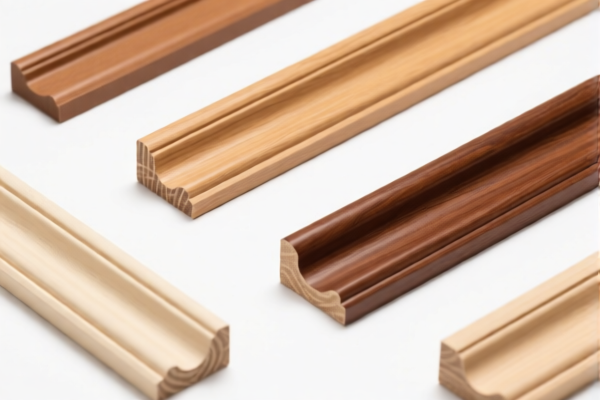
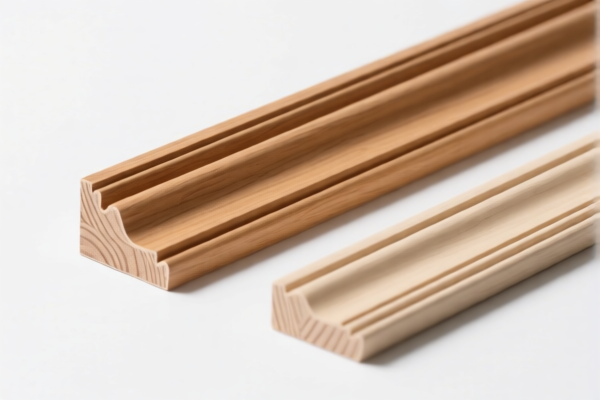
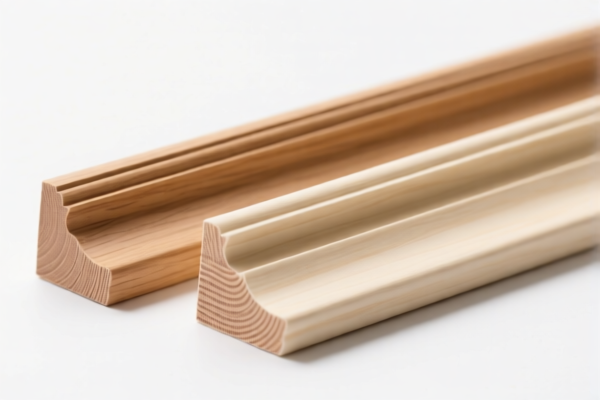
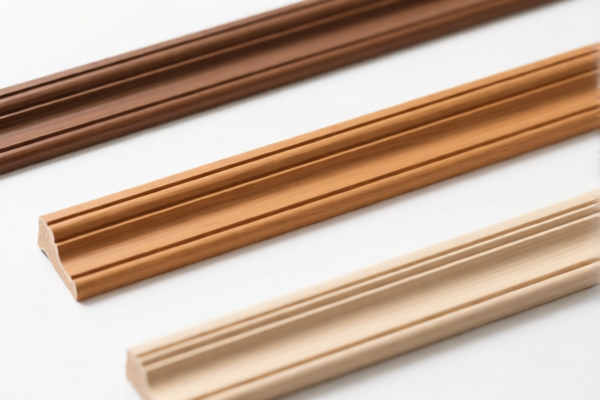
AI Analysis
🚗 Wall Decor Strip (Automotive Trim)
🌐 HS Code Reference & Customs Clearance Guide | 2024/2025 Latest Tariff Analysis | Professional Compliance Strategy
📌 I. Product Definition & Classification: What is a "Wall Decor Strip"?
In the context of international trade, "Wall Decor Strip" typically refers to Automotive Trim Molds / Decorative Strips (汽车装饰条). These are aesthetic components used to enhance the visual appeal of vehicle interiors or exteriors.
Key Classification Dilemma:
The classification hinges entirely on Material Composition and Functional Purpose.
- Plastic Trim: Falls under Chapter 39 (Plastics).
- Metal Trim: Falls under Chapter 73 (Iron/Steel) or Chapter 87 (Vehicle Parts).
- Vehicle Part Status: If it is a specific accessory for a car, it may fall under Chapter 87 (Vehicle Parts/Accessories).
⚠️ Critical Distinction:
- If made of Plastic + Used for Decoration → 3926.90.99.89 or 3926.40.00.90
- If made of Metal + General Decorative Use → 7326.90.86.88
- If made of Metal + Vehicle Specific Part → 8708.29.51.60
📦 II. HS Code Classification Details (Based on Provided Data)
The following HS Codes and Tax Rates are derived strictly from the provided <DATA> source.
| HS Code | Product Description | Material/Function Logic | Total Tax Rate |
|---|---|---|---|
3926.90.99.89 |
Other plastic articles (Decorative Strips) | Plastic. Inferred as plastic based on name "Wall Decor Strip". No material conflict with "Other plastic articles". | 22.8% |
3926.40.00.90 |
Other ornaments, decorations | Plastic. Inferred as plastic. Classified as "Other Ornaments/Decorations". | 15.3% |
7326.90.86.88 |
Other articles of iron/steel | Metal. Inferred as metal (e.g., stainless steel, aluminum alloy). Categorized as "Other iron/steel articles" (catch-all). | 87.9% |
7326.19.00.80 |
Other articles of iron/steel | Metal. Fits "Other steel articles" catch-all category. No material conflict. | 87.9% |
8708.29.51.60 |
Vehicle body parts/accessories | Mixed (Metal/Plastic). Classified as "Other parts and accessories" for vehicles. No material conflict. | 2.5% + 85.0% |
🔍 Key Insight from Data:
- Plastic options have significantly lower tax burdens (15.3% - 22.8%) compared to Metal options (87.9%).
- Vehicle-specific classification (8708.29.51.60) offers a complex structure: Base 2.5% + Heavy Surcharges totaling 85.0%.
💰 III. 2024/2025 Latest Tariff Rate Breakdown (Detailed Tax Clauses)
✅ Applicable Market: United States (US)
✅ Origin: China (CN)
✅ Tax Components: Base Tariff + Section 301 (25%) + Section 122 (10%) + Specific Metal Surcharges (50% for Steel/Aluminum/Copper)
🎯 1. 3926.90.99.89 – Plastic Decorative Strip
| Item | Details |
|---|---|
| Base Tariff | 5.3% |
| Section 301 Surcharge | 7.5% |
| Section 122 Clause Tariff | 10% |
| Total Tax Rate | 22.8% |
| Legal Basis | Base + Sec 301 + Sec 122 |
| Notes | Lowest tax among plastic options. Suitable if material is primarily plastic. |
📌 Explanation:
- The "7.5%" is the specific Section 301 rate for this subheading.
- The "10%" is the Section 122 tariff.
- Total: 5.3% + 7.5% + 10% = 22.8%.
🎯 2. 3926.40.00.90 – Plastic Ornaments/Decorations
| Item | Details |
|---|---|
| Base Tariff | 5.3% |
| Section 301 Surcharge | 0.0% |
| Section 122 Clause Tariff | 10% |
| Total Tax Rate | 15.3% |
| Legal Basis | Base + Sec 122 |
| Notes | Lowest Overall Tax Rate. Best if classified as "Decoration/Ornament" rather than general "Plastic Article". |
📌 Explanation:
- Zero Section 301 surcharge makes this the most cost-effective plastic classification.
- Total: 5.3% + 0% + 10% = 15.3%.
- Strategy: If the product can be justified as an "ornament" or "decoration" rather than a general plastic part, this is the optimal HS Code.
🎯 3. 7326.90.86.88 / 7326.19.00.80 – Metal (Iron/Steel) Articles
| Item | Details |
|---|---|
| Base Tariff | 2.9% |
| Section 301 Surcharge | 25.0% |
| Section 122 Clause Tariff | 10% |
| Steel/Aluminum/Copper Surcharge | 50% |
| Total Tax Rate | 87.9% |
| Legal Basis | Base + Sec 301 + Sec 122 + Specific Metal Surcharge |
| Notes | Extremely High Tax. Avoid if possible. Applies to both 7326.90.86.88 and 7326.19.00.80. |
📌 Explanation:
- Base 2.9% is low, but the surcharges are devastating.
- 25% (Sec 301) + 10% (Sec 122) + 50% (Specific Metal Surcharge) = 85% Surcharge.
- Total: 2.9% + 85% = 87.9%.
- Warning: If the strip is metal (stainless steel, aluminum), this is the default classification, leading to nearly 90% tax.
🎯 4. 8708.29.51.60 – Vehicle Body Parts/Accessories
| Item | Details |
|---|---|
| Base Tariff | 2.5% |
| Section 301 Surcharge | 25.0% |
| Section 122 Clause Tariff | 10% |
| Steel/Aluminum/Copper Surcharge | 50% |
| Total Tax Rate | 2.5% + 85.0% = 87.5% (Note: Data says "2.5% + 85.0%") |
| Legal Basis | Base + Sec 301 + Sec 122 + Specific Metal Surcharge |
| Notes | Classified as "Other Parts & Accessories" for vehicles. |
📌 Explanation:
- Although classified as a vehicle part, if it contains steel/aluminum, it attracts the 50% specific metal surcharge.
- Total Surcharge: 25% + 10% + 50% = 85%.
- Total Tax: 2.5% Base + 85% Surcharge = 87.5% (Data lists "2.5% + 85.0%").
- Note: Even though it's a "vehicle part," the metal content triggers the heavy surcharge.
🛠️ IV. Customs Clearance Practical Advice (Risk Mitigation)
✅ 1. Strategic Classification Recommendations
| Scenario | Recommended HS Code | Tax Rate | Action |
|---|---|---|---|
| Product is Plastic | 3926.40.00.90 |
15.3% | BEST OPTION. Argue it is an "ornament/decoration" to avoid the 7.5% Sec 301 surcharge. |
| Product is Plastic (General) | 3926.90.99.89 |
22.8% | Acceptable, but higher tax than 3926.40.00.90. |
| Product is Metal | Avoid | 87.9% | High Risk. Consider if material can be changed to plastic or non-metal composite. |
| Product is Vehicle Part | 8708.29.51.60 |
~87.5% | High risk due to metal surcharge. Only use if strictly required as a vehicle part. |
✅ 2. Documentation Preparation
| Document | Requirement | Purpose |
|---|---|---|
| Product Specification | Must specify Material (Plastic vs. Metal) | Crucial for determining Chapter 39 vs. Chapter 73/87. |
| Product Photos | Clear images showing no metal content (if claiming plastic) | Prevents customs from assuming metal. |
| Function Description | "Decorative Strip for Interior/Exterior" | Support classification under "Ornaments" (3926.40) or "Other Plastic Articles" (3926.90). |
| Origin Certificate | China Origin | To calculate correct Section 301 and Sec 122 duties. |
✅ 3. Critical Compliance Tips
🔥 "Material is King, Declaration is Queen!"
| Mistake | Consequence | Solution |
|---|---|---|
| Misdeclaring Metal as Plastic | Penalty, Back Taxes, Seizure | Provide material test reports (e.g., SGS) confirming plastic composition. |
| Using Wrong HS for Plastic | Overpayment (22.8% vs 15.3%) | Argue for 3926.40.00.90 as "Decoration" to save 7.5%. |
| Ignoring Metal Surcharge | Unexpected 87.9% Tax | If metal, plan for ~88% tax. Consider redesigning in plastic. |
| Vague Description | Customs Discretion | Use specific terms: "Plastic Decorative Trim Strip" instead of just "Wall Strip". |
✅ 4. Special Considerations for "Wall Decor Strip"
- Ambiguity: "Wall Decor" might imply home decoration (Chapter 39/95), but if it's for cars, it's Chapter 87 or Chapter 39 (parts).
- Clarification: In the
<DATA>, all codes are linked to Automotive context ("汽车装饰条"). Ensure your product is indeed for vehicles. If it's for home walls, these HS Codes may be incorrect, and a different classification (e.g.,3926.90.99for home decor) might apply with different taxes. - Assumption: The following advice assumes Automotive use based on the
<DATA>source.
🌍 V. Global Market Comparison (Contextual)
| Market | Primary HS Code (Plastic) | Tax Rate | Notes |
|---|---|---|---|
| 🇺🇸 USA | 3926.40.00.90 |
15.3% | Best due to 0% Sec 301. |
| 🇨🇳 China | 3926.40.00.90 |
~5-10% | Lower base rate, no Sec 301. |
| 🇪🇺 EU | 3926.90.95 |
~0-4% | Low tariffs, no Section 301/122. |
📌 Conclusion:
- USA is the most complex market due to Section 301 and Section 122.
- Plastic Classification is significantly cheaper than Metal.
- Optimization: Push for3926.40.00.90(Decorations) to save 7.5% in the US.
📌 VI. Common Errors & Pitfalls
❌ Error 1: Assuming "Wall Decor" is for home use.
👉 Consequence: Wrong HS Code, potential misdeclaration.
✅ Fix: Confirm if product is for Automotive or Home. The <DATA> implies Automotive.
❌ Error 2: Declaring Metal Strips as Plastic to Avoid Tax.
👉 Consequence: Customs inspection will reveal metal, leading to 87.9% tax + penalties.
✅ Fix: Declare true material. If metal, budget for high tax or switch suppliers to plastic.
❌ Error 3: Using 7326.90.86.88 without calculating the 50% Metal Surcharge.
👉 Consequence: Unexpected 87.9% tax instead of expected 25-30%.
✅ Fix: Always include the 50% steel/aluminum surcharge in metal calculations.
🎯 VII. Conclusion: Professional Declaration, Cost Optimization
🎯 Key Takeaway:
🔹 Plastic is King: For "Wall Decor Strip" (Automotive Trim), Plastic classifications (
3926) are far cheaper than Metal (7326).
🔹 Target HS Code:3926.40.00.90(15.3%) is the best-case scenario for plastic strips in the US.
🔹 Avoid Metal: Metal strips face 87.9% tax. Redesign in plastic if possible.
📌 Pro Tip:
If your product is 100% Plastic, ensure your commercial invoice and packing list clearly state "Plastic Decorative Strip". Avoid ambiguous terms like "Trim" or "Band" that might imply metal.
📣 Immediate Action:
1. Confirm Material: Is it Plastic or Metal?
2. Select HS Code:
- Plastic → 3926.40.00.90 (15.3%)
- Metal → 7326.90.86.88 (87.9%)
3. Declare Accurately: Use "Plastic Automotive Decorative Strip" for plastic goods.
✨ Professional Clearance Starts with Accurate Classification!
💼 Save 72%+ by choosing the right HS Code!
Customer Reviews
About HS Code Classification
The Harmonized System (HS) is an internationally standardized nomenclature developed by the World Customs Organization (WCO) to classify traded products. Over 200 countries use the HS system as the basis for customs tariffs, trade statistics, and import/export regulations.
Each HS code follows a hierarchical structure:
- Chapter (2 digits) — Broad category of goods (e.g., Chapter 84: Machinery and Mechanical Appliances)
- Heading (4 digits) — More specific grouping within the chapter
- Subheading (6 digits) — Internationally standardized breakdown, used by all WCO member countries
- National subdivisions (8-10 digits) — Country-specific extensions for further classification, such as US HTSUS 10-digit codes
Correct HS code classification is essential for smooth customs clearance, accurate duty payment, and compliance with trade regulations. Misclassification can lead to customs delays, overpayment of duties, or penalties.
When importing from CN to US, the applicable tariff rates may include:
- Most-Favored-Nation (MFN) rate — The standard duty rate applied to WTO members
- General rate — Applied to countries without trade agreements
- Trade remedy duties — Additional tariffs such as Section 301 (anti-dumping), Section 232 (national security), or countervailing duties
The information provided on this page is for reference purposes only. For official classification, please consult with your local customs authority or a licensed customs broker.