Wall Hanging Decoration
CN → US| HS Code | Tariff Rate | Origin | Destination | Doc |
|---|---|---|---|---|
| 4421913000 | 20.7% | CN | US | Official Doc |
| 3926400090 | 15.3% | CN | US | Official Doc |
| 4421919880 | 38.3% | CN | US | Official Doc |
| 3926400010 | 15.3% | CN | US | Official Doc |
Product Images

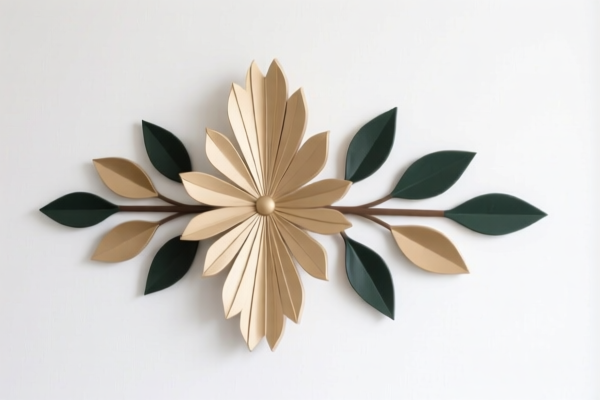
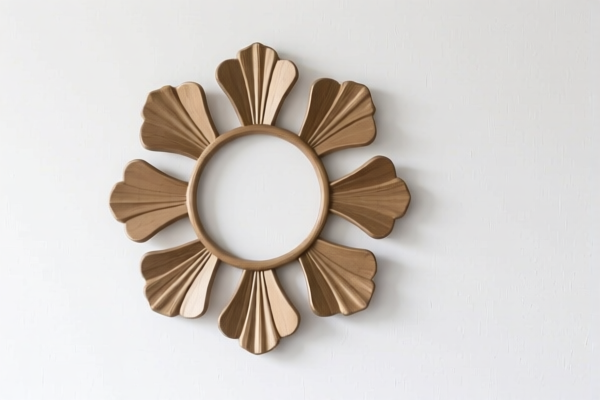
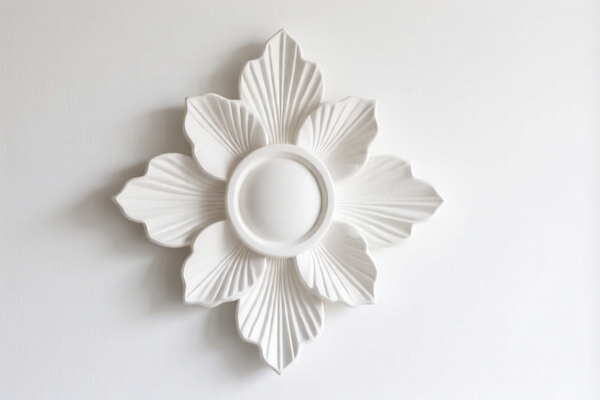
AI Analysis
🖼️ WALL HANGING DECORATION (Wall Hangings, Wall Art, & Decorative Panels)
🌐 HS Code Reference & Clearance Guide | 2026 Latest Tariff Analysis | Professional Strategy
📌 I. Product Definition & Classification: Are Your Wall Hangings "Wood" or "Plastic"?
Wall hangings are non-structural decorative items used to enhance interior aesthetics. In international trade, the Material Composition is the single most critical factor determining the HS Code. Misclassification often leads to massive tax discrepancies due to the 10% "122 Clause" tariffs and the 25% Section 301 "Additional Tariffs" on specific materials.
Key Material Categories:
- Wooden/Bamboo Items: Solid wood panels, carved wooden art, and bamboo screens acting as wall decor.
- Risk: High tariff exposure (38.3%) due to "Additional Tariffs" + "122 Clause".
- Plastic/Polymer Items: Vinyl banners, plastic statues, resin figures, and PVC wall art.
- Risk: Moderate tariff exposure (15.3%).
- Statues/Figures: Freestanding decorative items intended to be hung or placed against walls.
- Risk: Similar to plastic items, but specific material nuances apply.
⚠️ Critical Distinction:
- Material is King: "Wood" (HS 44) vs. "Plastic" (HS 39) vs. "Statue" (HS 39/44).
- "Wall Hanging" Function: Even if a bamboo item is a "screen," if it is designed/used as wall decor, it falls under 4421.91.
- The 122 Clause Trap: Many "兜底" (catch-all) items face an extra 10% tax on top of base duties.
📦 II. HS Code Classification Details (2026 Latest Tariff Reference)
Based on the specific material and form of your wall decoration, here is the authoritative mapping:
| HS Code | Product Description (Summary) | Material Type | Tax Rate |
|---|---|---|---|
4421.91.98.80 |
Wooden or Bamboo Wall Decorations (Catch-all category) | Wood / Bamboo | 38.3% |
3926.40.00.10 |
Plastic or Other Material Wall Decorations (General decorative use) | Plastic / PVC | 15.3% |
4421.91.30.00 |
Bamboo Screens or Sunshades used as Wall Decor | Bamboo | 20.7% |
3926.40.00.90 |
Statues and Other Ornaments (Decorative figures) | Plastic / Resin | 15.3% |
🔍 Key Insight:
-4421.91.98.80(Wood) is the most expensive category. It includes Base Duty (3.3%) + Additional Tariff (25%) + 122 Clause (10%).
-3926.40.00.10(Plastic) is the most efficient for mass production. It includes Base Duty (5.3%) + 122 Clause (10%), with 0% Additional Tariff.
-4421.91.30.00(Bamboo Screens) sits in the middle. It has a higher Base Duty (10.7%) but 0% Additional Tariff, resulting in a total of 20.7%.
💰 III. 2026 Latest Tariff Rate Breakdown (Including Surcharges & Policy Add-ons)
✅ Target Market: USA (US)
✅ Country of Origin: China (CN)
✅ Effective Date: Includes all tariffs from 2025/2026 trade regimes.
🎯 1. 4421.91.98.80 — Wooden or Bamboo Wall Decor (The High-Cost Option)
| Item | Content |
|---|---|
| Base Duty (MFN) | 3.3% (Standard tariff for wood products) |
| Section 301 Additional Tariff | +25.0% (Heavy penalty on specific wood categories) |
| "122 Clause" Tariff | +10.0% (Specific policy add-on for catch-all items) |
| Total Tax Rate | 38.3% |
| Tax Calculation | CIF Value × 38.3% |
| De Minimis Exemption | ❌ NO (Cannot be used for small parcels <800 USD) |
| Legal Basis Path | HTS 4421.91.98.80 → Section 301 (25%) → 122 Clause (10%) |
📌 Explanation:
This classification traps you with a double penalty: The standard 25% "301" tariff on wood products PLUS an extra 10% "122 Clause" tariff. This is the most expensive category for wooden wall art.
🎯 2. 3926.40.00.10 — Plastic or Other Material Wall Decor (The Efficient Option)
| Item | Content |
|---|---|
| Base Duty (MFN) | 5.3% (Standard tariff for plastic ornaments) |
| Section 301 Additional Tariff | 0.0% (No heavy penalty applied here) |
| "122 Clause" Tariff | +10.0% (Policy add-on for general plastic decor) |
| Total Tax Rate | 15.3% |
| Tax Calculation | CIF Value × 15.3% |
| De Minimis Exemption | ❌ NO |
| Legal Basis Path | HTS 3926.40.00.10 → 122 Clause (10%) |
📌 Note:
Even though it has a 10% "122 Clause" tariff, the absence of the 25% Section 301 tax makes this significantly cheaper than wooden items. Ideal for vinyl banners, plastic wall art, and PVC decorations.
🎯 3. 4421.91.30.00 — Bamboo Screens/Shades (The Middle Ground)
| Item | Content |
|---|---|
| Base Duty (MFN) | 10.7% (Higher base duty for bamboo screens) |
| Section 301 Additional Tariff | 0.0% (Bamboo screens often exempt from 25% penalty) |
| "122 Clause" Tariff | +10.0% |
| Total Tax Rate | 20.7% |
| Tax Calculation | CIF Value × 20.7% |
| De Minimis Exemption | ❌ NO |
| Legal Basis Path | HTS 4421.91.30.00 → 122 Clause (10%) |
📌 Strategy:
If your product is clearly a "Bamboo Screen" or "Sunshade" designed for a wall, this code is cheaper than general wood (4421.91.98.80) but more expensive than plastic (3926.40.00.10). Ensure the product function (screen/shade) is explicitly defined in specs.
🎯 4. 3926.40.00.90 — Statues & Ornaments (The Flexible Option)
| Item | Content |
|---|---|
| Base Duty (MFN) | 5.3% |
| Section 301 Additional Tariff | 0.0% |
| "122 Clause" Tariff | +10.0% |
| Total Tax Rate | 15.3% |
| Tax Calculation | CIF Value × 15.3% |
| De Minimis Exemption | ❌ NO |
| Legal Basis Path | HTS 3926.40.00.90 → 122 Clause (10%) |
📌 Note:
For "statues" or "figures" made of plastic/resin used as wall decor, this code is identical in tax to3926.40.00.10. It is the safest bet for non-wood, non-bamboo decorative figures.
🛠️ IV. Practical Customs Clearance Advice (Avoiding Pitfalls)
✅ 1. Essential Documentation Checklist (Do Not Miss)
| Document | Required? | Why? |
|---|---|---|
| Product Specification Sheet | ✅ | Must explicitly state Material (e.g., "100% Bamboo" vs "PVC"). |
| Material Composition Report | ✅ | Critical for distinguishing between 4421 (Wood) and 3926 (Plastic). |
| Product Photos (Labeled) | ✅ | Show the item hanging or mounted to prove "Wall Decoration" intent. |
| Commercial Invoice | ✅ | Must not use vague terms like "Gift"; use "Wall Hanging Decoration". |
| Packaging List | ✅ | Show weight and dimensions to avoid "misdeclared volume" penalties. |
✅ 2. Declaration Strategy (Key Mantras)
🔥 "Material First, Function Second, Avoid the 'Catch-All' Trap!"
| Scenario | Correct Declaration | Wrong Declaration | Consequence |
|---|---|---|---|
| Wooden Wall Art | 4421.91.98.80 (Be ready for 38.3%) |
3926... (Plastic code) |
Severe Penalty (Audit + Fines for fraud). |
| Bamboo Screen | 4421.91.30.00 (If used as screen) |
4421.91.98.80 (Generic Wood) |
Extra 17.6% Tax paid unnecessarily. |
| Plastic Statue | 3926.40.00.90 |
4421... (Wood code) |
38.3% Tax vs 15.3% (Huge overpayment). |
| Mixed Materials | Split Declaration | Mixed in one line | Rejection by Customs. |
✅ 3. Special Handling Tips
| Situation | Recommendation |
|---|---|
| "Bamboo" vs "Wood" | If the item is made of bamboo, INSIST on 4421.91.30.00. Do not let the carrier force it into the generic 4421.91.98.80 to save on "wood" definitions. |
| "Plastic" with Wooden Frames | If the frame is wood but the main decor is plastic, the primary material rule applies. Consult a broker to see if the wood frame makes it 4421. |
| 122 Clause Awareness | Be aware that ALL codes listed above include the 10% "122 Clause". There is no escaping this specific surcharge for these categories in 2026. |
🌍 V. Global Market Comparison (2026)
| Country | Recommended HS Code | Total Tax (China Origin) | Key Requirement |
|---|---|---|---|
| 🇺🇸 USA | 4421.91.98.80 (Wood) |
38.3% | High risk of audit on material. |
| 🇺🇸 USA | 3926.40.00.10 (Plastic) |
15.3% | Best option for cost reduction. |
| 🇨🇳 China | 4421.91.98.80 |
Low (5-10%) | Domestic export tax refund. |
| 🇪🇺 EU | 4421.91.98.80 |
~0-4% | EUDR (Deforestation) rules apply to Wood! |
| 🇬🇧 UK | 4421.91.98.80 |
~0-3% | Similar to EU, check CITES for exotic wood. |
📌 Conclusion:
For the USA market, Plastic (3926) is vastly superior to Wood (4421) due to the 25% Section 301 tariff.
EU/UK are much friendlier but have strict Deforestation (EUDR) regulations for wooden products.
📌 VI. Common Mistakes & "Blood-Teaching" Lessons
❌ Mistake 1: Calling a "Wooden Bamboo Screen" just "Wall Art"
👉 Result: Customs classifies it as generic wood (4421.91.98.80), charging 38.3% instead of 20.7%.
👉 Fix: Declare as "Bamboo Screen, 4421.91.30.00".
❌ Mistake 2: Claiming "Plastic" for a product with a wooden frame
👉 Result: Audit finds wood content >50%, reclassifies to Wood (4421), charges 38.3% + Penalties.
👉 Fix: Be honest about material composition; if mixed, declare the dominant material or split the shipment.
❌ Mistake 3: Ignoring the "122 Clause" in budget calculations
👉 Result: Underestimated tax by 10%, causing cash flow crisis.
👉 Fix: Always add 10% for the 122 Clause to your Landed Cost.
✅ Best Practice:
"If it's wood, expect 38.3%. If it's plastic, aim for 15.3%. If it's bamboo screen, target 20.7%. Don't guess—declare the truth!"
🎯 VII. Conclusion: Precision is Profit!
🎯 Remember the Mantra:
🔹 "Wood = 38.3% (Heavy Tax) | Plastic = 15.3% (Light Tax) | Bamboo Screen = 20.7% (Middle)"
🔹 "Material defines the HS Code, Tax defines the Profit Margin!"
📌 Pro Tip:
If your product allows, switch from Wood to Plastic or Bamboo to Plastic to save 17.6% to 23% in taxes. This is a direct boost to your bottom line!
📣 Immediate Action:
📞 Contact your Broker: "Is this product classified under
4421.91.98.80or3926.40.00.10?"
🚀 Submit Pre-Arrival Documentation: Get a binding ruling if possible.
📦 Optimize Packaging: Ensure material is clearly labeled in the box to avoid "Unknown Material" delays.
✨ Professional Clearance Starts with Accurate Classification!
💼 Every percentage point saved is pure profit!
Customer Reviews
About HS Code Classification
The Harmonized System (HS) is an internationally standardized nomenclature developed by the World Customs Organization (WCO) to classify traded products. Over 200 countries use the HS system as the basis for customs tariffs, trade statistics, and import/export regulations.
Each HS code follows a hierarchical structure:
- Chapter (2 digits) — Broad category of goods (e.g., Chapter 84: Machinery and Mechanical Appliances)
- Heading (4 digits) — More specific grouping within the chapter
- Subheading (6 digits) — Internationally standardized breakdown, used by all WCO member countries
- National subdivisions (8-10 digits) — Country-specific extensions for further classification, such as US HTSUS 10-digit codes
Correct HS code classification is essential for smooth customs clearance, accurate duty payment, and compliance with trade regulations. Misclassification can lead to customs delays, overpayment of duties, or penalties.
When importing from CN to US, the applicable tariff rates may include:
- Most-Favored-Nation (MFN) rate — The standard duty rate applied to WTO members
- General rate — Applied to countries without trade agreements
- Trade remedy duties — Additional tariffs such as Section 301 (anti-dumping), Section 232 (national security), or countervailing duties
The information provided on this page is for reference purposes only. For official classification, please consult with your local customs authority or a licensed customs broker.