Wall Shelf
CN → US| HS Code | Tariff Rate | Origin | Destination | Doc |
|---|---|---|---|---|
| 7326908688 | 87.9% | CN | US | Official Doc |
| 7326908630 | 87.9% | CN | US | Official Doc |
| 9403200082 | 85.0% | CN | US | Official Doc |
| 9403200078 | 85.0% | CN | US | Official Doc |
Product Images
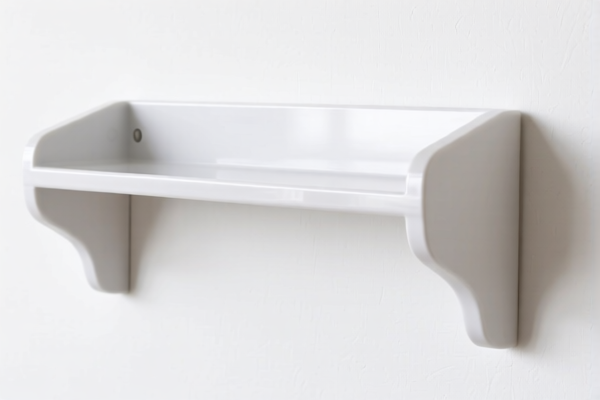
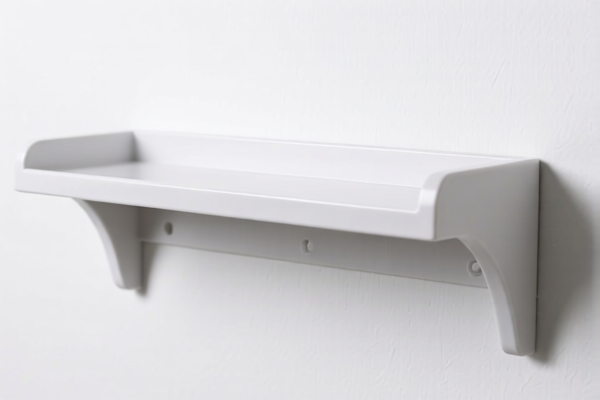
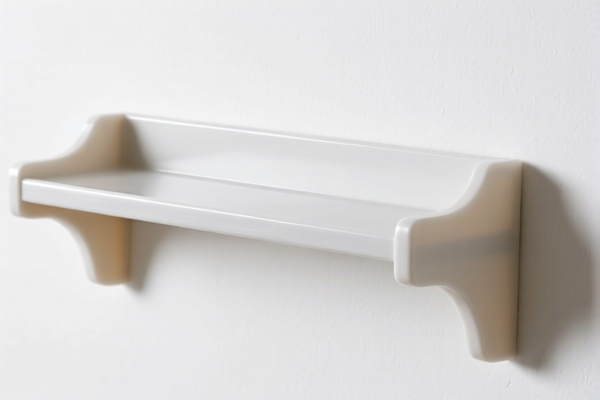
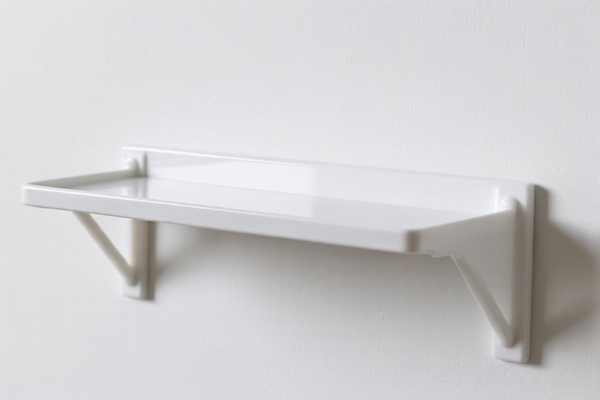
AI Analysis
🏗️ Wall Shelf (Storage Solutions & Fixtures)
🌐 HS Code Reference & Customs Clearance Guide | 2026 Latest Tariff Analysis | Professional Entry Strategy
📌 I. Product Definition & Classification: Do You Really Know "Wall Shelves"?
Wall shelves are essential storage fixtures used in residential, commercial, and industrial settings. In international trade, they are categorized based on material and function. The critical distinction lies in whether the item is classified as a general metal product (Chapter 73) or furniture (Chapter 94).
Key Classification Drivers:
- Material: Iron, steel, aluminum, wood, or mixed materials.
- Function: Is it a simple bracket/support (Metal Product) or a piece of furniture for storage (Furniture)?
- Installation: Fixed to walls vs. freestanding units.
⚠️ Critical Distinction:
- Simple metal brackets, supports, or unadorned racks → Often fall under Chapter 73 (Articles of Iron/Steel).
- Finished shelving units, especially those with decorative elements or designed as "furniture" → Often fall under Chapter 94 (Furniture).
- Note: Misclassification can lead to significant tariff differences due to US Section 301 and Section 232 duties.
📦 II. HS Code Classification Details (2026 Latest Tariff Matrix)
| HS Code | Product Description | Application Scenario | Material/Type |
|---|---|---|---|
7326.90.86.88 |
Other articles of iron or steel | Simple metal supports, industrial brackets, unadorned steel racks | 🛠️ Iron/Steel |
7326.90.86.30 |
Other articles of iron or steel | Wall-mounted brackets, support structures, metal fixtures | 🛠️ Iron/Steel |
9403.20.00.82 |
Other metal furniture | Decorative metal shelves, wooden/metal hybrid storage units | 🪑 Metal/Wood Furniture |
9403.20.00.78 |
Other metal furniture | Metal or wooden furniture components, shelving units classified as furniture | 🪑 Metal/Wood Furniture |
🔍 Key Insight:
- Chapter 73 Codes (7326...) apply to items primarily defined as articles of metal (e.g., brackets, supports).
- Chapter 94 Codes (9403...) apply to items defined as furniture (e.g., finished shelving units, decorative storage).
- Tariff Impact: Chapter 73 items often face higher total tariffs due to broader application of steel/aluminum duties (Section 232) compared to some furniture entries.
💰 III. 2026 Latest Tariff Rate Breakdown (Including Surcharges & Policy Add-ons)
✅ Applicable Country: United States (US)
✅ Origin: China (CN)
✅ Effective Date: Current rates apply (Section 301 & 232 duties active)
🎯 1. 7326.90.86.88 & 7326.90.86.30 —— Other Iron/Steel Articles
These codes fall under Chapter 73, which is heavily impacted by Section 232 (Steel/Aluminum) and Section 301 (China) tariffs.
| Item | Content |
|---|---|
| Base Tariff | 2.9% (ad valorem) |
| Section 301 Add-on | +25% (Trade Facilitation and Trade Enforcement Act) |
| Section 232 Add-on | +50% (Steel, Aluminum, and Copper Products – Note: Specific application depends on product shape/form, but "122 Clause" steel/aluminum surcharge often applies) |
| Total Effective Rate | 87.9% |
| Calculation | CIF Value × 87.9% |
| De Minimis Exemption | ❌ Not Eligible (High risk of detention) |
| Legal Basis | Section 301: HTSUS 9903.88.01 → Section 232: HTSUS 9903.01.03 |
📌 Explanation:
- 2.9% is the standard MFN base duty.
- 25% is the standard Section 301 duty for most Chinese goods.
- 50% is the Section 232 duty for steel/aluminum products (or specific "122 Clause" surcharges).
- Total 87.9% is extremely high. This makes unbranded, simple metal wall brackets from China very costly to import.
🎯 2. 9403.20.00.82 & 9403.20.00.78 —— Other Metal Furniture
These codes fall under Chapter 94 (Furniture). While still subject to Section 301, they may be exempt from Section 232 steel duties depending on the specific form and if they are classified as "finished furniture" rather than "steel articles."
| Item | Content |
|---|---|
| Base Tariff | 0.0% (ad valorem) |
| Section 301 Add-on | +25% |
| Section 232 Add-on | +50% (Note: Applied if deemed "steel articles" under 122 Clause; some furniture entries may avoid this if classified strictly as furniture components) |
| Total Effective Rate | 85.0% |
| Calculation | CIF Value × 85.0% |
| De Minimis Exemption | ❌ Not Eligible |
| Legal Basis | Section 301: HTSUS 9903.88.01 → Section 232/122 Clause |
📌 Explanation:
- 0.0% base duty is significantly better than 2.9%.
- However, the 50% Section 232/122 Clause still applies to many steel/aluminum furniture components if they meet the "steel article" definition.
- Total 85.0% is still very high, but 2.9 percentage points lower than Chapter 73 entries.
🛠️ IV. Customs Clearance Operational Advice (Practical Pitfall Avoidance)
✅ 1. Documentation Checklist (Essential)
| Document | Required | Purpose |
|---|---|---|
| ✅ Product Specifications | ✔️ | Dimensions, material composition (e.g., "Steel Bracket, Powder-Coated") |
| ✅ Product Photos | ✔️ | Show installation, finish, and any decorative elements |
| ✅ Bill of Materials (BOM) | ✔️ | To prove material content (e.g., % steel vs. wood) |
| ✅ Commercial Invoice | ✔️ | Must clearly state "Wall Shelf" or "Metal Bracket" and origin |
| ✅ Packing List | ✔️ | Item weight, quantity, and packaging details |
| ✅ Origin Certificate | ✔️ | To verify Country of Origin (China) |
⚠️ Critical Note:
- If the shelf is wood and metal, ensure the invoice specifies the primary material or use of "Mixed Material" rules.
- If the shelf is pure metal, be prepared for 85-88% total duties.
✅ 2. Declaration Strategy (Key Tactics)
🔥 “Know Your Material: Steel Bracket vs. Metal Furniture”
| Scenario | Recommended HS Code | Tariff Risk | Why? |
|---|---|---|---|
| Simple Metal Bracket (no finish, utilitarian) | 7326.90.86.88 / 7326.90.86.30 |
87.9% | Classified as "Other Iron/Steel Articles." High Section 232 risk. |
| Decorative Wall Shelf (finished, styled) | 9403.20.00.82 / 9403.20.00.78 |
85.0% | Classified as "Furniture." May avoid some steel-specific duties, but still high due to 25% + 50%. |
| Wooden Shelf with Metal Brackets | 9403.40.20.00 (Wood Furniture) |
Lower | If wood is predominant, it may fall under wood furniture, which has lower or no Section 232 duties. |
📌 Strategy:
- If your product is primarily wood with metal supports, classify as Wood Furniture to avoid high steel duties.
- If pure metal, expect ~85-88% duty. Consider tariff engineering (e.g., adding wood components) if feasible.
✅ 3. Special Cases & Mitigation
| Case | Advice |
|---|---|
| OEM/White Label | Provide client design specs to prove it’s a "custom article" but ensure material classification is accurate. |
| Mixed Material (Wood + Metal) | Strongly recommend classifying as Wood Furniture if wood is >50% by weight. This can drastically reduce tariffs. |
| Small Quantity (De Minimis) | ❌ Not Eligible for Section 301/232 exemptions. Even small shipments will be taxed. |
| Section 301 Exclusions | Check if your specific HS code has an exclusion list (though many steel/furniture items were excluded from prior rounds, new rules may apply). |
🌍 V. Global Market Comparison (2026)
| Country/Region | Recommended HS Code | Tariff (China Origin) | Notes |
|---|---|---|---|
| 🇺🇸 USA | 7326.90.86.88 / 9403.20.00.82 |
85.0% - 87.9% | High Section 301 & 232 duties. |
| 🇨🇳 China | 7326.90.86.88 / 9403.20.00.82 |
~2-5% | Low export/import duties. |
| 🇪🇺 EU | 7326.90.86.88 / 9403.20.00.82 |
~2-4% | No Section 301/232 equivalents. |
| 🇬🇧 UK | 7326.90.86.88 / 9403.20.00.82 |
~2-4% | Post-Brexit tariffs are moderate. |
📌 Conclusion:
- USA is the most challenging market for Chinese-made metal/wood shelves due to cumulative high tariffs.
- EU/UK/China are far more favorable for imports.
📌 VI. Common Mistakes & Pitfalls (Lessons Learned)
❌ Mistake 1: Classifying a pure metal bracket as wood furniture to save tax.
👉 Consequence: Customs audit → Penalty + Back Duties + Seizure.
❌ Mistake 2: Assuming De Minimis ($800) applies to Section 301/232 goods.
👉 Consequence: Package held at customs, taxed upon arrival, or returned.
❌ Mistake 3: Ignoring Section 232 Steel Duties on metal products.
👉 Consequence: Unexpected 50% duty charge, destroying profit margins.
✅ Correct Approach:
"Verify Material First: If Steel, Expect 50% Surtax. If Wood, Seek Furniture Code. Always Declare Accurately!"
🎯 VII. Conclusion: Strategic Clearance for Wall Shelves
🎯 Remember:
🔹 "Steel Shelves = High Duty (85-88%). Wooden/Mixed = Lower Duty (Check Exclusions)."
🔹 "No De Minimis for Chinese Steel/Furniture to US. Plan Costs Accordingly!"
📌 Pro Tip:
If you are importing wooden wall shelves or mixed-material units, ensure the invoice highlights the wooden component to potentially qualify for Chapter 94 Wood Furniture codes, which may have lower Section 232 exposure.
📣 Immediate Action:
📞 Consult a Customs Broker to verify if your specific design qualifies for Wood Furniture classification.
🚀 Factor in 85%+ duties for pure metal products from China.
💼 Optimize Supply Chain: Consider sourcing from Vietnam, Mexico, or Indonesia to avoid Section 301/232 duties.
✨ Accurate Classification Saves Thousands!
💼 Your Profit Margin Depends on Your HS Code!
Customer Reviews
About HS Code Classification
The Harmonized System (HS) is an internationally standardized nomenclature developed by the World Customs Organization (WCO) to classify traded products. Over 200 countries use the HS system as the basis for customs tariffs, trade statistics, and import/export regulations.
Each HS code follows a hierarchical structure:
- Chapter (2 digits) — Broad category of goods (e.g., Chapter 84: Machinery and Mechanical Appliances)
- Heading (4 digits) — More specific grouping within the chapter
- Subheading (6 digits) — Internationally standardized breakdown, used by all WCO member countries
- National subdivisions (8-10 digits) — Country-specific extensions for further classification, such as US HTSUS 10-digit codes
Correct HS code classification is essential for smooth customs clearance, accurate duty payment, and compliance with trade regulations. Misclassification can lead to customs delays, overpayment of duties, or penalties.
When importing from CN to US, the applicable tariff rates may include:
- Most-Favored-Nation (MFN) rate — The standard duty rate applied to WTO members
- General rate — Applied to countries without trade agreements
- Trade remedy duties — Additional tariffs such as Section 301 (anti-dumping), Section 232 (national security), or countervailing duties
The information provided on this page is for reference purposes only. For official classification, please consult with your local customs authority or a licensed customs broker.