Wall mounted Storage Fixed Hook
CN → US| HS Code | Tariff Rate | Origin | Destination | Doc |
|---|---|---|---|---|
| 7616995175 | 37.5% | CN | US | Official Doc |
| 7326200020 | 88.9% | CN | US | Official Doc |
| 3926902500 | 24.0% | CN | US | Official Doc |
| 7326908688 | 87.9% | CN | US | Official Doc |
| 3926301000 | 24.0% | CN | US | Official Doc |
Product Images
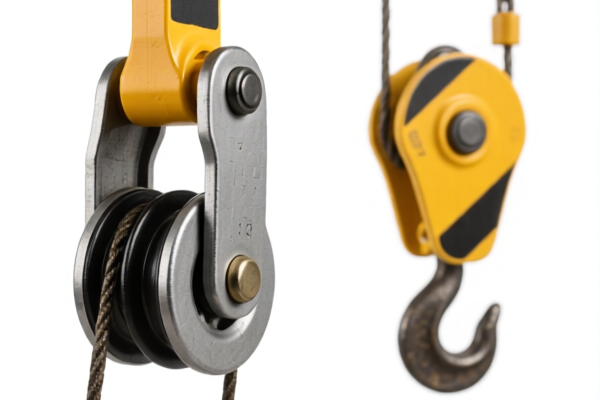
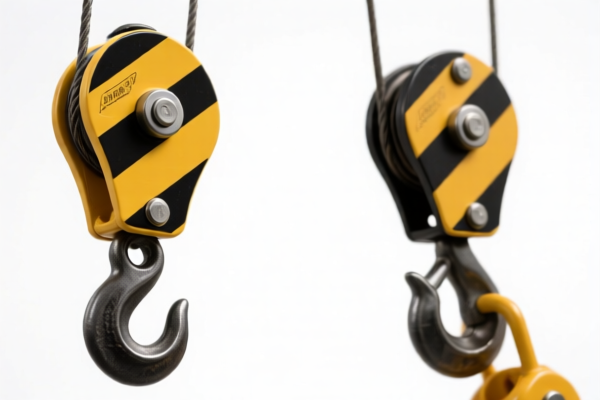
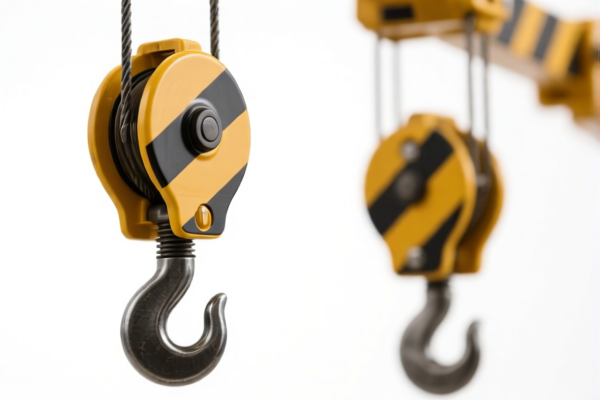
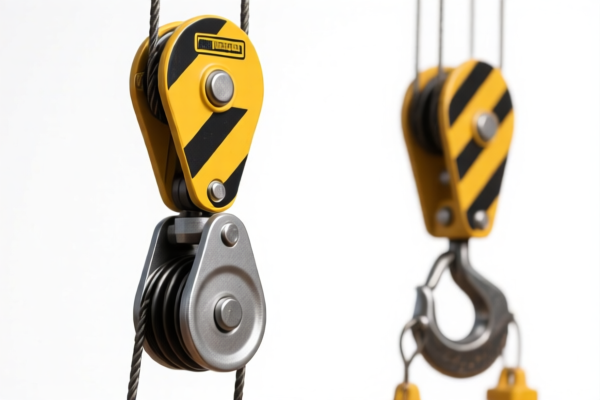
AI Analysis
🏠 Wall-Mounted Storage Fixed Hook
🌐 HS Code Classification & Customs Clearance Guide | 2026 Tax Regime Analysis | Strategic Import Strategy
📌 I. Product Definition & Classification: Understanding the "Hook"
The "Wall-Mounted Storage Fixed Hook" is a versatile hardware item used for organizing space in homes, garages, or workshops. However, in international trade, material determines destiny. The Harmonized System (HS) classifies these hooks strictly by their constituent material:
- Metal Hooks (Iron/Steel): High durability, often heavy. Subject to significant trade restrictions (Section 301).
- Aluminum Hooks: Lightweight, corrosion-resistant. Generally lower duties than steel but still subject to specific clauses.
- Plastic Hooks: Lightweight, cheap manufacturing. Lowest duty burden among the three.
⚠️ Critical Distinction:
- If the hook is made of Steel/Iron → It falls under Chapter 73 (Articles of Iron or Steel). HIGH RISK.
- If the hook is made of Aluminum → It falls under Chapter 76 (Articles of Aluminum). MODERATE RISK.
- If the hook is made of Plastic → It falls under Chapter 39 (Articles of Plastics). LOW RISK.
📦 II. HS Code Classification Details (2026 Latest Tariff Authority)
Based on the provided data, here are the three possible classifications depending on your product's material composition:
| HS Code | Product Description | Material Logic | Duty Profile |
|---|---|---|---|
7326.20.00.20 |
Steel/Iron Hooks (Specific) | Matched as metal (iron/steel), shape is a hook, fits "Other articles of iron or steel." | 🔴 HIGH TARIFF (88.9%) |
7326.90.86.88 |
Steel/Iron Hooks (General Fallback) | Matched as metal (iron/steel), shape is a hook, fits "Other articles of iron or steel" fallback category. | 🔴 HIGH TARIFF (87.9%) |
7616.99.51.75 |
Aluminum Hooks | Inferred as aluminum-based other articles, fits the "catch-all" logic for home accessories. | 🟡 MODERATE TARIFF (37.5%) |
3926.90.25.00 |
Plastic Hooks | Matched as plastic, shape as handle/knob functional extension, fits "Other plastic articles." | 🟢 LOW TARIFF (24.0%) |
3926.30.10.00 |
Plastic Hooks (Specific) | Matched as plastic, shape as hook (handles/knobs category), fits fallback logic. | 🟢 LOW TARIFF (24.0%) |
🔍 Key Insight:
- Steel/Iron is the most common material for heavy-duty hooks but carries the highest tax burden due to anti-dumping and Section 301 measures.
- Plastic options offer the best cost efficiency for light-load storage hooks.
- Aluminum sits in the middle, suitable for premium lightweight applications.
💰 III. 2026 Latest Tariff Rate Breakdown (Including Surcharges)
✅ Applicable Country: United States (US)
✅ Origin: China (CN)
✅ Effective Date: Current regulations apply
🎯 1. 7326.20.00.20 & 7326.90.86.88 — Steel/Iron Hooks
| Item | Content |
|---|---|
| Base Tariff | 2.9% – 3.9% (ad valorem) |
| Section 301 Surcharge | +25.0% (USITC Footnote) |
| Clause 122 Surcharge | +10.0% (Specific China-related clause) |
| Steel/Aluminum/Copper Additional Duty | +50.0% (Critical Add-on for Steel Products) |
| Total Effective Rate | 87.9% – 88.9% |
| Tax Calculation | CIF Value × ~88% |
| De Minimis Eligibility | ❌ Not Eligible (High duty rate disqualifies it from $800 exemption usually) |
| Legal Path | Base Tariff → Section 301: 25% → Clause 122: 10% → Steel Add-on: 50% |
📌 Explanation:
- The 50% additional duty is the killer here. It applies specifically to steel articles.
- Even though the base rate is low (~3%), the combination of 25% (Sec 301) + 10% (Clause 122) + 50% (Steel Add-on) creates a nearly 90% tax wall.
- Warning: Importing steel hooks from China is extremely costly. Consider sourcing from Vietnam or Mexico if possible.
🎯 2. 7616.99.51.75 — Aluminum Hooks
| Item | Content |
|---|---|
| Base Tariff | 2.5% (ad valorem) |
| Section 301 Surcharge | +25.0% |
| Clause 122 Surcharge | +10.0% |
| Total Effective Rate | 37.5% |
| Tax Calculation | CIF Value × 37.5% |
| De Minimis Eligibility | ❌ Not Eligible |
| Legal Path | Base Tariff → Section 301: 25% → Clause 122: 10% |
📌 Explanation:
- Aluminum is not subject to the extra 50% steel add-on.
- Total tax is 37.5%, which is high but manageable compared to steel.
- Suitable for premium, lightweight storage solutions.
🎯 3. 3926.90.25.00 & 3926.30.10.00 — Plastic Hooks
| Item | Content |
|---|---|
| Base Tariff | 6.5% (ad valorem) |
| Section 301 Surcharge | +7.5% (Note: Lower than standard 25% for some plastic categories) |
| Clause 122 Surcharge | +10.0% |
| Total Effective Rate | 24.0% |
| Tax Calculation | CIF Value × 24.0% |
| De Minimis Eligibility | ❌ Not Eligible |
| Legal Path | Base Tariff → Section 301: 7.5% → Clause 122: 10% |
📌 Explanation:
- This is the most cost-effective option for importers.
- The Section 301 rate for these specific plastic hooks is only 7.5%, not 25%.
- Total tax of 24% is significantly lower than metal alternatives.
- Ideal for residential, lightweight, and decorative hooks.
🛠️ IV. Customs Clearance Practical Advice (Pitfall Avoidance)
✅ 1. Documentation Checklist (Mandatory)
| Document | Required | Purpose |
|---|---|---|
| ✅ Product Specifications | ✔️ | Must clearly state MATERIAL (Steel, Aluminum, or Plastic). Ambiguity leads to reclassification. |
| ✅ Material Certificate | ✔️ | Crucial for steel/aluminum hooks to prove origin and composition. |
| ✅ Product Photos | ✔️ | Show mounting mechanism, shape, and any branding. |
| ✅ Commercial Invoice | ✔️ | Must describe item as "Wall-Mounted Hook" + Material. Do NOT just say "Hook." |
| ✅ Packing List | ✔️ | List net/gross weight accurately. |
✅ 2. Classification Strategy (Key Tips)
🔥 "Material First, Shape Second!"
| Scenario | Correct HS Code | Why? |
|---|---|---|
| Heavy-Duty Garage Hook (Steel) | 7326.20.00.20 or 7326.90.86.88 |
Iron/Steel classification triggers high taxes. |
| Lightweight Closet Hook (Aluminum) | 7616.99.51.75 |
Aluminum classification avoids the 50% steel add-on. |
| Decorative Plastic Hook (PLA/ABS) | 3926.90.25.00 or 3926.30.10.00 |
Plastic classification offers the lowest duty (24%). |
⚠️ Warning:
- If you import Steel Hooks but declare them as Plastic, Customs may seize the goods and impose penalties for fraud.
- If you import Plastic Hooks but declare them as Steel, you will overpay taxes significantly (37.5% vs 24% is a loss, but 88% vs 24% is a disaster if misdeclared the other way).
✅ 3. Special Considerations
| Situation | Advice |
|---|---|
| Mixed Material Hooks (e.g., Plastic hook with Metal nail) | Declared as Steel if metal is the primary structural component. Tax will be ~88%. |
| Bulk Import vs. Small Parcel | Due to high taxes, De Minimis ($800) exemption is likely denied for these HS codes from China. Plan for full duty payment. |
| Supplier in China | Ask for HS Code Confirmation in writing. Ensure they match the material exactly. |
🌍 V. Global Market Comparison (2026 Update)
| Country/Region | Recommended HS Code | Est. Duty (China Origin) | Certification | Note |
|---|---|---|---|---|
| 🇺🇸 USA | 7326.20.00.20 (Steel) |
88.9% | None specific | Highest duty globally due to steel add-on. |
| 🇺🇸 USA | 3926.90.25.00 (Plastic) |
24.0% | None specific | Best option for cost-sensitive imports. |
| 🇪🇺 EU | 7326.90.90 (Steel) |
~1.7% + VAT | CE (if applicable) | No Section 301 or Clause 122. Much cheaper. |
| 🇨🇳 China | 7326.20.00 (Steel) |
~5-8% | CCC (if applicable) | Lower than US tariffs. |
📌 Conclusion:
- The USA has the highest barriers for metal hooks from China.
- Plastic hooks are the only competitive option for the US market from China, despite the 24% duty.
- Consider sourcing aluminum hooks from Southeast Asia (Vietnam/Thailand) to potentially avoid Section 301 tariffs.
📌 VI. Common Mistakes & Pitfalls (Lessons Learned)
❌ Mistake 1: Declaring Steel Hooks as "Hardware Accessories" without specifying material.
👉 Consequence: Customs may assess 88.9% retroactively + fines.
❌ Mistake 2: Ignoring the "50% Steel Add-on" for HS codes 7326....
👉 Consequence: Budgeting error. You thought duty was 30%, but it’s actually 88%. Profit margin destroyed.
❌ Mistake 3: Mixing materials (Plastic + Metal) and declaring as Plastic.
👉 Consequence: Rejection at customs. Goods held for inspection. Delayed delivery.
✅ Correct Practice:
"Wall-Mounted Storage Hook, Stainless Steel, Heavy Duty, Model XYZ, Country of Origin: China"
Use HS Code:7326.20.00.20"Wall-Mounted Storage Hook, ABS Plastic, Lightweight, Model ABC, Country of Origin: China"
Use HS Code:3926.90.25.00
🎯 VII. Conclusion: Strategic Sourcing & Cost Management
🎯 Remember the Key Takeaway:
🔹 Steel = Expensive (88%)
🔹 Aluminum = Moderate (37.5%)
🔹 Plastic = Cheapest (24%)
🔹 "Material defines your tax fate. Choose wisely to protect your margin!"
🔹 "Do not assume 'Hook' is one HS Code. It is three different financial realities."
📌 Pro Tip:
If you are importing Steel Hooks, strongly consider sourcing from non-China countries (e.g., Vietnam, India, or Turkey) to avoid the 50% steel add-on and Section 301 duties.
If you must import from China, switch to Plastic or Aluminum hooks to reduce tax burden by 50-60%.
📣 Immediate Action:
📞 Verify Material Composition with your supplier.
📄 Request a Proforma Invoice with correct HS Code and Duty Estimate.
🚀 Calculate Landed Cost before placing orders to avoid unexpected tax shocks!
✨ Professional Customs Clearance Starts with Accurate Classification!
💼 Your Profit Margin Depends on the Right HS Code!
Customer Reviews
About HS Code Classification
The Harmonized System (HS) is an internationally standardized nomenclature developed by the World Customs Organization (WCO) to classify traded products. Over 200 countries use the HS system as the basis for customs tariffs, trade statistics, and import/export regulations.
Each HS code follows a hierarchical structure:
- Chapter (2 digits) — Broad category of goods (e.g., Chapter 84: Machinery and Mechanical Appliances)
- Heading (4 digits) — More specific grouping within the chapter
- Subheading (6 digits) — Internationally standardized breakdown, used by all WCO member countries
- National subdivisions (8-10 digits) — Country-specific extensions for further classification, such as US HTSUS 10-digit codes
Correct HS code classification is essential for smooth customs clearance, accurate duty payment, and compliance with trade regulations. Misclassification can lead to customs delays, overpayment of duties, or penalties.
When importing from CN to US, the applicable tariff rates may include:
- Most-Favored-Nation (MFN) rate — The standard duty rate applied to WTO members
- General rate — Applied to countries without trade agreements
- Trade remedy duties — Additional tariffs such as Section 301 (anti-dumping), Section 232 (national security), or countervailing duties
The information provided on this page is for reference purposes only. For official classification, please consult with your local customs authority or a licensed customs broker.