Wallpaper Base Paper Roll
CN → US| HS Code | Tariff Rate | Origin | Destination | Doc |
|---|---|---|---|---|
| 4814900200 | 17.5% | CN | US | Official Doc |
| 4814200000 | 17.5% | CN | US | Official Doc |
| 5905009000 | 35.0% | CN | US | Official Doc |
Product Images
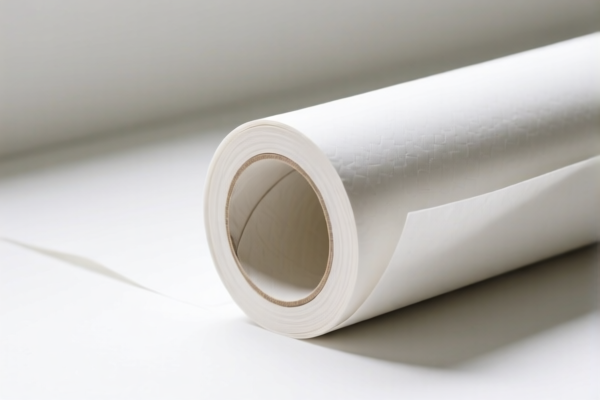
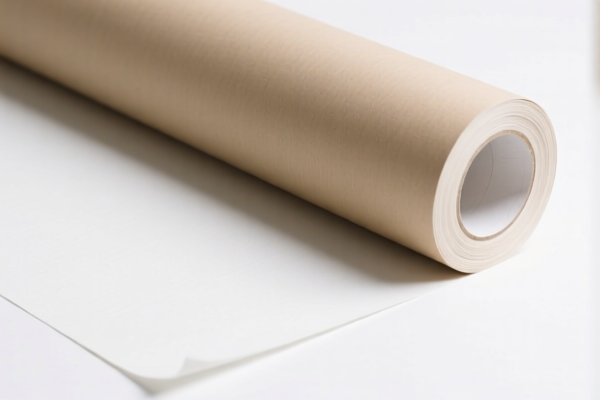
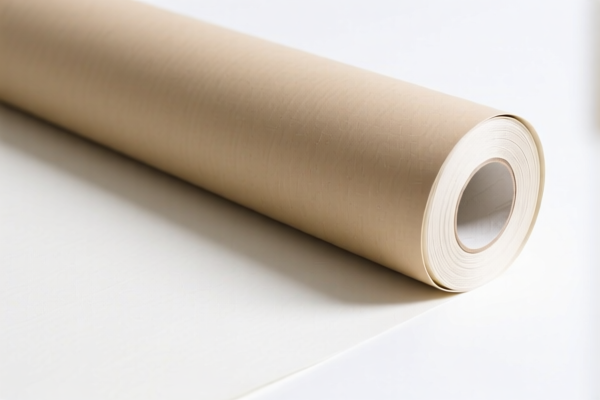
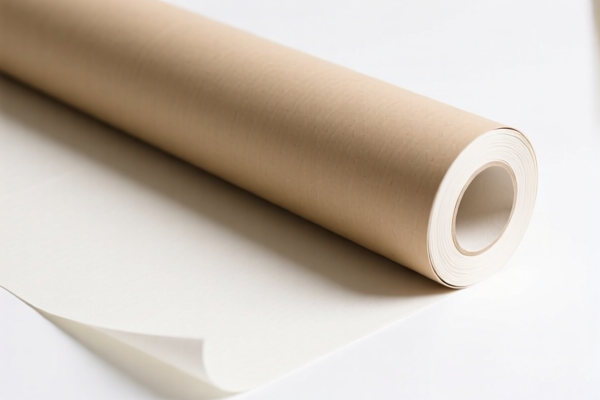
AI Analysis
🏠 Wallpaper Base Paper Roll (墙纸原纸卷)
🌐 HS Code Reference & Customs Clearance Guide | 2026 Latest Tariff Analysis | Professional Entry Strategy
📌 I. Product Definition & Classification: What Exactly is "Wallpaper Base Paper"?
Wallpaper Base Paper Roll refers to the unprinted, untreated paper substrate used as the foundation for manufacturing decorative wallpapers. It is a raw material intermediate, not the final finished decorative product. In international trade, classification depends heavily on whether it is considered a finished "wall covering" or a raw "paper product."
Key Distinction: * Finished Wallpaper (Wallcoverings): Printed, embossed, or coated surfaces ready for installation → Typically falls under 4814. * Base Paper (Raw Material): Plain, unprocessed paper rolls used for further manufacturing → May fall under 4814 (if deemed ready for use as wall covering) or 5905 (if textile-based) or other paper categories.
⚠️ Critical Classification Point:
- If the paper is specifically manufactured for wall covering purposes (even if unprinted), it often aligns with Heading 4814 ("Wallpaper and similar wall coverings, of paper").
- If the material is non-paper (e.g., fabric-based backing) or explicitly classified as "other" wall coverings due to lack of specific paper attributes, it may shift to 5905.
📦 II. HS Code Classification Details (2026 Latest Tariff Authority Comparison)
| HS Code | Product Description | Application Scenario | Paper vs. Other Material |
|---|---|---|---|
4814.90.02.00 |
Other wallpaper and similar wall coverings of paper | Base paper rolls specifically for wallpaper manufacturing | ✅ Paper |
4814.20.00.00 |
Wallpaper and similar wall coverings, of paper, whether or not printed, embossed, coated, cut to shape | General wallpaper base/finished paper wall coverings | ✅ Paper |
5905.00.90.00 |
Textile wallcoverings (Other) | Base paper if classified under "other" due to material ambiguity or non-standard paper characteristics | ⚠️ Ambiguous/Other |
🔍 Key Insight:
- The primary determinant is material and end-use. Since "Base Paper" is inherently paper-based and intended for wall coverings, HS 4814 is the most logical category.
- HS 5905 is included as a fallback or alternative classification if customs authorities deem the base paper insufficiently "paper-like" (e.g., heavy textile backing) or if specific national interpretations differ.
💰 III. 2026 Latest Tariff Rate Details (Including Surtaxes, Policy Add-ons)
✅ Applicable Country: United States (US)
✅ Origin: China (CN)
✅ Effective Date: November 10, 2025 (including subsequent imports)
🎯 1. 4814.90.02.00 —— Other Wallpaper and Similar Wall Coverings of Paper
| Item | Content |
|---|---|
| Base Tariff | 0% (ad valorem) |
| Section 301 Surtax | +7.5% (Additional Duty) |
| Section 122 Tariff | +10% (Specific US Trade Law Surtax) |
| Total Tax Rate | 17.5% |
| Tax Calculation | CIF Value × 17.5% |
| De Minimis Eligibility | ❌ Not Eligible (deny_de_minimis applies to Section 301/122 goods from China) |
| Legal Basis Path | Section 122: 10% → Section 301: 7.5% → HS: 4814.90.02.00 |
📌 Explanation:
- The 7.5% is the standard additional duty under Section 301 for many Chinese goods.
- The 10% is a specific surtax under Section 122 (often applied to certain consumer goods).
- Total 17.5% is significantly lower than textile-based alternatives, making this the preferred classification for paper-based base rolls.
🎯 2. 4814.20.00.00 —— Wallpaper and Similar Wall Coverings, of Paper
| Item | Content |
|---|---|
| Base Tariff | 0% |
| Section 301 Surtax | +7.5% |
| Section 122 Tariff | +10% |
| Total Tax Rate | 17.5% |
| Tax Calculation | CIF × 17.5% |
| De Minimis Eligibility | ❌ Not Eligible |
| Legal Basis Path | Section 122: 10% → Section 301: 7.5% → HS: 4814.20.00.00 |
📌 Note:
- This code covers a broader range of paper wallpapers (including printed/embossed).
- Base paper rolls may be classified here if they are considered "ready for use" as wall coverings in certain jurisdictions.
- Same 17.5% total rate as above, offering consistency for paper-based products.
🎯 3. 5905.00.90.00 —— Textile Wallcoverings (Other)
| Item | Content |
|---|---|
| Base Tariff | 0% |
| Section 301 Surtax | +25% |
| Section 122 Tariff | +10% |
| Total Tax Rate | 35.0% |
| Tax Calculation | CIF × 35.0% |
| De Minimis Eligibility | ❌ Not Eligible |
| Legal Basis Path | Section 122: 10% → Section 301: 25% → HS: 5905.00.90.00 |
📌 Warning:
- This classification is only applicable if customs determines the base paper is not sufficiently "paper" (e.g., heavy fabric backing, non-standard composition).
- Total 35% is double the tax rate of paper-based classifications.
- Misclassification risk: Declaring paper base rolls as textile wallcoverings to avoid higher tariffs on other goods is risky and may lead to penalties.
🛠️ IV. Customs Clearance Operational Advice (Practical Pitfall Avoidance Guide)
✅ 1. Preparation Checklist (Essential Documents)
| Document | Required? | Explanation |
|---|---|---|
| ✅ Product Specification Sheet | ✔️ | Must specify: Weight (gsm), material (100% paper), dimensions, intended use (wallpaper base). |
| ✅ Material Composition Proof | ✔️ | Certificate of Analysis or supplier declaration confirming paper content (not fabric). |
| ✅ Commercial Invoice | ✔️ | Must clearly state "Wallpaper Base Paper Roll" and not just "Paper Roll." |
| ✅ Packing List | ✔️ | Detail roll weight, length, and number of rolls. |
| ✅ Supplier Declaration | ✔️ | Confirming product is for manufacturing decorative wallpapers. |
✅ 2. Declaration Tips (Key Mnemonics)
🔥 “Paper is Key, Textile is Risky, 17.5% vs 35%, Don’t Guess!”
| Scenario | Correct Declaration | Incorrect Practice |
|---|---|---|
| Unprinted Paper Rolls | 4814.90.02.00 or 4814.20.00.00 |
Misdeclaring as 5905 → 35% tax |
| Paper with Light Coating | 4814 Series (if still paper-based) |
Misdeclaring as textile → 35% tax |
| Fabric-Based Backing | 5905.00.90.00 |
Misdeclaring as paper → 17.5% tax (penalty risk) |
| Finished Printed Wallpaper | 4814.20.00.00 |
Misdeclaring as base paper → Potential scrutiny |
✅ 3. Special Cases Handling
| Situation | Handling Advice |
|---|---|
| OEM Base Paper | Provide customer order + design specs to prove end-use as wallpaper base. |
| Mixed Materials | If roll has paper + fabric backing, declare as textile (5905) to avoid misclassification penalties. |
| Sample Imports | Clearly mark as "Samples not for sale" to potentially leverage de minimis if value < $800 (but note: 17.5-35% tax still applies if not de minimis eligible). |
| Customs Inquiry | Provide material test reports to prove paper composition if questioned. |
🌍 V. Global Market Customs Comparison (2026 Latest)
| Country/Region | Recommended HS Code | Tariff | Certification | Remarks |
|---|---|---|---|---|
| 🇺🇸 USA | 4814.90.02.00 |
17.5% (China) | No special cert | Avoid 5905 (35%) |
| 🇨🇳 China | 4814.90.02.00 |
0-5% | None | Low tax base |
| 🇪🇺 EU | 4814.90.02.00 |
0-5% | FSC/PEFC (if wood-based) | No surtaxes |
| 🇬🇧 UK | 4814.90.02.00 |
0-5% | None | Post-Brexit rules apply |
| 🇦🇺 Australia | 4814.90.02.00 |
5% | None | No surtaxes |
📌 Conclusion:
- USA is the only major market with significant surtaxes for Chinese-origin wallpaper base paper.
- Correct classification under 4814 saves 17.5% vs 35% compared to textile misclassification.
- EU/UK/Australia offer much lower tariffs, making US market entry cost-sensitive.
📌 VI. Common Errors & Pitfall Guide (Lessons Learned)
❌ Error 1: Declaring "Paper Roll" without specifying "Wallpaper Base"
👉 Consequence: Customs may classify under generic paper codes → Possible tariff adjustment + delay.
❌ Error 2: Using 5905 for paper base rolls to guess tariff savings
👉 Consequence: If found to be paper, you’ll pay 17.5% but face penalties for misdeclaration. If deemed textile, you pay 35%. Never guess.
❌ Error 3: Ignoring Section 122 + Section 301 surtaxes
👉 Consequence: Underestimating landed cost by 17.5% → Profit margin erosion.
❌ Error 4: Shipping mixed paper/fabric rolls as pure paper
👉 Consequence: Customs inspection reveals fabric → Reclassified to 5905 → Back taxes + fines.
✅ Correct Practice:
“Wallpaper Base Paper Roll, 100% Chemical Wood Pulp, 100gsm, Unprinted, for Decorative Wallcovering Manufacturing, Origin: China”
🎯 VII. Conclusion: Professional Declaration, Cost Savings, Efficiency!
🎯 Remember the Key Takeaways:
🔹 “Paper = 17.5%, Textile = 35%, Don’t Mix Them!”
🔹 “Section 122 + 301 = 17.5% for Paper, 35% for Textile”
🔹 “Declare ‘Wallpaper Base’ Clearly to Avoid Misclassification”
📌 Pro Tip:
If your base paper originates from Vietnam, Mexico, Thailand, or Malaysia, you may qualify for IEEPA Exemptions or lower tariffs.
Recommendation: Always request a Product Composition Certificate from your supplier to prove 100% paper content if classifying under 4814.
📣 Immediate Action:
📞 Contact a Licensed Customs Broker + Provide Material Specs + Confirm HS Code 4814.90.02.00
🚀 Ensure Smooth Clearance, Avoid 35% Pitfalls, Maximize Profits!
✨ Professional Customs Clearance Starts with Accurate Classification!
💼 Every 17.5% Saved is Pure Profit!
Customer Reviews
About HS Code Classification
The Harmonized System (HS) is an internationally standardized nomenclature developed by the World Customs Organization (WCO) to classify traded products. Over 200 countries use the HS system as the basis for customs tariffs, trade statistics, and import/export regulations.
Each HS code follows a hierarchical structure:
- Chapter (2 digits) — Broad category of goods (e.g., Chapter 84: Machinery and Mechanical Appliances)
- Heading (4 digits) — More specific grouping within the chapter
- Subheading (6 digits) — Internationally standardized breakdown, used by all WCO member countries
- National subdivisions (8-10 digits) — Country-specific extensions for further classification, such as US HTSUS 10-digit codes
Correct HS code classification is essential for smooth customs clearance, accurate duty payment, and compliance with trade regulations. Misclassification can lead to customs delays, overpayment of duties, or penalties.
When importing from CN to US, the applicable tariff rates may include:
- Most-Favored-Nation (MFN) rate — The standard duty rate applied to WTO members
- General rate — Applied to countries without trade agreements
- Trade remedy duties — Additional tariffs such as Section 301 (anti-dumping), Section 232 (national security), or countervailing duties
The information provided on this page is for reference purposes only. For official classification, please consult with your local customs authority or a licensed customs broker.