Walnut Decorative Wood
CN → US| HS Code | Tariff Rate | Origin | Destination | Doc |
|---|---|---|---|---|
| 4418999195 | 38.2% | CN | US | Official Doc |
| 4403990170 | 35.0% | CN | US | Official Doc |
| 4403490200 | 35.0% | CN | US | Official Doc |
| 4407990261 | 35.0% | CN | US | Official Doc |
| 1404909090 | 35.0% | CN | US | Official Doc |
Product Images
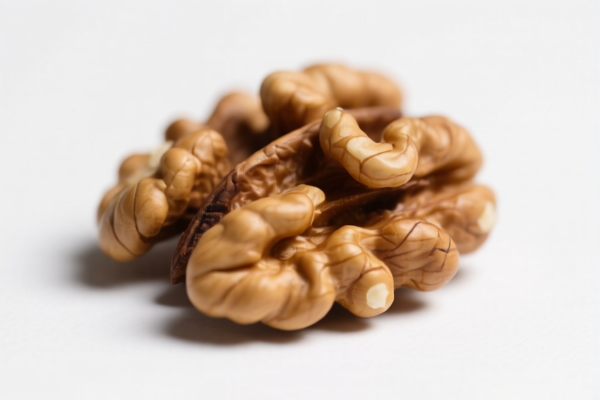
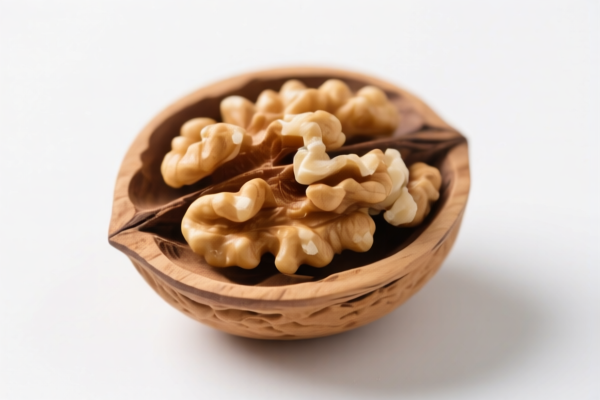
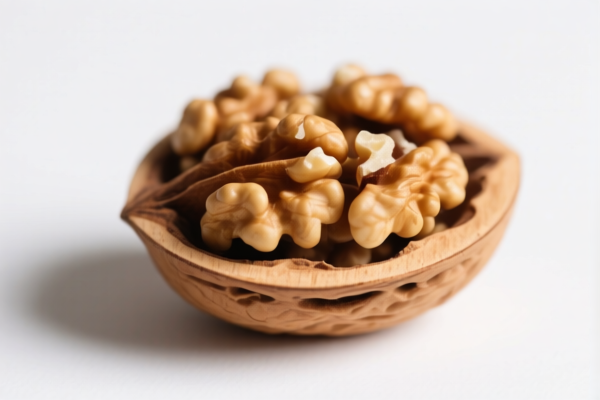
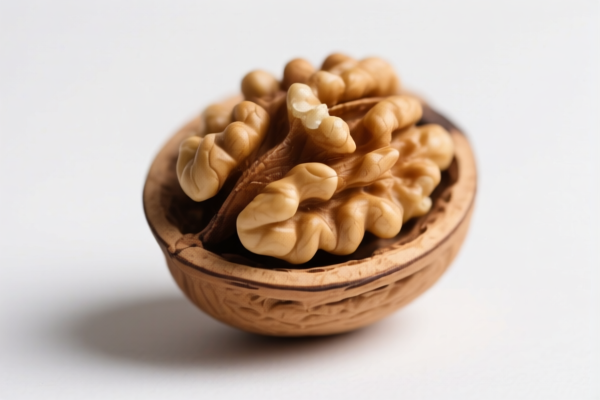
AI Analysis
🪵 Walnut Decorative Wood (Hú táo mù zhuāng shì mù)
🌐 HS Code Reference & Customs Clearance Guide | 2026 Latest Tariff Analysis | Professional通关 Strategy
📌 I. Product Definition & Classification: What Exactly is "Walnut Decorative Wood"?
"Walnut Decorative Wood" is a broad commercial term that can refer to processed wood products made from Juglans species (primarily Black Walnut or English Walnut). In international trade, the Harmonized System (HS) classification depends heavily on the state of processing, thickness, and end-use.
Because "decorative wood" is ambiguous, customs authorities look for specific physical characteristics to assign the correct HS Code. Below, we break down the five most likely classifications found in the provided data, ranging from raw logs to finished building components.
⚠️ Key Distinction Points:
- Raw Material vs. Processed: Is it a log? A sawn piece? Or a finished cabinet part?
- Thickness: Does it exceed 6mm? (Crucial for Chapter 44 distinctions).
- End Use: Is it for structural building, decorative veneers, or raw material for dyeing/tanning?
📦 II. HS Code Classification Details (Based on Provided Data)
| HS Code | Product Description (Summary) | Category | Total Tax Rate | Tax Breakdown |
|---|---|---|---|---|
4418.99.91.95 |
Walnut Decorative Wood: Belongs to "Other" building carpentry & joinery products. | Finished/Processed | 38.2% | Base: 3.2% Add-on: 25.0% Section 122: 10.0% |
4403.99.01.70 |
Walnut Logs: Material is walnut, form is log (unprocessed). | Raw Log | 35.0% | Base: 0.0% Add-on: 25.0% Section 122: 10.0% |
4403.49.02.00 |
Walnut Logs: Classified as "Rough Timber," grouped under other tropical woods. | Rough Timber | 35.0% | Base: 0.0% Add-on: 25.0% Section 122: 10.0% |
4407.99.02.61 |
Walnut Sawn Wood: Thickness > 6mm, classified under walnut species. | Sawn/Chipped | 35.0% | Base: 0.0% Add-on: 25.0% Section 122: 10.0% |
1404.90.90.40 |
Walnut Raw Material: Plant origin material, used for dyeing or tanning purposes. | Industrial Raw | 35.0% | Base: 0.0% Add-on: 25.0% Section 122: 10.0% |
🔍 Critical Note:
-4418.99.91.95is the only code with a Base Tariff of 3.2%. All others have 0% Base.
- However,4418.99.91.95has the highest Total Rate (38.2%) due to the base tariff adding up, despite having the same Add-on (25%) and Section 122 (10%) surcharges as the others.
- Codes4403and4407represent semi-processed states (Logs/Sawn). Code1404represents a non-wood classification (Plant materials for dyeing), which is a rare but possible classification if the "decorative wood" is actually processed bark/chips for tannin extraction.
💰 III. 2026 Latest Tariff Rate Breakdown (Detailed Tax Clauses)
✅ Applicable Market: USA (US)
✅ Origin: China (CN) (Implied by Section 122 and high add-ons)
✅ Effective Date: Current Trade Policies
🎯 1. 4418.99.91.95 — Decorative Wood (Building Carpentry)
| Item | Content |
|---|---|
| Base Tariff | 3.2% (Ad Valorem) |
| USITC Add-on Tariff (Section 301) | +25.0% |
| Section 122 Tariff | +10.0% |
| Total Effective Rate | 38.2% |
| Calculation | CIF Value × 38.2% |
| De Minimis Exemption | ❌ Not Eligible (High duty threshold) |
| Legal Basis | USITC:4418.99.91.95 → FOOTNOTE:301 → IEEPA:122 |
📌 Explanation:
- This code covers finished or semi-finished wood products used in construction (e.g., doors, windows, panels, cabinets).
- The 3.2% base reflects the standard MFN (Most Favored Nation) rate for woodworking products.
- The 25% + 10% surcharges apply because this is a Chinese-origin processed wood product.
🎯 2. 4403.99.01.70 & 4403.49.02.00 — Walnut Logs (Raw/Rough)
| Item | Content |
|---|---|
| Base Tariff | 0.0% |
| USITC Add-on Tariff | +25.0% |
| Section 122 Tariff | +10.0% |
| Total Effective Rate | 35.0% |
| Calculation | CIF Value × 35.0% |
| De Minimis Exemption | ❌ Not Eligible |
| Legal Basis | USITC:4403 Series → FOOTNOTE:301 |
📌 Explanation:
-4403covers wood treated with preservatives or raw logs.
-4403.99.01.70specifically targets walnut logs.
-4403.49.02.00groups walnut under "other tropical woods" for rough timber.
- The 0% base makes these slightly cheaper than processed wood (4418), but the 35% total is still significant.
🎯 3. 4407.99.02.61 — Sawn Walnut Wood (>6mm)
| Item | Content |
|---|---|
| Base Tariff | 0.0% |
| USITC Add-on Tariff | +25.0% |
| Section 122 Tariff | +10.0% |
| Total Effective Rate | 35.0% |
| Calculation | CIF Value × 35.0% |
| De Minimis Exemption | ❌ Not Eligible |
| Legal Basis | USITC:4407.99.02.61 → FOOTNOTE:301 |
📌 Explanation:
-4407covers wood sawn or chipped lengthwise, shaved, or peeled, whether or not planed, sanded, or finger-jointed.
- The >6mm thickness is the key differentiator from veneers or thinner sheets.
- This is a common code for furniture-grade lumber.
🎯 4. 1404.90.90.40 — Walnut for Dyeing/Tanning
| Item | Content |
|---|---|
| Base Tariff | 0.0% |
| USITC Add-on Tariff | +25.0% |
| Section 122 Tariff | +10.0% |
| Total Effective Rate | 35.0% |
| Calculation | CIF Value × 35.0% |
| De Minimis Exemption | ❌ Not Eligible |
| Legal Basis | USITC:1404.90.90.40 → FOOTNOTE:301 |
📌 Explanation:
- Chapter 14 covers "Vegetable Products."
- This code is used if the walnut material is not for construction or furniture, but for industrial extraction (e.g., walnut shell hulls for abrasives, or bark for tannins).
- ⚠️ Warning: If you import decorative wood but declare it as1404for dyeing, customs will likely reject the declaration due to mismatched use.
🛠️ IV. Customs Clearance Practical Advice (Battle-Tested Tips)
✅ 1. Documentation Checklist (Non-Negotiable)
| Document | Required? | Purpose |
|---|---|---|
| Commercial Invoice | ✅ | Must specify "Walnut" and "Deciduous Wood." |
| Packing List | ✅ | Must show weight, dimensions, and quantity. |
| Certificate of Origin (CO) | ✅ | To prove origin (China) and apply correct tariffs. |
| Phytosanitary Certificate | ✅ | CRITICAL for all wood products (ISPM 15 compliance). |
| Fumigation Certificate | ✅ | If wood is not heat-treated (HT) or methyl bromide treated (MB). |
| Product Specification | ✅ | Detail thickness, grade, and end-use (to distinguish between 4403, 4407, 4418). |
| Bill of Lading | ✅ | Standard shipping document. |
✅ 2. Classification Strategy (Key Mnemonics)
🔥 “Raw is 35%, Processed is 38.2%, Don’t Mix Logs with Lumber!”
| Scenario | Correct HS Code | Risk if Misclassified |
|---|---|---|
| Unprocessed Walnut Logs | 4403.99.01.70 |
If declared as 4407, customs may demand re-inspection. |
| Sawn Walnut Lumber (>6mm) | 4407.99.02.61 |
If declared as 4403, it’s a major error (log vs. sawn). |
| Finished Walnut Panels/Doors | 4418.99.91.95 |
If declared as 4407, you under-declare processing → Penalties. |
| Walnut Shells/Bark for Tanning | 1404.90.90.40 |
If declared as 4403, customs will reject due to wrong chapter. |
✅ 3. Special Cases & Pitfalls
| Situation | Handling Advice |
|---|---|
| Mixed Shipments | If a shipment contains both logs (4403) and finished panels (4418), split the invoice and declare separately. Mixing leads to delays. |
| ISPM 15 Compliance | Ensure all wood pallets and packaging are marked with the IPPC stamp. Missing stamps = Refusal of Entry. |
| Walnut Species Verification | Customs may require DNA testing or microscopic analysis to confirm the wood is Juglans nigra (Black Walnut) and not a substitute species. |
| Section 122 Impact | The 10% Section 122 tariff applies to certain wood products from China. Verify if your specific product form is exempt (usually not for finished goods). |
🌍 V. Global Market Clearance Comparison (2026)
| Country/Region | Recommended HS Code | Duty Rate | Certification | Notes |
|---|---|---|---|---|
| 🇺🇸 USA | 4418.99.91.95 (Finished) |
38.2% | ISPM 15, CO | High duty due to 301 + Section 122. |
| 🇨🇳 China | 4418.99.91.95 |
Low | N/A | Import duties on walnut products are lower; export-focused. |
| 🇪🇺 EU | 4418.99 |
Varies | FLEGT License | Requires proof of legal harvesting. |
| 🇯🇵 Japan | 4418.99 |
0-5% | ISPM 15 | Lower tariffs for processed wood. |
📌 Conclusion:
- USA is the most challenging market for walnut wood due to multiple overlapping tariffs (Base + 301 + Section 122).
- Total cost of 35-38.2% must be factored into your pricing model.
- Pre-clearance verification with a licensed customs broker is mandatory for shipments over $2,500.
📌 VI. Common Mistakes & Pitfalls (Blood Lessons)
❌ Mistake 1: Declaring "Walnut Decorative Wood" as 4403 (Logs) when it is actually sawn lumber (4407).
👉 Consequence: Customs may classify it correctly but impose penalties for inaccurate declaration.
❌ Mistake 2: Forgetting the Phytosanitary Certificate.
👉 Consequence: 100% Refusal at the port. Removal or destruction of goods.
❌ Mistake 3: Ignoring ISPM 15 marking on pallets.
👉 Consequence: Delayed clearance (7-14 days) for fumigation or re-palletizing.
❌ Mistake 4: Using "Decorative Wood" as the sole description.
👉 Consequence: Vague descriptions trigger manual review.
✅ Correct Description:
"Walnut Decorative Wood Panels, Solid Black Walnut, Sawn, Thickness 18mm, Finished for Cabinet Use, HS Code 4418.99.91.95, ISPM 15 Compliant Packaging."
🎯 VII. Conclusion: Professional Declaration Saves Money!
🎯 Remember the Rule:
🔹 "Logs 0% Base, Sawn 0% Base, Finished 3.2% Base."
🔹 "All pay 25% + 10% Surcharges."
🔹 "Total is 35% for Raw, 38.2% for Finished."
📌 Pro Tip:
If you are importing semi-finished walnut for domestic processing in the US, consider using Foreign Trade Zones (FTZs) to defer duty payments until the final product is sold domestically.
📣 Immediate Action:
📞 Consult a Licensed Customs Broker to verify the exact physical state of your walnut wood.
📄 Prepare Phytosanitary & Fumigation Certificates before shipment departure.
🚀 Optimize your HS Code selection to avoid unnecessary penalties and delays.
✨ Precise Classification is the Key to Smooth Customs Clearance!
💼 Every percentage point matters in the world of wood tariffs!
Customer Reviews
About HS Code Classification
The Harmonized System (HS) is an internationally standardized nomenclature developed by the World Customs Organization (WCO) to classify traded products. Over 200 countries use the HS system as the basis for customs tariffs, trade statistics, and import/export regulations.
Each HS code follows a hierarchical structure:
- Chapter (2 digits) — Broad category of goods (e.g., Chapter 84: Machinery and Mechanical Appliances)
- Heading (4 digits) — More specific grouping within the chapter
- Subheading (6 digits) — Internationally standardized breakdown, used by all WCO member countries
- National subdivisions (8-10 digits) — Country-specific extensions for further classification, such as US HTSUS 10-digit codes
Correct HS code classification is essential for smooth customs clearance, accurate duty payment, and compliance with trade regulations. Misclassification can lead to customs delays, overpayment of duties, or penalties.
When importing from CN to US, the applicable tariff rates may include:
- Most-Favored-Nation (MFN) rate — The standard duty rate applied to WTO members
- General rate — Applied to countries without trade agreements
- Trade remedy duties — Additional tariffs such as Section 301 (anti-dumping), Section 232 (national security), or countervailing duties
The information provided on this page is for reference purposes only. For official classification, please consult with your local customs authority or a licensed customs broker.