Walnut Wood
CN → US| HS Code | Tariff Rate | Origin | Destination | Doc |
|---|---|---|---|---|
| 4409295100 | 35.0% | CN | US | Official Doc |
| 4418919195 | 38.2% | CN | US | Official Doc |
| 4409299100 | 35.0% | CN | US | Official Doc |
| 4420908000 | 38.2% | CN | US | Official Doc |
| 4420190000 | 13.2% | CN | US | Official Doc |
| 4418999195 | 38.2% | CN | US | Official Doc |
Product Images
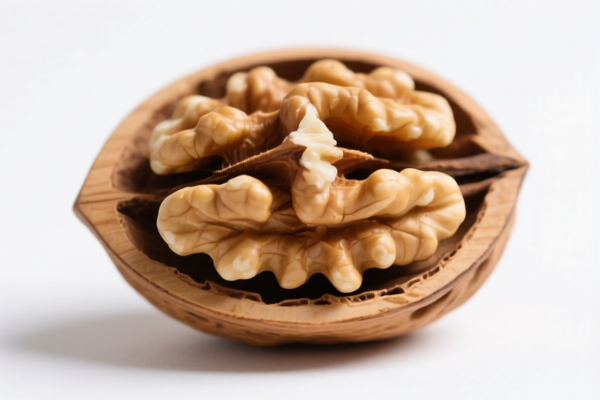
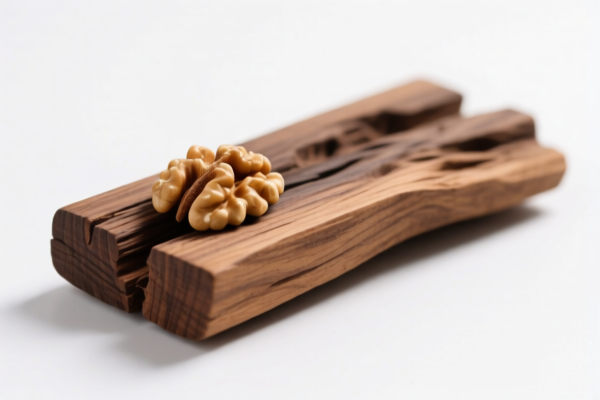
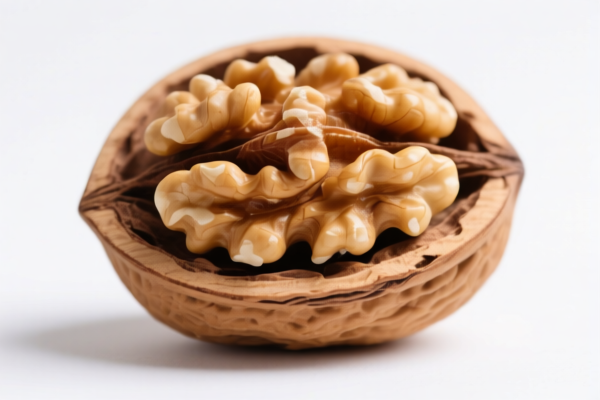
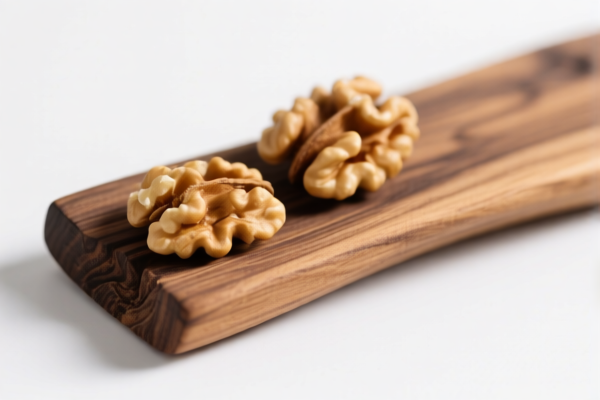
AI Analysis
🌰 Walnut Wood Decorative Products: HS Code Classification & Clearance Strategy
🌐 HS Code Reference & Clearance Guide | 2026 Latest Tariff Analysis | Professional Customs Strategy
📌 I. Product Definition & Classification: Understanding "Walnut Wood Decorative Materials"
Walnut wood is a premium hardwood widely used in high-end furniture, interior decoration, and architectural craftsmanship. In international trade, "Walnut Wood Decorative Wood" is not a single commodity but a category spanning multiple HS codes based on processing depth, shape, and intended use.
The key distinction lies in whether the wood is merely shaped (moulded/profiled) for general use or specifically manufactured as an architectural component or a finished decorative article.
⚠️ Key Classification Logic:
- General Moulded Wood Strips/Beads (Continuous forming, non-structural) → Chapter 44.09
- Architectural/Carpentry Works (Doors, windows, framing, structural joints) → Chapter 44.18
- Finished Decorative Articles (Ornaments, carvings, specific decorative items) → Chapter 44.20
📦 II. HS Code Classification Details (2026 Latest Tariff Alignment)
Based on the provided data, here is the precise breakdown for Walnut Wood Decorative Materials:
| HS Code | Product Description (Summary) | Primary Application | Processing Status |
|---|---|---|---|
| 4409.29.51.00 | Walnut decorative wood, matched for non-coniferous decorative trim purposes | Baseboards, crown mouldings, decorative strips | Moulded/Profiled (Non-structural) |
| 4409.29.91.00 | Walnut decorative wood, matched for non-coniferous continuous formed wood strip material | Continuous production lines, flexible wood strips | Continuous Forming/Strip |
| 4418.91.91.95 | Walnut decorative wood, matched for wooden woodworking products & architectural uses | Interior carpentry, structural wood parts, custom joinery | Architectural/Carpentry Component |
| 4418.99.91.95 | Walnut decorative wood, matched for other architectural woodworking products | Other building-related wood works (non-specified elsewhere) | General Architectural Wood |
| 4420.90.80.00 | Walnut decorative wood, matched for wooden decorative article categories | Wall hangings, decorative frames, ornamental carvings | Finished Decorative Item |
| 4420.19.00.00 | Walnut decorative wood, matched for wooden decorative article class | Specific subset of decorative items (likely specific formats/types) | Finished Decorative Item (Special) |
🔍 Critical Distinction:
- If the wood is moulded but not assembled into a door/window/architectural structure, it likely falls under 4409.
- If the wood is part of a building system (e.g., paneling, structural trim), it falls under 4418.
- If it is a standalone decorative object (e.g., a carved plaque), it falls under 4420.
💰 III. 2026 Latest Tariff Rate Breakdown (Including Surtaxes & Policy Add-ons)
✅ Applicable Country: USA
✅ Origin: China (CN)
✅ Effective Date: Post-2025 (Includes Section 301 & IEEPA measures)
🎯 1. 4409.29.51.00 & 4409.29.91.00 —— Moulded Wood for Trim/Strips
These codes represent processed wood strips/profiles not used as major architectural elements.
| Item | Content |
|---|---|
| Base Duty | 0.0% (Ad Valorem) |
| Section 301 Surtax | +25.0% (USITC Footnote 9903.88.01) |
| IEEPA Surtax | +10.0% (China-specific, effective Nov 2025) |
| Total Effective Rate | 35.0% |
| Calculation | CIF Value × 35% |
| De Minimis Eligibility | ❌ No (High tariff rate exceeds de minimis thresholds for duty calculation purposes in practice, though formally small shipments may still be processed, the cost impact is significant). |
| Legal Basis | IEEPA:9903.01.24 → USITC:4409.29 → FOOTNOTE:9903.88.01 |
📌 Explanation:
- The 0% base duty makes the product attractive on paper, but the 35% total tax is the real cost.
- The 25% is the standard "China Surtax" on wood products.
- The 10% is an additional layer added under recent executive orders.
🎯 2. 4418.91.91.95 & 4418.99.91.95 —— Architectural Wood Products
These codes cover walnut wood used in construction or heavy woodworking (e.g., custom cabinets, structural trim).
| Item | Content |
|---|---|
| Base Duty | 3.2% (Ad Valorem) |
| Section 301 Surtax | +25.0% |
| IEEPA Surtax | +10.0% |
| Total Effective Rate | 38.2% |
| Calculation | CIF Value × 38.2% |
| De Minimis Eligibility | ❌ No |
| Legal Basis | IEEPA:9903.01.24 → USITC:4418.99 → FOOTNOTE:9903.88.01 |
📌 Note:
- These are high-cost classifications. The base 3.2% is higher than Chapter 4409, plus the same surtaxes.
- Used for architectural applications, so customs will inspect for "building material" classification.
🎯 3. 4420.90.80.00 —— Wooden Decorative Articles (General)
For walnut items sold as decor (e.g., carved walnuts, decorative panels).
| Item | Content |
|---|---|
| Base Duty | 3.2% (Ad Valorem) |
| Section 301 Surtax | +25.0% |
| IEEPA Surtax | +10.0% |
| Total Effective Rate | 38.2% |
| Calculation | CIF Value × 38.2% |
| De Minimis Eligibility | ❌ No |
| Legal Basis | IEEPA:9903.01.24 → USITC:4420.90 → FOOTNOTE:9903.88.01 |
📌 Note:
- Same high tariff as architectural wood. Customs scrutinizes these to ensure they are not disguised furniture or structural elements.
🎯 4. 4420.19.00.00 —— Wooden Decorative Articles (Specific Category)
The Golden Ticket! This is the only code in the list with a significantly lower total tax rate.
| Item | Content |
|---|---|
| Base Duty | 3.2% (Ad Valorem) |
| Section 301 Surtax | 0.0% (Exempt from 301 surtax) |
| IEEPA Surtax | +10.0% |
| Total Effective Rate | 13.2% |
| Calculation | CIF Value × 13.2% |
| De Minimis Eligibility | ❌ No (But much lower cost impact). |
| Legal Basis | IEEPA:9903.01.24 → USITC:4420.19 (Excluded from 301 List 3/4) |
📌 Explanation:
- This code benefits from a 301 Surcharge Exemption.
- The 301 surtax (25%) is not applied to this specific subheading.
- Only the IEEPA 10% and base 3.2% apply.
- Savings: 25% lower than other walnut decorative codes.
- Strategy: If your product qualifies as "wooden decorative articles" under this specific subheading (often related to specific types of carvings or inlays), this is the optimal classification.
🛠️ IV. Clearance Operational Advice (Practical Pitfall Avoidance)
✅ 1. Documentation Checklist (Mandatory)
| Document | Required | Notes |
|---|---|---|
| ✅ Product Specs | ✔️ | Detailed description: "Walnut Wood, Moulded/Profiled/Carved", dimensions, finish. |
| ✅ Photos | ✔️ | Clear images showing the item’s use (e.g., installed as trim, or as a standalone decor piece). |
| ✅ Commercial Invoice | ✔️ | Must explicitly state "Walnut Wood Decorative [Type]" and match the HS Code description exactly. |
| ✅ Origin Certificate | ✔️ | Proof of China origin (triggers surtaxes). |
| ✅ Material Declaration | ✔️ | Confirm 100% Walnut (or specify blend). Non-coniferous is key for 4409.29. |
| ✅ 301 Exemption Proof | ⚠️ | If using 4420.19.00.00, ensure it is explicitly listed as exempt in the latest 301 tariff exclusion lists. |
✅ 2. Classification Strategy & Keywords
🔥 “Classify by End-Use, Not Just Material!”
| Scenario | Recommended HS Code | Tax Rate | Why? |
|---|---|---|---|
| Trim, Baseboards, Mouldings | 4409.29.51.00 |
35.0% | Clearly "moulded wood for decoration" but not architectural assembly. |
| Continuous Wood Strips | 4409.29.91.00 |
35.0% | Industrial/continuous production use. |
| Architectural Carpentry | 4418.91.91.95 |
38.2% | Used in building construction/renovation. |
| General Decorative Items | 4420.90.80.00 |
38.2% | Standalone decor, carvings, ornaments. |
| Specific Decorative Category | 4420.19.00.00 |
13.2% | Optimal! If the item fits this specific subcategory (check USITC definitions for "wooden decorative articles" exempt from 301). |
📌 Key Tip:
- To achieve 13.2%, you must prove the item is a "wooden decorative article" under4420.19and not a moulding (4409) or architectural part (4418).
- Misclassifying4420.19items as4409results in paying 35% instead of 13.2%.
- Misclassifying4409items as4420may lead to customs penalties for false declaration.
✅ 3. Special Cases & Risk Management
| Situation | Recommendation |
|---|---|
| Mixed Shipments | Separate invoices for 4409 (35%) and 4420.19 (13.2%) items. Do not bundle. |
| Custom Carvings | If highly artistic, argue for 4420.19.00.00 to leverage the 301 exemption. Provide artist/design proof. |
| Prefabricated Panels | Likely 4418 (38.2%) if for walls/doors. Ensure accurate description as "architectural". |
| Raw Walnut Lumber | NOT COVERED HERE. Raw logs/planks fall under 4407 or 4406, which have different tariffs. Ensure you are declaring decorative/processed wood. |
🌍 V. Global Market Comparison (2026)
| Market | HS Code Range | Est. Total Duty (China Origin) | Notes |
|---|---|---|---|
| 🇺🇸 USA | 4409/4418/4420 | 13.2% – 38.2% | Heavy surtaxes (301 + IEEPA). 301 exemption for 4420.19 is critical. |
| 🇨🇳 China (Export) | N/A | 0% | No export duty on wood products. |
| 🇪🇺 EU | 44.09/44.18/44.20 | 0% – 6% | No Section 301 equivalent. Standard MFN rates apply. Much lower cost. |
| 🇬🇧 UK | 44.09/44.18/44.20 | 0% – 6% | Post-Brexit tariffs align closely with EU. No China-specific surtax. |
| 🇨🇦 Canada | 44.09/44.18/44.20 | 0% – 5% | CUSMA compliant for non-Chinese origin; standard MFN for China. |
📌 Conclusion:
- USA is the most expensive market due to Section 301 + IEEPA.
- EU/UK/Canada are significantly cheaper.
- For US exports, maximize use of4420.19.00.00if eligible.
📌 VI. Common Errors & Pitfalls (Lessons Learned)
❌ Error 1: Classifying all walnut wood as 4409 (35%) when it could be 4420.19 (13.2%).
👉 Result: Overpayment of 21.8% on duty.
👉 Fix: Analyze if the item is a "decorative article" exempt from 301.
❌ Error 2: Declaring architectural wood (4418) as decorative trim (4409).
👉 Result: Customs audit, potential penalties, and delayed clearance.
👉 Fix: If it’s used in building structure, use 4418.
❌ Error 3: Ignoring IEEPA 10% surtax.
👉 Result: Unexpected costs at port.
👉 Fix: Always add 10% to base + 301 rates for China-origin goods.
❌ Error 4: Vague descriptions like "Walnut Wood".
👉 Result: Customs assigns highest possible rate (38.2%) due to ambiguity.
👉 Fix: Use precise terms: "Walnut Wood Moulding, Non-Coniferous" or "Walnut Decorative Carving".
🎯 VII. Final Recommendation: Maximize Profit via Precise Classification
🎯 Key Takeaway:
🔹 Check
4420.19.00.00first! If your walnut decorative item qualifies, you save 25% in tariffs.
🔹 Otherwise,4409(35%) is cheaper than4418/4420(38.2%).
🔹 Never assume "Walnut Wood" = one tax rate. The application dictates the code.
📌 Pro Tip:
If you are importing large volumes, consider applying for a Binding Tariff Ruling from US Customs (CBP) to lock in the
4420.19.00.00classification if eligible. This provides legal certainty and cost protection.
📣 Action Plan:
- Audit Product Use: Is it trim, architectural, or decor?
- Verify 301 Exemption: Check if
4420.19.00.00applies to your specific item type.- Label Precisely: Use exact HS Code descriptions on invoices.
- Consult Customs Broker: Confirm classification before shipment to avoid 35-38% surprises.
✨ Smart Classification, Lower Duties, Higher Margins!
💼 Don’t let tariff complexity eat your walnut profits!
Customer Reviews
About HS Code Classification
The Harmonized System (HS) is an internationally standardized nomenclature developed by the World Customs Organization (WCO) to classify traded products. Over 200 countries use the HS system as the basis for customs tariffs, trade statistics, and import/export regulations.
Each HS code follows a hierarchical structure:
- Chapter (2 digits) — Broad category of goods (e.g., Chapter 84: Machinery and Mechanical Appliances)
- Heading (4 digits) — More specific grouping within the chapter
- Subheading (6 digits) — Internationally standardized breakdown, used by all WCO member countries
- National subdivisions (8-10 digits) — Country-specific extensions for further classification, such as US HTSUS 10-digit codes
Correct HS code classification is essential for smooth customs clearance, accurate duty payment, and compliance with trade regulations. Misclassification can lead to customs delays, overpayment of duties, or penalties.
When importing from CN to US, the applicable tariff rates may include:
- Most-Favored-Nation (MFN) rate — The standard duty rate applied to WTO members
- General rate — Applied to countries without trade agreements
- Trade remedy duties — Additional tariffs such as Section 301 (anti-dumping), Section 232 (national security), or countervailing duties
The information provided on this page is for reference purposes only. For official classification, please consult with your local customs authority or a licensed customs broker.